
OutlinesPython library for structured, reliable outputs from large language models.

Overview
Key features
- Schema-constrained JSON generation
- Regex and grammar-guided decoding
- Type-based structured outputs
- Support for multiple LLM backends
- Tooling for prompt templating
- Open-source Python API
Pricing
- Model
- Free
- Category
- Coding Library
- Rating
- 4.6 / 5 (5)
Use cases
Reliable Structured Data Extraction
Extract entities, fields, and records from unstructured text into JSON that conforms to a predefined schema, eliminating parsing errors in downstream pipelines.
Function Calling and Tool Routing
Constrain LLM outputs to valid function signatures or routing decisions, ensuring agents reliably select tools and pass machine-readable arguments.
Agent Workflows with Predictable Outputs
Build multi-step agent pipelines where each step returns grammar- or type-constrained responses, reducing failures from malformed model output.
Regex and Grammar-Guided Generation
Generate text that must match specific patterns or context-free grammars, useful for code, DSLs, or domain-specific formats requiring strict syntax.
Pros & Cons
Pros
- Guarantees outputs match a defined schema or pattern
- Reduces prompt engineering and parsing overhead
- Open source and integrates with multiple model backends
- Supports JSON, regex, and grammar-based generation
Cons
- Requires Python and some technical setup
- Best suited to developers, not non-coders
- Constrained decoding may add inference overhead
Reviews
Average from 5 ratings.
Sign in to leave a review.
Does the job
Pretty happy overall. Regex and grammar-guided decoding just works and guarantees outputs match a defined schema or pattern. but no dealbreakers — I'd recommend it to a friend without hesitating.

Solid for our team
We rolled this out across the team last quarter and reduces prompt engineering and parsing overhead. Tooling for prompt templating fits neatly into how we already work, and support for multiple LLM backends removed a step we used to do by hand. Constrained decoding may add inference overhead, which is the main caveat, but it has held up under daily use.
Does the job
Pretty happy overall. Schema-constrained JSON generation just works and open source and integrates with multiple model backends. Constrained decoding may add inference overhead can be annoying, but no dealbreakers — I'd recommend it to a friend without hesitating.
Skeptical, then convinced
I went in skeptical — most tools in this space overpromise. It actually delivers on support for multiple LLM backends, and supports JSON, regex, and grammar-based generation caught me off guard. Constrained decoding may add inference overhead is why this isn't a perfect score, still, I'd recommend giving it a real trial.
Compared a few options
Evaluated this against two competitors. Where it wins: schema-constrained JSON generation and reduces prompt engineering and parsing overhead. Where it lags: constrained decoding may add inference overhead. On balance the feature set — especially type-based structured outputs — justifies the 4 stars for our use case.
Q&A
Is Outlines suitable for non-developers?
No, Outlines requires Python and some technical setup, making it best suited to developers, not non-coders.
Asked by Tunde Balogun · Apr 4, 2026
Does Outlines integrate with other models?
Yes, Outlines integrates with popular model backends and supports multiple LLM backends.
Asked by Wanjiru Kamau · Mar 26, 2026
What formats does Outlines support?
Outlines supports JSON schemas, regular expressions, type signatures, and context-free grammars for constraining generation.
Asked by Ulla Nielsen · Mar 18, 2026
What is Outlines used for?
Outlines is used to generate structured, predictable text from large language models, particularly useful for building production pipelines where parsing, validation, and reliability matter.
Asked by Youssef El-Sayed · Mar 18, 2026
Does Outlines work with different LLM providers, and are there performance trade-offs?
Outlines is open source and integrates with multiple LLM backends. However, because it guides the model during decoding to enforce schemas or patterns, constrained decoding may introduce some inference overhead compared to unconstrained generation.
Asked by Diego Fernández · May 24, 2025
Ask a question
Coding Library alternatives


assistant-ui
Coding Library
An open-source TypeScript/React library enabling developers to integrate AI chat interfaces into their applications.
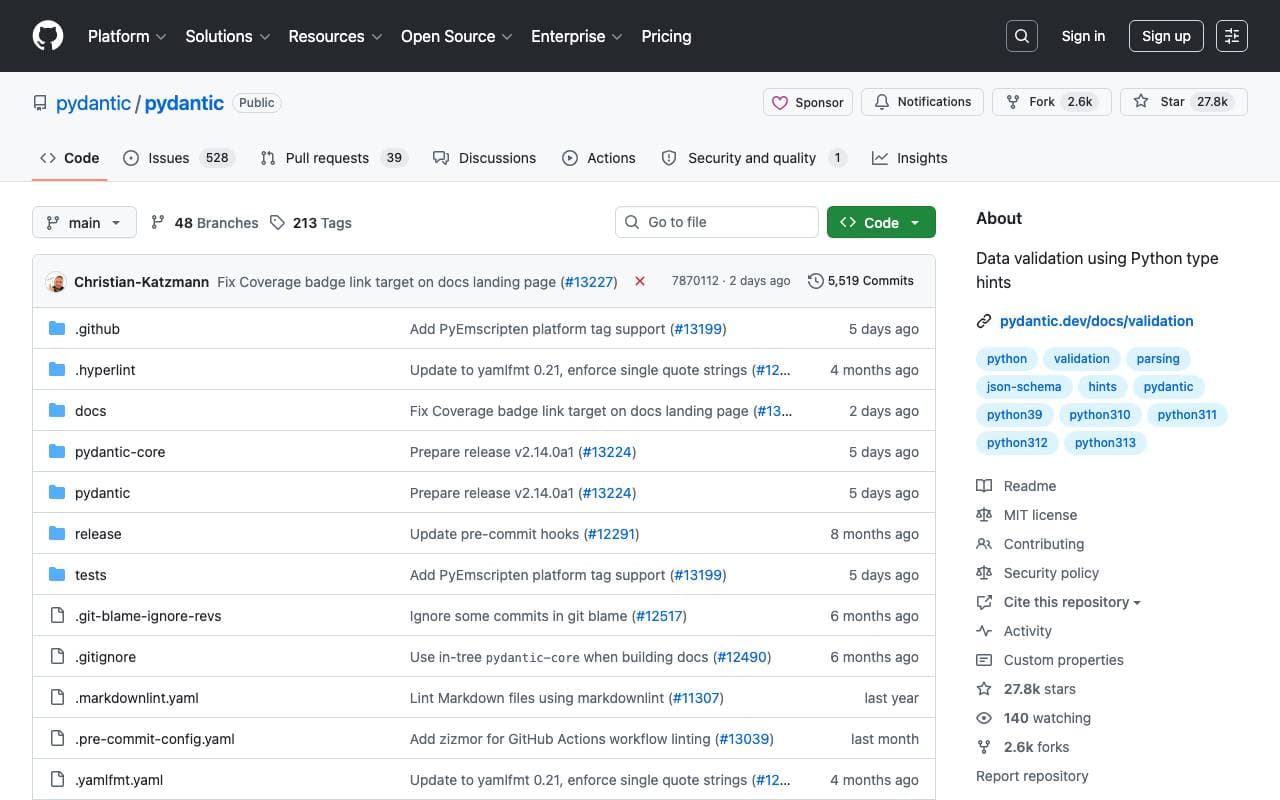

Pydantic
Coding Library
Python data validation and settings management powered by type hints.


PixeeAI
Coding Library
An automated product security engineer that fixes vulnerabilities, hardens code, and squashes bugs to enhance software security.
Trending now


Reducto AI
AI Agent Development Platforms
Document intelligence API that parses, splits, OCRs, and extracts structured data from complex PDFs, slides, and spreadsheets.


AdCrier
Marketing & Advertising
Sponsored answers, paid per click.


Biology AI
Education AI
Accurate Homework Help with Full Explanations
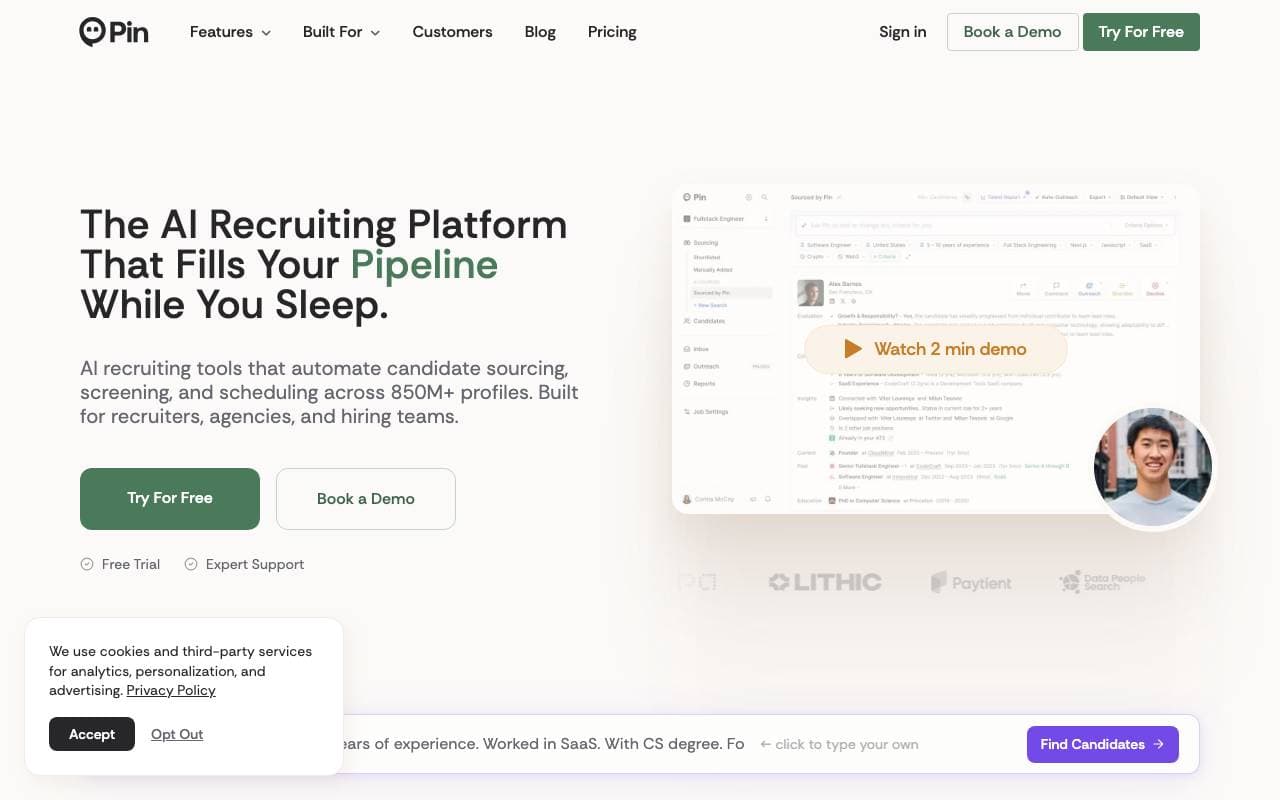

Pin AI
Workflow automation
Agentic AI recruiter that automates sourcing, screening, and outreach to accelerate hiring.