
Burr FrameworkOpen-source Python framework za gradnjo aplikacij z notranjim stanjem in odločitvami, kot so agenti in klepetalni roboti.

Pregled
Ključne funkcije
- Abstrakcija stanja z dejanji in prehodi
- Lokalni UI telemetrije za pregledovanje izvedb
- Vzdrževanje stanja in možnost nadaljevanja
- Podpora za pretok in asinhrone akcije
- Integracije z običajnimi LLM in ML orodji
- Hooki za beleženje, spremljanje in testiranje
Cene
- Model
- Free
- Kategorija
- Javni frameworki za učne agente
- Ocena
- 4.3 / 5 (4)
Primeri uporabe
Izdelaj chatbot z notranjim stanjem in sledljivo logiko
Modeliraj pogovorne tokove kot eksplicitne state machine z dejanji in prehodi, kar olajša razumevanje delovanja chatbota ter razhroščevanje zagnanj prek lokalnega UI telemetrije.
Razvij AI agente z odločitvami
Ustvari AI agente, ki upravljajo skupno stanje med koraki, s podporo za pretok, asinhrone akcije in integracijo z vsako LLM knjižnico v Python ekosistemu.
Izvajaj workflow motorje z možnostjo ponovnega začetka
Uporabi trajnost stanja za prekinitev, ponovno začetek in korak po koraku razhroščevanje dolgotrajnih workflowov ali simulacij, kar omogoča zanesljivo obnovitev in pregledovanje zapletenega kontrolnega toka.
Instrumentiraj AI aplikacije za spremljanje in testiranje
Izkoristi vgrajene hooke za beleženje, spremljanje in sledenje, da opazuješ proizvodne AI aplikacije in potrdiš obnašanje preko ponovljivih, preglednih zagnanj.
Prednosti in slabosti
Prednosti
- Jasen model stroja z stanjem olajša sledenje logiki
- Vgrajen UI za sledenje za razhroščevanje zagnanj
- Neodvisen od frameworka — deluje z vsakim LLM ali knjižnico
- Podpira vzdrževanje stanja, pretok in asinhronost
- Open-source in lahkotna
Slabosti
- Potrebuje Python in nekaj učenja njegovih abstrakcij
- Manj plug-and-play kot višji agent frameworki
- Manjša skupnost kot večji konkurenti
Ocene
Povprečje iz 4 ocen.
Prijavi se za oddajo ocene.
Does the job
Pretty happy overall. Local telemetry UI for inspecting executions just works and built-in tracing UI for debugging runs. Less plug-and-play than higher-level agent frameworks can be annoying, but no dealbreakers — I'd recommend it to a friend without hesitating.
Compared a few options
Evaluated this against two competitors. Where it wins: local telemetry UI for inspecting executions and explicit state-machine model makes logic easy to follow. Where it lags: requires Python and some learning of its abstractions. On balance the feature set — especially local telemetry UI for inspecting executions — justifies the 5 stars for our use case.
Use it every day
Honestly didn't expect to like it this much. State persistence and resumability is exactly what I needed, and open source and lightweight. I do wish smaller community than larger competitors, but I reach for it almost every day now and it just clicks.
Solid for our team
We rolled this out across the team last quarter and built-in tracing UI for debugging runs. State persistence and resumability fits neatly into how we already work, and integrations with common LLM and ML tools removed a step we used to do by hand. Smaller community than larger competitors, which is the main caveat, but it has held up under daily use.
Vprašanja
Why the name Burr?
Apache Burr is named after Aaron Burr, founding father, third Vice President of the United States, and historical opponent of Alexander Hamilton. The name reflects the project's origins as a harness to handle state between executions of Apache Hamilton DAGs (because DAGs don’t have cycles). Over time, Burr proved useful for a wide array of applications, leading to its broader release.
Asked by Naomi Suzuki · Nov 13, 2025
What can you do with Apache Burr?
Apache Burr can be used to power a variety of applications, including: 1. A simple GPT‑like chatbot. 2. A stateful RAG‑based chatbot. 3. An LLM‑based adventure game. 4. An interactive assistant for writing emails. It also supports non‑LLM use‑cases such as time‑series forecasting simulations and hyperparameter tuning. Using hooks and integrations you can integrate with any of your favorite vendors (LLM observability, storage, etc.) and build custom actions that delegate to your favorite libraries (like Apache Hamilton). Burr does not build models, query APIs, or manage data for you; it helps you tie these components together in a scalable, logical way. It includes out‑of‑the‑box integrations and tooling to build a UI in Streamlit and watch your state machine execute.
Asked by Valentina Marino · Nov 1, 2025
How does Apache Burr work?
With Apache Burr you express your application as a state machine (i.e. a graph/flowchart). You can (and should!) use it for anything in which you have to manage state, track complex decisions, add human feedback, or dictate an idempotent, self-persisting workflow. The core API is simple – the Burr hello-world looks like this (plug in your own LLM, or copy from the docs for gpt‑X). Apache Burr includes: 1. A dependency‑free low‑abstraction Python library that enables you to build and manage state machines with simple Python functions. 2. A UI you can use to view execution telemetry for introspection and debugging. 3. A set of integrations to make it easier to persist state, connect to telemetry, and integrate with other systems.
Asked by Carlos Mendoza · Oct 27, 2025
Postavi vprašanje
Alternative za Javni frameworki za učne agente
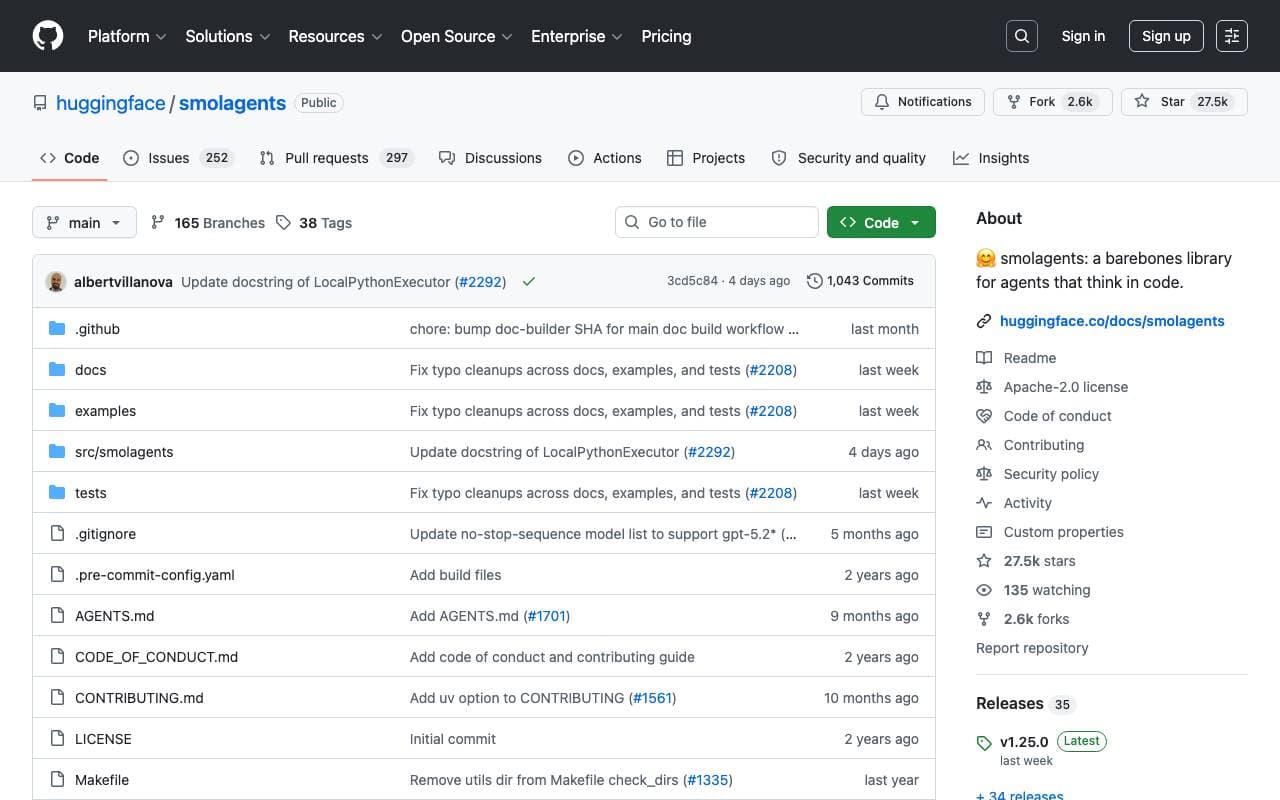

smolagents
Javni frameworki za učne agente
Minimalistična Python knjižnica Hugging Face za ustvarjanje AI agentov na podlagi kode v le nekaj vrsticah


Mini LLM Flow
Javni frameworki za učne agente
Minimalistični 100‑vrstični LLM okvir za gradnjo samoprogramirajočih agentnih delovnih tokov
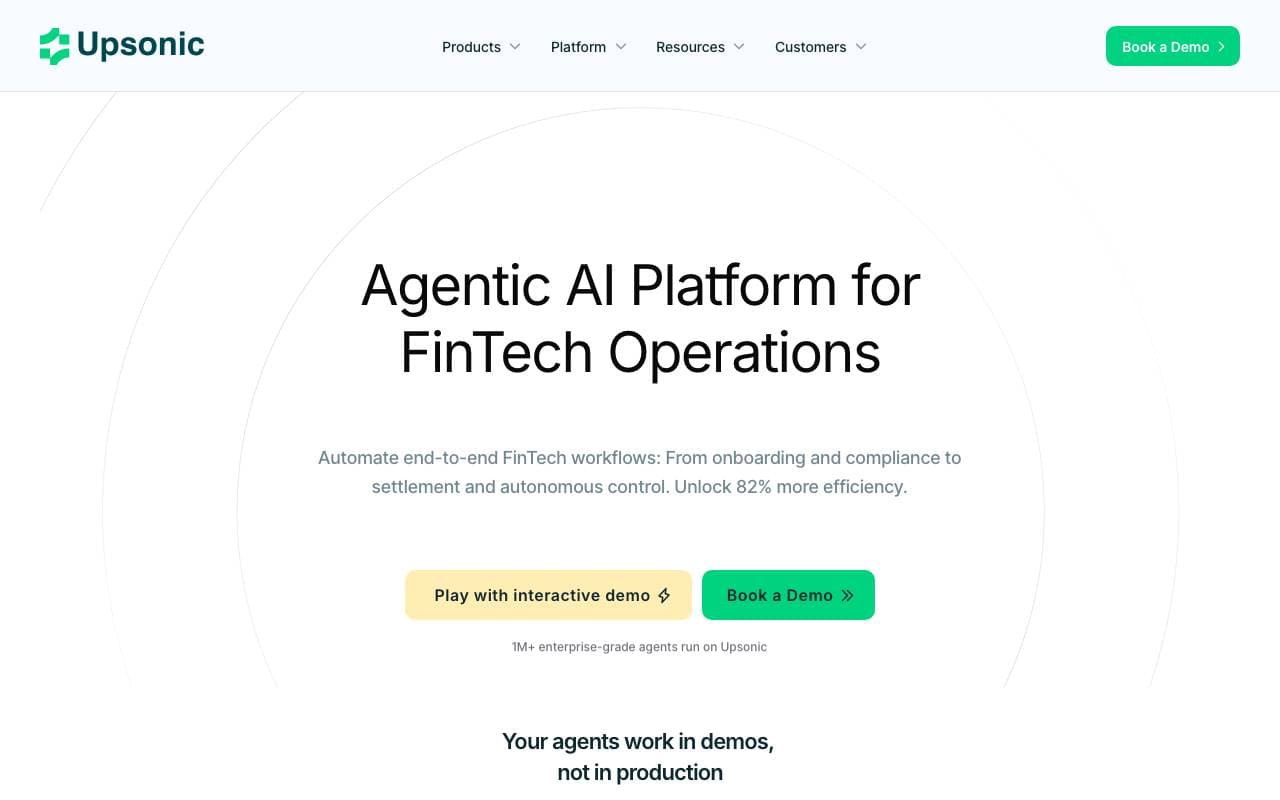

upsonicAI
Javni frameworki za učne agente
Open-source okvir agentov za gradnjo nalogo-orientiranih digitalnih delavcev in navpičnih AI agentov.


AI-Powered RAG Workflow for n8n
Javni frameworki za učne agente
Zagovarjajte vprašanja in dobite odgovore, ki se utemeljujejo na vaših datotekah v Google Drive z uporabo n8n.


ControlFlow
Javni frameworki za učne agente
Python ogrodje za ustvarjanje agentnih AI delovnih tokov z zasnovo, osredotočeno na opravila.


roboneo art
Javni frameworki za učne agente
AI generator umetnosti, ki iz besedilnih navodil v sekundo pretvori slike visoke kakovosti.

Agent Genesis
Javni frameworki za učne agente
Open-source, kopiraj in prilepi kodo za hitro gradnjo AI agentov.


Eclat Institute
Javni frameworki za učne agente
IP in JC poučevanje, osredotočeno na gradnjo trajnega strokovnega znanja
Trending now


Reducto AI
Platforme za razvijanje avtomatiziranih agenstv AI
API za dokumentno inteligenco, ki razčleni, deli, OCR-uje in izvaja strukturirane podatke iz zapletenih PDF-jev, predstavitev in preglednic.


AdCrier
Trženje & Oglasovanje
Sponzorirana odgovora, plačano po kliku


Biology AI
Obrazovna AI
Natančna pomoč pri domači nalogi z celovito razlago
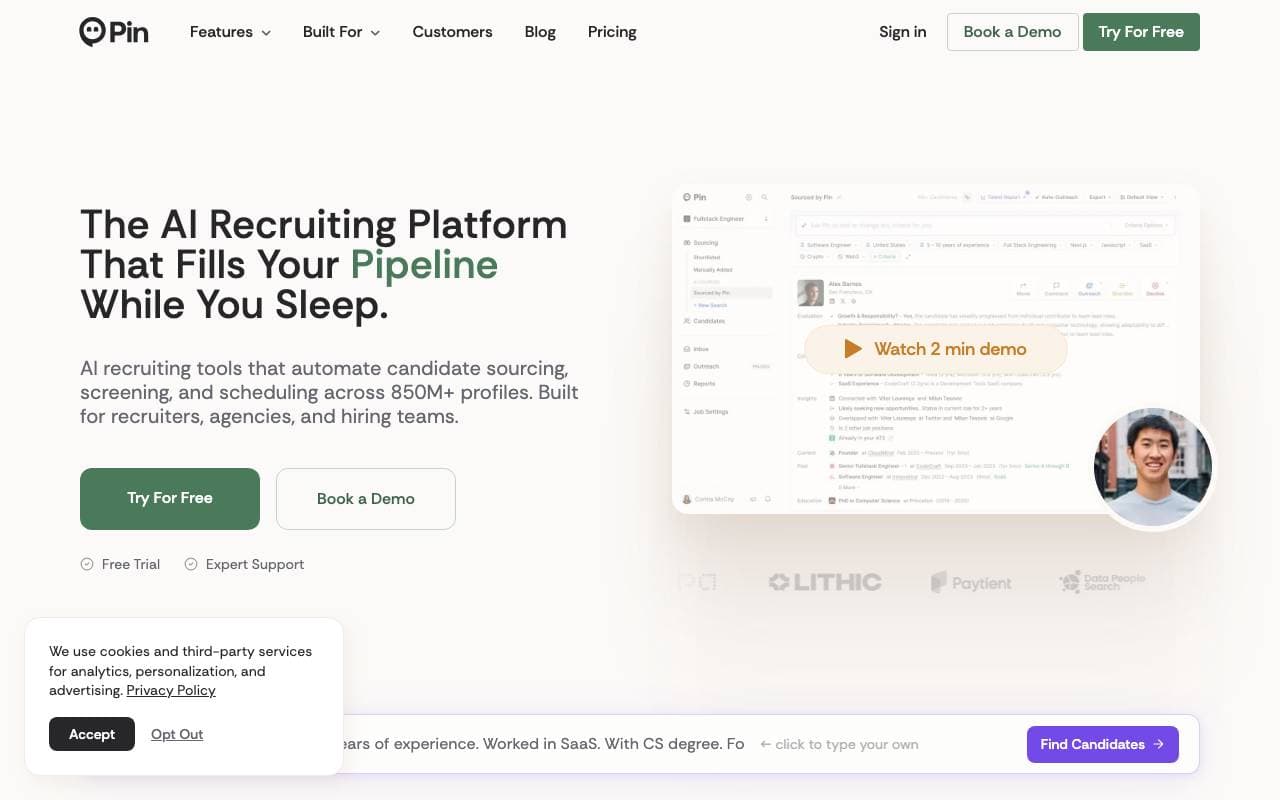

Pin AI
Automatizacija tokov dela
Agentic AI regruter, ki avtomatizira iskanje, pregledovanje in obveščanje kandidatov, da pospeši zaposlovanje.