ScrapeGraphAITrasforma qualsiasi sito web in un API di dati strutturati utilizzando l'estrazione dei dati guidata da intelligenza artificiale.

Panoramica
Funzionalità chiave
- Estrazione dei dati in linguaggio naturale
- API REST per un'integrazione facile
- Impianto automatico della paginazione e della navigazione
- Supporto per siti dinamici e con rendering del JavaScript
- Output JSON strutturato
- Scalabilità basata sui servizi cloud per lo scraping
Prezzi
- Modello
- Freemium
- Categoria
- Agenti di Informazione
- Valutazione
- 4.8 / 5 (5)
Casi d’uso
Monitoraggio dei prezzi competitivi
Tieni traccia dei prezzi dei prodotti su siti e-commerce concorrenti descrivendo i campi obiettivo dal linguaggio naturale e ricevi aggiornamenti JSON strutturati via API.
Pipelines di dati di generazione di lead
Estrai i dettagli dei contatti, l'informazione sulla società e le elenchi da directory e siti web di aziende per alimentare i flussi di lavoro di vendita e CRM.
Aggregazione dei dati di ricerca di mercato
Raccogli da dati puliti e strutturati da fonti multiple senza creare o mantenere scrapers personalizzati per i team di analisti e dati.
Raccolta dei dati di training per l'insegnamento
Raccogli grandi insiemi di contenuti strutturati dinamici e con rendering del JavaScript in siti per formare i set dei dati per l'insegnamento e l'addestramento dei modelli.
Pro & contro
Pro
- Promt di linguaggio naturale sostituisce codice personalizzato dello scraper
- Output dati JSON puliti e strutturati
- Funge per le pagine dinamiche e con JavaScript pesanti
- Si scalano senza mantenere la struttura dello scraping
Contro
- I costi possono crescere con l'alta intensità d'uso
- L'accuratezza dipende dalla chiarezza del prompt e dalla complessità del sito
- Sono soggetta alle condizioni di Servizio e ai limiti di targa dei siti obiettivo
Recensioni
Media su 5 valutazioni.
Accedi per lasciare una recensione.
Compared a few options
Evaluated this against two competitors. Where it wins: rEST API for easy integration and handles dynamic and JavaScript-heavy pages. On balance the feature set — especially structured JSON output — justifies the 5 stars for our use case.
Solid for our team
We rolled this out across the team last quarter and scales without maintaining scraping infrastructure. Scalable cloud-based scraping fits neatly into how we already work, and support for dynamic, rendered websites removed a step we used to do by hand. Accuracy depends on prompt clarity and site complexity, which is the main caveat, but it has held up under daily use.
Solid for our team
We rolled this out across the team last quarter and natural language prompts replace custom scraper code. Support for dynamic, rendered websites fits neatly into how we already work, and automatic handling of pagination and navigation removed a step we used to do by hand. but it has held up under daily use.

Years in this space
I've evaluated a lot of these over the years. What stands out here is support for dynamic, rendered websites — handled better than most — and outputs clean, structured JSON data. Worth the time if this is your use case.
Skeptical, then convinced
I went in skeptical — most tools in this space overpromise. It actually delivers on natural language data extraction, and scales without maintaining scraping infrastructure caught me off guard. still, I'd recommend giving it a real trial.
Domande e risposte
How fast is the ScrapeGraphAI API?
Most requests complete in 2-10 seconds depending on page complexity and the amount of data extracted. Frequently requested URLs are cached, so repeat calls come back almost instantly.
Asked by Katarzyna Zielinska · Jun 4, 2026
Can ScrapeGraphAI scrape JavaScript-rendered pages and SPAs?
Yes. ScrapeGraphAI handles JavaScript-heavy pages, single-page applications, and dynamically loaded content out of the box. No need to manage headless browsers yourself.
Asked by Hannah Goldberg · May 14, 2026
Is ScrapeGraphAI free to use?
Yes. The free plan includes 500 API credits, enough to test the API and build a proof of concept. Paid plans start at $20/month with 10,000 credits and scale up from there.
Asked by Ola Eriksen · May 7, 2026
What data formats does the web scraping API support?
All responses come back as structured JSON matching your prompt. You can also provide a JSON schema to enforce exact output shapes, perfect for feeding data directly into your pipeline or database.
Asked by Vikram Rao · Apr 9, 2026
Do I need to write CSS selectors or XPath to scrape websites?
No. ScrapeGraphAI uses large language models to understand page content semantically. You describe what you want in plain English. No selectors, no regex, no DOM traversal. The AI figures out where the data lives.
Asked by Miriam Cohen · Feb 27, 2026
Fai una domanda
Alternative a Agenti di Informazione
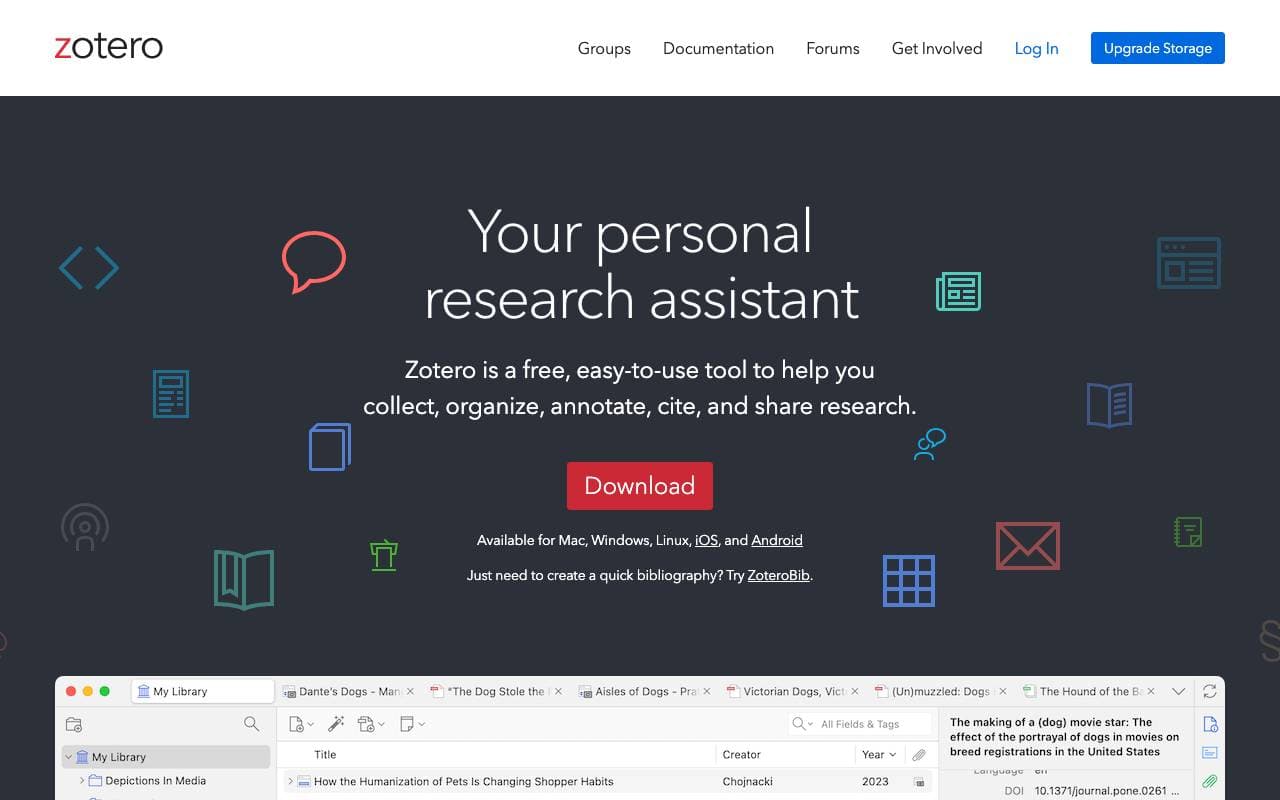

Zotero
Agenti di Informazione
Gestore di riferimenti aperto, per la raccolta, l'organizzazione, il citazionamento e la condivisione di ricerche.
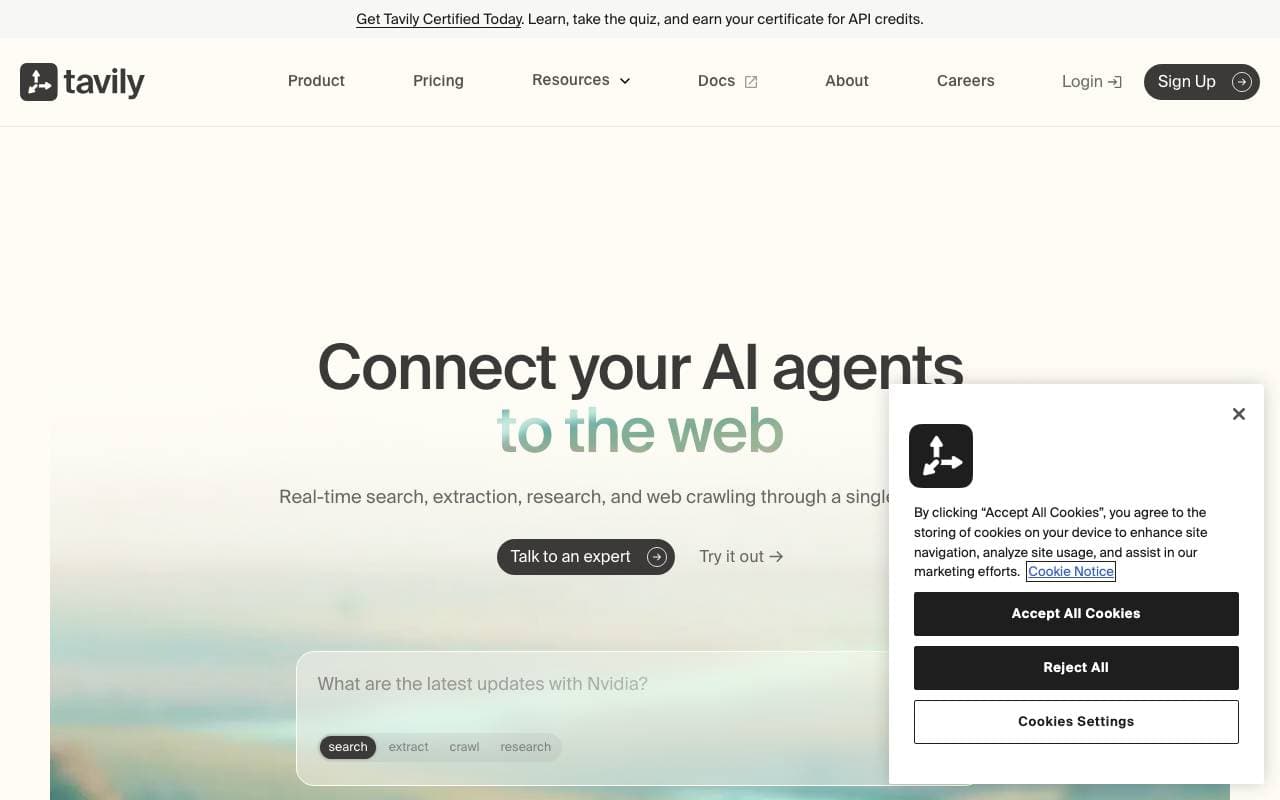
Tavily
Agenti di Informazione
API di ricerca web in tempo reale e retrieval di dati costruito per agenti AI e flussi di lavoro LLM.
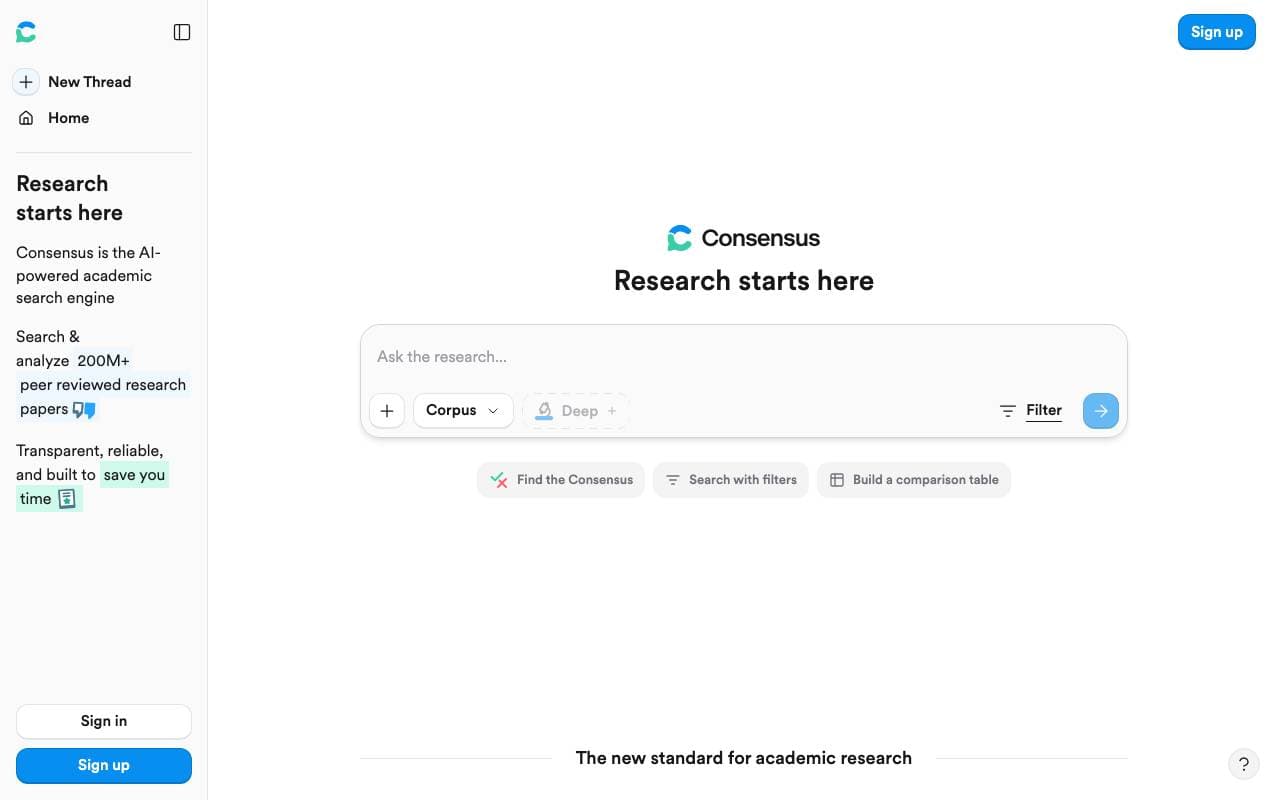
Consensus
Agenti di Informazione
Risorsa di ricerca potenziata da IA che trova e sintetizza risposte da pubblicazioni accademiche preselezionate


AnswerGrid
Agenti di Informazione
Ricerca e ricerca aziendale per consulenti e team di vendita B2B con tecnologia di intelligenza artificiale.

AskPandi
Agenti di Informazione
Motorizzato da intelligenza artificiale, l'engine di risposta che aggrega varie fonti per risposte rapide e affidabili.


Browse AI
Agenti di Informazione
Estrazione e monitoraggio di dati senza codice con robot preconfigurati e esecuzioni programmate


Zylon AI
Agenti di Informazione
Piattaforma privata e autoospitante di intelligenza artificiale per aziende che necessitano di un pieno controllo dei dati.


Andi AI
Agenti di Informazione
Motore di ricerca AI conversazionale che fornisce risposte dirette, a stile di chat, invece di elenchi di links.
Trending now
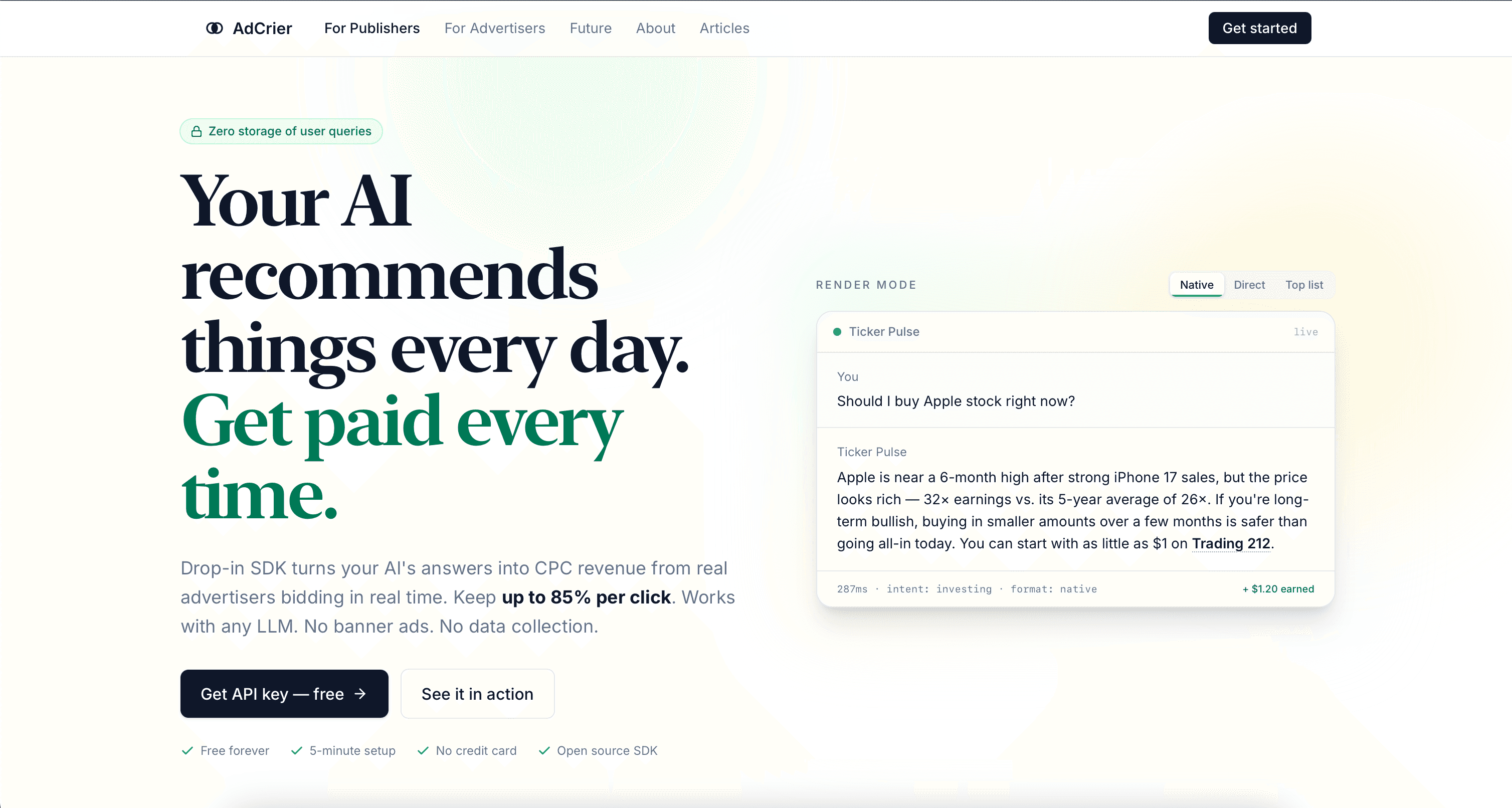

AdCrier
Marketing & Publicità
Risposte sponsorizzate, pagate per clic


Reducto AI
Piattaforme per lo Sviluppo di Agenti AI
API di intelligenza dei documenti che elabora, suddivide, riconosce testi da immagine e estrae dati strutturati da PDFs complessi, diapositive e fogli elettronici


Biology AI
Intelligenza Artificiale per l"Educazione
Aiuto di Alta Qualità per i Compiti con Spiegazioni Dettagliate
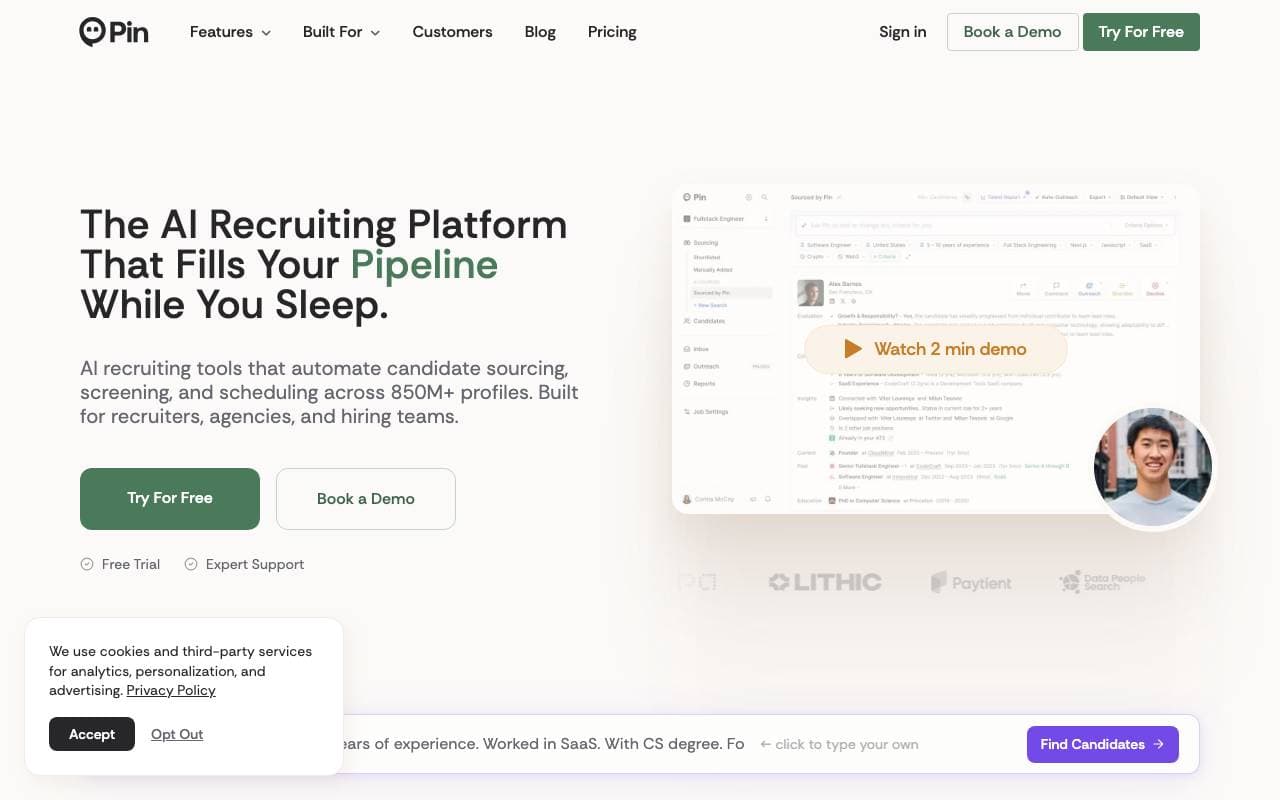

Pin AI
Automazione di workflow
Recruiter AI Agent che automatizza la sorgenza, lo screening e la outreach per velocizzare il processo di assunzione.