ArchwaysSfumature intelligenti che riducono i tempi di valutazione dei software di fino al 85%

Panoramica
Funzionalità chiave
- Scoperta dei software alimentata da intelligenza artificiale
- Confronti dei fornitori automatizzati
- Resoconti di raccomandazione personalizzati
- Modelli dei criteri di valutazione
- Flussi di revisione collaborativi
- Relazioni di insight per i stakeholder
Prezzi
- Modello
- Free
- Categoria
- Ricerca
- Valutazione
- 4.8 / 5 (4)
Casi d’uso
Accelerare la selezione dei fornitori dei software SaaS
Narra velocemente una lunga lista dei fornitori di software generando confronti alimentati dall'intelligenza artificiale e raccomandazioni personalizzate basate sui criteri di valutazione della tua squadra.
Sviluppare Relazioni di insight per i stakeholder pronte
Produci relazioni di insight strutturate e ricapitolazioni delle raccomandazioni che aiutino gli esecutivi, la finanza e i destinatari a sincronizzarsi attorno a una decisione di acquisto fidata.
Standardizzare le valutazioni dei software
Usa modelli dei criteri di valutazione e flussi di lavoro collaborativi per assicurare che le squadre di approvvigionamento applichino un'analisi basata sui dati coerente in ogni valutazione del software.
Sostituire gli elenchi di fogli di lavoro e le maratone di demo
Svuota le ore di chiamate dei fornitori e la creazione manuale degli elenchi di fogli di lavoro facendo emergere le differenze chiave e le capacità attraverso confronti laterali automatici.
Pro & contro
Pro
- Riduce significativamente i tempi di valutazione dei software
- Sfumature alimentate dall'intelligenza artificiale personalizzate per le esigenze degli acquirenti
- Confronti strutturati tra più fornitori
- Aiuta le squadre a raggiungere l'accordo più velocemente
- Stakeholder-Ready Insight Reports
Contro
- L'area di copertura può variare nei software delle categorie dei mercati specifici
- Richiede tuttavia la valutazione umana per le decisioni finali
- La qualità delle sfumature dipende dalla disponibilità dei dati
Recensioni
Media su 4 valutazioni.
Accedi per lasciare una recensione.
Compared a few options
Evaluated this against two competitors. Where it wins: automated vendor comparisons and structured comparisons across vendors. On balance the feature set — especially collaborative review workflows — justifies the 5 stars for our use case.
Years in this space
I've evaluated a lot of these over the years. What stands out here is automated vendor comparisons — handled better than most — and structured comparisons across vendors. Worth the time if this is your use case.
Does the job
Pretty happy overall. Insight reports for stakeholders just works and structured comparisons across vendors. Still requires human judgment for final decisions can be annoying, but no dealbreakers — I'd recommend it to a friend without hesitating.
Compared a few options
Evaluated this against two competitors. Where it wins: aI-powered software discovery and structured comparisons across vendors. On balance the feature set — especially aI-powered software discovery — justifies the 5 stars for our use case.
Domande e risposte
How is Archways different from a CMDB or application inventory?
A CMDB shows what applications exist and how they connect. It provides important visibility, but it doesn’t guide decisions about what should change in the portfolio. Archways uses that inventory as context, then helps teams decide which tools to keep or retire, where there is duplication, how new tools fit into the existing architecture, and what actions to take at renewal.
Asked by Fiorella Bianchi · Sep 15, 2025
How is Archways different from a procurement platform?
Procurement platforms manage sourcing and purchasing workflows. They are designed to run processes like RFPs, approvals, and vendor onboarding. They assume a decision has already been made. Archways sits earlier in the process. It helps teams determine whether a decision needs to be made at all, define what matters before engaging vendors, narrow down options, and make trade-offs explicit. When a formal procurement process is needed, it starts from a much more structured position.
Asked by Hana Kobayashi · Sep 6, 2025
Does Archways replace our existing systems?
No. Archways is designed to sit on top of your existing systems, not replace them. Most organisations already have tools for different parts of the stack, for example a CMDB or application inventory such as ServiceNow or LeanIX, SAM or licensing tools such as Flexera, procurement and contract systems, and spreadsheets used to track renewals or vendors. Archways uses those as inputs. It brings that data together and adds the missing layer, which is how to decide what to do next. Those systems continue to do what they’re designed for. Archways makes them more useful by turning their data into clear, actionable decisions.
Asked by Olamide Fashola · Aug 23, 2025
What data does Archways actually use?
Archways combines your internal software data with independent external intelligence to support decisions. Internally, it uses the data you already have, such as contracts, renewal dates, and notice periods, spend, pricing structure, and commitments, ownership across teams or business units, application inventory and architecture context, and usage or criticality signals where available. Externally, Archways adds independent context that most organisations don’t have in one place, including vendor and product coverage across the software market, capability-level comparisons between tools, evidence on where products overlap or differ in real use, commercial context that helps teams assess leverage and alternatives, and governance and policy context. You don’t need a perfect inventory to get started. Most teams begin with partial data and improve it over time as decisions are made and captured.
Asked by Petros Georgiou · Aug 7, 2025
Do we need clean data to get value?
No. Most teams start with incomplete, inconsistent, or fragmented data. In practice, software data is spread across systems or missing key fields. Archways is designed to work with that reality, not wait for a perfect inventory. Teams typically start with a usable subset, for example a list of upcoming renewals, basic contract and spend data, and partial ownership or application data. Over time, data improves as a byproduct of decision-making. The goal is not to clean all your data upfront. It’s to make better decisions with what you have today, and improve data quality naturally as those decisions are made.
Asked by Tariq Aziz · Jul 29, 2025
Fai una domanda
Alternative a Ricerca


Patsnap Eureka
Ricerca
Agenti AI di dominio specifico che accelerano flussi di lavoro R&D e innovazione


stockbuzz.ai
Ricerca
Motore di ricerca alimentato dall'intelligenza artificiale per la ricerca azionario e le informazioni di mercato


Stock Market Analysis
Ricerca
Informazioni in tempo reale sul mercato azionario, notizie e dati disponibili nel formato preferito.

Lexicon
Ricerca
Motore di ricerca di confronto strutturato che fornisce sentenze analitiche across otto dimensioni.

Extruct AI
Ricerca
Intelligenza aziendale in tempo reale per la scoperta di lead B2B precisi
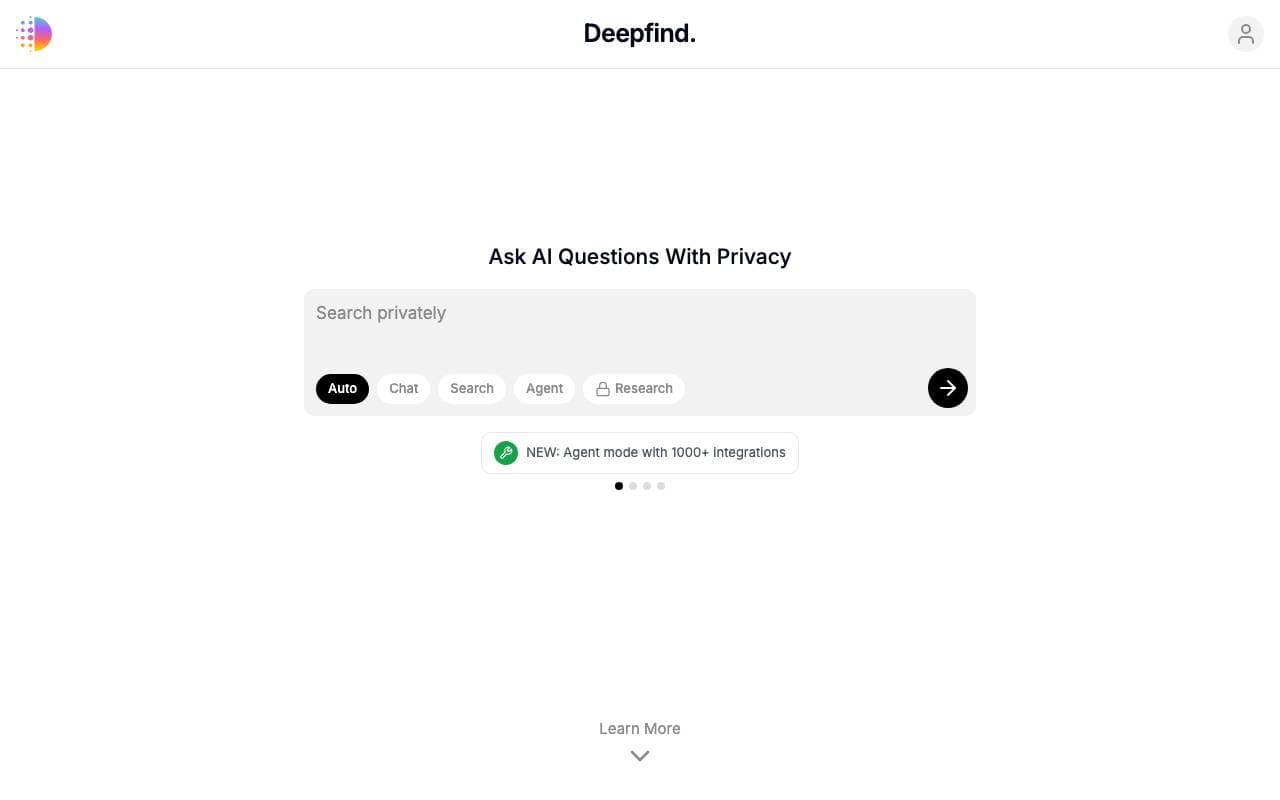

Deepfind
Ricerca
Ricerca web in tempo reale che sintetizza i risultati migliori in un unico risposta
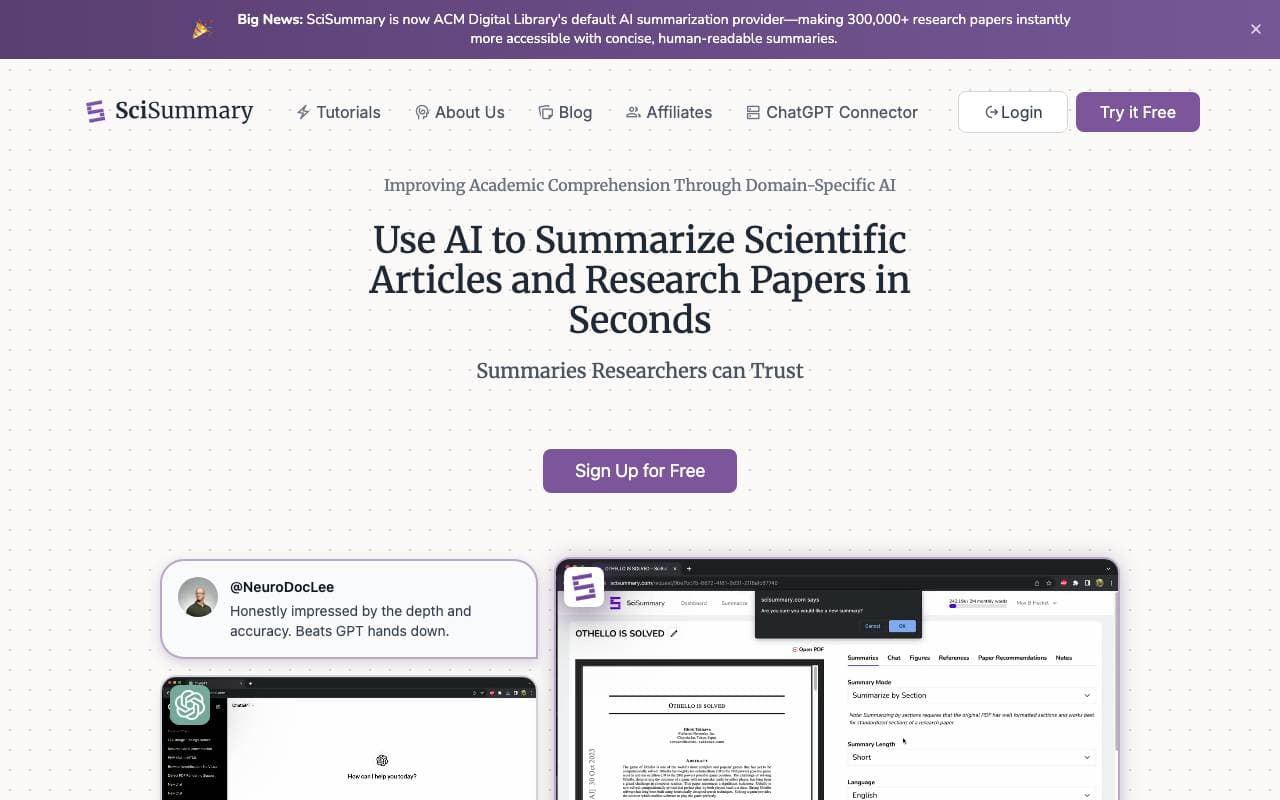

SciSummary
Ricerca
Resoconti con intelligenza artificiale per articoli scientifici e ricerche

Infora AI
Ricerca
Piattaforma di ricerca e ingaggio delle conoscenze con l'intelligenza artificiale per una scoperta più veloce e intelligente
Trending now


Reducto AI
Piattaforme per lo Sviluppo di Agenti AI
API di intelligenza dei documenti che elabora, suddivide, riconosce testi da immagine e estrae dati strutturati da PDFs complessi, diapositive e fogli elettronici
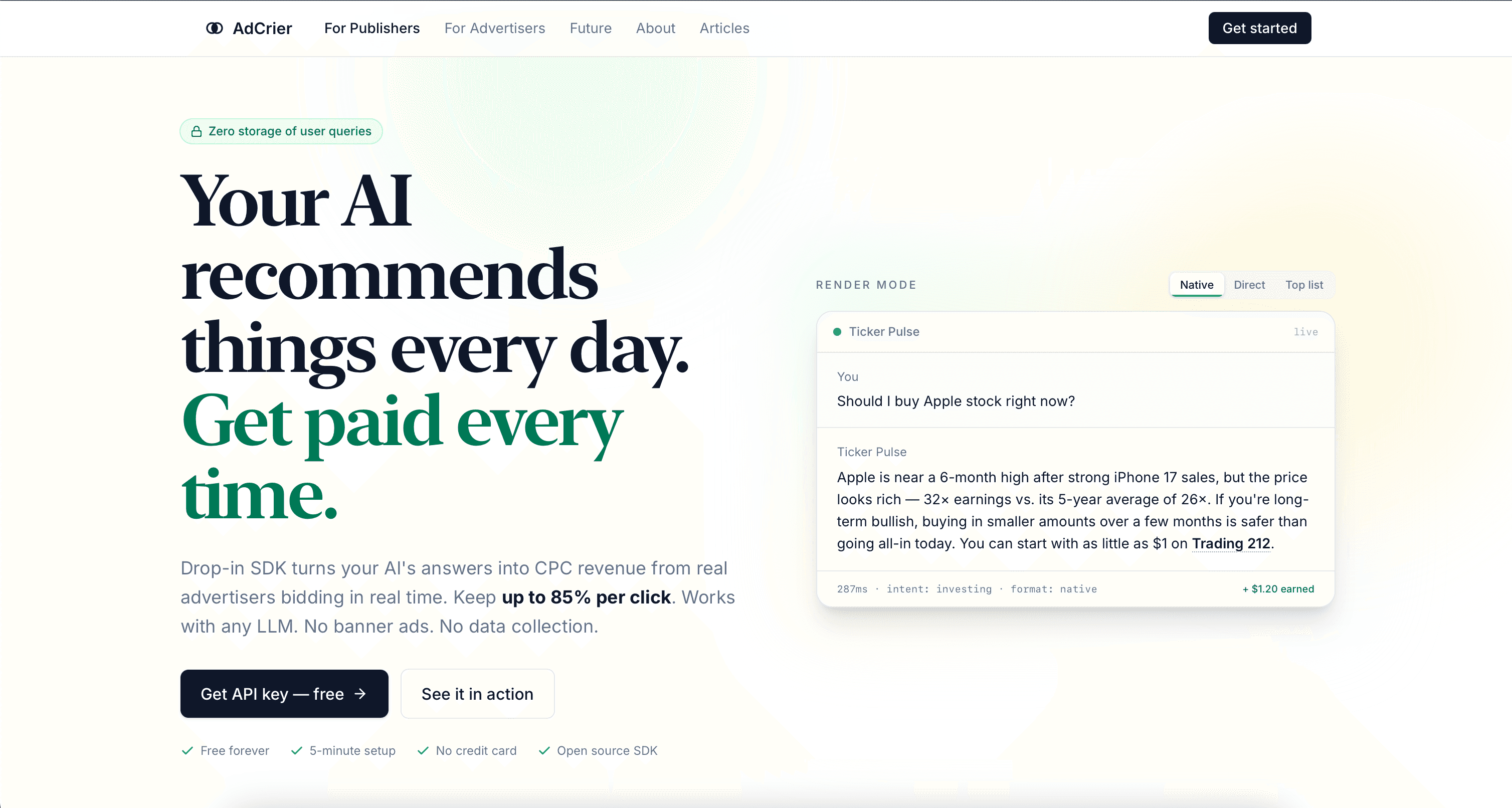

AdCrier
Marketing & Publicità
Risposte sponsorizzate, pagate per clic


Biology AI
Intelligenza Artificiale per l"Educazione
Aiuto di Alta Qualità per i Compiti con Spiegazioni Dettagliate
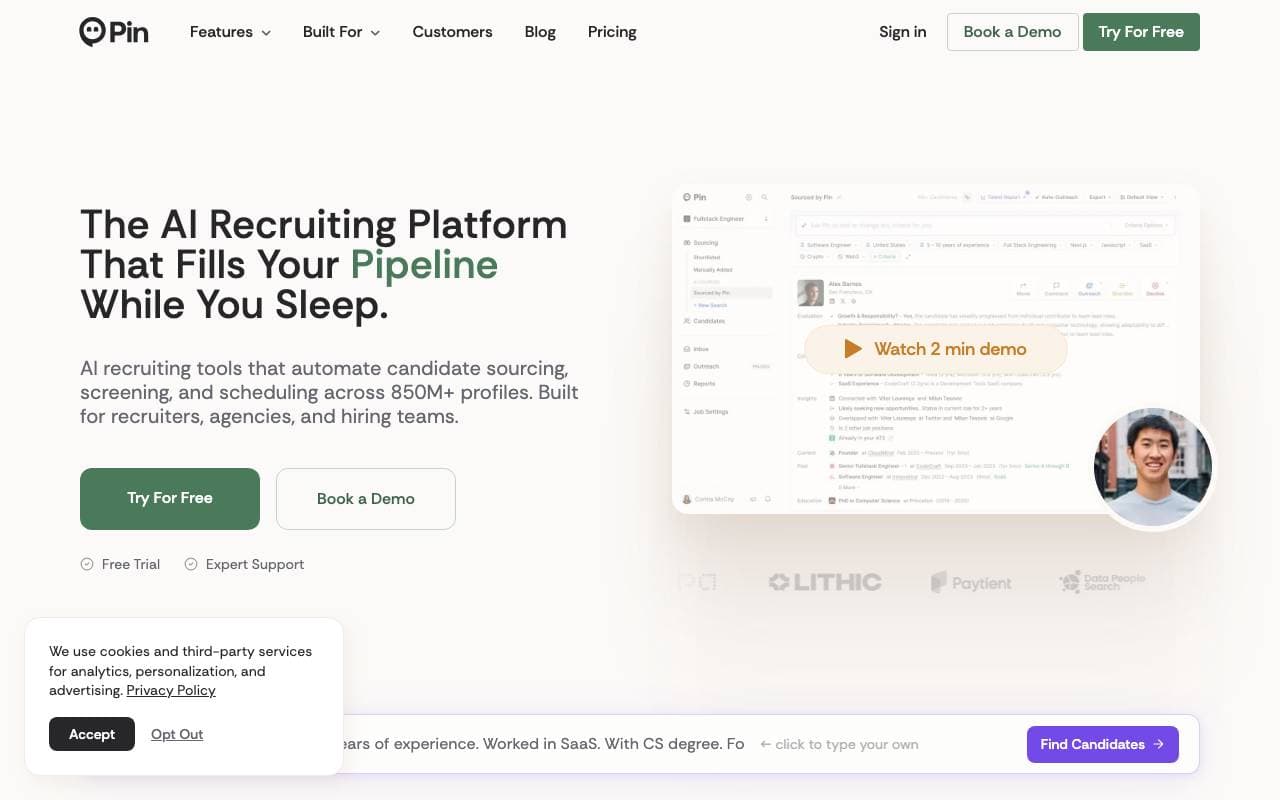

Pin AI
Automazione di workflow
Recruiter AI Agent che automatizza la sorgenza, lo screening e la outreach per velocizzare il processo di assunzione.