ArchwaysInformación inteligente que reduce el tiempo de evaluación de software hasta en un 85%

Resumen
Funciones clave
- Descubrimiento de software impulsado por IA
- Comparaciones automáticas de proveedores
- Resúmenes de recomendaciones personalizados
- Plantillas de criterios de evaluación
- Flujos de trabajo de revisión colaborativa
- Informes de información para las partes interesadas
Precio
- Modelo
- Free
- Categoría
- Investigación
- Valoración
- 4.8 / 5 (4)
Casos de uso
Acelere la selección de proveedores SaaS
Reduzca rápidamente una larga lista de proveedores de software generando comparaciones impulsadas por IA y recomendaciones adaptadas a los criterios de evaluación de su equipo.
Cree informes de información listos para las partes interesadas
Produzca informes estructurados y resúmenes de recomendaciones que ayuden a alinear a ejecutivos, finanzas y usuarios finales hacia una decisión de compra segura.
Estandarice las evaluaciones de software
Utilice plantillas de criterios de evaluación y flujos de trabajo colaborativos para garantizar que los equipos de adquisiciones apliquen un análisis consistente y basado en datos en cada revisión de software.
Reemplace las hojas de cálculo y los maratones de demos
Evite horas de llamadas con proveedores y la creación manual de hojas de cálculo al destacar diferenciadores clave y capacidades a través de comparaciones automáticas lado a lado.
Pros y contras
Ventajas
- Reduce significativamente el tiempo de evaluación de software
- Información impulsada por IA adaptada a las necesidades del comprador
- Comparaciones estructuradas entre proveedores
- Ayuda a los equipos a llegar a un consenso más rápido
Contras
- La cobertura puede variar según categorías de software de nicho
- Aún requiere juicio humano para las decisiones finales
- La calidad de la información depende de los datos disponibles
Reseñas
Promedio de 4 valoraciones.
Inicia sesión para dejar una reseña.
Compared a few options
Evaluated this against two competitors. Where it wins: automated vendor comparisons and structured comparisons across vendors. On balance the feature set — especially collaborative review workflows — justifies the 5 stars for our use case.
Years in this space
I've evaluated a lot of these over the years. What stands out here is automated vendor comparisons — handled better than most — and structured comparisons across vendors. Worth the time if this is your use case.
Does the job
Pretty happy overall. Insight reports for stakeholders just works and structured comparisons across vendors. Still requires human judgment for final decisions can be annoying, but no dealbreakers — I'd recommend it to a friend without hesitating.
Compared a few options
Evaluated this against two competitors. Where it wins: aI-powered software discovery and structured comparisons across vendors. On balance the feature set — especially aI-powered software discovery — justifies the 5 stars for our use case.
Preguntas y respuestas
How is Archways different from a CMDB or application inventory?
A CMDB shows what applications exist and how they connect. It provides important visibility, but it doesn’t guide decisions about what should change in the portfolio. Archways uses that inventory as context, then helps teams decide which tools to keep or retire, where there is duplication, how new tools fit into the existing architecture, and what actions to take at renewal.
Asked by Fiorella Bianchi · Sep 15, 2025
How is Archways different from a procurement platform?
Procurement platforms manage sourcing and purchasing workflows. They are designed to run processes like RFPs, approvals, and vendor onboarding. They assume a decision has already been made. Archways sits earlier in the process. It helps teams determine whether a decision needs to be made at all, define what matters before engaging vendors, narrow down options, and make trade-offs explicit. When a formal procurement process is needed, it starts from a much more structured position.
Asked by Hana Kobayashi · Sep 6, 2025
Does Archways replace our existing systems?
No. Archways is designed to sit on top of your existing systems, not replace them. Most organisations already have tools for different parts of the stack, for example a CMDB or application inventory such as ServiceNow or LeanIX, SAM or licensing tools such as Flexera, procurement and contract systems, and spreadsheets used to track renewals or vendors. Archways uses those as inputs. It brings that data together and adds the missing layer, which is how to decide what to do next. Those systems continue to do what they’re designed for. Archways makes them more useful by turning their data into clear, actionable decisions.
Asked by Olamide Fashola · Aug 23, 2025
What data does Archways actually use?
Archways combines your internal software data with independent external intelligence to support decisions. Internally, it uses the data you already have, such as contracts, renewal dates, and notice periods, spend, pricing structure, and commitments, ownership across teams or business units, application inventory and architecture context, and usage or criticality signals where available. Externally, Archways adds independent context that most organisations don’t have in one place, including vendor and product coverage across the software market, capability-level comparisons between tools, evidence on where products overlap or differ in real use, commercial context that helps teams assess leverage and alternatives, and governance and policy context. You don’t need a perfect inventory to get started. Most teams begin with partial data and improve it over time as decisions are made and captured.
Asked by Petros Georgiou · Aug 7, 2025
Do we need clean data to get value?
No. Most teams start with incomplete, inconsistent, or fragmented data. In practice, software data is spread across systems or missing key fields. Archways is designed to work with that reality, not wait for a perfect inventory. Teams typically start with a usable subset, for example a list of upcoming renewals, basic contract and spend data, and partial ownership or application data. Over time, data improves as a byproduct of decision-making. The goal is not to clean all your data upfront. It’s to make better decisions with what you have today, and improve data quality naturally as those decisions are made.
Asked by Tariq Aziz · Jul 29, 2025
Hacer una pregunta
Alternativas a Investigación


Patsnap Eureka
Investigación
Agentes de IA especializados en dominios que aceleran los flujos de trabajo de R&D e innovación


stockbuzz.ai
Investigación
Búsqueda por motor de aprendizaje automático para investigaciones de valores y perspectivas de mercado


Stock Market Analysis
Investigación
Insightos en tiempo real sobre el mercado de valores, noticias y datos disponibles en tu formato preferido.

Lexicon
Investigación
Motor de búsqueda de comparación estructurada que proporciona veredictos analíticos en ocho dimensiones.

Extruct AI
Investigación
Inteligencia empresarial en tiempo real para la detección precisa de leads B2B
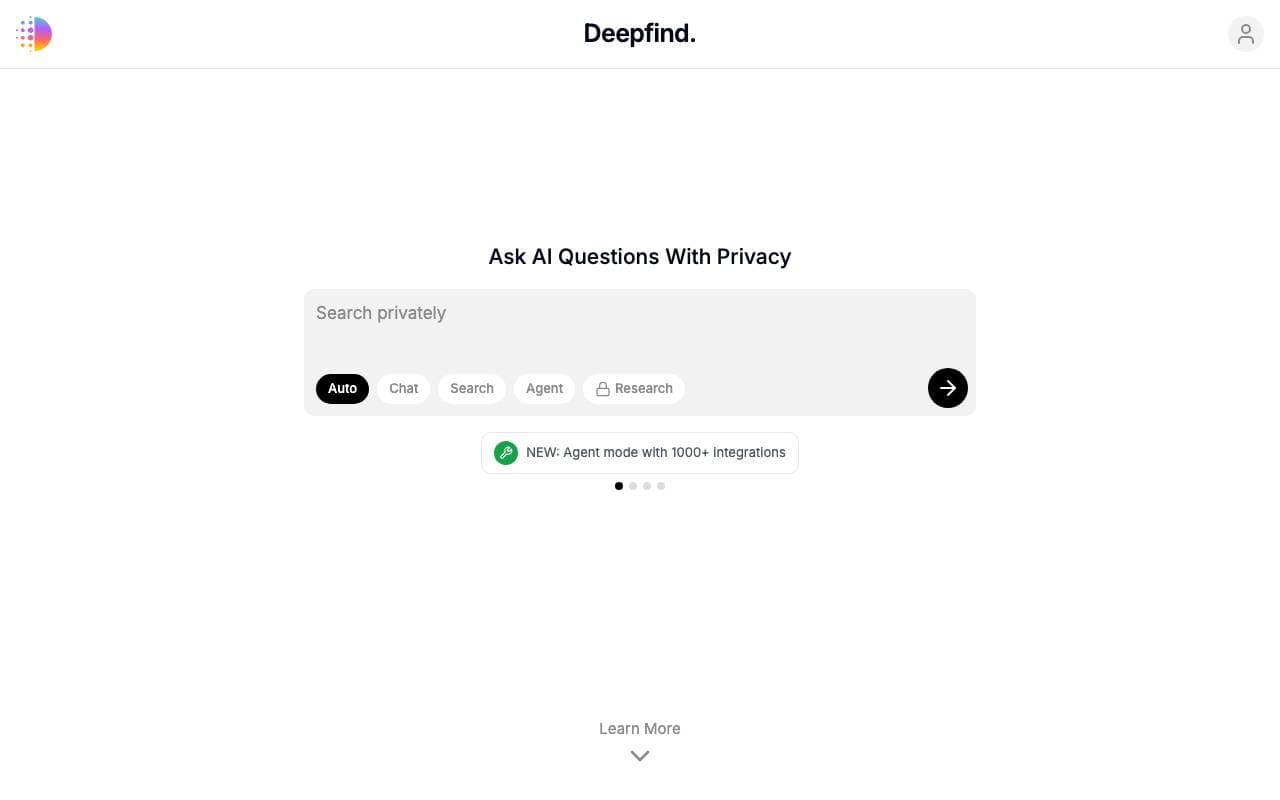

Deepfind
Investigación
Investigación web en tiempo real que sintetiza los mejores resultados en una sola respuesta
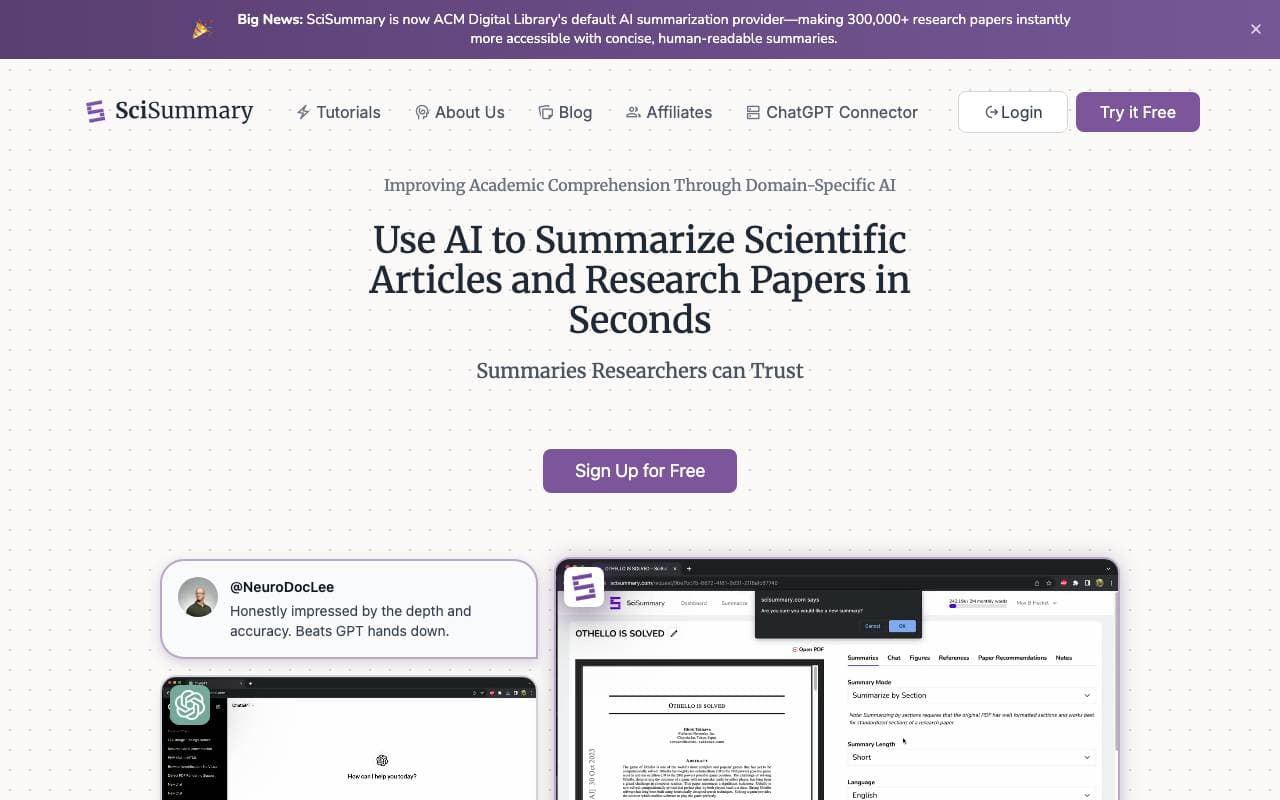

SciSummary
Investigación
Resúmenes automatizados con tecnología de IA para artículos científicos y investigaciones

Infora AI
Investigación
Plataforma de búsqueda y compromiso con el conocimiento impulsada por IA para un descubrimiento más rápido e inteligente
Trending now


Reducto AI
Plataformas de Desarrollo de Agentes de Inteligencia Artificial
API de inteligencia de documentos que analiza, divide, reconoce textos impresos y extrae datos estructurados desde PDF complejos, presentaciones y hojas de cálculo.
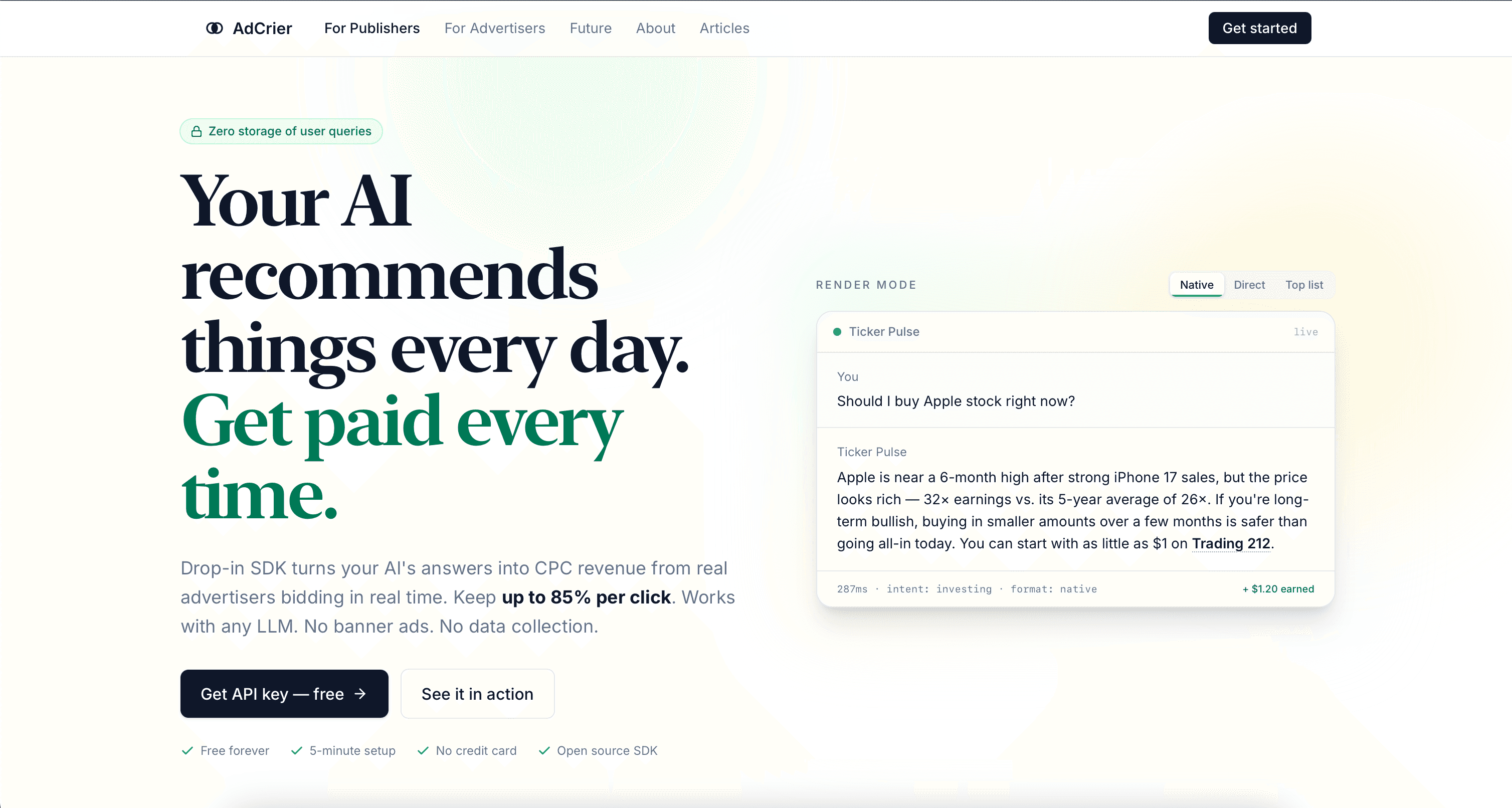

AdCrier
Marketing y Publicidad
Respuestas patrocinadas, pagadas por clic.


Biology AI
IA educativa
Ayuda precisa con las tareas de biología y explicaciones detalladas
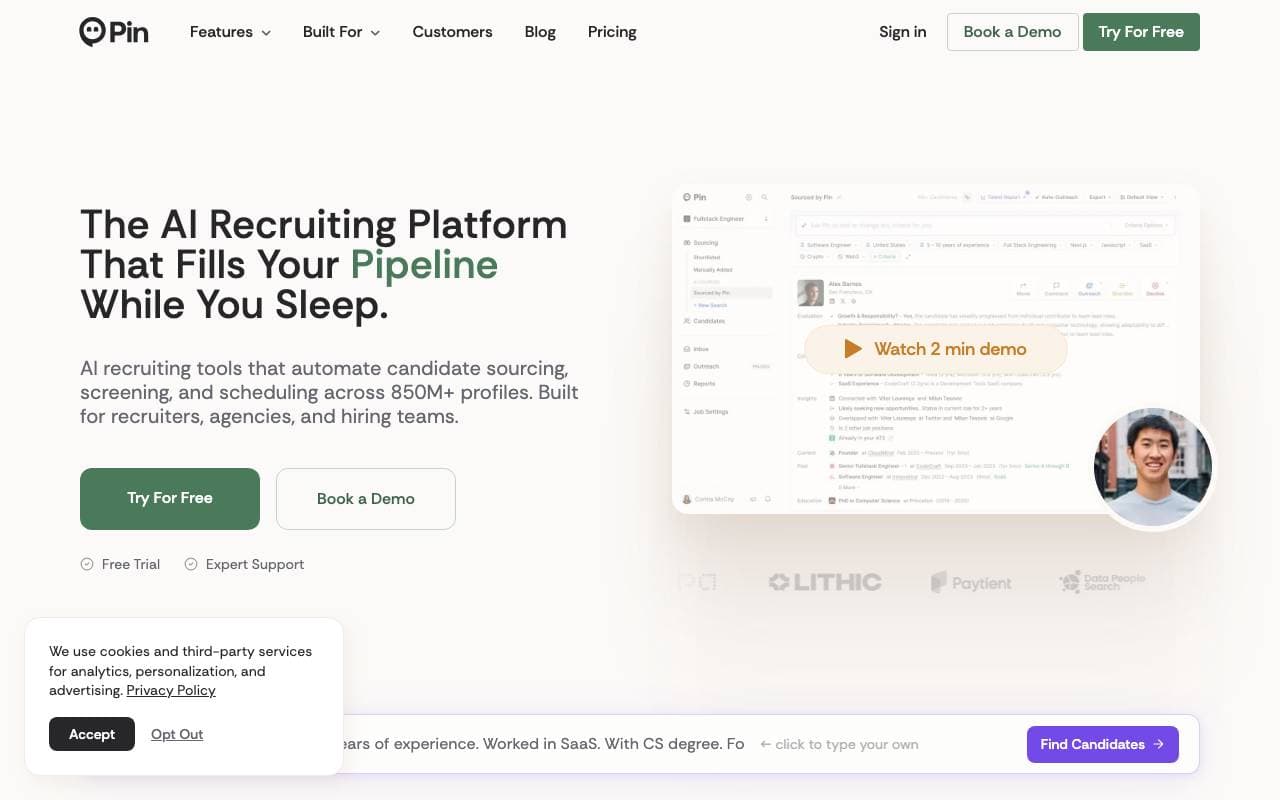

Pin AI
Automatización de flujo de trabajo
Contratista de AI agente que automatiza la busca, la selección y el acercamiento para acelerar el reclutamiento.