Past battle · 2025-09-10 UTC
Software Engineering Showdown — September 10, 2025
From the Software Engineering category. 25 marks placed across 7 fighters. Potpie took the crown.
Final standings
The line-up
The fighters
Profiles of every tool that competed in this battle, ranked by their final score.

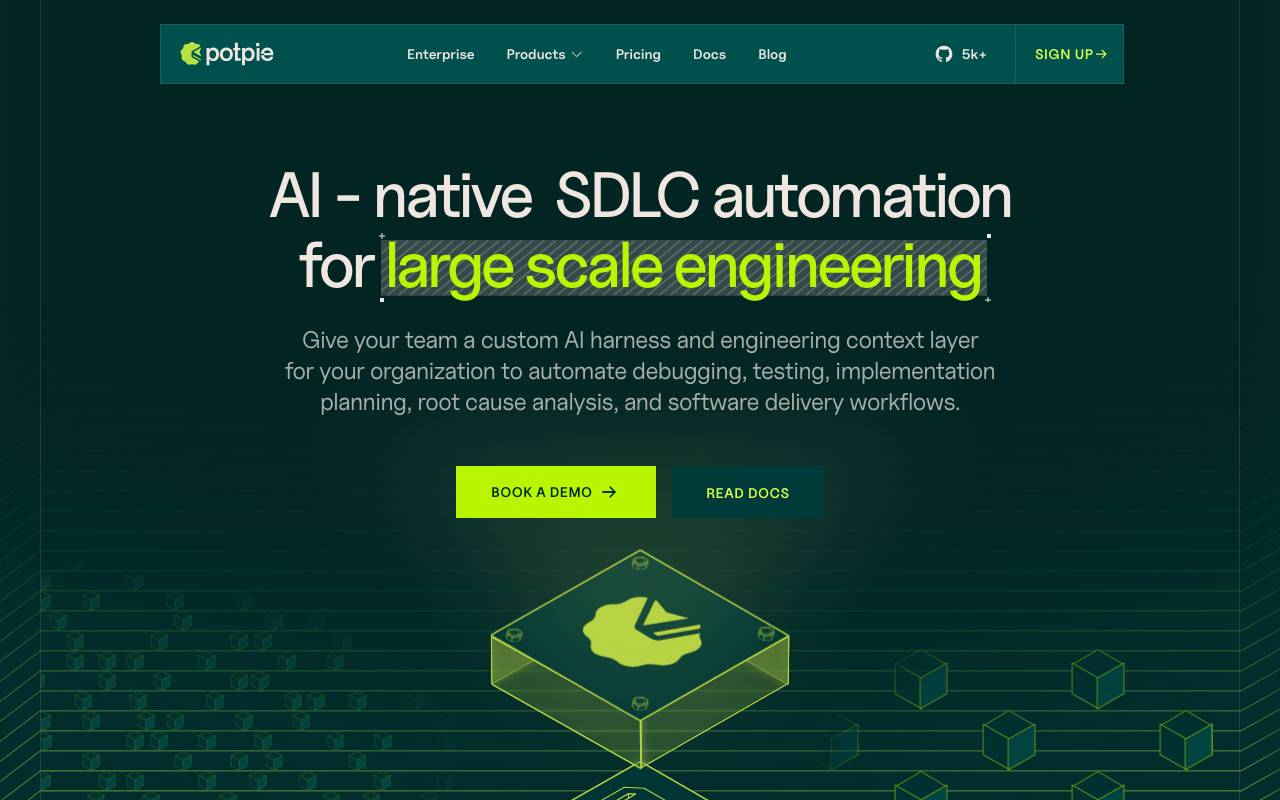
Potpie is a native SDLC automation solution for large-scale engineering, providing a custom AI harness and engineering context layer for organizations. It allows teams to automate debugging, testing, implementation planning, root cause analysis, and software delivery workflows. Potpie's AI is deeply aware of a codebase, knowledge graph, logs, PRs, and workflows, enabling a full suite of enterprise-grade agents to streamline development processes and seamlessly connect services. The tool tackles the challenges of complex engineering by providing real codebase-aware intelligence. It can build a feature from scratch, automate workflows, and integrate with popular services like Slack, GitHub, and Notion. Additionally, Potpie offers error analysis and troubleshooting capabilities, allowing developers to directly interact with AI-powered assistance in their team channels.
Criteria breakdown
- Codebase-aware AI agents
- Prebuilt agents for common dev tasks
- Custom agent builder
- Integration with Git workflows
- Code review and debugging assistance
- Documentation generation
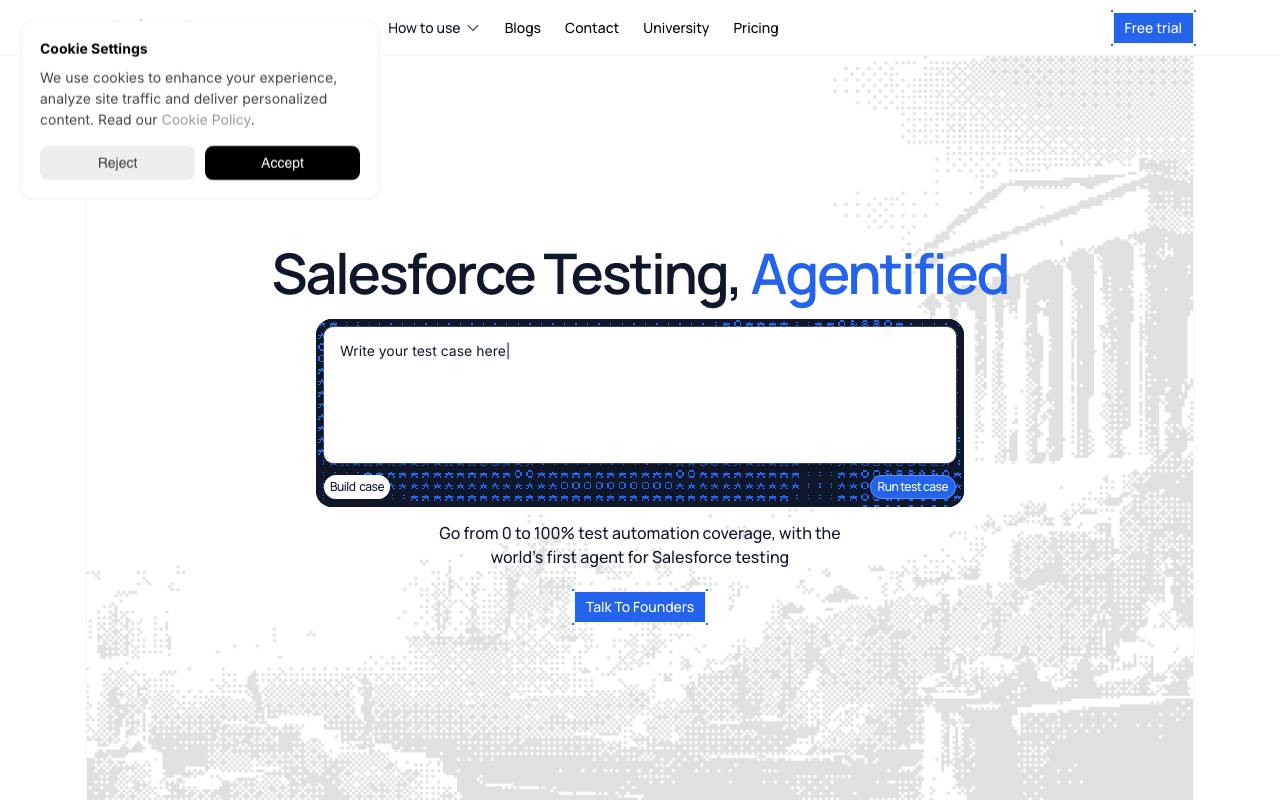
TestZeus is an AI-powered testing platform built specifically for Salesforce environments. It lets QA teams and admins create end-to-end tests in plain language, without writing or maintaining brittle test scripts, while the underlying agent adapts to UI and metadata changes automatically. The tool focuses on reducing the operational overhead of Salesforce QA, where frequent releases, custom objects, and dynamic components often break traditional automation. By interpreting intent rather than relying on fixed selectors, TestZeus aims to keep test suites stable across org changes, sandbox refreshes, and seasonal Salesforce updates. It fits into CI/CD pipelines and existing release workflows, giving teams faster feedback on regressions and broader coverage of Salesforce business processes such as Sales Cloud, Service Cloud, and custom Lightning apps.
Criteria breakdown
- Natural language test creation
- AI-driven self-healing locators
- Salesforce metadata and DOM awareness
- CI/CD and pipeline integration
- Coverage for Sales, Service, and custom Lightning apps
- Reusable test flows and data setup
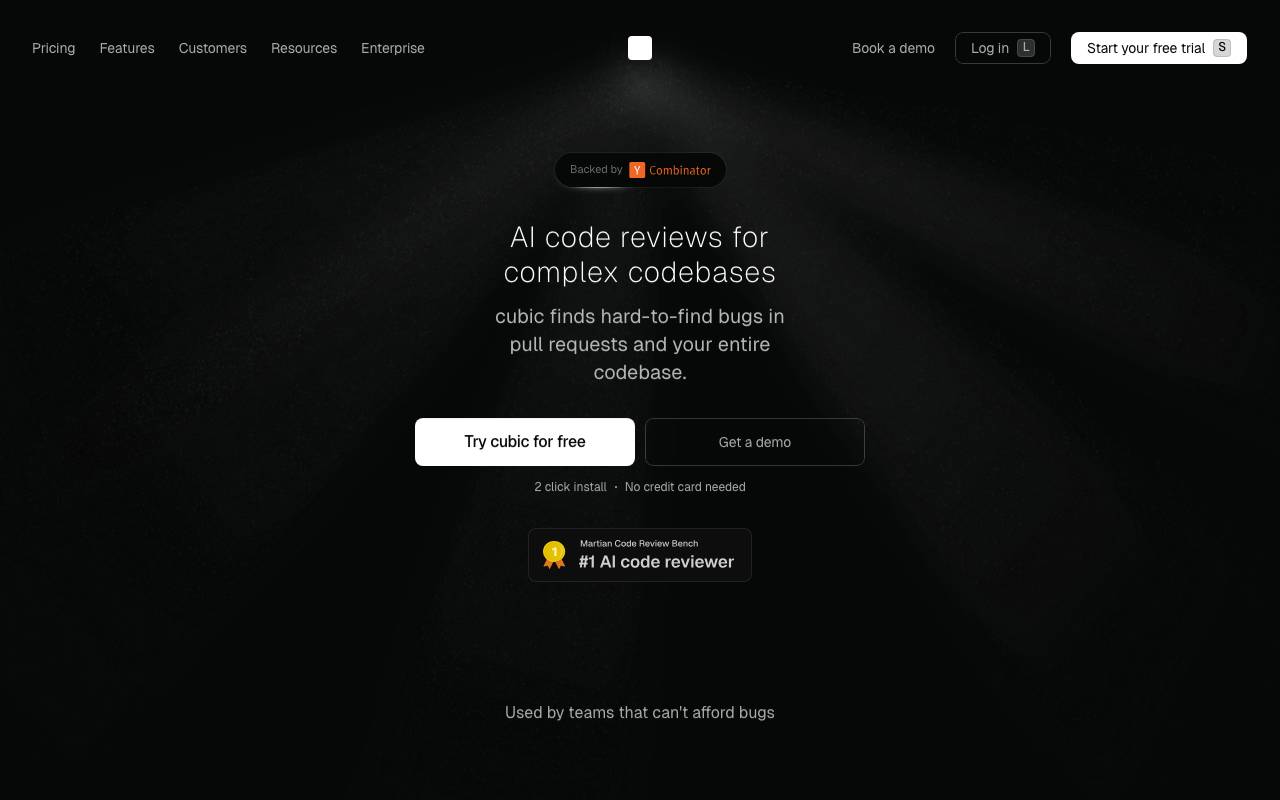
cubic is an AI-powered code review tool designed to help engineering teams move faster without sacrificing quality. It automatically analyzes pull requests, surfaces likely bugs, and offers actionable suggestions so reviewers can focus on higher-level decisions instead of routine checks. By integrating into existing development workflows, cubic reduces the back-and-forth typically associated with code review. It flags issues early, provides context-aware feedback, and helps maintain consistent standards across a codebase, making it useful for both small teams and larger engineering organizations.
Criteria breakdown
- Automated AI code review on pull requests
- Bug and issue detection
- Inline suggestions and comments
- Workflow integration with Git platforms
- Faster PR review cycles
- Consistent code quality checks

PureCode AI
AI assistant for understanding, maintaining, and modernizing legacy codebases.
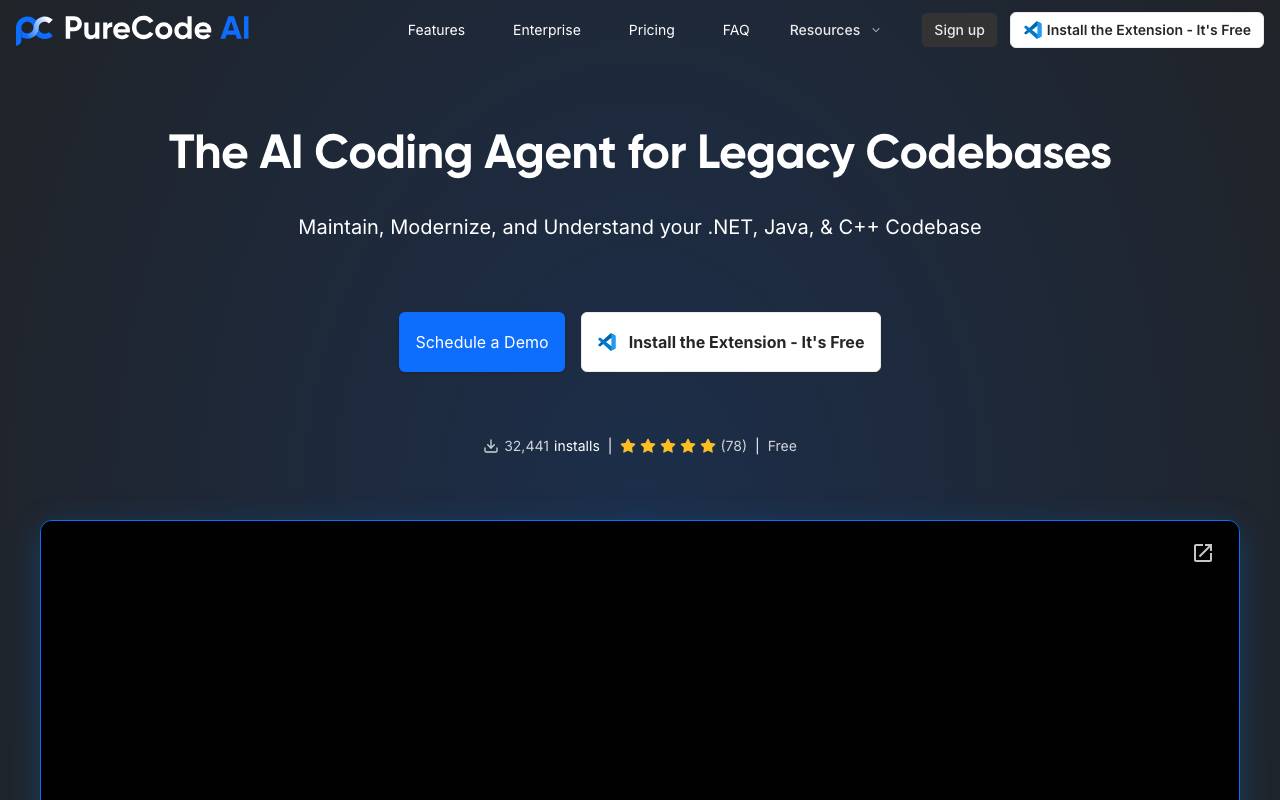
Imagine a single control plane that spawns agents to write code for you, the way you write code. Collaborate, integrate into your process, and ensure production-grade code without the need to teach the AI. It works for ALL workflows (web, microservices, containers) and enables you to bring AI into legacy codebases without breaking: architecture, security, coding practices, CI-CD Integration Testing, and testing, and across languages and frameworks.
Criteria breakdown
- Code explanation and summarization
- Refactoring and modernization suggestions
- Legacy-to-modern framework migration help
- Automated documentation generation
- Codebase navigation and context retrieval
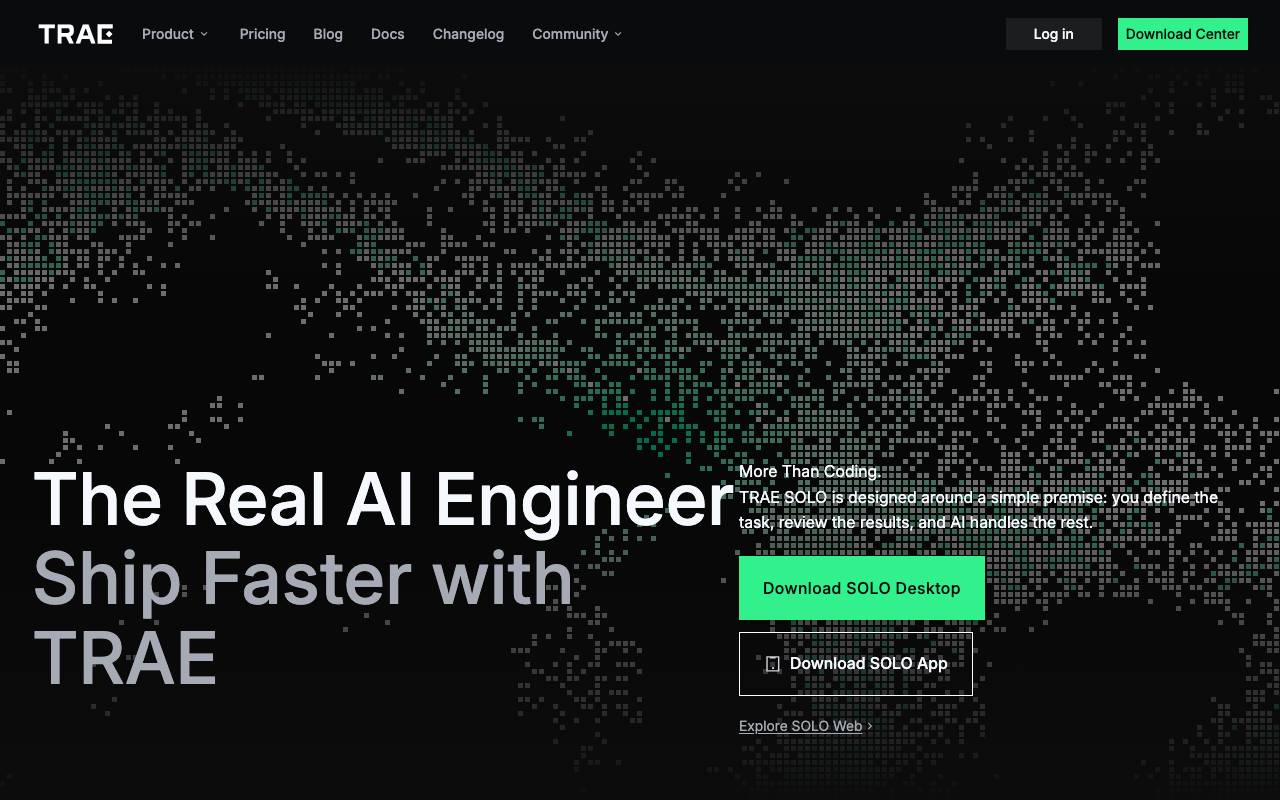
TRAE is an AI-powered engineering assistant designed to take software projects from idea to working code. It interprets requirements in natural language, plans implementation steps, and generates the underlying codebase, allowing developers and non-developers alike to move faster from concept to deliverable. Beyond simple code generation, TRAE aims to act as a collaborative engineer, handling tasks such as refactoring, debugging, and iterating on existing projects. It can work across multiple files and frameworks, adapting to the structure of your project while keeping a human in the loop for review and direction. The tool is positioned for teams and individuals who want to accelerate development workflows, prototype ideas quickly, or offload repetitive engineering tasks without sacrificing control over the final output.
Criteria breakdown
- Natural language to code generation
- Autonomous task planning and execution
- Multi-file project understanding
- Debugging and refactoring assistance
- Iterative collaboration with developers
Pythagora
AI platform that builds and deploys full-stack web apps from natural language prompts.
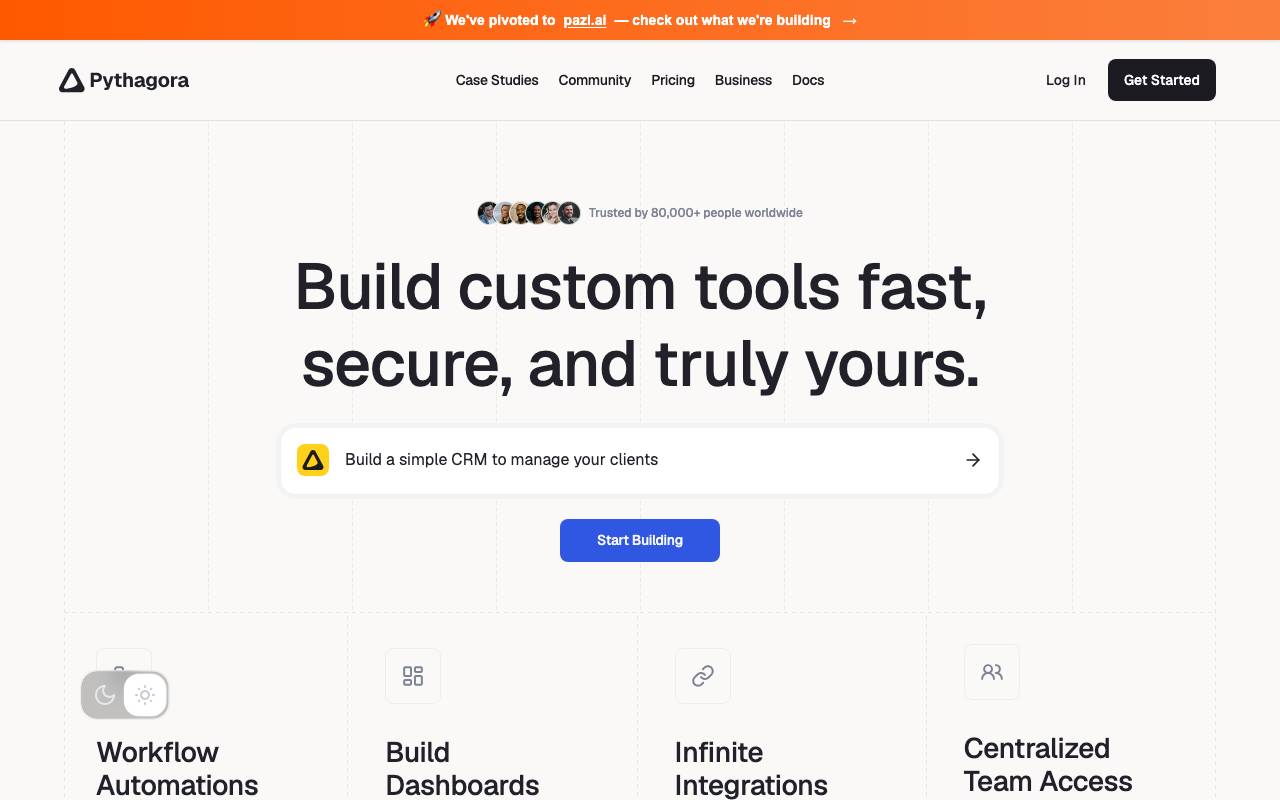
Pythagora is an AI-driven development platform that turns plain-language prompts into working web applications. Instead of scaffolding code by hand, users describe what they want and Pythagora generates the front end, back end, and database structure, then iterates with them through follow-up instructions. The platform is aimed at founders, product teams, and developers who want to move from idea to deployed prototype quickly. It handles tasks like setting up routes, wiring up APIs, and pushing the finished project to a live environment, while still allowing technical users to inspect and edit the underlying code.
Criteria breakdown
- Prompt-to-app generation
- Front-end and back-end scaffolding
- Automated deployment workflow
- Conversational iteration and edits
- Database setup and integration
- Editable underlying codebase
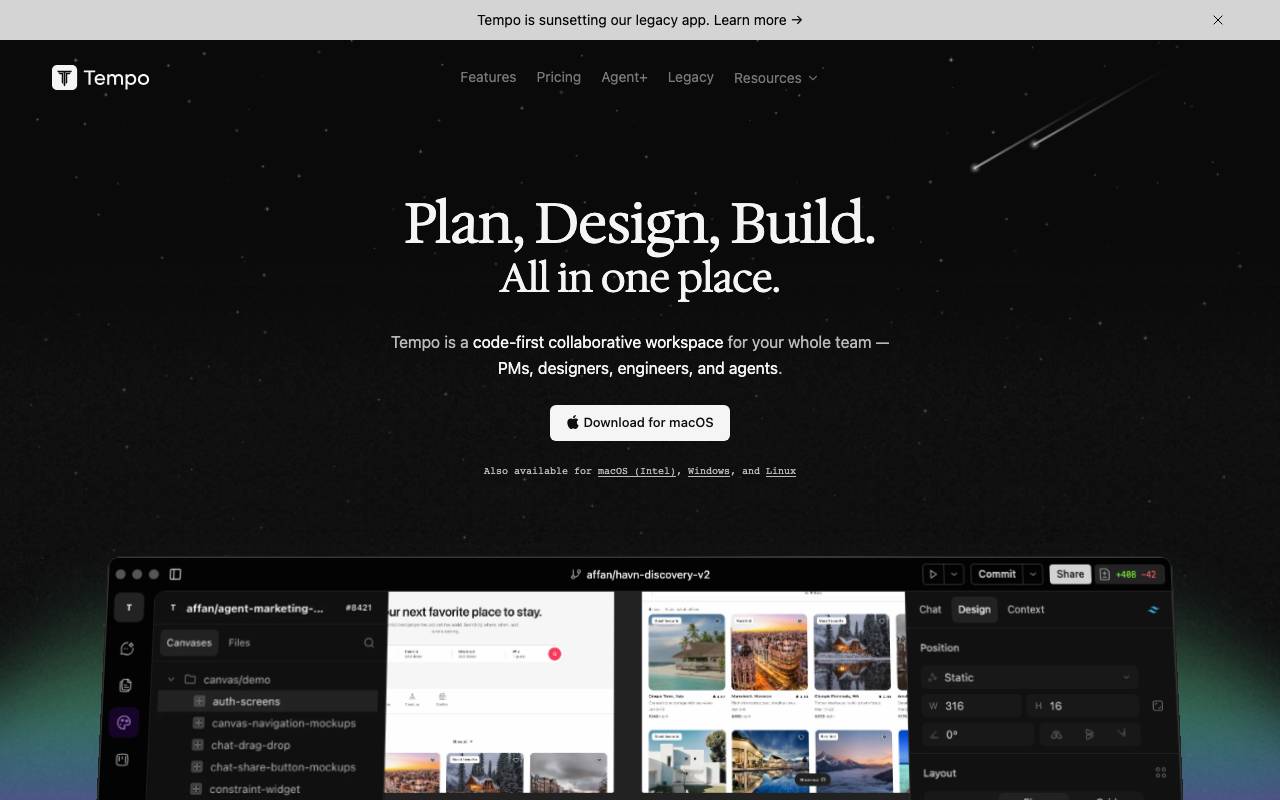
Tempo is a development environment that combines AI code generation, visual design, and a live React codebase so teams can prototype and build production apps in one place. Instead of switching between Figma, an IDE, and AI chat tools, developers and designers work on the same components and see changes reflected in real code. The platform targets React projects specifically, generating clean component code that integrates with existing repositories. It is aimed at startups and product teams that want to move quickly from idea to working UI without sacrificing code quality or developer control.
Criteria breakdown
- AI-powered React component generation
- Visual editor synced with code
- Live preview of changes
- Git and codebase integration
- Reusable component library
- Collaborative design-to-code workspace