Past battle · 2026-01-02 UTC
Computer Vision Showdown — January 2, 2026
From the Computer Vision category. 18 marks placed across 5 fighters. Nauto took the crown.
Final standings





The line-up
The fighters
Profiles of every tool that competed in this battle, ranked by their final score.

Nauto
AI-powered fleet safety platform that predicts and prevents collisions in real time.
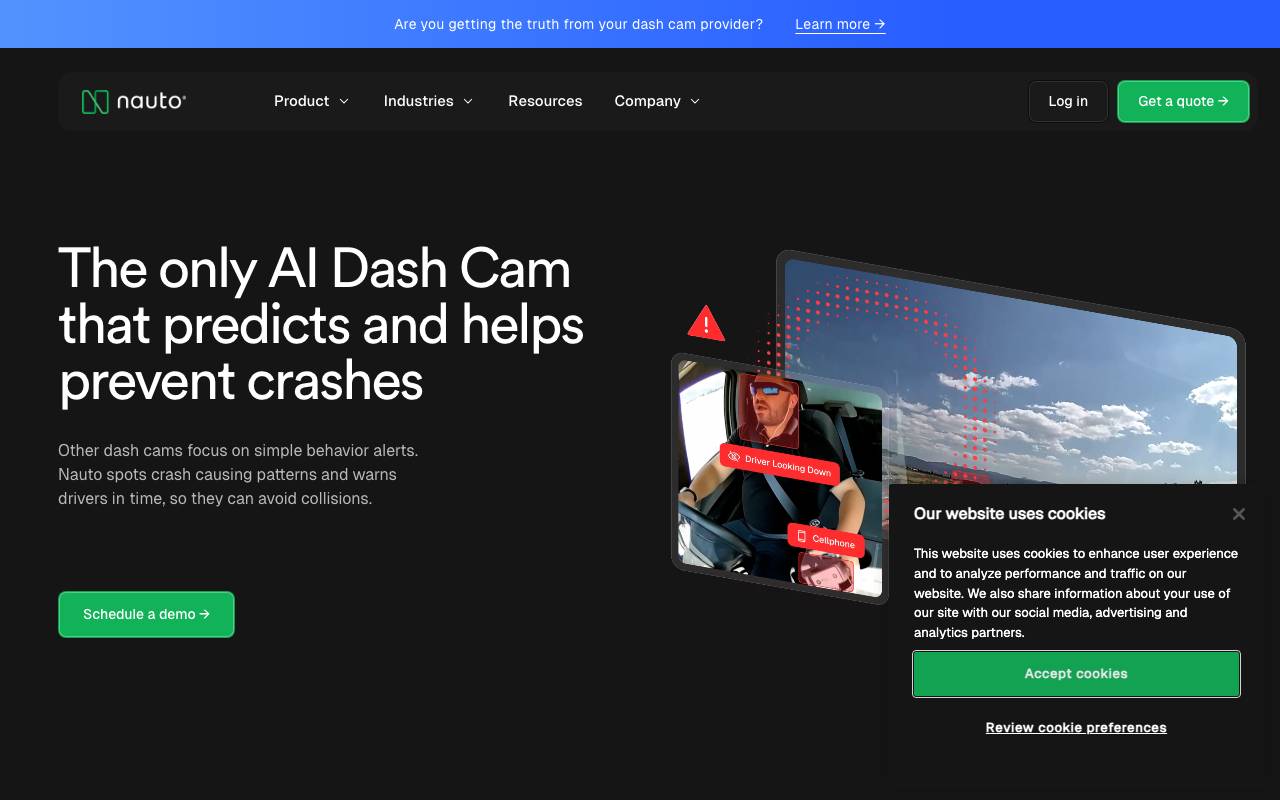
Nauto is a fleet safety system that uses AI-driven dual-facing cameras and onboard sensors to monitor both driver behavior and the road ahead. By analyzing signals like distraction, drowsiness, tailgating, and sudden braking, it issues real-time, in-cab alerts to help drivers correct risky habits before incidents occur. Fleet managers gain access to a cloud dashboard with video evidence, risk scoring, and coaching tools that support targeted driver training and exoneration in disputed events. The platform is designed for commercial fleets aiming to reduce collision rates, lower insurance costs, and improve overall road safety.
Criteria breakdown
- Dual-facing AI dash cam
- Real-time driver distraction and drowsiness detection
- Forward collision and tailgating warnings
- Cloud-based fleet risk dashboard
- Video event recording and review
- Driver coaching and performance scoring

FemaleSwitch
AI face-swap tool focused on female face transformations for images and videos.
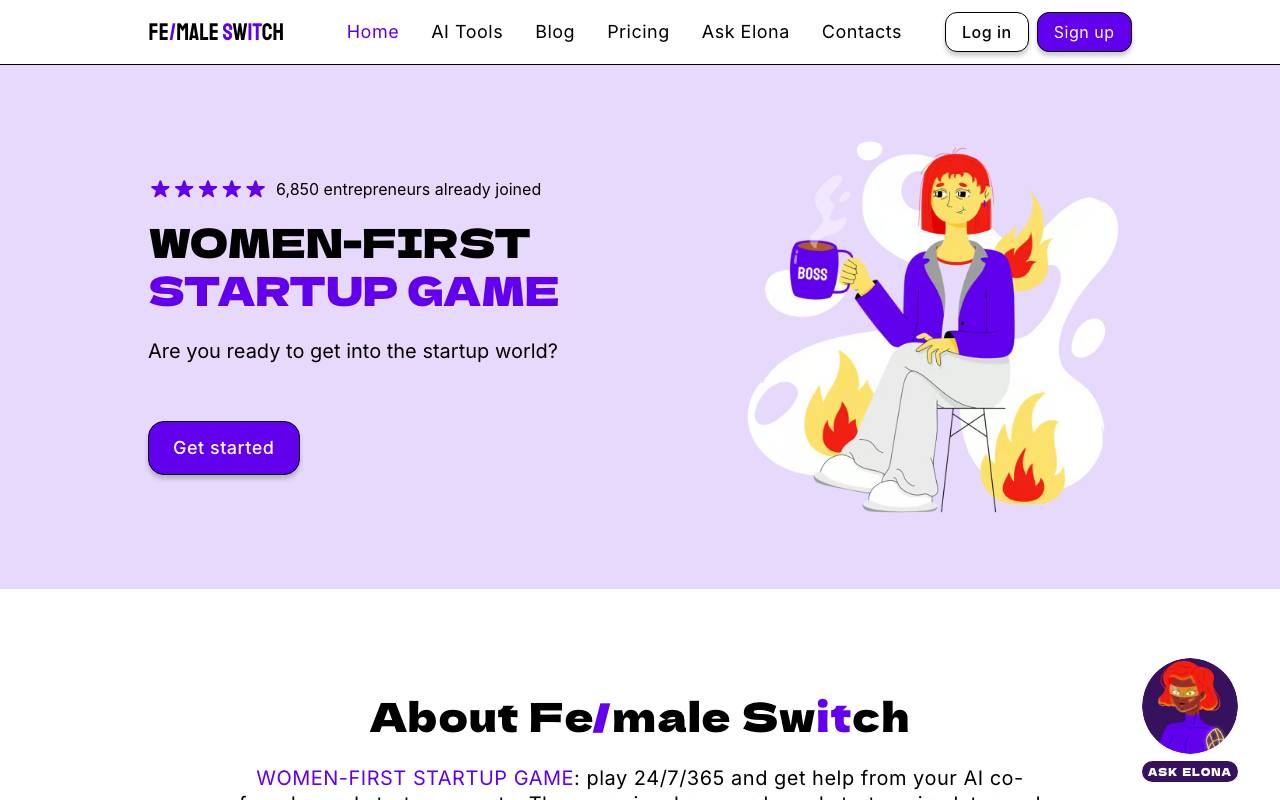
FemaleSwitch is an AI-powered face-swapping platform that lets users replace faces in photos and video clips, with a particular emphasis on female face transformations. It uses deep learning models to blend facial features, lighting, and expressions so the swapped result looks natural across different angles and scenes. The tool is aimed at creators experimenting with character design, entertainment content, cosplay previews, and visual effects. Users typically upload a source face and a target image or video, then let the system process the swap automatically without needing manual editing skills. As with any deepfake technology, responsible use is essential. FemaleSwitch outputs should respect consent, likeness rights, and platform policies, and are not intended for harassment, impersonation, or non-consensual content.
Criteria breakdown
- AI-driven face detection and alignment
- Image-to-image face swapping
- Video face swap processing
- Expression and lighting blending
- Browser-based workflow
- Batch or multi-frame handling

Humane AI
Wearable AI pin offering screen-free, voice-first computing for everyday tasks.
Humane AI is the maker of the AI Pin, a small wearable device that clips onto clothing and delivers smartphone-like capabilities without a traditional screen. It relies on voice commands, gesture controls, and a laser projection system that beams a simple interface onto the user's palm. The device is designed to handle tasks like messaging, calls, translation, music playback, and contextual questions through an AI assistant. By moving interactions away from a phone display, Humane positions the Pin as a more ambient, attention-friendly way to use AI throughout the day. It targets users curious about post-smartphone form factors, including early adopters, productivity enthusiasts, and those exploring hands-free AI hardware in real-world settings.
Criteria breakdown
- Voice-controlled AI assistant
- Laser ink palm projection display
- Touchpad with gesture input
- Built-in camera and microphone
- Real-time language translation
- Cellular connectivity without a phone

Roboco AI
Autonomous AI agent framework for building task-driven robotics applications.
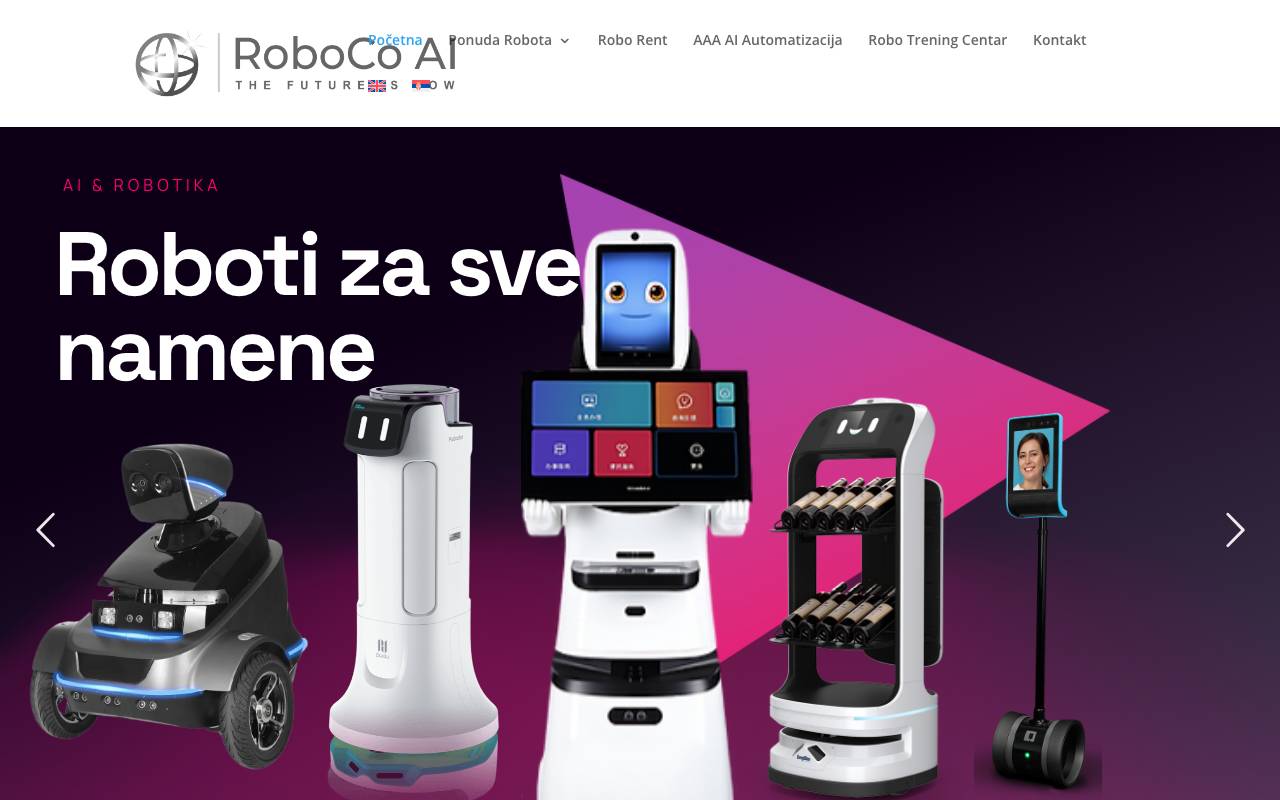
Roboco AI is a developer-focused framework for creating autonomous agents that operate in robotics contexts. It provides the scaffolding needed to design, coordinate, and deploy agents capable of planning and executing real-world tasks across hardware and simulated environments. The framework emphasizes modularity, letting teams compose perception, reasoning, and control components into cohesive autonomous workflows. By bridging large language model reasoning with robotic task execution, Roboco AI aims to accelerate prototyping of intelligent automation systems for both research and industrial use cases.
Criteria breakdown
- Autonomous agent orchestration
- Task planning and execution
- Robotics-oriented integrations
- Modular component design
- Multi-agent coordination support
- Extensible developer APIs

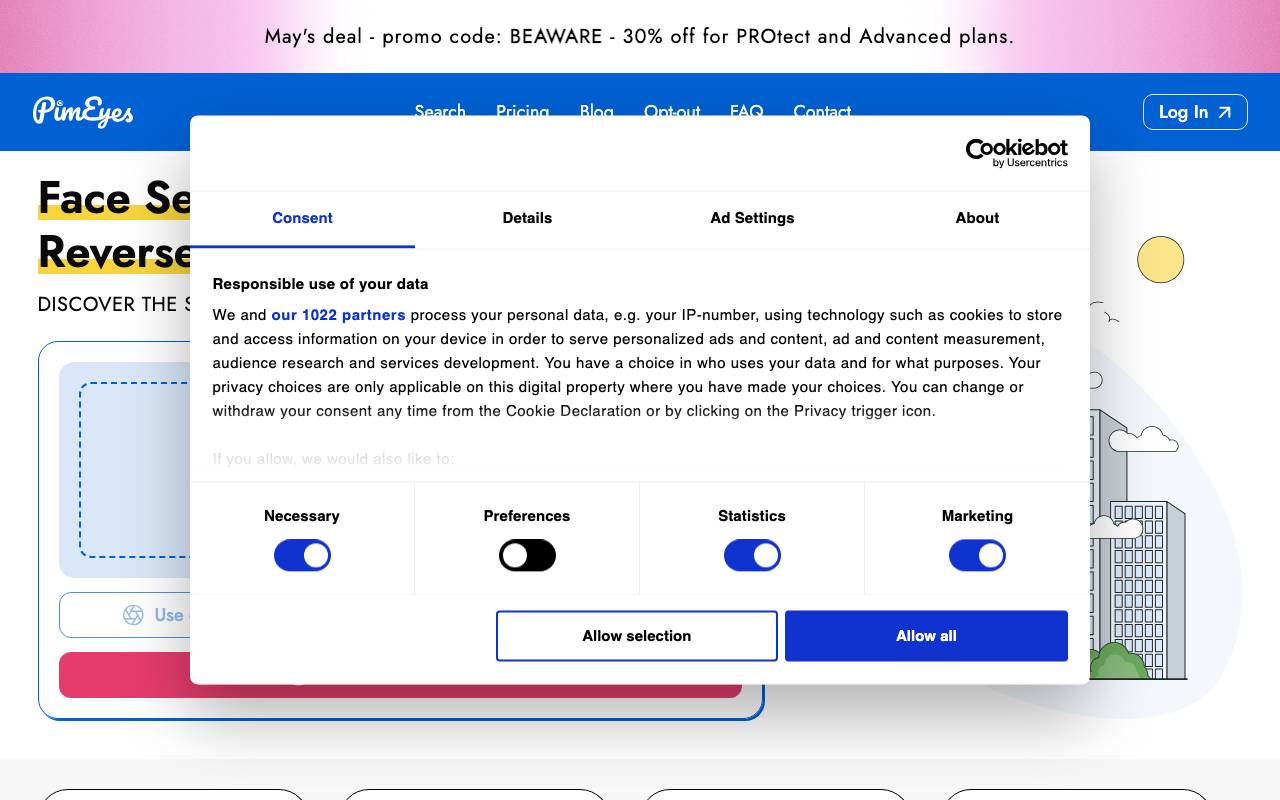
PimEyes is a facial recognition search tool that lets users upload a photo and locate other images of the same face published across public websites. It uses deep learning to match facial features rather than relying on names, tags, or metadata, returning links to the pages where matches appear. The service is commonly used for personal privacy monitoring, reputation management, and verifying how one's likeness is being used online. Paid plans unlock full source URLs, deeper result sets, alerts for new matches, and takedown assistance through its PROtect service. Because facial recognition raises significant ethical and legal questions, PimEyes restricts searches to faces and offers an opt-out process, though its accuracy and accessibility have drawn both praise from privacy-conscious users and criticism from regulators and advocacy groups.
Criteria breakdown
- Reverse image search by face
- Public web crawling for photo matches
- Email alerts for new appearances
- PROtect takedown assistance
- Opt-out request system
- Multiple subscription tiers