
VoyagerLLM-powered autonomous agent that learns and explores in Minecraft without human input.

Overview
Key features
- Automatic curriculum for goal generation
- Iterative prompting with environment feedback
- Growing skill library of executable code
- LLM-driven planning and reasoning
- Open-ended exploration in Minecraft
- Research-oriented, open-source implementation
Pricing
- Model
- Free
- Category
- Gaming
- Rating
- 4.8 / 5 (5)
Use cases
Benchmark LLM agents in Minecraft
Researchers can evaluate LLM-driven autonomous agents on open-ended Minecraft tasks, comparing tech tree progress, item diversity, and exploration against prior baselines.
Study lifelong skill acquisition
Use Voyager's growing skill library and automatic curriculum to investigate how agents accumulate reusable code-based skills over long horizons without human supervision.
Prototype game AI behaviors
Game AI developers can experiment with LLM-driven planning and iterative code refinement to create autonomous NPCs that set goals and adapt via environment feedback.
Hands-on learning for hobbyists
Hobbyists exploring LLM agents can run Voyager to see transparent, inspectable code actions and learn how prompting loops and curricula drive open-ended exploration.
Pros & Cons
Pros
- Open-ended, lifelong learning without human intervention
- Builds a reusable skill library that compounds over time
- Strong benchmark performance versus prior Minecraft agents
- Transparent, code-based actions are easy to inspect
Cons
- Requires access to a capable LLM API, which can be costly
- Limited to Minecraft as the environment
- Setup and tuning can be technically involved
- Performance depends heavily on prompt and model quality
Battle record
Across 2 battles in the Pantheon.
Last 2 battles
Reviews
Average from 5 ratings.
Sign in to leave a review.

Use it every day
Honestly didn't expect to like it this much. Growing skill library of executable code is exactly what I needed, and builds a reusable skill library that compounds over time. I do wish performance depends heavily on prompt and model quality, but I reach for it almost every day now and it just clicks.
Skeptical, then convinced
I went in skeptical — most tools in this space overpromise. It actually delivers on iterative prompting with environment feedback, and open-ended, lifelong learning without human intervention caught me off guard. Performance depends heavily on prompt and model quality is why this isn't a perfect score, still, I'd recommend giving it a real trial.
Use it every day
Honestly didn't expect to like it this much. Iterative prompting with environment feedback is exactly what I needed, and strong benchmark performance versus prior Minecraft agents. but I reach for it almost every day now and it just clicks.
Compared a few options
Evaluated this against two competitors. Where it wins: iterative prompting with environment feedback and builds a reusable skill library that compounds over time. On balance the feature set — especially automatic curriculum for goal generation — justifies the 5 stars for our use case.
Solid for our team
We rolled this out across the team last quarter and open-ended, lifelong learning without human intervention. Automatic curriculum for goal generation fits neatly into how we already work, and iterative prompting with environment feedback removed a step we used to do by hand. Performance depends heavily on prompt and model quality, which is the main caveat, but it has held up under daily use.
Q&A
What are the main limitations of Voyager's autonomous agent?
Performance depends heavily on the quality and cost of the LLM, it is confined to Minecraft as the only environment, and the open-ended curriculum may require careful tuning to avoid undesired behaviors.
Asked by Tomáš Novák · Dec 20, 2025
Who can realistically use Voyager and what technical skill is required?
The tool targets AI researchers, game AI developers, and hobbyists; users need to be comfortable setting up Python environments, configuring LLM API keys, and tuning prompts, as the setup is technically involved.
Asked by Winifred Adeyemi · Nov 30, 2025
Which Minecraft versions or platforms does Voyager support?
Voyager is built for the standard Java Edition of Minecraft and interacts with the game via its existing modding or server APIs; it does not currently support Bedrock Edition or other game engines.
Asked by Olga Ivanova · Nov 19, 2025
What are the costs associated with running Voyager?
Voyager itself is open-source, but it relies on a capable LLM API (e.g., OpenAI, Anthropic) for planning, and those API calls incur usage fees that can become significant depending on runtime and model size.
Asked by Marcus Bell · Oct 26, 2025
Ask a question
Gaming alternatives

 GCS CheatsGaming
Premium undetected game cheats marketed for competitive online shooters.

 VRChat Avatar MakerGaming
Generate custom VRChat-ready avatars in minutes using AI

 Gamertag GeneratorGaming
Free AI-powered tool for creating unique, personalized gamertags in seconds.

 Happy Oyster AIGaming
Open-ended world model for generating continuous, physics-consistent virtual environments.

 Al Maze GeneratorGaming
Create, solve, and download custom maze puzzles online for classrooms and games.
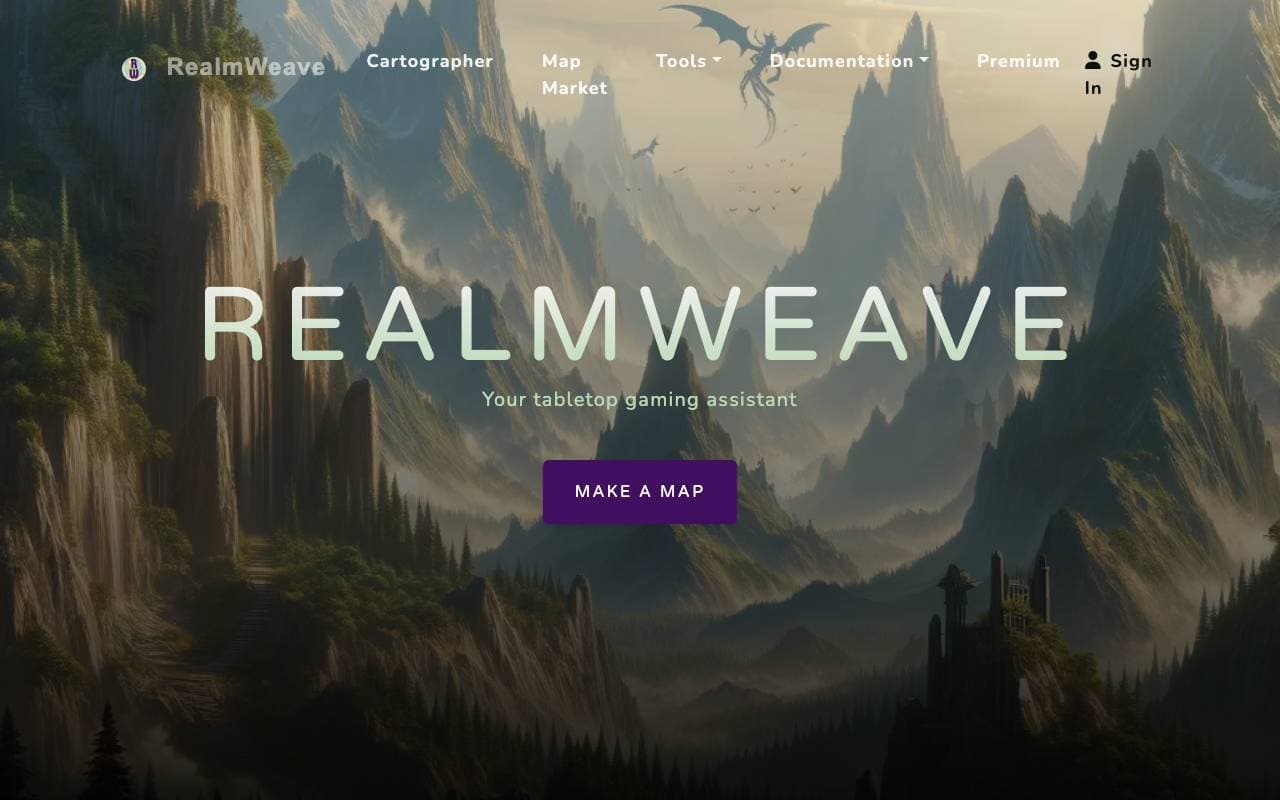
AI co-pilot for tabletop RPG game masters, handling maps, battles, and campaigns.

 Image to 3D AIGaming
Convert 2D images into 3D models in seconds with AI-powered generation.
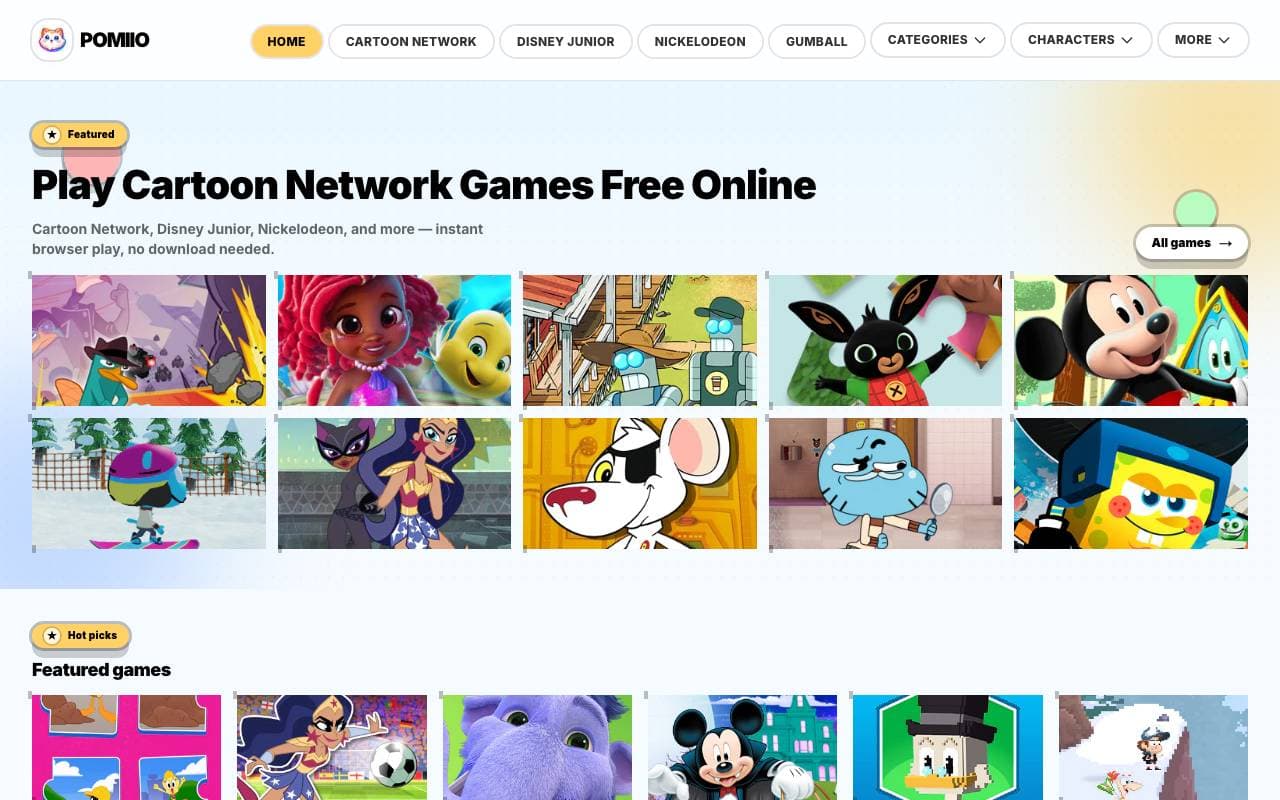
 PomiioGaming
Free browser-based cartoon and kids games, playable instantly with no downloads.
Trending now

 Reducto AIAI Agent Development Platforms
Document intelligence API that parses, splits, OCRs, and extracts structured data from complex PDFs, slides, and spreadsheets.

 AdCrierMarketing & Advertising
Sponsored answers, paid per click.

 Biology AIEducation AI
Accurate Homework Help with Full Explanations

 Pixtral 12B 24.09LLM
Open multimodal 12B model handling interleaved images and text with a 128K context window.