
sigosAI product intelligence that turns scattered customer feedback into revenue-driving insights.

Overview
Key features
- AI-powered theme and topic detection
- Multi-source feedback aggregation
- Revenue and account-level impact scoring
- Trend and sentiment tracking over time
- Roadmap and prioritization insights
- Integrations with CRM and support tools
Pricing
- Model
- Freemium
- Category
- Recommender Systems
- Rating
- 4.8 / 5 (4)
Use cases
Prioritize Product Roadmap with Customer Data
Product teams aggregate feedback from support tickets, calls, and surveys to identify the most-requested features and prioritize roadmap decisions backed by quantified customer demand.
Detect Churn Risks Early
CX teams track sentiment trends and recurring pain points at the account level to flag at-risk customers before they churn and trigger proactive outreach.
Quantify Revenue Impact of Feature Requests
Revenue teams link specific issues and requests to account value, helping leadership understand which fixes or features will unlock or protect the most revenue.
Replace Manual Feedback Tagging
Replace spreadsheets and ad-hoc dashboards with automated AI theme detection, freeing analysts from manually sorting qualitative feedback across multiple tools.
Pros & Cons
Pros
- Centralizes feedback from multiple sources
- Reduces manual tagging and analysis work
- Ties customer signals to revenue impact
- Helps prioritize roadmap decisions with data
Cons
- Value depends on volume and quality of feedback data
- May require integration setup across tools
- Less useful for very small customer bases
Battle record
Across 6 battles in the Pantheon.
Last 5 battles
- #1
Recommender Systems Showdown — March 17, 2026
Mar 17, 2026 · #1 of 4
- #3
Recommender Systems Showdown — May 13, 2025
May 13, 2025 · #3 of 4
- #4
Recommender Systems Showdown — May 2, 2025
May 2, 2025 · #4 of 4
- #1
Recommender Systems Showdown — October 28, 2024
Oct 28, 2024 · #1 of 4
- #2
Recommender Systems Showdown — August 30, 2024
Aug 30, 2024 · #2 of 4
Reviews
Average from 4 ratings.
Sign in to leave a review.
Solid for our team
We rolled this out across the team last quarter and helps prioritize roadmap decisions with data. Integrations with CRM and support tools fits neatly into how we already work, and roadmap and prioritization insights removed a step we used to do by hand. May require integration setup across tools, which is the main caveat, but it has held up under daily use.

Compared a few options
Evaluated this against two competitors. Where it wins: trend and sentiment tracking over time and centralizes feedback from multiple sources. Where it lags: value depends on volume and quality of feedback data. On balance the feature set — especially aI-powered theme and topic detection — justifies the 5 stars for our use case.

Does the job
Pretty happy overall. Multi-source feedback aggregation just works and helps prioritize roadmap decisions with data. but no dealbreakers — I'd recommend it to a friend without hesitating.
Skeptical, then convinced
I went in skeptical — most tools in this space overpromise. It actually delivers on revenue and account-level impact scoring, and reduces manual tagging and analysis work caught me off guard. Value depends on volume and quality of feedback data is why this isn't a perfect score, still, I'd recommend giving it a real trial.
Q&A
"Did that fix work?"
AI measures before/after impact automatically. See if that feature actually drove adoption, if that bug fix reduced churn, with hard numbers. Example Output:"Checkout fix deployed 14 days ago. Complaints down 78%. Revenue recovery: $47K/mo. 2-week payback on engineering time."
Asked by Daniel Schmidt · Oct 28, 2025
"Why are customers churning?"
AI identifies root causes by correlating churn events with feedback, product usage, and behavioral patterns you'd never spot manually. Example Output:"Mobile performance complaints correlate with 65% drop in session time. $890K annual revenue at risk."
Asked by Omar Haddad · Oct 25, 2025
"Is this bug worth fixing?"
AI shows exactly which bugs impact revenue, which cause churn, and which are just noise. Every issue gets a price tag. Example Output:"Auth timeout bug: $47K/mo MRR at risk from 12 enterprise accounts. 87% correlation with churn within 30 days."
Asked by Kwame Mensah · Oct 20, 2025
"What should we build next?"
AI analyzes all feedback, finds patterns in user behavior, ties to revenue impact, and recommends features that will actually drive growth. Example Output:"Advanced analytics requested by 47 users with $84K avg contract value. Users who request this have 3.2x higher LTV."
Asked by Jamal Carter · Oct 12, 2025
What is SigOS?
SigOS is an AI-powered product intelligence platform that connects customer feedback to actual user behavior and business metrics. It helps product teams find signal in the noise and build features that matter.
Asked by Jasper Vermeer · Oct 2, 2025
Ask a question
Recommender Systems alternatives
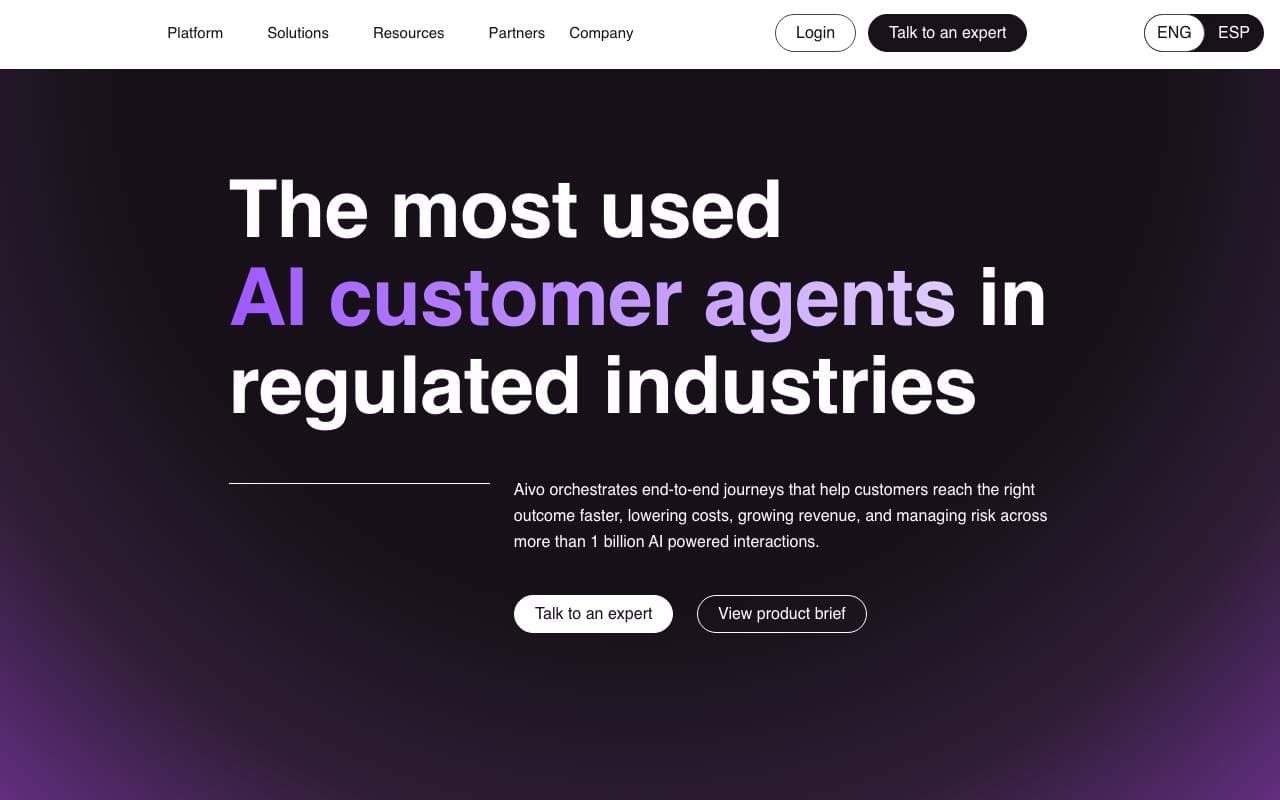

Aivo
Recommender Systems
Conversational AI platform for automating customer service across chat, voice, and messaging channels.

GiftPrompt
Recommender Systems
AI gift recommender that suggests presents matched to a recipient's personality and vibe.
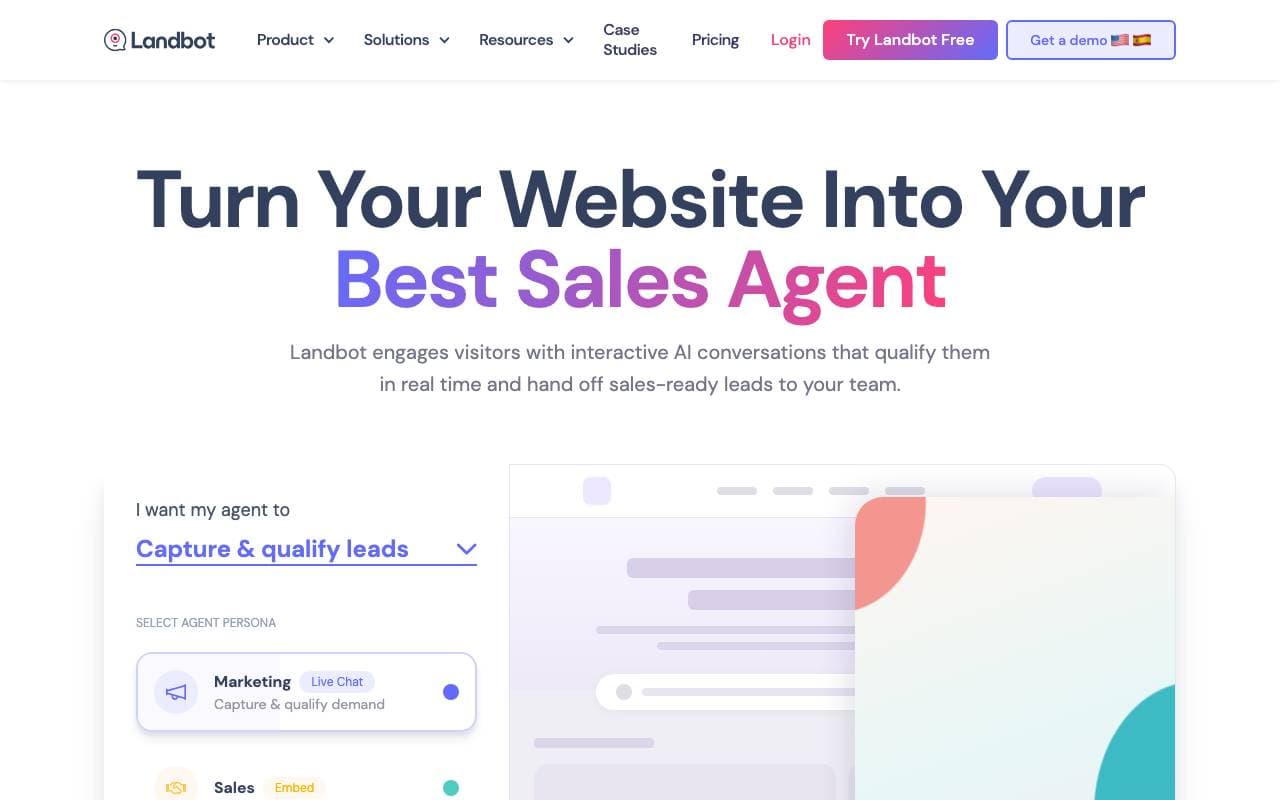

Landbot
Recommender Systems
No-code conversational AI platform for building interactive chatbots across web, WhatsApp, and messaging apps.
Trending now


Reducto AI
AI Agent Development Platforms
Document intelligence API that parses, splits, OCRs, and extracts structured data from complex PDFs, slides, and spreadsheets.
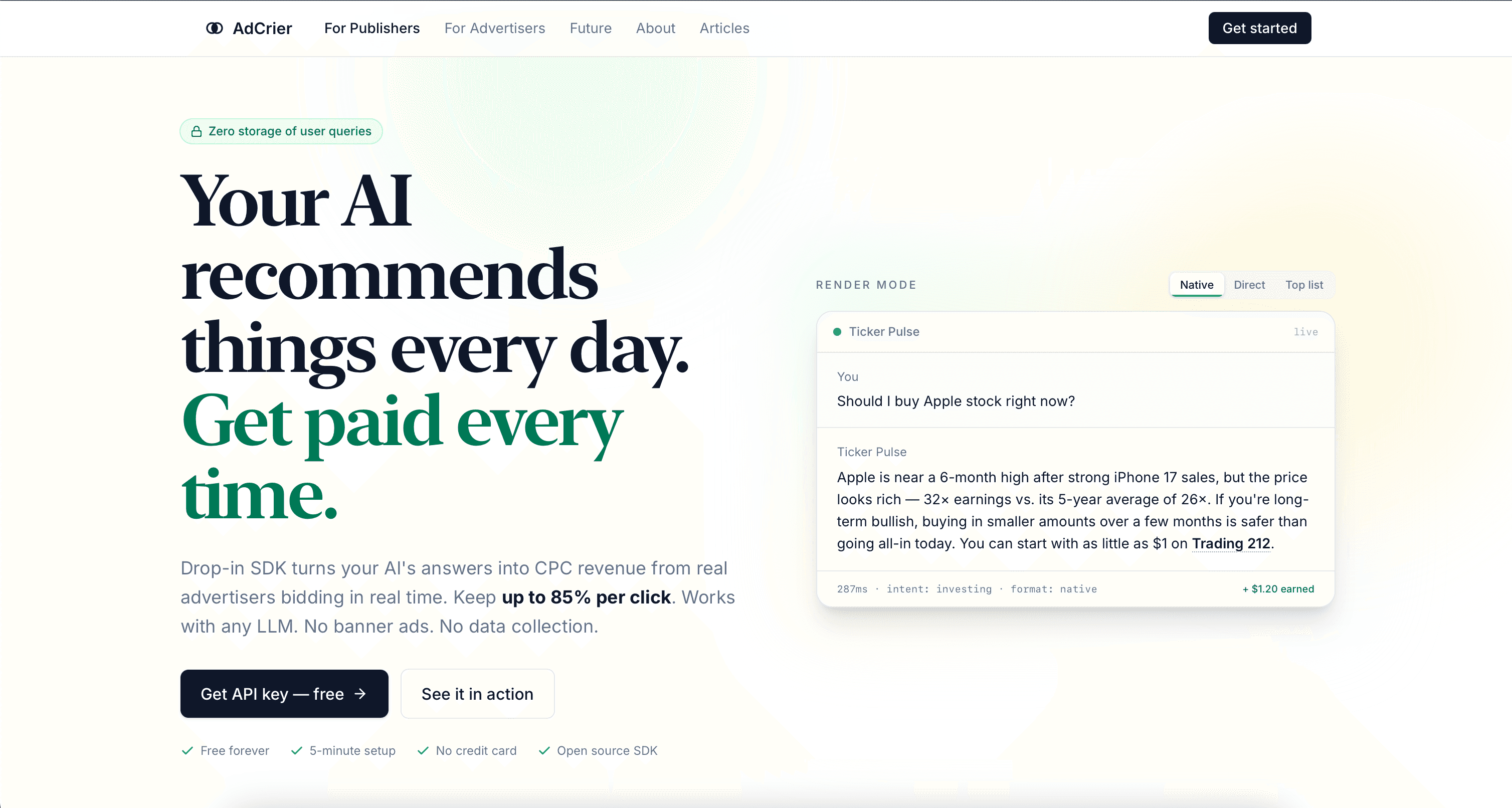

AdCrier
Marketing & Advertising
Sponsored answers, paid per click.


Biology AI
Education AI
Accurate Homework Help with Full Explanations


Pixtral 12B 24.09
LLM
Open multimodal 12B model handling interleaved images and text with a 128K context window.