
Lutra AIBuild no-code AI workflows from plain English instructions across your business apps.

Overview
Key features
- Plain-English workflow creation
- Multi-step AI automation
- Integrations with business and productivity apps
- Conversational workflow editing and iteration
- Reusable and shareable automations
- Built-in data extraction and enrichment
Pricing
- Model
- Freemium
- Category
- Sales Agent
- Rating
- 4.8 / 5 (5)
Use cases
Automate Lead Enrichment for Sales Teams
Describe in plain English how to pull new leads from a CRM, enrich them with company data, and route qualified prospects to reps, without writing code or managing APIs.
Summarize and Route Inbound Emails
Build a workflow that reads incoming emails, extracts key details, summarizes content, and forwards them to the right team channel or document based on topic.
Streamline Market Research Tasks
Set up reusable automations that gather information from multiple sources, extract relevant data points, and compile structured summaries for marketing or research teams.
Operations Data Extraction Pipelines
Create multi-step automations that pull data from business apps, clean and transform it, and deliver organized outputs to spreadsheets or databases for ops workflows.
Pros & Cons
Pros
- No coding required to build workflows
- Natural language interface lowers the learning curve
- Connects with common SaaS and productivity tools
- Good for repetitive data and research tasks
- Faster prototyping than traditional automation builders
Cons
- Complex logic may still need manual refinement
- Dependent on quality of natural language prompts
- Integration coverage may be limited for niche tools
- Less granular control than code-based automation
Battle record
Across 1 battle in the Pantheon.
Last battle
Reviews
Average from 5 ratings.
Sign in to leave a review.
Use it every day
Honestly didn't expect to like it this much. Integrations with business and productivity apps is exactly what I needed, and no coding required to build workflows. but I reach for it almost every day now and it just clicks.
Years in this space
I've evaluated a lot of these over the years. What stands out here is integrations with business and productivity apps — handled better than most — and natural language interface lowers the learning curve. Worth the time if this is your use case.
Does the job
Pretty happy overall. Multi-step AI automation just works and no coding required to build workflows. but no dealbreakers — I'd recommend it to a friend without hesitating.
Compared a few options
Evaluated this against two competitors. Where it wins: built-in data extraction and enrichment and faster prototyping than traditional automation builders. Where it lags: integration coverage may be limited for niche tools. On balance the feature set — especially multi-step AI automation — justifies the 4 stars for our use case.
Does the job
Pretty happy overall. Reusable and shareable automations just works and faster prototyping than traditional automation builders. but no dealbreakers — I'd recommend it to a friend without hesitating.
Q&A
How easy is it to use?
Lutra's natural language interface lowers the learning curve, and its conversational workflow editing allows for faster prototyping and iteration.
Asked by Sami Virtanen · Jul 14, 2026
What are the limits of Lutra's automation?
Complex logic may still need manual refinement, and the quality of natural language prompts can impact automation effectiveness.
Asked by Elif Yildiz · Apr 30, 2026
What are Lutra AI's limitations compared to traditional automation tools?
Complex logic may still require manual refinement, results depend on prompt quality, and integration coverage can be limited for niche tools. It also offers less granular control than code-based automation platforms.
Asked by Hiroshi Tanaka · Apr 23, 2026
What tools does Lutra integrate with?
Lutra AI connects to common productivity and business tools, enabling tasks like data extraction and routing.
Asked by Marisol Pena · Apr 12, 2026
Is coding required?
No, Lutra AI allows users to build workflows using plain English instructions, eliminating the need for coding.
Asked by Elias Hedström · Apr 8, 2026
Ask a question
Sales Agent alternatives
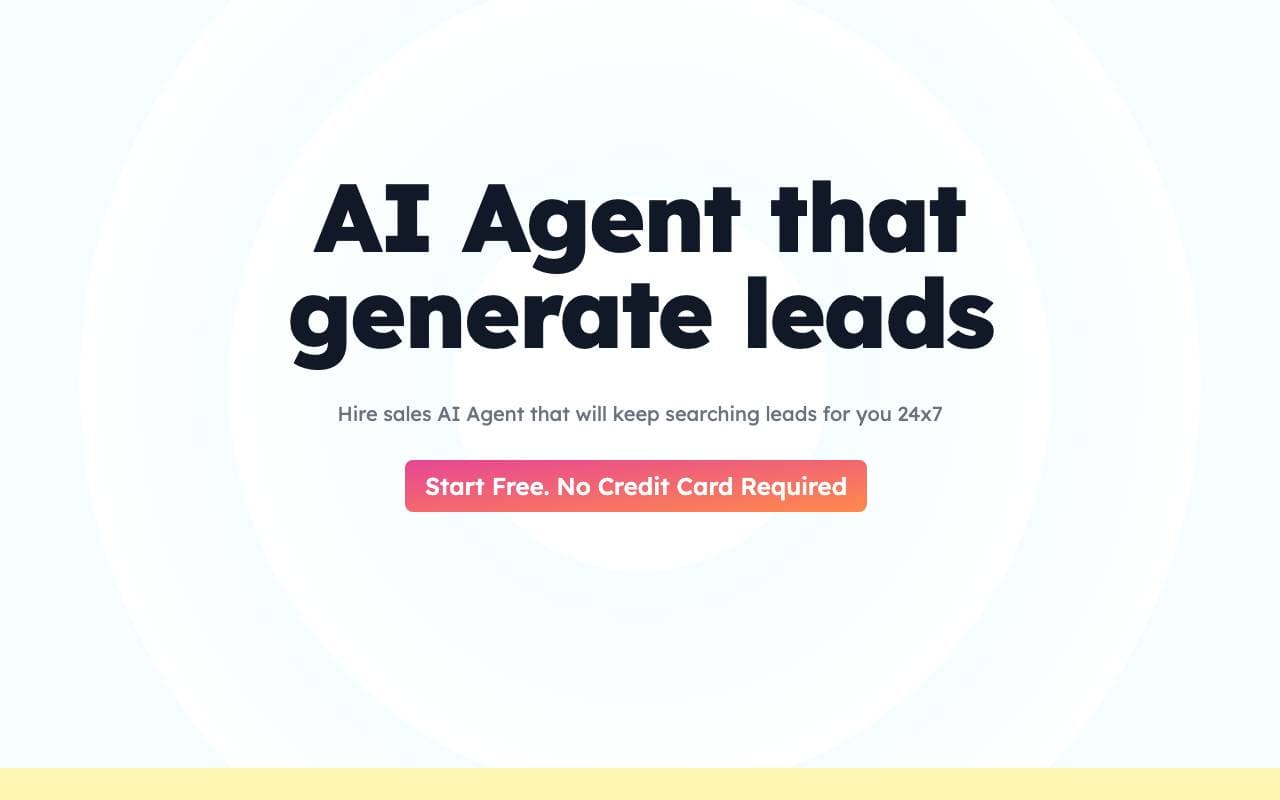
 SalesPikaSales Agent
AI agent that automates outbound lead generation and prospect outreach
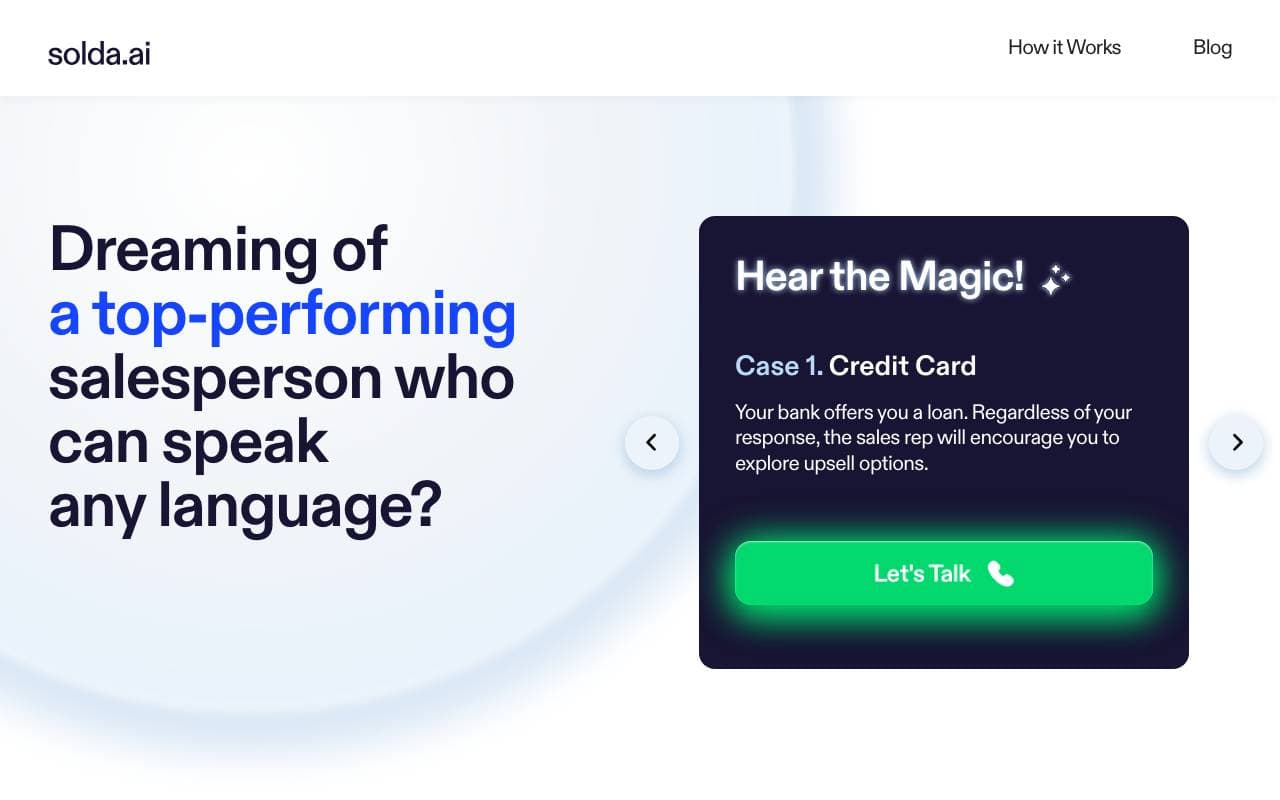
 Solda AISales Agent
An AI-powered platform providing fully automated sales representatives that handle the entire sales process via voice and text, enabling scalable and efficie...

 AiSDR PlatformSales Agent
AI-powered sales development platform that automates outbound prospecting and lead engagement.

 HubSpotSales Agent
Agentic customer platform unifying marketing, sales, and service on a Smart CRM.
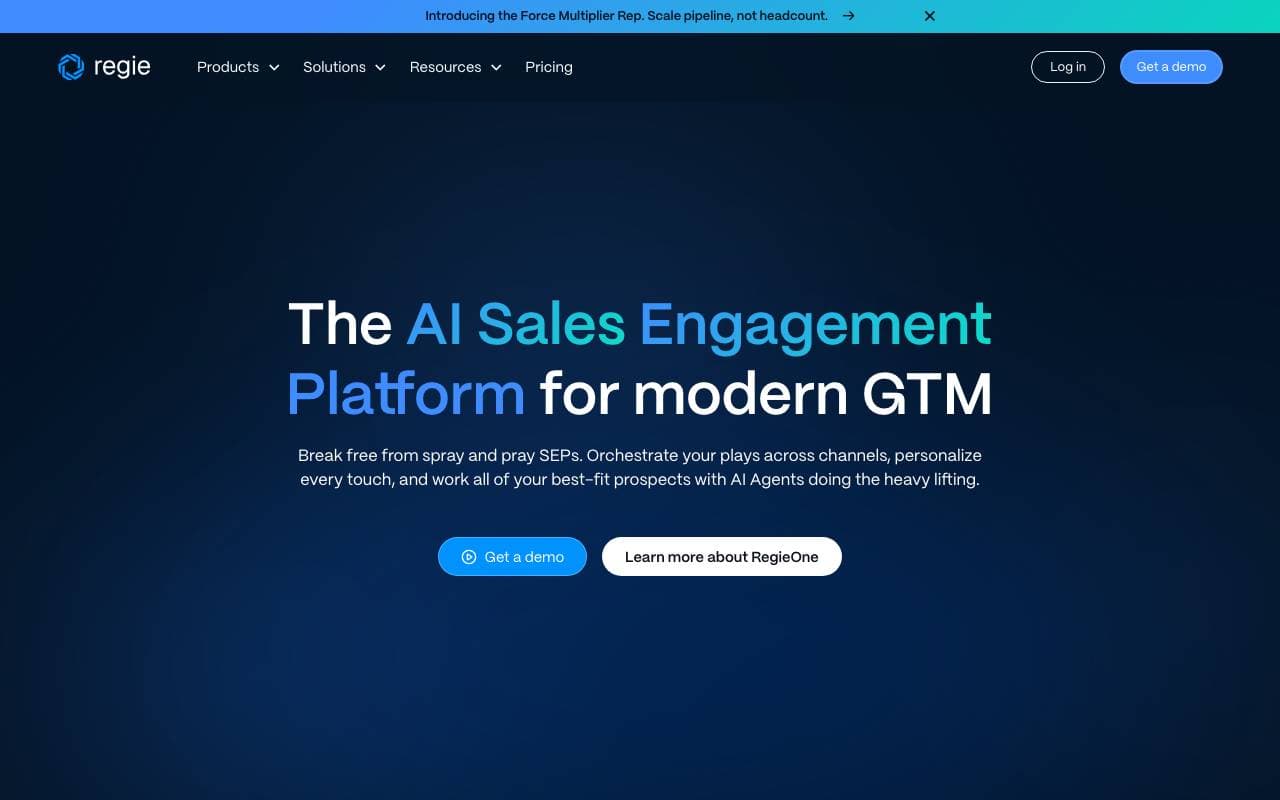
 RegieAISales Agent
AI-powered sales prospecting platform that automates outbound demand generation for enterprise teams.

 Katie AISales Agent
AI-powered SDR agent that automates outbound prospecting and lead engagement.

 Aomni AISales Agent
AI sales research assistant that builds account intelligence for B2B reps.
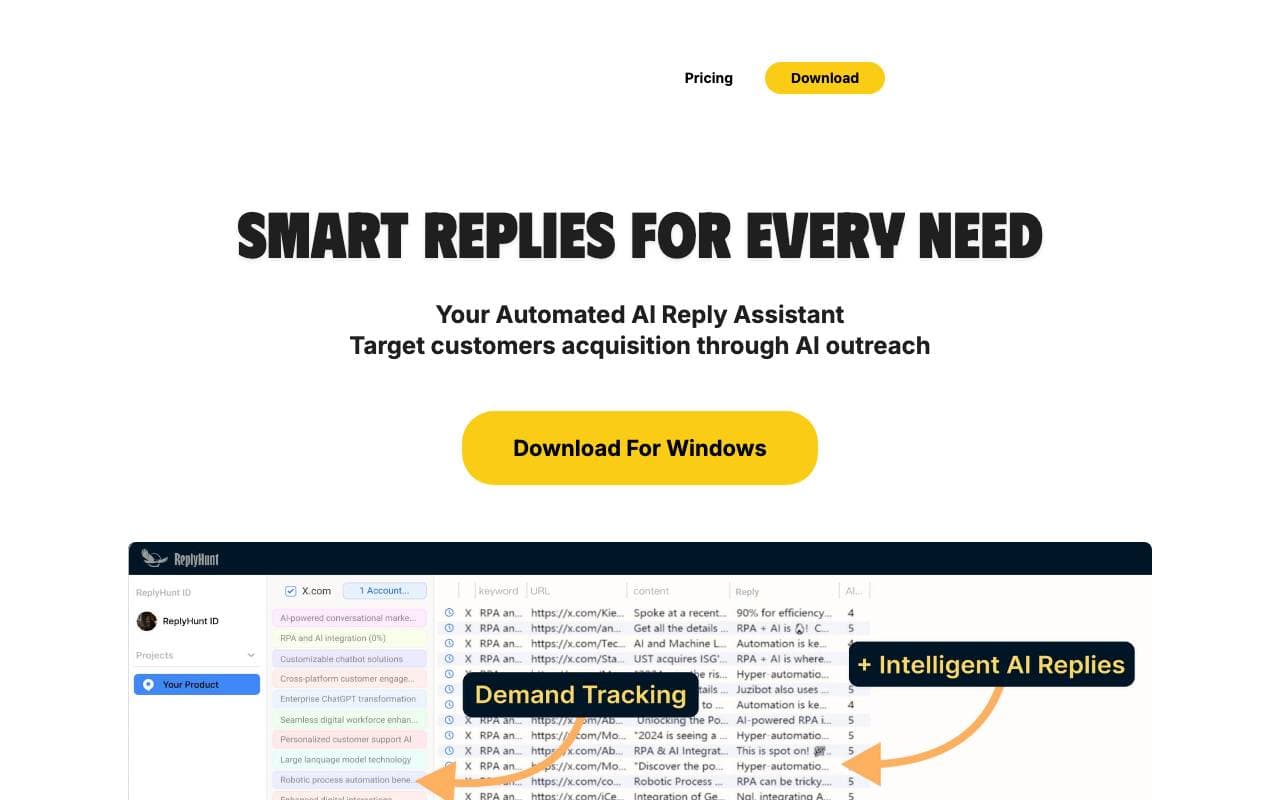
 ReplyHuntySales Agent
AI-powered smart reply generator for emails, messages, and social media
Trending now

 Biology AIEducation AI
Accurate Homework Help with Full Explanations

 Reducto AIAI Agent Development Platforms
Document intelligence API that parses, splits, OCRs, and extracts structured data from complex PDFs, slides, and spreadsheets.

 Pixtral 12B 24.09LLM
Open multimodal 12B model handling interleaved images and text with a 128K context window.
 AdCrierMarketing & Advertising
Sponsored answers, paid per click.