
Triage AgentAI-Agent, der automatisch Probleme erkennen, diagnostizieren und lösen kann.

Übersicht
Hauptfunktionen
- Automatische Erkennung und Klassifizierung von Problemen
- Ursachen-Diagnose von eingehenden Tickets
- Selbstständige Lösung von häufigen Problemen
- Intelligente Routing und Eskalation
- Integration mit Helpdesk- und Ticketing-Plattformen
- Handlungen mit reichhaltigen Kontextinformationen an menschliche Agenten
Preise
- Modell
- Free
- Kategorie
- Customer Service
- Bewertung
- 5.0 / 5 (4)
Anwendungsfälle
Automatisierte Kunden Support Triage
Automatisiert Klassifizierung und Lösung eingehender Kundensupporttickets, die Routine-Probleme ohne menschliche Intervention bearbeiten, um Antwort-Zeiten zu reduzieren
IT-Helpdesk-Probleme-Resolution
Diagnostiziert und löst häufige IT-Probleme wie Zugriffsanfragen oder Systemfehler, was IT-Mitarbeiter dazu bringt, sich auf komplexe Fälle zu konzentrieren
Intelligente Ticket-Routing
Routen komplexe oder eskalierte Tickets an die richtige Mannschaft mit Ursachen-Analysen und Kontext-Detailen, die angeschlossen sind und dazu führen, schneller Handlungen vorzunehmen.
Skalierung der Inneren Dienstwarte
Skalieren ohne die Anzahl der Mitarbeiter zu verdoppeln internen Dienstwarte ohne die Ressourcen zu verdoppeln, repetitive Anfragen über HR, IT und Betriebsabteilung zu automatisieren.
Pro & Contra
Pro
- Automatisiert wiederkehrende Ermittlung und Lösungs-Prozesse
- Verringert die Anwort- und Lösungs-Zeiten von Tickets
- Bietet Diagnostiche Kontextinformationen für eskalierte Probleme
- Skalierungs-Support ohne Verhältnismäßige Wachstum von Ressourcen
- Lässt menschliche Agenten bei komplexen oder wichtigen Fällen frei.
Contra
- Kann bei sehr ungewöhnlichen oder neuen Problemen Schwierigkeiten haben
- Benötigt Integration und Einstellung an bestehende Systeme
- Wirkungsgrad hängt von der Qualität der historischen Daten ab
- Bietet nur beschränkte Transparenz in die automatisierten Entscheidungen
Schlacht-Bilanz
Aus 1 Schlacht im Pantheon.
Last battle
Bewertungen
Durchschnitt aus 4 Bewertungen.
Melde dich an, um eine Bewertung abzugeben.
Use it every day
Honestly didn't expect to like it this much. Automatic issue recognition and classification is exactly what I needed, and scales support without proportional headcount growth. but I reach for it almost every day now and it just clicks.
Does the job
Pretty happy overall. Integration with helpdesk and ticketing platforms just works and scales support without proportional headcount growth. but no dealbreakers — I'd recommend it to a friend without hesitating.
Years in this space
I've evaluated a lot of these over the years. What stands out here is integration with helpdesk and ticketing platforms — handled better than most — and automates repetitive triage and resolution tasks. May struggle with highly unusual or novel issues is my one real gripe. Worth the time if this is your use case.
Use it every day
Honestly didn't expect to like it this much. Intelligent routing and escalation is exactly what I needed, and reduces ticket response and resolution times. I do wish may struggle with highly unusual or novel issues, but I reach for it almost every day now and it just clicks.
Fragen & Antworten
What is AI-powered field service management?
AI-powered field service management uses machine learning and agentic automation to optimize service workflows end to end. It connects service history, asset data, parts catalogs, and policy rules so AI agents can diagnose issues, recommend parts, schedule technicians, and resolve cases with minimal human intervention, improving first-time fix rates and reducing operational costs.
Asked by Tomáš Novák · Jan 13, 2026
How does AI improve aftermarket operations for equipment manufacturers?
AI transforms aftermarket operations by unifying fragmented data across service, parts, warranty, and installed base systems. It automates routine tasks like case triage, parts identification, and warranty validation while providing technicians with contextual guidance, enabling manufacturers to scale service capacity, reduce resolution times, and increase customer satisfaction.
Asked by Ivo Novotný · Dec 21, 2025
What is an agentic workflow in service automation?
An agentic workflow is an AI-driven process where autonomous agents execute multi-step service tasks without constant human oversight. These agents reason over domain-specific data, make decisions based on business rules and historical patterns, and take actions across connected systems to complete tasks like dispatching field technicians or processing warranty claims.
Asked by Idris Suleiman · Dec 20, 2025
What causes repeat truck rolls in field service and how does AI reduce them?
Repeat truck rolls result from misdiagnosis, wrong parts, and incomplete repair instructions. AI reduces return visits by analyzing equipment history and failure patterns to predict required parts with over 90% accuracy and provide technicians with step-by-step diagnostic guidance before dispatch, cutting unnecessary truck rolls by 25-40% in typical deployments.
Asked by Ines Zeković · Nov 19, 2025
How does predictive maintenance scheduling differ from preventive maintenance?
Preventive maintenance follows fixed calendar intervals regardless of equipment condition, causing unnecessary servicing or missed failures. Predictive maintenance uses AI to analyze sensor data, usage patterns, and failure histories to schedule service when degradation indicators appear, reducing unplanned downtime by up to 50% while extending component life.
Asked by Quang Nguyen · Nov 12, 2025
Frage stellen
Alternativen zu Customer Service


PolyAI agent
Customer Service
Voice‑AI-Agenten, die Anrufe im Contact‑Center bearbeiten und Kundengespräche in umsetzbare Erkenntnisse verwandeln.


Gradient Labs AI
Customer Service
KI-Agente, die komplexe Kundendienst-Konversationen von Anfang bis Ende handhaben.
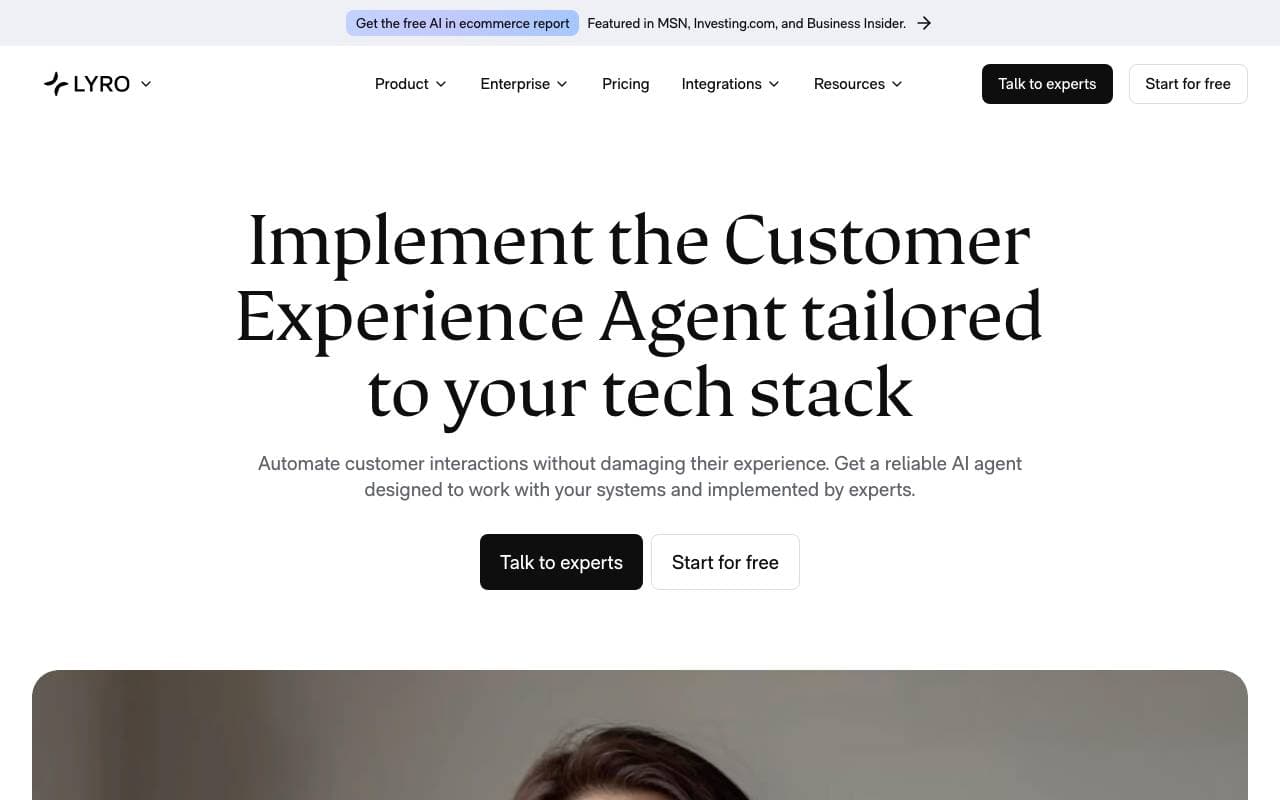

Lyro
Customer Service
Tidio's KI‑Supportagent, der routinemäßige Kundenanfragen über Chat, E‑Mail und Helpdesks bearbeitet.
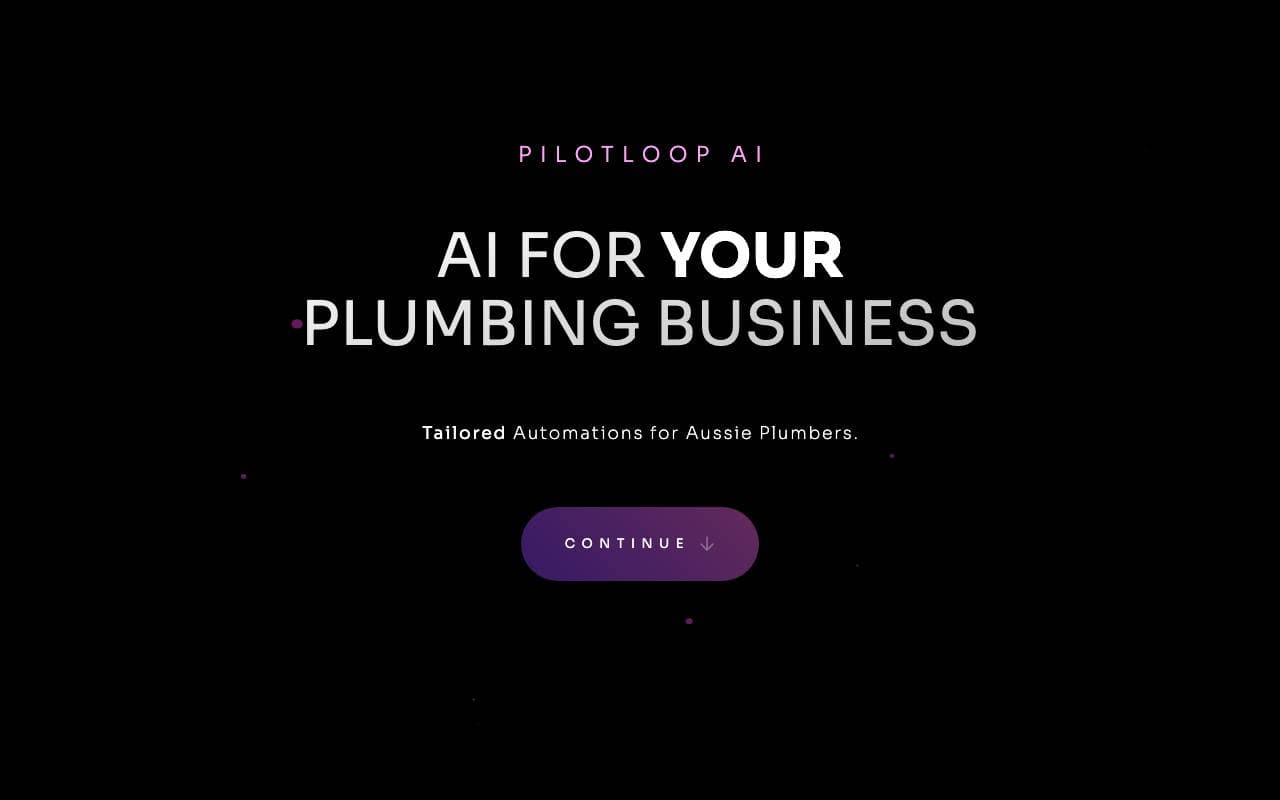

Master
Customer Service
AI-Agent, der speziell dafür entwickelt wurde, Kundendienstinteraktionen zu automatisieren und zu optimieren.


Parloa AI Agent Management Platform
Customer Service
End-to-End-Plattform zur Gestaltung, Bereitstellung und Überwachung von KI-Agenten im Kundenservice.


AirkitAI
Customer Service
Plattform für AI-gestützten Kundenservice, speziell für Einkaufsmarken.


eesel AI
Customer Service
Kundenbedienung-Agent, der sich auf Ihre Hilfe-Dokumente, Tickets und Werkzeuge einstellt, um die Support-Automatisierung zu unterstützen.


Omakase.ai
Customer Service
Erstelle einen individuellen Shopper‑AI-Agenten für deinen Store – einfach mit einer URL
Trending now


Reducto AI
Plattformen für die Entwicklung von Agenten mit künstlicher Intelligenz
Intelligenter Dokument API zur Analyse, Trennung, OCR-Analyse und Strukturierung von komplexen PDFs, Präsentationen und Tabellenkalkulationen.
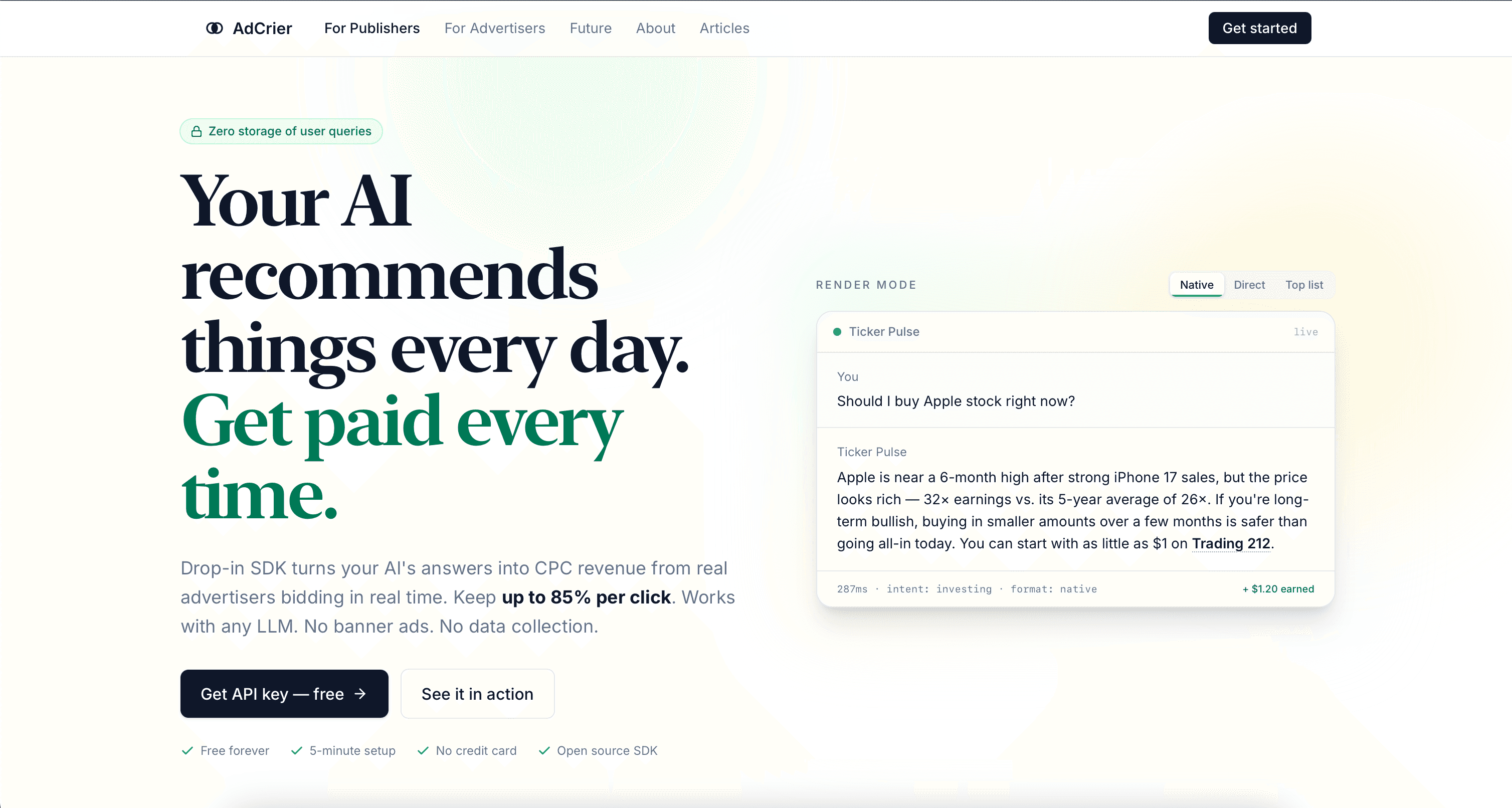

AdCrier
Marketing & Werbung
Gepflichtete Antworten mit Provision pro Klick.


Biology AI
Bildung AI
Genaue Hilfe bei Hausaufgaben mit ausführlichen Erklärungen
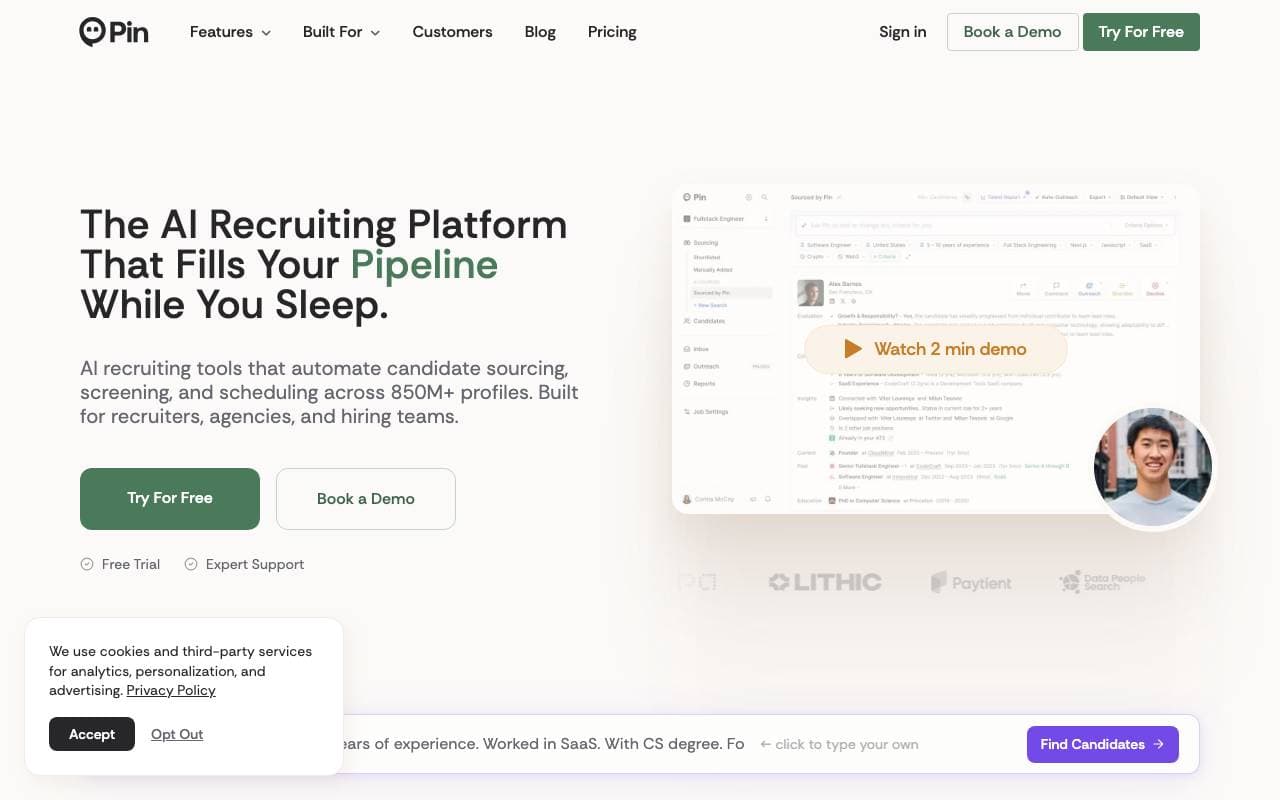

Pin AI
Arbeitsablaufautomatisierung
Agentic AI Recruiter, der Sourcing, Screening und Outreach automatisiert, um den Einstellungsprozess zu beschleunigen.