BAMLTypsichere, testbare AI-Funktionen für den Aufbau zuverlässiger LLM-basierter Anwendungen.

Übersicht
Hauptfunktionen
- BAML DSL für definierte, typisierte AI-Funktionen
- Code-Generierung für Python, TypeScript und weitere
- Interaktive Vorstellung für Prompt-Iteration
- Automatische Strukturierte Ausgabeparsing
- Einheiten-Testing für Anfragen und Modelle
- Multi-Provider-Unterstützung für LLM
Preise
- Modell
- Free
- Kategorie
- Framewerke für künstliche Agenten
- Bewertung
- 4.7 / 5 (6)
Anwendungsfälle
Strukturierte Datenextraktion aus Dokumenten
Definieren Sie getippte BAML-Funktionen, die unbeaufsichtigte Texte in verlässliche JSON-Schemata parsen, die automatische Wiederholung bei der Ausgabe der LLM-Einheit nicht mit der erwarteten Typen übereinkommt.
Produktionsreife AI-Funktionen in Web-Anwendungen
Erzeugen Sie TypeScript- oder Python-Klients, sodass sich die LLM-Anrufe wie normale typisierte Funktionen verhalten, was das schablonenhafte String-Templating und das ad-hoc-JSON-Parstein in der Produktionskod reduziert.
Prompt-Iteration und Regressions-Testing
Nutzen Sie die interaktive Vorstellung, um Vorschläge zu verfeinern und Einheiten-Test zu schreiben, die sich gegen reale Modelle aufstellen, und Fehlfälle vor der Abgabe von AI-Funktionen abfangen.
Abstraktion Multi-Provider-LLM
Bauen Sie Anwendungen, die zwischen LLM-Anbietern umschalten können, ohne den Aufrufstellen neu zu schreiben, und verwenden BAMLs, eine Typ-Schnittstelle, wie Modell-Aufrufen quer über alle Modelle.
Pro & Contra
Pro
- Starkes Typierung für LLM-Eingaben- und Ausgaben
- Funktioniert über mehrere Sprachen und Modell-Anbieter hinweg
- Verbaute Testing und interaktive Vorstellung für Prompt-Iteration
- Robuster Strukturierte Ausgabeparsing mit Wiederholung
- Sogenannte Einzelsprachs-Umwelt
Contra
- Bekommen der Lernbereich eines neuen DSL und Werkzeugkits
- Fügt einen Code-Erzeugungs-Schritt in den Build-Prozess ein
- Kleinere Umwelt als das Hauptstrom-LLM-Frameworks
Bewertungen
Durchschnitt aus 6 Bewertungen.
Melde dich an, um eine Bewertung abzugeben.

Skeptical, then convinced
I went in skeptical — most tools in this space overpromise. It actually delivers on interactive prompt playground, and built-in testing and playground for prompt iteration caught me off guard. still, I'd recommend giving it a real trial.
Use it every day
Honestly didn't expect to like it this much. Interactive prompt playground is exactly what I needed, and built-in testing and playground for prompt iteration. but I reach for it almost every day now and it just clicks.
Skeptical, then convinced
I went in skeptical — most tools in this space overpromise. It actually delivers on unit testing for prompts and models, and works across multiple languages and model providers caught me off guard. Requires learning a new DSL and toolchain is why this isn't a perfect score, still, I'd recommend giving it a real trial.
Solid for our team
We rolled this out across the team last quarter and built-in testing and playground for prompt iteration. Multi-provider LLM support fits neatly into how we already work, and code generation for Python, TypeScript, and more removed a step we used to do by hand. Adds a code generation step to the build process, which is the main caveat, but it has held up under daily use.
Years in this space
I've evaluated a lot of these over the years. What stands out here is multi-provider LLM support — handled better than most — and works across multiple languages and model providers. Worth the time if this is your use case.

Solid for our team
We rolled this out across the team last quarter and robust structured output parsing with retries. Interactive prompt playground fits neatly into how we already work, and unit testing for prompts and models removed a step we used to do by hand. but it has held up under daily use.
Fragen & Antworten
Do I need to add extra steps to my build pipeline to use BAML?
Yes, after writing BAML definitions you run the code‑generation step to produce typed client libraries, which you then compile or bundle with your application; this adds a generation step but integrates with standard build tools for Python, TypeScript, etc.
Asked by Björn Karlsson · Mar 9, 2026
What testing capabilities does BAML provide for AI functions?
BAML ships with a built‑in playground for prompt iteration and a unit‑testing framework that lets you write tests against real model responses, automatically verifying that structured outputs match the defined schemas and retrying on parsing failures.
Asked by Kalinda Reddy · Jan 25, 2026
Can BAML be used with different LLM providers?
Yes, BAML includes multi‑provider support, allowing you to point the generated functions at any compatible LLM service without changing the function signatures or your application code.
Asked by Ingrid Bauer · Dec 31, 2025
How does BAML ensure type safety for LLM inputs and outputs?
You define input and output schemas in a BAML file; the toolchain then generates client code with strong type annotations for languages like Python, TypeScript, and Ruby, so AI calls behave like regular functions with compile‑time or runtime type checks.
Asked by Lindiwe Mahlangu · Nov 27, 2025
Frage stellen
Alternativen zu Framewerke für künstliche Agenten
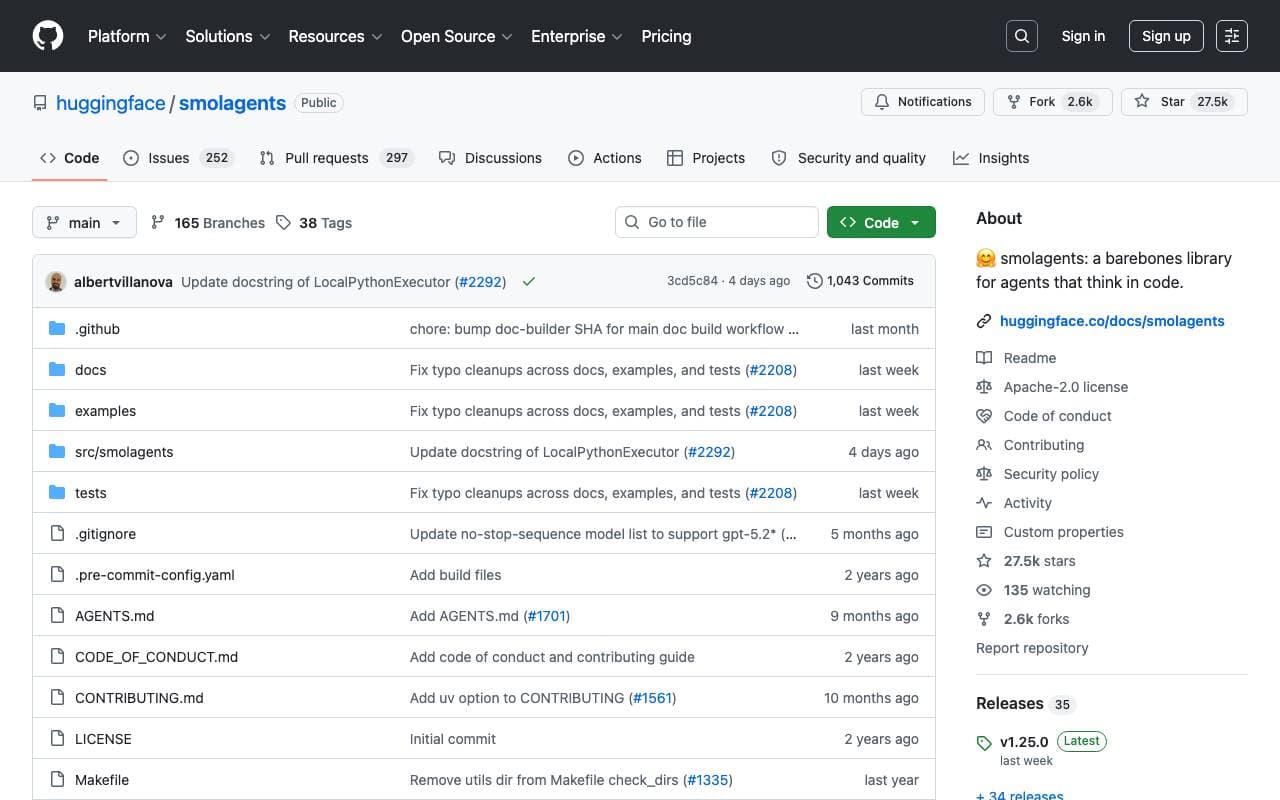

smolagents
Framewerke für künstliche Agenten
Ein minimalistisches Python-Bibliotheksframework von Hugging Face für die Erstellung von code-first-AI-Agenten in nur wenigen Zeilen


Mini LLM Flow
Framewerke für künstliche Agenten
Minimalistisches 100-Linien-LLM-Framework für die Erstellung selbstprogrammierender Agenten-Workflows
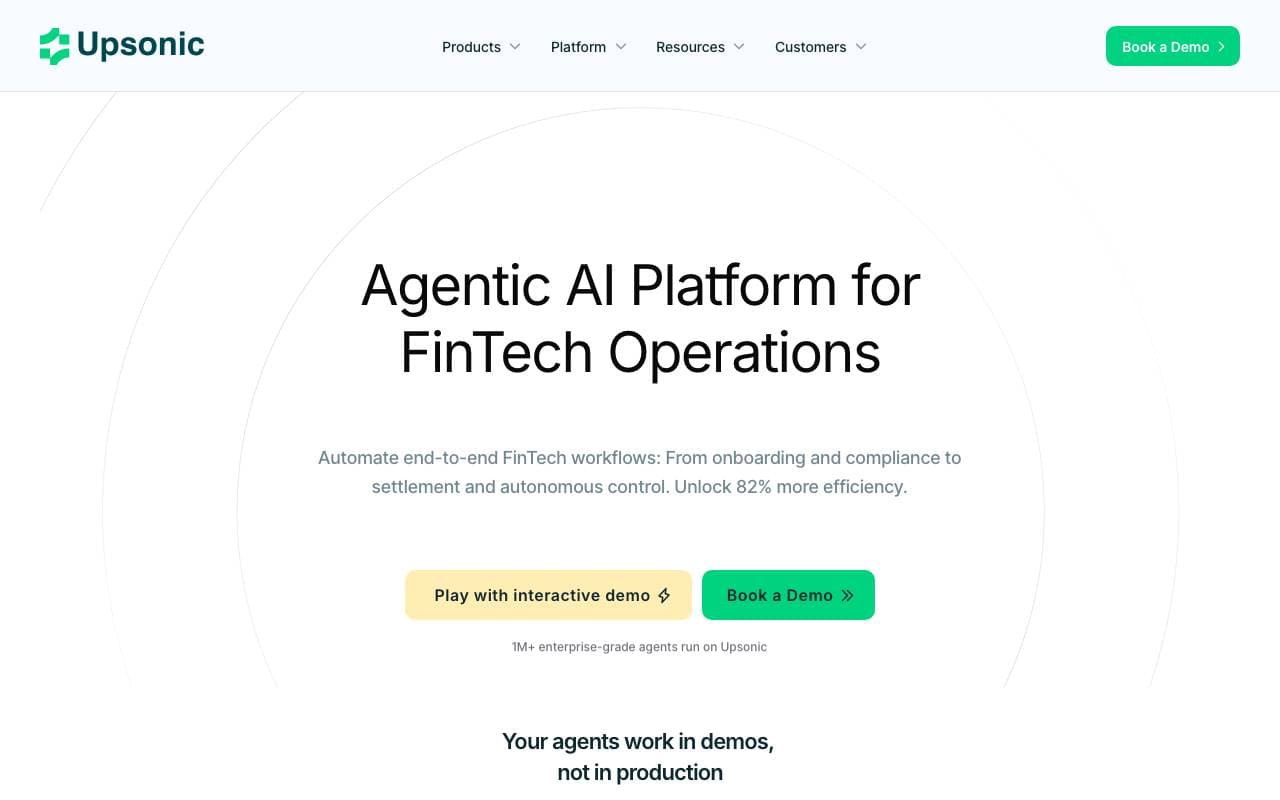

upsonicAI
Framewerke für künstliche Agenten
Öffentliches Agent Framework für die Erstellung von taskorientierten digitalen Arbeitnehmern und vertikalen KI-Agenten.


AI-Powered RAG Workflow for n8n
Framewerke für künstliche Agenten
Stelle Fragen und erhalte Antworten, die auf deinen Google-Drive-Dateien basieren, mithilfe von n8n.


ControlFlow
Framewerke für künstliche Agenten
Python-Framework zum Erstellen agentischer KI-Workflows mit einer aufgabenorientierten Gestaltung.


roboneo art
Framewerke für künstliche Agenten
AI-Bildgenerator, der Textanfragen innerhalb von Sekunden in hochwertige Bilder verwandelt.

Agent Genesis
Framewerke für künstliche Agenten
Open-Source, copy‑paste-Code-Snippets für die schnelle Entwicklung von KI-Agenten.


Eclat Institute
Framewerke für künstliche Agenten
IP- und JC-Unterricht, der auf den Aufbau dauerhafter Fachkompetenz ausgerichtet ist
Trending now


Reducto AI
Plattformen für die Entwicklung von Agenten mit künstlicher Intelligenz
Intelligenter Dokument API zur Analyse, Trennung, OCR-Analyse und Strukturierung von komplexen PDFs, Präsentationen und Tabellenkalkulationen.


Biology AI
Bildung AI
Genaue Hilfe bei Hausaufgaben mit ausführlichen Erklärungen


AdCrier
Marketing & Werbung
Gepflichtete Antworten mit Provision pro Klick.
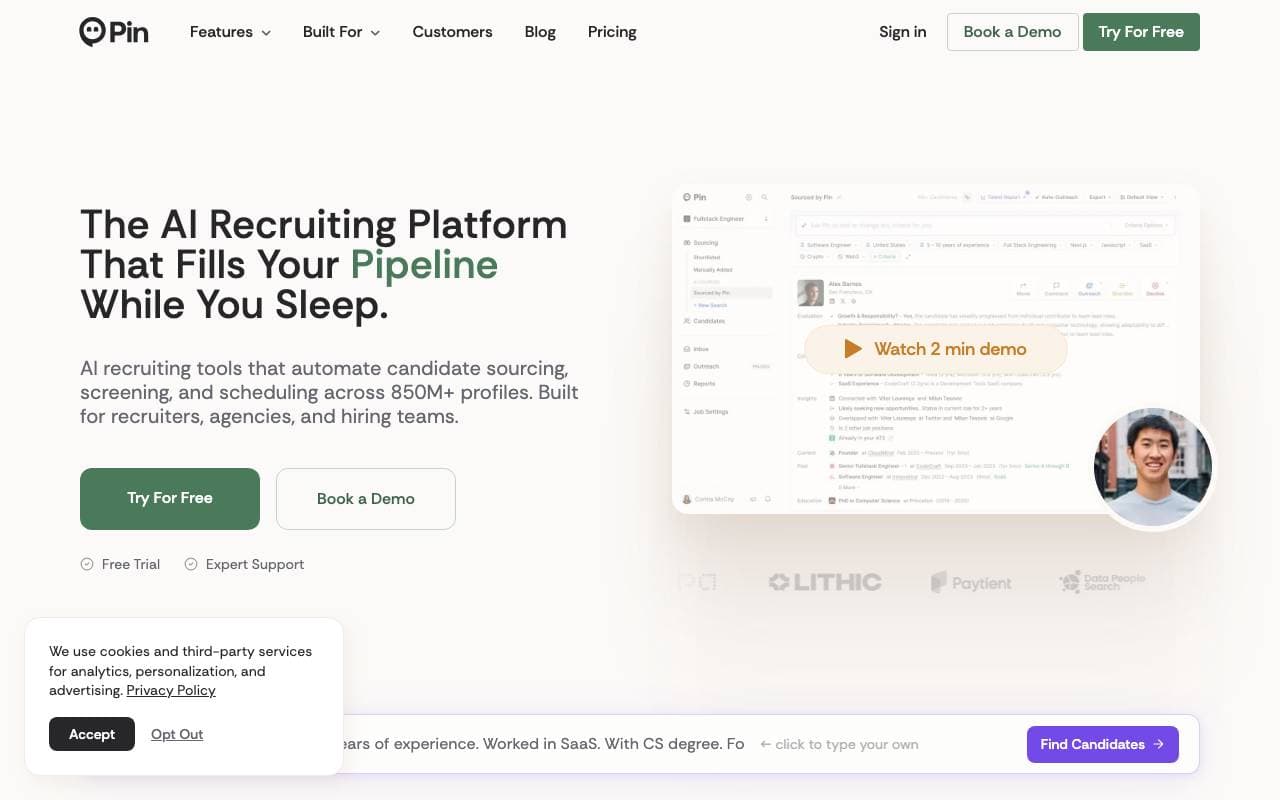

Pin AI
Arbeitsablaufautomatisierung
Agentic AI Recruiter, der Sourcing, Screening und Outreach automatisiert, um den Einstellungsprozess zu beschleunigen.