ArchwaysIntelligenz, die die Software-Evaluierungszeit um bis zu 85 % verkürzt

Übersicht
Hauptfunktionen
- KI-fundierte Software-Diskussion
- Automatisierte Vergleiche von Anbietern
- Zurückgehaltene Empfehlungsübersichten
- Vorlagen für Bewertungskriterien
- Kooperative Rezensionsworkflows
- Kundenspezifische Auswertungsberichte für Stakeholder
Preise
- Modell
- Free
- Kategorie
- Forschung
- Bewertung
- 4.8 / 5 (4)
Anwendungsfälle
Ermögliche schnelle Software-Anbieter-Auswahl
Verdichte eine lange Liste mit Software-Anbietern durch Einzelvergleich und zurückgehaltene Empfehlungen basierend auf Ihrer Teams-Evaluation-Kriterien.
Bereite präsentationsreife Einblicke-Reports vor
Erstelle strukturierte Einblicke-Reports und zurückgehaltene Empfehlungsübersichten, die Geschäftsführer, Finanzen und Verwendern helfen an einer sicheren Kaufentscheidung ausgerichtet zu sein.
Standardisiere Software-Evaluierungen
Verwende Vorlagen für Bewertungskriterien und Kooperative Workflows, um sicherzustellen, dass Einkaufsteams konsistente Datengetreue Analyse im Zuge aller Software-Bewertungen anwenden.
Ersatz von Arbeitsblättern und -Demo-Marathons
Überspringe Stunden von Anbieter-Aufrufen und handlicher Arbeitsblatt-Bau, indem Schlüsselfaktoren und Funktionalitäten durch automatisierte Seiten-zu-Seiten-Vergleiche aufgedeckt werden.
Pro & Contra
Pro
- Signifikant verkürzte Software-Evaluierungszeit
- Anwender-fundierte Einblicke, die sich an die Bedürfnisse des Käufers anpassen
- Strukturierte Vergleiche zwischen Anbietern
- Hilft Teams sicherer eine Übereinstimmung zu erzielen
- Stillert Benutzeranpassungsvorgänge ab
Contra
- Die Abdeckung mag je nach Nischen-Software-Kategorien unterschiedlich sein
- Zurückgehende Benutzermeinung ist immer noch für die Schlussentscheidungen zuständig
- Die Einblicke ermitteln je nach verfügbaren Daten
Bewertungen
Durchschnitt aus 4 Bewertungen.
Melde dich an, um eine Bewertung abzugeben.
Compared a few options
Evaluated this against two competitors. Where it wins: automated vendor comparisons and structured comparisons across vendors. On balance the feature set — especially collaborative review workflows — justifies the 5 stars for our use case.
Years in this space
I've evaluated a lot of these over the years. What stands out here is automated vendor comparisons — handled better than most — and structured comparisons across vendors. Worth the time if this is your use case.
Does the job
Pretty happy overall. Insight reports for stakeholders just works and structured comparisons across vendors. Still requires human judgment for final decisions can be annoying, but no dealbreakers — I'd recommend it to a friend without hesitating.
Compared a few options
Evaluated this against two competitors. Where it wins: aI-powered software discovery and structured comparisons across vendors. On balance the feature set — especially aI-powered software discovery — justifies the 5 stars for our use case.
Fragen & Antworten
How is Archways different from a CMDB or application inventory?
A CMDB shows what applications exist and how they connect. It provides important visibility, but it doesn’t guide decisions about what should change in the portfolio. Archways uses that inventory as context, then helps teams decide which tools to keep or retire, where there is duplication, how new tools fit into the existing architecture, and what actions to take at renewal.
Asked by Fiorella Bianchi · Sep 15, 2025
How is Archways different from a procurement platform?
Procurement platforms manage sourcing and purchasing workflows. They are designed to run processes like RFPs, approvals, and vendor onboarding. They assume a decision has already been made. Archways sits earlier in the process. It helps teams determine whether a decision needs to be made at all, define what matters before engaging vendors, narrow down options, and make trade-offs explicit. When a formal procurement process is needed, it starts from a much more structured position.
Asked by Hana Kobayashi · Sep 6, 2025
Does Archways replace our existing systems?
No. Archways is designed to sit on top of your existing systems, not replace them. Most organisations already have tools for different parts of the stack, for example a CMDB or application inventory such as ServiceNow or LeanIX, SAM or licensing tools such as Flexera, procurement and contract systems, and spreadsheets used to track renewals or vendors. Archways uses those as inputs. It brings that data together and adds the missing layer, which is how to decide what to do next. Those systems continue to do what they’re designed for. Archways makes them more useful by turning their data into clear, actionable decisions.
Asked by Olamide Fashola · Aug 23, 2025
What data does Archways actually use?
Archways combines your internal software data with independent external intelligence to support decisions. Internally, it uses the data you already have, such as contracts, renewal dates, and notice periods, spend, pricing structure, and commitments, ownership across teams or business units, application inventory and architecture context, and usage or criticality signals where available. Externally, Archways adds independent context that most organisations don’t have in one place, including vendor and product coverage across the software market, capability-level comparisons between tools, evidence on where products overlap or differ in real use, commercial context that helps teams assess leverage and alternatives, and governance and policy context. You don’t need a perfect inventory to get started. Most teams begin with partial data and improve it over time as decisions are made and captured.
Asked by Petros Georgiou · Aug 7, 2025
Do we need clean data to get value?
No. Most teams start with incomplete, inconsistent, or fragmented data. In practice, software data is spread across systems or missing key fields. Archways is designed to work with that reality, not wait for a perfect inventory. Teams typically start with a usable subset, for example a list of upcoming renewals, basic contract and spend data, and partial ownership or application data. Over time, data improves as a byproduct of decision-making. The goal is not to clean all your data upfront. It’s to make better decisions with what you have today, and improve data quality naturally as those decisions are made.
Asked by Tariq Aziz · Jul 29, 2025
Frage stellen
Alternativen zu Forschung


Patsnap Eureka
Forschung
Domänenspezifische KI-Agenten, die R&D- und Innovationsabläufe beschleunigen


stockbuzz.ai
Forschung
Macht von künstlicher Intelligenz zur Suchmaschine für Aktienforschung und Marktanalyse


Stock Market Analysis
Forschung
Echte-Time-Stock-Bekundungen, Nachrichten und Markt-Daten in Ihrem Lieblingsformat übermittelt.


Lexicon
Forschung
Strukturierte Vergleichssuchmaschine, die analytische Urteile über acht Dimensionen liefert.

Extruct AI
Forschung
Echtzeit-Business-Intelligenz für präzise B2B Lead-Discovery
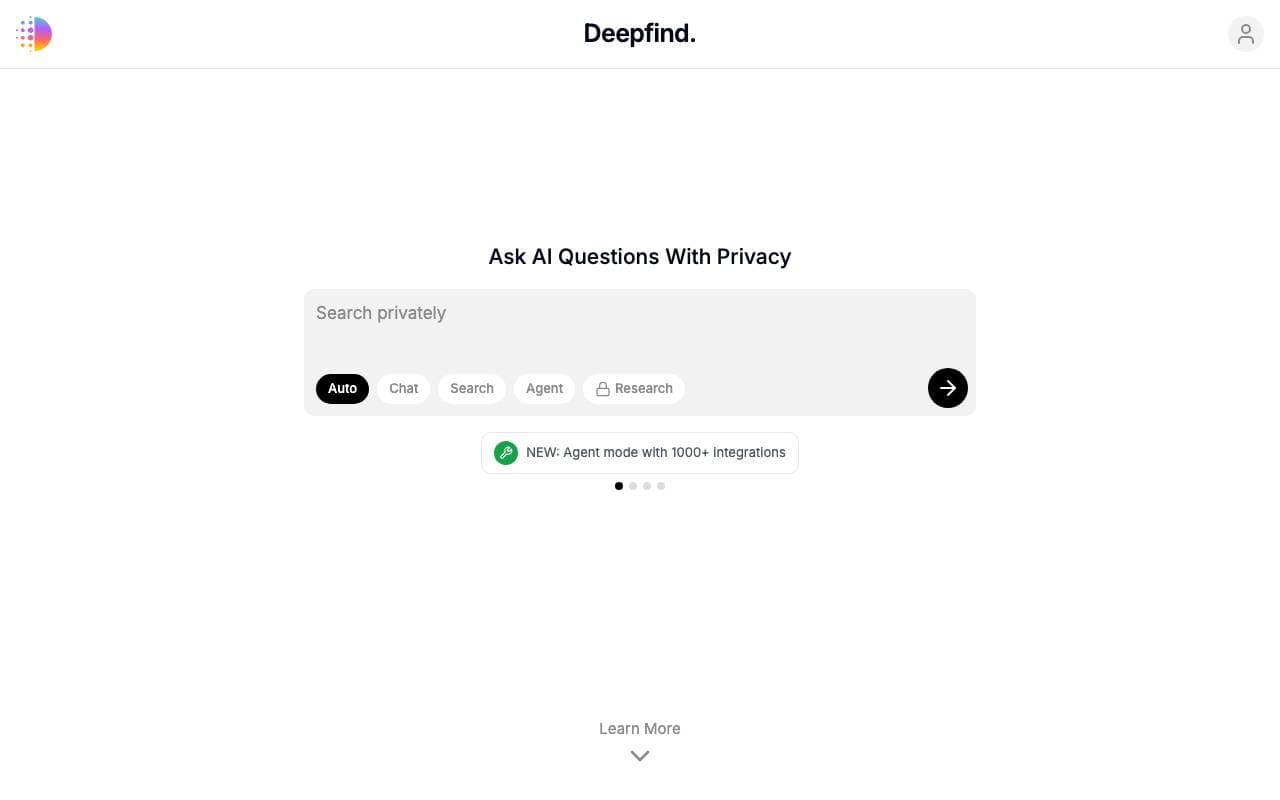

Deepfind
Forschung
Echtzeit-Webforschung, die die Top-Ergebnisse zu einer Antwort zusammenfügt
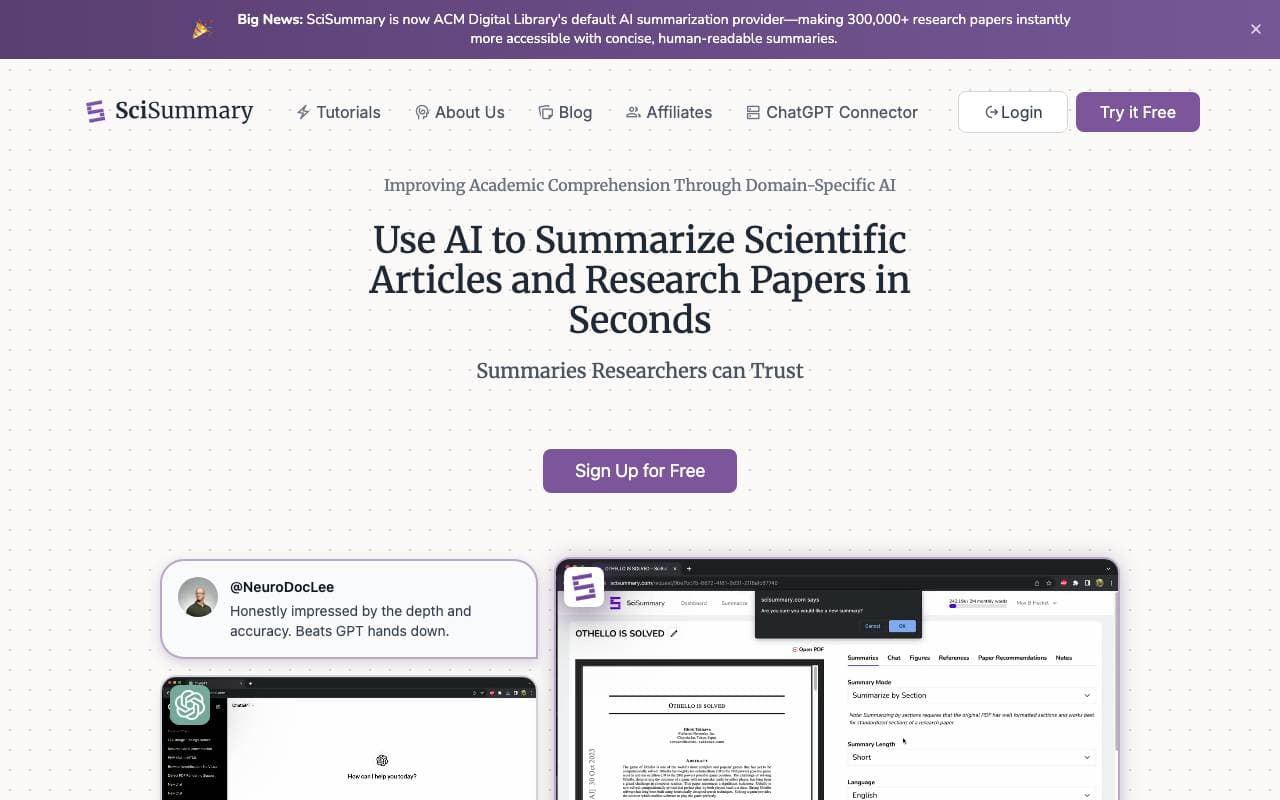

SciSummary
Forschung
KI-gestützte Zusammenfassungen für wissenschaftliche Artikel und Forschungspapiere

Infora AI
Forschung
Maschinelles Lernen-förderter Suchdienst für schnelleres, intelligenteres Erkennen von Informationen
Trending now
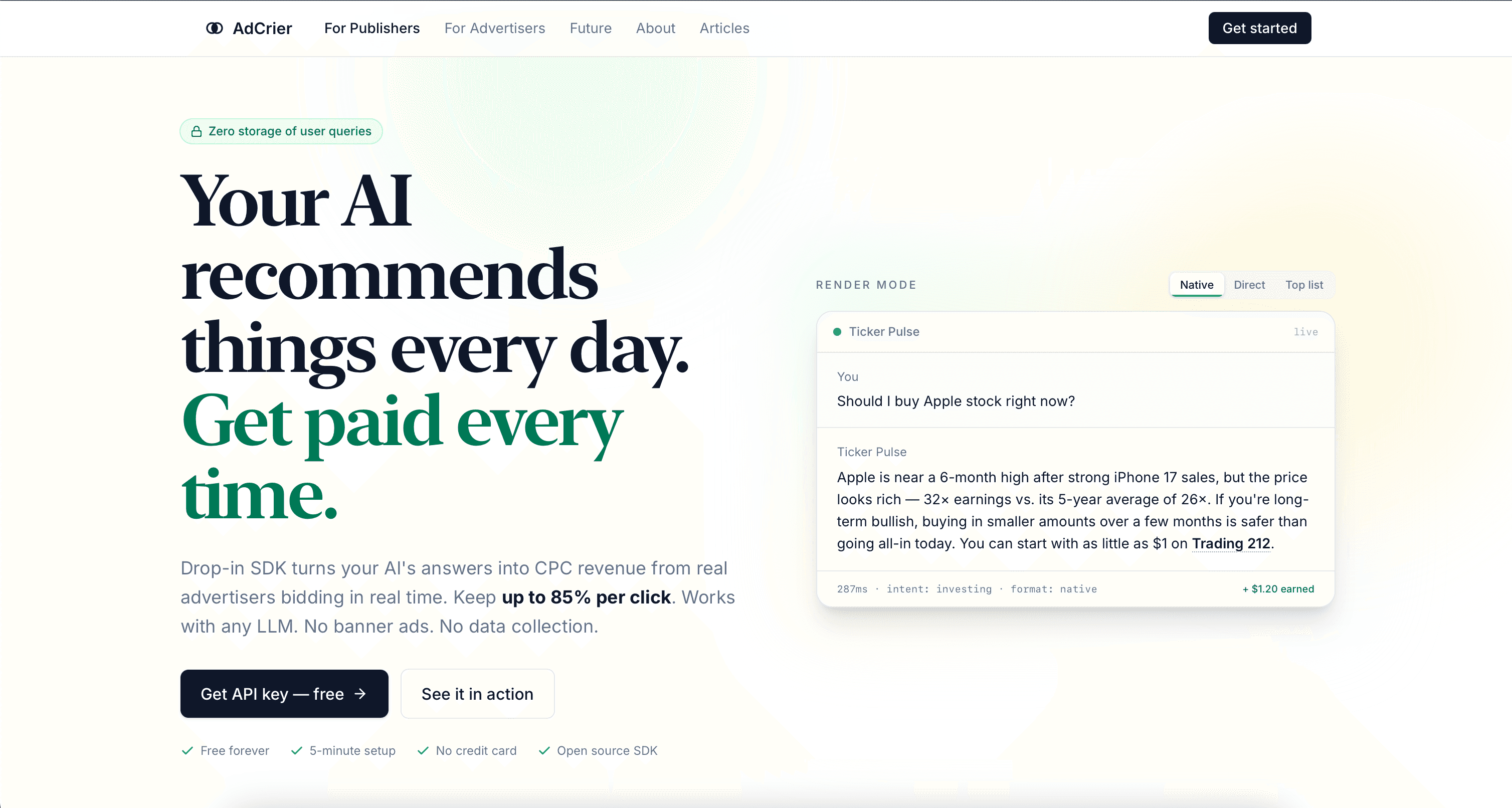

AdCrier
Marketing & Werbung
Gepflichtete Antworten mit Provision pro Klick.


Reducto AI
Plattformen für die Entwicklung von Agenten mit künstlicher Intelligenz
Intelligenter Dokument API zur Analyse, Trennung, OCR-Analyse und Strukturierung von komplexen PDFs, Präsentationen und Tabellenkalkulationen.


Biology AI
Bildung AI
Genaue Hilfe bei Hausaufgaben mit ausführlichen Erklärungen
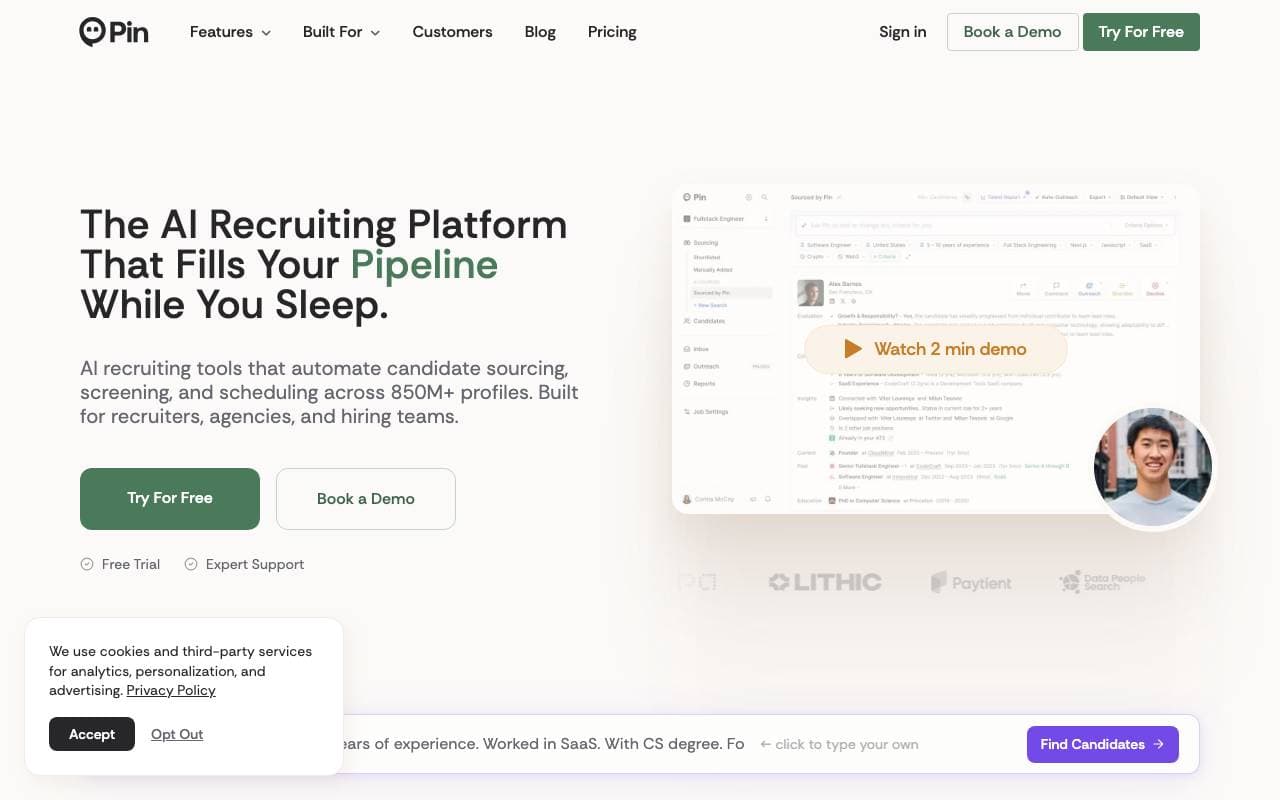

Pin AI
Arbeitsablaufautomatisierung
Agentic AI Recruiter, der Sourcing, Screening und Outreach automatisiert, um den Einstellungsprozess zu beschleunigen.