
AiderTerminalowy AI pair programista, który edytuje kod i zapisuje zmiany do lokalnego repozytorium Git.

Przegląd
Kluczowe funkcje
- Integracja z lokalnym repozytorium Git
- Automatyczne wiadomości commitów dla edycji AI
- Mapa repozytorium zapewniająca kontekst związany z bazą kodu
- Edytowanie i refaktoryzacja wielu plików
- Wsparcie dla wielu dostawców LLM
- Opcje wprowadzania głosowego i kontekstu obrazu
Cennik
- Model
- Freemium
- Kategoria
- Asystenci kodu
- Ocena
- 4.4 / 5 (5)
Zastosowania
Refaktoryzacja wspomagana przez AI w wielu plikach
Refaktoryzuj funkcje, zmieniaj nazwy symboli lub restrukturyzuj moduły w wielu plikach w lokalnym repozytorium, a Aider wprowadza skoordynowane zmiany i commitują każdą zmianę do Git.
Śledzalne zmiany kodu AI za pomocą Git
Utrzymuj przejrzystą historię zmian napędzanych przez AI, pozwalając Aiderowi automatycznie commitować każdą edycję z opisową wiadomością, co ułatwia przeglądanie lub wycofanie zmian.
Programowanie parujące natywne w terminalu
Współpracuj z LLM z poziomu wiersza poleceń bez opuszczania istniejącego edytora lub workflow, korzystając z kontekstu repozytorium, aby implementować funkcje lub naprawiać błędy.
Elastyczne programowanie z modelami lokalnymi lub chmurowymi LLM
Połącz Aider z OpenAI, Anthropic lub lokalnymi modelami, aby dopasować koszty, prywatność i jakość podczas pracy na tej samej bazie kodu.
Plusy i minusy
Plusy
- Działa w terminalu obok istniejących narzędzi deweloperskich
- Automatyczne commity Git utrzymują zmiany kontrolowalne
- Obsługuje edycje wieloplatformowe z kontekstem projektu
- Obsługuje wiele modeli i backendów językowych
Minusy
- Interfejs wiersza poleceń wymaga czasu na naukę
- Wymaga kluczy API i może generować koszty tokenów
- Jakość zależy od wybranego modelu bazowego
- Mniej wizualnego feedbacku niż w przyjaznych GUI
Wynik bitew
W 1 bitwie w Panteonie.
Last battle
Recenzje
Średnia z 5 ocen.
Zaloguj się, aby zostawić recenzję.
Use it every day
Honestly didn't expect to like it this much. Voice input and image context options is exactly what I needed, and supports many models and language backends. I do wish quality depends on the underlying model chosen, but I reach for it almost every day now and it just clicks.
Skeptical, then convinced
I went in skeptical — most tools in this space overpromise. It actually delivers on voice input and image context options, and runs in the terminal alongside existing dev tools caught me off guard. still, I'd recommend giving it a real trial.
Solid for our team
We rolled this out across the team last quarter and automatic Git commits keep changes auditable. Multi-file editing and refactoring fits neatly into how we already work, and repository map for codebase-aware context removed a step we used to do by hand. Requires API keys and can incur token costs, which is the main caveat, but it has held up under daily use.
Solid for our team
We rolled this out across the team last quarter and automatic Git commits keep changes auditable. Multi-file editing and refactoring fits neatly into how we already work, and local Git repository integration removed a step we used to do by hand. Quality depends on the underlying model chosen, which is the main caveat, but it has held up under daily use.

Years in this space
I've evaluated a lot of these over the years. What stands out here is voice input and image context options — handled better than most — and runs in the terminal alongside existing dev tools. Less visual feedback than GUI-based assistants is my one real gripe. Worth the time if this is your use case.
Pytania i odpowiedzi
Do I need a GUI or IDE to use Aider, and what extra input methods are available?
Aider runs entirely in the terminal, so no GUI or IDE is required, though it can be invoked from an editor. It also offers voice input and the ability to attach images or web pages for visual context.
Asked by Timur Nazarov · Feb 13, 2026
What programming languages and project sizes can Aider work with?
Aider supports roughly 100 languages—including Python, JavaScript, Rust, Go, C++, PHP, HTML/CSS—and builds a map of the entire codebase, enabling multi‑file edits even in large projects.
Asked by Marcus Bell · Feb 1, 2026
How does Aider handle version control for AI‑generated code changes?
Aider integrates directly with your local Git repository, automatically creates descriptive commit messages for each AI edit, and lets you use familiar Git tools to diff, manage, and revert those changes.
Asked by Katarzyna Zielinska · Dec 4, 2025
Which large language model providers does Aider support, and can I use a local model?
Aider can connect to many LLM providers including OpenAI (e.g., GPT‑4o, o1, o3 mini), Anthropic (Claude 3.7 Sonnet), DeepSeek (R1 Chat V3), and others, and it also works with self‑hosted local models.
Asked by Omar Haddad · Oct 26, 2025
Zadaj pytanie
Alternatywy dla Asystenci kodu


Enia Code
Asystenci kodu
Proaktywny partner AI w kodowaniu, który wykrywa problemy i sugeruje rozwiązania zanim o to poprosisz.


Hex Magic
Asystenci kodu
AI analytics copilot, który pisze zapytania, buduje wykresy i debuguje notatniki w Hex.


MicroGPT
Asystenci kodu
Asystent kodowania zasilany przez AI, zwiększający produktywność deweloperów dzięki sugestiom kodu w czasie rzeczywistym.
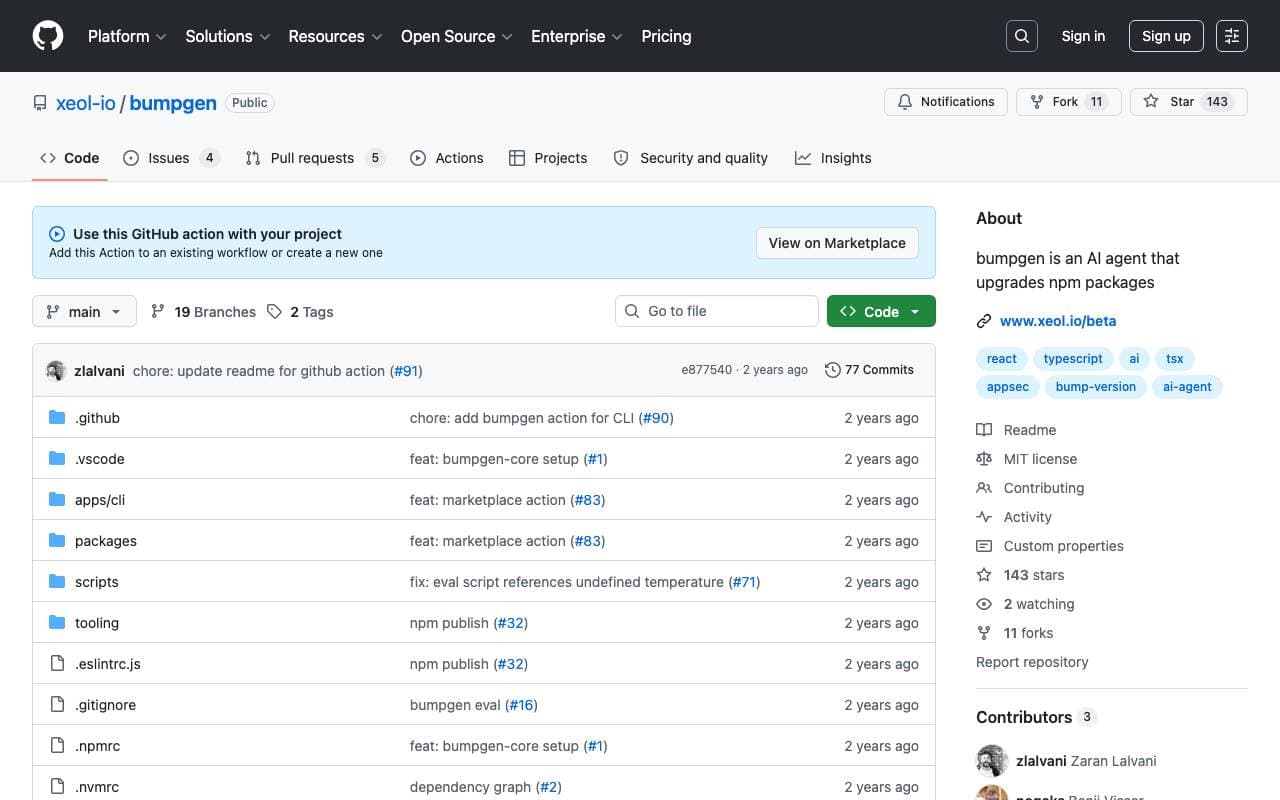

bumpgen
Asystenci kodu
Agent AI, który automatyzuje aktualizację pakietów npm i rozwiązuje związane z nimi problemy z kompatybilnością w projektach TypeScript.
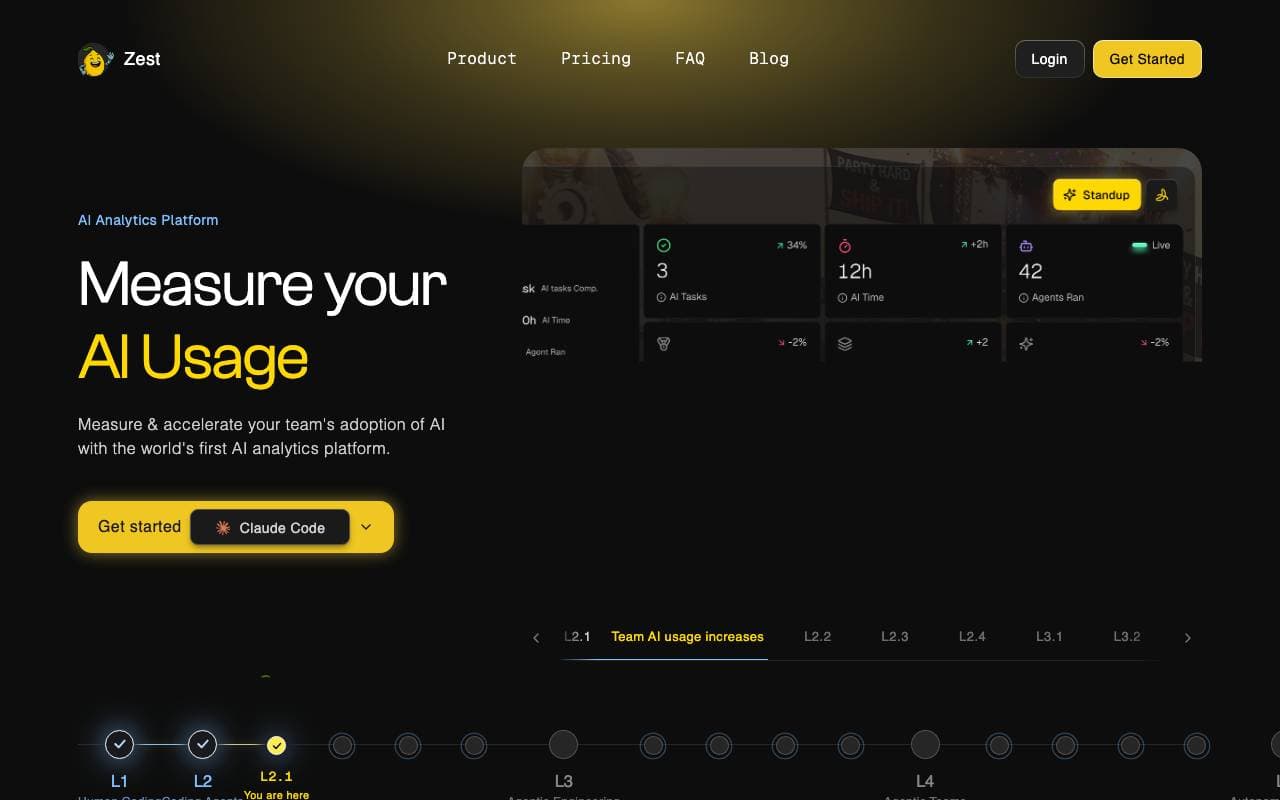

Zest
Asystenci kodu
Asystent AI zaprojektowany, aby zwiększyć produktywność deweloperów w codziennych przepływach pracy programistycznej
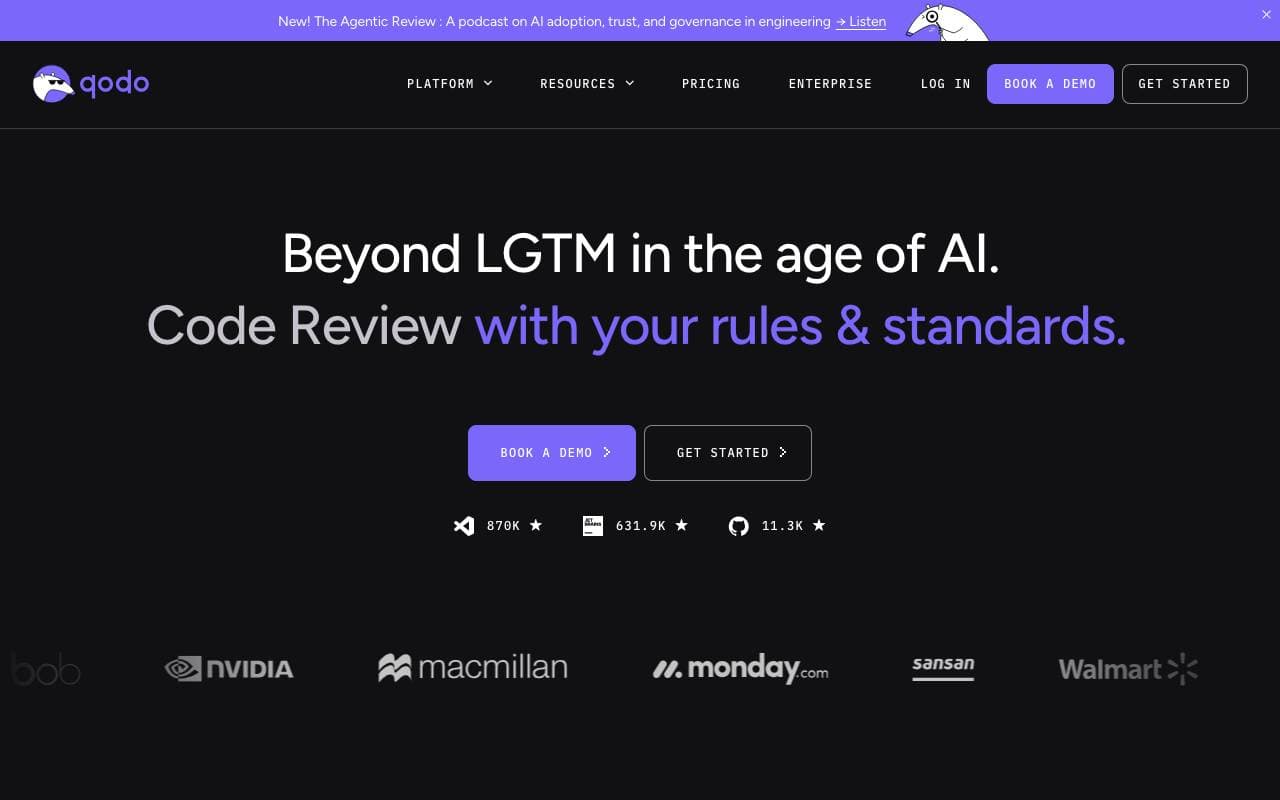

Qodo
Asystenci kodu
Platforma integralności kodu oparta na AI dla generacji, testów i przeglądów
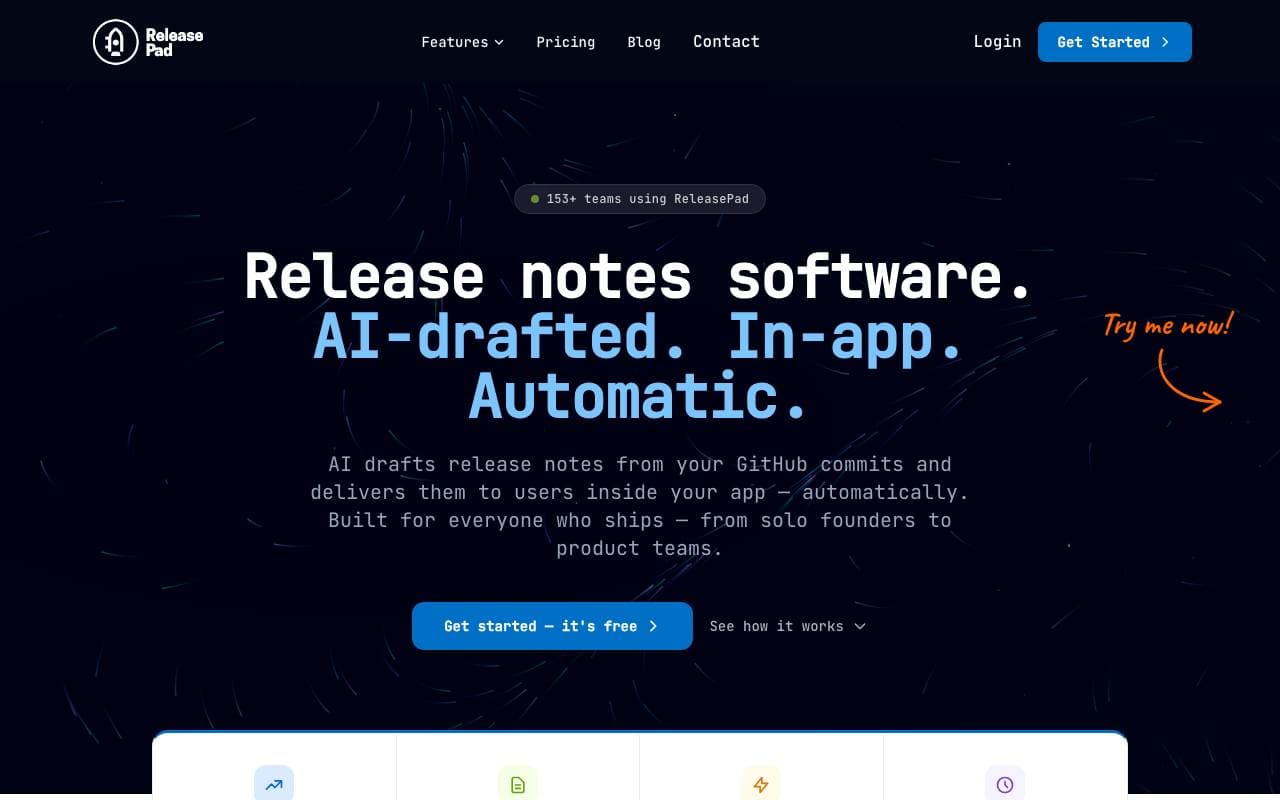

ReleasePad
Asystenci kodu
Notatki wydania generowane przez AI dla szybko działających zespołów produktowych


Low Code Platforms
Asystenci kodu
Porównuj i filtrowuj wiodące platformy low-code według możliwości AI, CRM, automatyzacji i przepływu pracy.
Trending now


Reducto AI
Platformy Rozwoju Agentów Inteligentnych
API inteligencji dokumentowej, które analizuje, dzieli, wykonuje OCR i wyodrębnia strukturalne dane z złożonych PDF-ów, slajdów i arkuszy kalkulacyjnych.


AdCrier
Marketing i Reklama
Sponsorowane odpowiedzi, płatne za kliknięcie.


Biology AI
AI w Edukacji
Precyzyjna pomoc z zadaniami domowymi z pełnymi wyjaśnieniami


Pin AI
Automatyzacja przepływu pracy
Agentowy rekruter AI, który automatyzuje pozyskiwanie, selekcję i kontakt, przyspieszając proces rekrutacji.