LangChainAtviroji programininė sistema ir platforma statybai, įdiegimui ir monitoringui tiksliais SLLM-turtingų agentais.

Apžvalga
Pagrindinės funkcijos
- Sudėtingos LLM taikomosiomis užklausų ir agentų rinkinys
- LangGraph, skirtas valdant valstybines agentų srių siuntimo protokolius
- LangSmith, skirtas trąšų, vertinimui ir sistemoms valdymui
- Integravimas su gavusiomis modeliais, vektorių bazių ir SLLM
- Python ir JavaScript/TypeScript SDK
- Priemonės palaikymui išėjimų-augintiems generiavimui (RAG)
Kainos
- Modelis
- Free
- Kategorija
- Prieigų prie žmogų agentų karkasai
- Įvertinimas
- 4.5 / 5 (4)
Naudojimo atvejai
Naudoti LLM agentejų, kurys naudojosi taikomosiomis programų
Naudokite LangChain ir LangGraph kuriant agentus, kurie mąsto per mokėdama uždavinius, elgiasi prie kitų programų ar išorinių duomenų bei laiko valstybingus siuntimo protokoliai.
Išėjimų-augintiems generiavimui aplikacijos
Junkite LangChain'aus RAG priemones bei vektorių bazių integracijas, kad sūkuriotųjų nuomonės būtų nustatyti pagal savo dokumentų bei žinių bazes.
Sistemos valdymas ir monitorinimas
Leverageirite LangSmithą, kad nusakytų trąšų, vertinimą bei sistemos valdymą, padedami sistemų mokytojojė ir iteracijoje.
Prototiptių nuo pagamintojų sistemų
Naudokite sudėtingus užklausų rinkinius Python arba JavaScript, kad persimetus nuo greito prototipo iki pagamintos sistemas.
Privalumai ir trūkumai
Privalumai
- Didelis SLLM, įrankių ir duomenų šaltinių integracijų ekosistemų
- Stiprusi observuojamumas bei derinimas per LangSmith'ą
- Priimtina agentų valdymas pagal LangGraph
- Aktyvi visuomenė bei svarbūs aktualizacijos
Trūkumai
- Abstrakcijos gali būti sunkios mažoms taikomosioms
- Sunkus reikalingas tikslumas priimtamosioje ekosistemos
- Užsimerina mokomasis greitis viso ekosistemos
Atsiliepimai
Vidurkis iš 4 įvertinimų.
Prisijunk, kad paliktum atsiliepimą.
Skeptical, then convinced
I went in skeptical — most tools in this space overpromise. It actually delivers on langSmith for tracing, evaluation, and monitoring, and flexible agent orchestration with LangGraph caught me off guard. still, I'd recommend giving it a real trial.

Years in this space
I've evaluated a lot of these over the years. What stands out here is python and JavaScript/TypeScript SDKs — handled better than most — and strong observability and debugging via LangSmith. Learning curve across the broader ecosystem is my one real gripe. Worth the time if this is your use case.
Solid for our team
We rolled this out across the team last quarter and active community and frequent updates. Integrations with major LLMs, vector databases, and APIs fits neatly into how we already work, and integrations with major LLMs, vector databases, and APIs removed a step we used to do by hand. Abstractions can feel heavy for simple use cases, which is the main caveat, but it has held up under daily use.

Solid for our team
We rolled this out across the team last quarter and large ecosystem of integrations with models, tools, and data sources. LangSmith for tracing, evaluation, and monitoring fits neatly into how we already work, and tooling for retrieval-augmented generation (RAG) removed a step we used to do by hand. but it has held up under daily use.
Klausimai
What does uptime mean for LangSmith Deployment usage?
Uptime is the duration your deployment’s database is live and persisting state. Uptime will be tracked as soon as your deployment is live and ends when you shut it down. Dev agent deployments are typically short-lived (used during iteration, then deleted) – whereas Production agent deployments stay live and are updated via revisions (rather than being deleted).
Asked by Aaliyah Johnson · Feb 4, 2026
Does LangSmith Deployment include any free deployments?
Plus plans include 1 free small serverless deployment. If you spin up additional serverless or dedicated deployments, you’ll be charged on usage (resource time).
Asked by Paulo Cardoso · Jan 28, 2026
Why would I upgrade a base trace to an extended trace?
Base traces are short-lived (14-day retention) and ideal for quick debugging or ad-hoc analysis. They’re priced for volume and short-term utility. Extended traces are retained for 400 days. This is useful when traces include valuable feedback associated with them, such as from users, evaluators, or human labelers. This feedback makes them valuable for ongoing improvement and model tuning. LangSmith lets you choose the right retention for each trace, helping you balance cost and value.
Asked by Lorenzo Bianchi · Jan 19, 2026
What is the difference between a base trace and an extended trace?
Base traces have a shorter retention period of 14 days. Extended traces have a longer retention period of 400 days. You can "upgrade" base traces to extended traces for an additional fee.
Asked by Yaw Owusu · Jan 8, 2026
What is a trace? Can it contain multiple events?
A trace represents a single execution of your application—whether it’s an agent, evaluator, or playground session. It can include many individual steps, such as LLM calls and other tracked events. Here's an example of a single trace.
Asked by Noor Siddiqui · Dec 26, 2025
Užduoti klausimą
Prieigų prie žmogų agentų karkasai alternatyvos
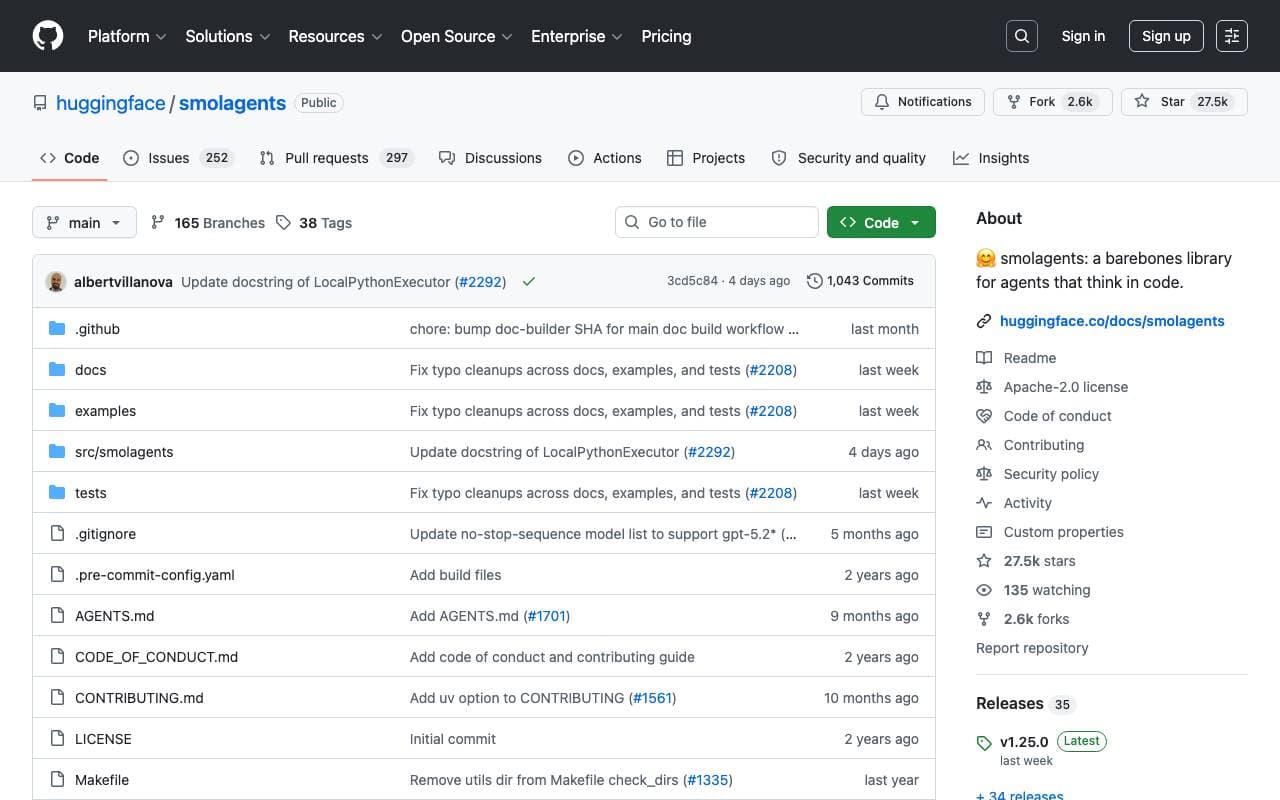

smolagents
Prieigų prie žmogų agentų karkasai
Hugging Face smolagents - minimalistus Python biblioteka, kuria naudojant pusę eilučių sukuriama kodas pirmiems AI agentams


Mini LLM Flow
Prieigų prie žmogų agentų karkasai
Minimalistikais 100-ruožainis LLM sukūrimo frameworks, skirtas agentų darbų tvarkyklių kūrimui

upsonicAI
Prieigų prie žmogų agentų karkasai
Atvirojo kūrėjo agentų frameworkas užtinkamumas statyti užduotiesorientuotų digitalų darbininkus ir vertikalusius AI agentus.


AI-Powered RAG Workflow for n8n
Prieigų prie žmogų agentų karkasai
Klausykite klausimus ir atsakykite su užimamais Jūsų Google Dokumentų failų duomenimis naudojantis n8n.


ControlFlow
Prieigų prie žmogų agentų karkasai
Python frameworkas agentei AI srautus su užduočių centrine architektūra


roboneo art
Prieigų prie žmogų agentų karkasai
Tekstinio pritiksliai generuojantis AI mokslinis šviesų kūrėjas, priverčiantis žemesnio laiko juodus vaizdus.

Agent Genesis
Prieigų prie žmogų agentų karkasai
Atviri, kopijuokite-peseite sąskaitas kodas, skirtas greitam AI agentų sukurimui.


Eclat Institute
Prieigų prie žmogų agentų karkasai
IP ir JC mokymų pagrindinė svarba – ilgainiui išsaugotos disciplinos išmokymas
Trending now


Reducto AI
Intelektualiosioms Agentųsių Plataformos sukurimo
Documentų inteligentijos API, kuris skaidrysta, skaido, OCR-a ir ištrina išsiaugstiną duomenų medžiagą iš kompleksinių PDF, presentacijų ir lentelių, kuris išsaugo sprendimus ir grafikai iš lentelių ir grafo duomenų.
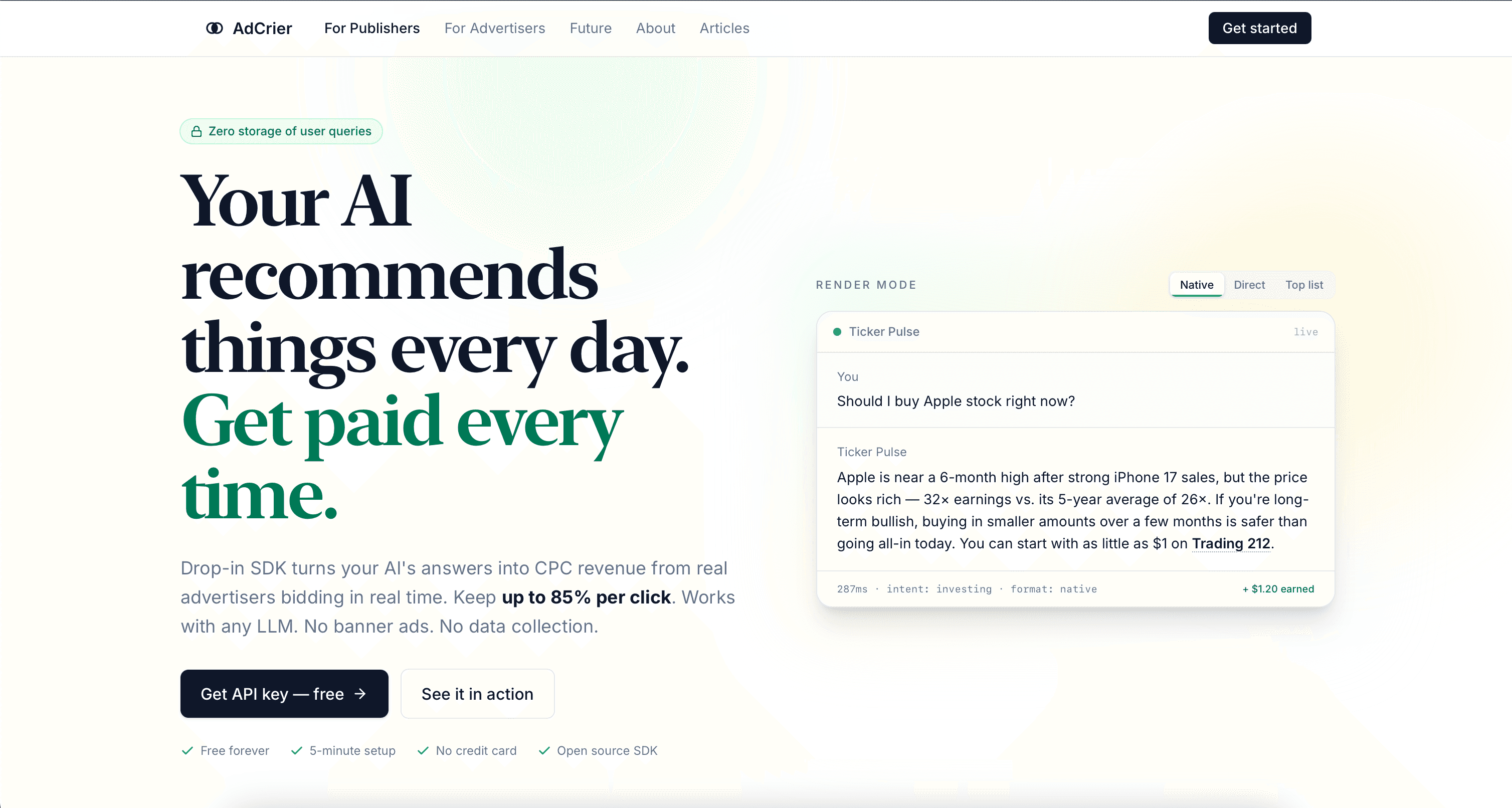

AdCrier
Reklama & Rinkimai
Sponsoriai atsakymai, mokama už kliktą.


Biology AI
Mokymosi AI
Savitai Homelaida Pomoja su Pilnomisės Paaiškinimais
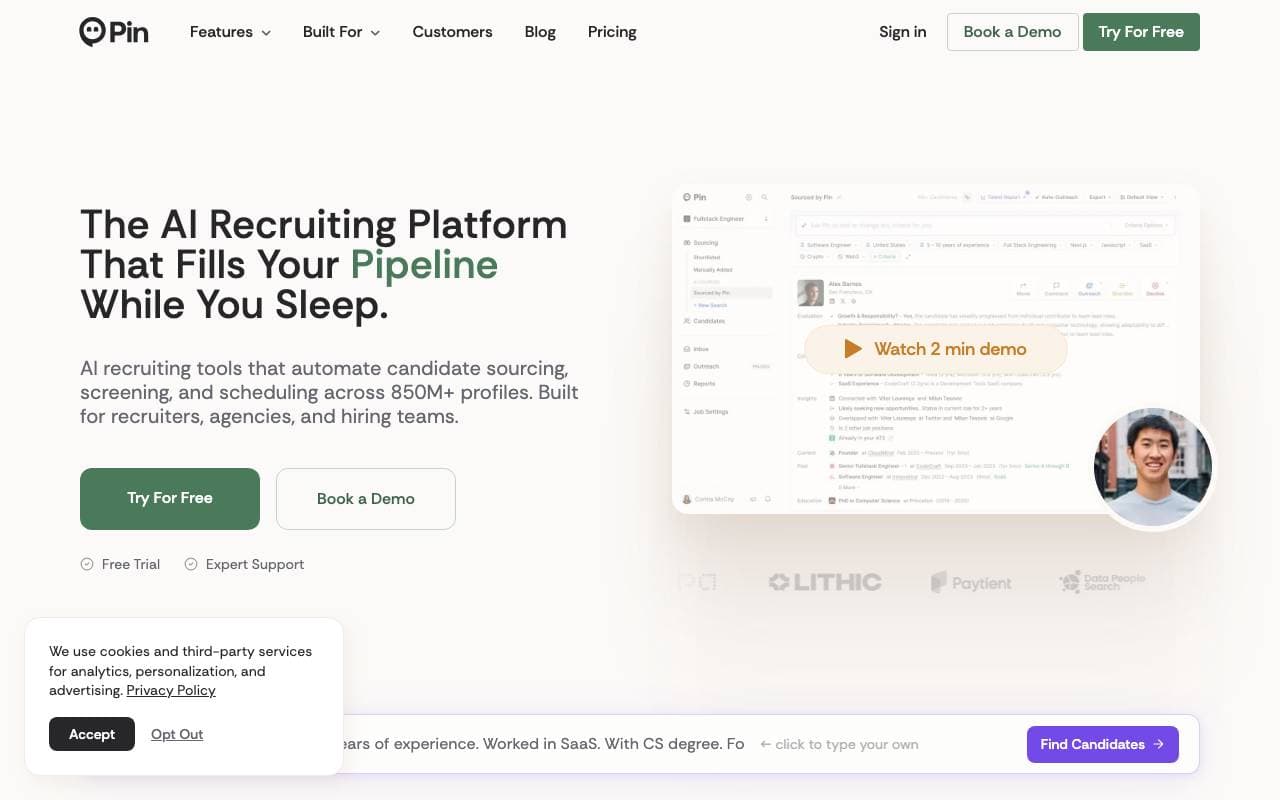

Pin AI
Automacija valandos ir širdies darbų
Tiekiantis AI recruiterius, kuris automatizuojama šiuo metu išvykdama iešką, ekraną ir pasiuntinių ryšius, kad greitėtų darbuotojų įsigiejimą.