
Segment Anything Model (SAM)Modello fondazionale Meta AI per la segmentazione di immagini tramite punti e scritte di comando su oggetti o scene di qualsiasi tipo.

Panoramica
Funzionalità chiave
- Segmentazione tramite punti e scritte di comando
- Generazione automatica di maschere per intere immagini
- Encoder di immagini basato su ViT
- Trasferimento zero-shot nei nuovi domini
- Codice open source e dataset SA-1B
- Integrazione con PyTorch e pila CV comuni
Prezzi
- Modello
- Freemium
- Categoria
- Visione Artificiale
- Valutazione
- 4.8 / 5 (5)
Casi d’uso
Annotazione accelerata dei dati di settaggio
Utilizza la segmentazione promiscibile del SAM per etichettare rapidamente oggetti negli insiemi di dati di immagini con semplici clic o quadri, tagliando il tempo di annotazione manuale per i flussi di training ML.
Modifica di immagini e composizione
Genera maschere precise degli oggetti per la rimozione di sfondo, modifiche selettive o composizione nelle herramienta creative senza dover training di un modello di segmentazione personalizzato.
Analisi di immagini mediche e scientifiche
Applica la segmentazione zero-shot a scansioni mediche o immagini scientifiche per isolare le strutture di interesse, aiutando le misurazioni e l'analisi downstream.
Percezione per robotica e AR/VR
Integra SAM nei flussi di visone computazionale per isolare gli oggeti nella manipolazione dei roboti o nella comprensione dei scene AR/VR utilizzando punti o prompiti rettangolari.
Pro & contro
Pro
- Struttura dei contenuti di segmentazione zero-shot forte
- Promt flessibili: punti, caselle o maschere
- Pesi aperti ed ampio dataset pubblico
- Impiego facile mediante library Python ufficiale
- cons
- :
- Modello grande può essere pesante per l'uso in tempo reale su CPU,Non assegna etichetta classi semantiche,Qualità scende su strutture molto piccole o fini,Hai bisogno di scritte di comando o impegno per la generazione di maschere automatiche,useCases,:,[object Object],[object Object],[object Object]
Contro
- Il modello grande può essere pesante per l'uso in tempo reale su CPU
- Non assegna etichette semantiche di classe
- La qualità diminuisce su strutture molto piccole o fini
- Richiede impostazione della configurazione di generazione del maschera o richiesta di prompt
Recensioni
Media su 5 valutazioni.
Accedi per lasciare una recensione.
Years in this space
I've evaluated a lot of these over the years. What stands out here is pretrained ViT-based image encoder — handled better than most — and strong zero-shot segmentation on unseen objects. Worth the time if this is your use case.

Years in this space
I've evaluated a lot of these over the years. What stands out here is promptable segmentation with points and boxes — handled better than most — and flexible prompts: points, boxes, or masks. Worth the time if this is your use case.

Use it every day
Honestly didn't expect to like it this much. Integrates with PyTorch and common CV stacks is exactly what I needed, and easy to integrate via official Python library. I do wish requires prompts or automatic mask generation setup, but I reach for it almost every day now and it just clicks.
Skeptical, then convinced
I went in skeptical — most tools in this space overpromise. It actually delivers on zero-shot transfer to new domains, and strong zero-shot segmentation on unseen objects caught me off guard. Requires prompts or automatic mask generation setup is why this isn't a perfect score, still, I'd recommend giving it a real trial.
Skeptical, then convinced
I went in skeptical — most tools in this space overpromise. It actually delivers on automatic mask generation for entire images, and open weights and large public dataset caught me off guard. still, I'd recommend giving it a real trial.
Domande e risposte
Does SAM provide semantic class labels for the segmented objects?
No, SAM outputs binary masks only; it does not assign semantic class labels, so you would need an additional classifier if label information is required.
Asked by Giulia Conti · Mar 23, 2026
Can SAM be used for real‑time applications on CPU‑only hardware?
Because SAM’s ViT‑based encoder is large, it runs efficiently on GPUs but can be slow on CPUs, making real‑time CPU‑only deployment challenging for high‑throughput use cases.
Asked by Tariq Aziz · Feb 22, 2026
What input prompts does SAM accept for generating segmentation masks?
SAM can take point clicks, bounding boxes, or rough masks as prompts, and it also offers an automatic mode that generates masks for all objects in an image without any user input.
Asked by Salome Beridze · Dec 22, 2025
Fai una domanda
Alternative a Visione Artificiale
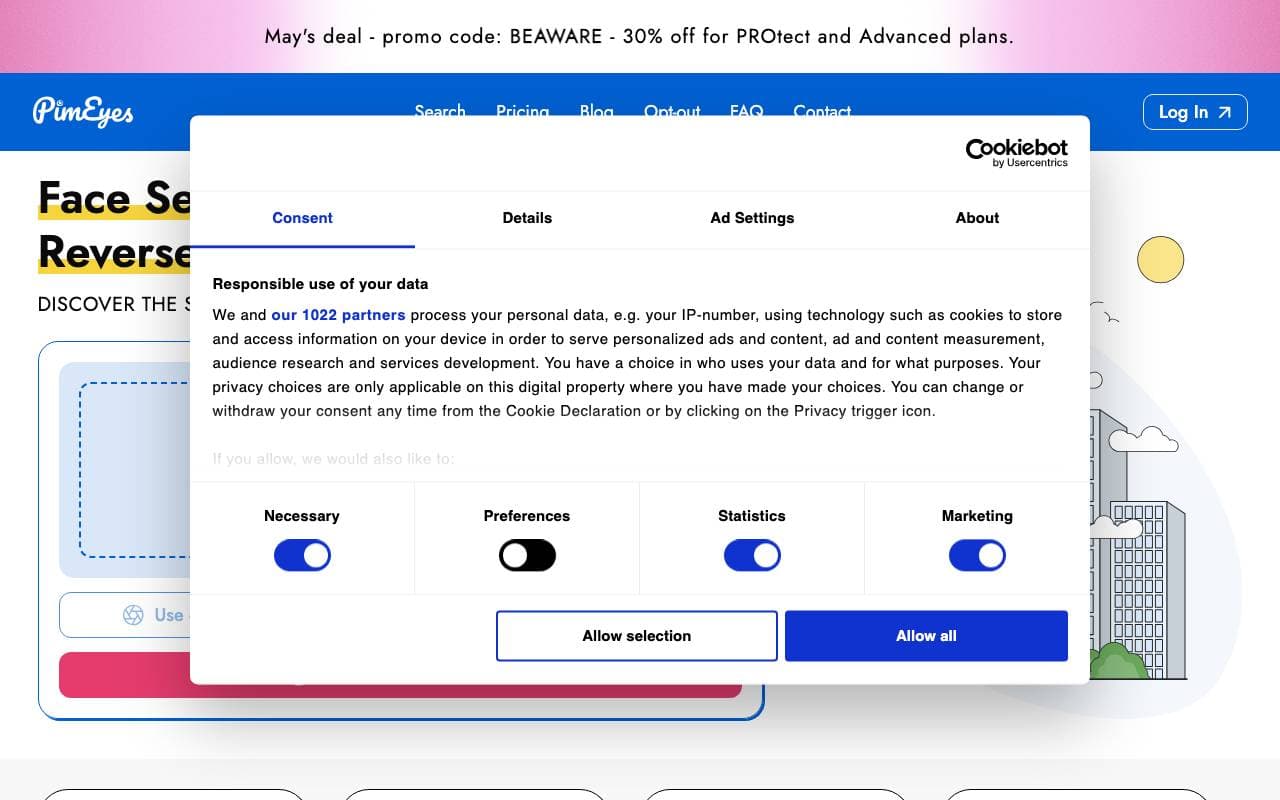

PimEyes
Visione Artificiale
Motore di ricerca viso per trovare online foto di una persona specifica


Qate AI
Visione Artificiale
Garanzia QA GenAI che esplora e testa la tua app come un utente reale.


Self-Parking Car Evolution
Visione Artificiale
Demo di algoritmo genetico che evolve automobili virtuali self-parking nell'ambiente del browser.


Roboco AI
Visione Artificiale
Frammento di agente AI autonomo per la creazione di applicazioni robotiche con compiti guidati.


Mapless AI
Visione Artificiale
Piattaforma di controllo remoto per un gestione sicura della flotta autonoma e senza conducente.
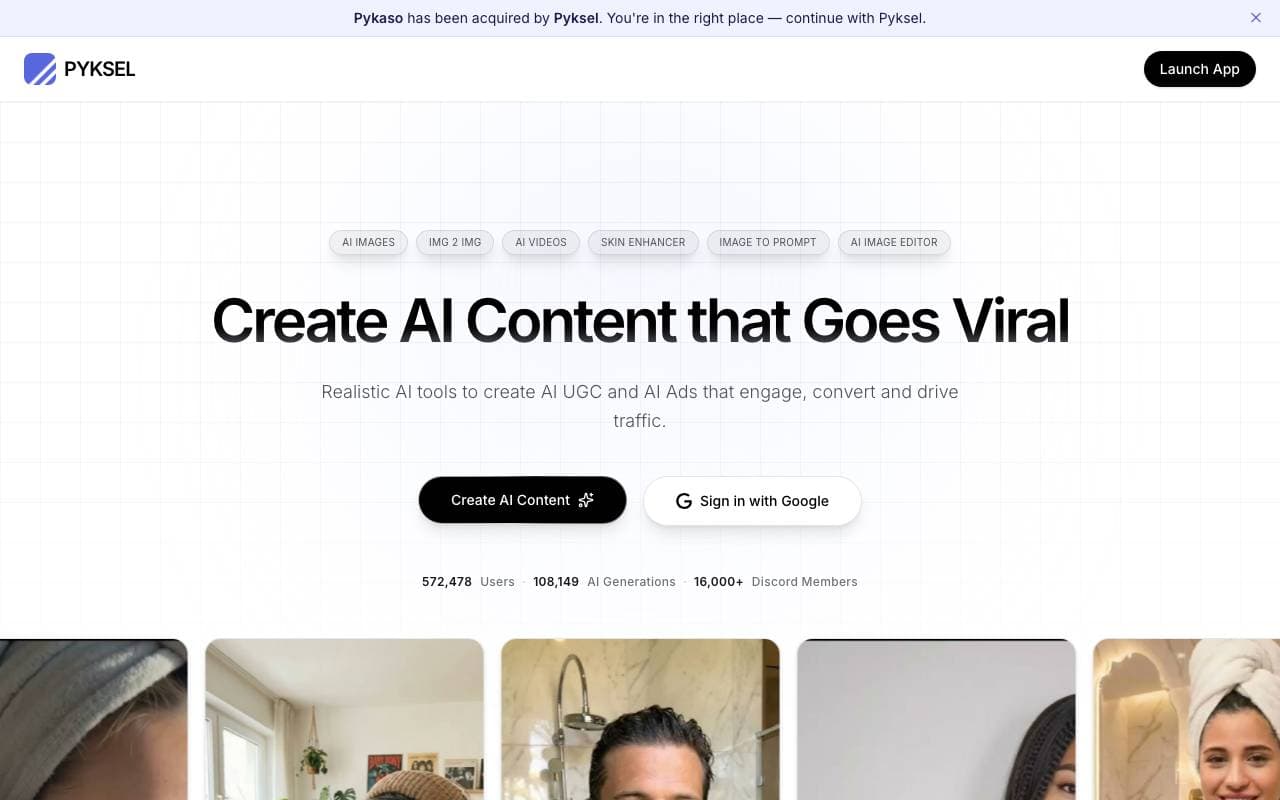

Pykaso
Visione Artificiale
Generazione di immagini e video estremamente realistiche con allenamento personalizzato di LoRA.


ExpertDevTech
Visione Artificiale
Software personalizzato, intelligenza artificiale e soluzioni digitali progettate per accelerare la crescita aziendale.

Retouch4me
Visione Artificiale
Plugin AI di retouching che automatizza il lavoro sulla pelle, i colori e i dettagli mentre mantiene le texture naturali.
Trending now


Reducto AI
Piattaforme per lo Sviluppo di Agenti AI
API di intelligenza dei documenti che elabora, suddivide, riconosce testi da immagine e estrae dati strutturati da PDFs complessi, diapositive e fogli elettronici


AdCrier
Marketing & Publicità
Risposte sponsorizzate, pagate per clic


Biology AI
Intelligenza Artificiale per l"Educazione
Aiuto di Alta Qualità per i Compiti con Spiegazioni Dettagliate


Pin AI
Automazione di workflow
Recruiter AI Agent che automatizza la sorgenza, lo screening e la outreach per velocizzare il processo di assunzione.