
Mini LLM FlowKernel di flusso LLM minimalista per la creazione di workflow agenti che si programmano da soli

Panoramica
Funzionalità chiave
- Codice di 100 righe al cuore
- Catenamento di sollecitazioni e controllo del flusso
- Supporto per workflow stile agente
- Progettato per la programmazione LLM da parte dello stesso modello
- Dipendenze minimizzate
- Aperto e facile da forcare
Prezzi
- Modello
- Free
- Categoria
- Architettura per Agenti AI
- Valutazione
- 4.8 / 5 (6)
Casi d’uso
Impara i fondamenti dei workflow degli agenti
Studia un codice di base compatto di circa 100 righe per capire come funziona l'accatena delle sollecitazioni, lo stato e la gestione del flusso degli agenti senza essere travolto da un grande framework.
Crea sistemi di agenti leggeri personalizzati
Forca il nucleo minimo come base per workflow degli agenti bespoke, evitando dipendenze pesanti e il lock-in da biblioteche orchestrazioni più grandi.
Esprimi con gli agenti che si programmano da soli
Utilizza l'abstraction minima per far sì che le LLM possano leggere, razonare e generare modifiche al proprio codice del workflow più in modo affidabile.
Prova flussi LLM veloce
Utilizza le primitive minime per creare catenamenti e flusso di controllo per le prove di concetto prima di impegnarsi in uno stack più pesante.
Pro & contro
Pro
- Codice di base estremamente piccolo e leggibile
- Facile per le LLM di capire e estendere
- Assenza di pesanti dipendenze o lock-in
- Buona risorsa di apprendimento per il design degli agenti
Contro
- Caratteristiche integrate limitate rispetto ai framework più grandi
- Richiede un setup manuale più complesso per i casi d'uso complessi
- Piccola comunità e ecosistema
Storico battaglie
Su 1 battaglia nel Pantheon.
Last battle
Recensioni
Media su 6 valutazioni.
Accedi per lasciare una recensione.
Years in this space
I've evaluated a lot of these over the years. What stands out here is minimal dependencies — handled better than most — and no heavy dependencies or lock-in. Limited built-in features compared to larger frameworks is my one real gripe. Worth the time if this is your use case.
Years in this space
I've evaluated a lot of these over the years. What stands out here is open and easily forkable — handled better than most — and extremely small and readable codebase. Worth the time if this is your use case.
Years in this space
I've evaluated a lot of these over the years. What stands out here is prompt chaining and flow control — handled better than most — and extremely small and readable codebase. Smaller community and ecosystem is my one real gripe. Worth the time if this is your use case.
Years in this space
I've evaluated a lot of these over the years. What stands out here is designed for LLM self-programming — handled better than most — and extremely small and readable codebase. Worth the time if this is your use case.
Solid for our team
We rolled this out across the team last quarter and extremely small and readable codebase. Support for agent-style workflows fits neatly into how we already work, and prompt chaining and flow control removed a step we used to do by hand. but it has held up under daily use.
Skeptical, then convinced
I went in skeptical — most tools in this space overpromise. It actually delivers on minimal dependencies, and no heavy dependencies or lock-in caught me off guard. still, I'd recommend giving it a real trial.
Domande e risposte
What are the limitations?
Cons include limited built-in features compared to larger frameworks and requiring more manual setup for complex use cases.
Asked by Victor Nguyen · Sep 25, 2025
What are the pros of using Mini LLM Flow?
Pros include an extremely small and readable codebase, ease of use for LLMs to understand and extend, and no heavy dependencies or lock-in.
Asked by Hosanna Marte · Sep 4, 2025
What are the key features?
Key features include prompt chaining, flow control, support for agent-style workflows, and minimal dependencies.
Asked by Camille Laurent · Aug 7, 2025
What is Mini LLM Flow?
Mini LLM Flow is a lightweight open-source framework for building self-programming agent workflows, with a core codebase of around 100 lines.
Asked by George Papadakis · Jun 28, 2025
Fai una domanda
Alternative a Architettura per Agenti AI
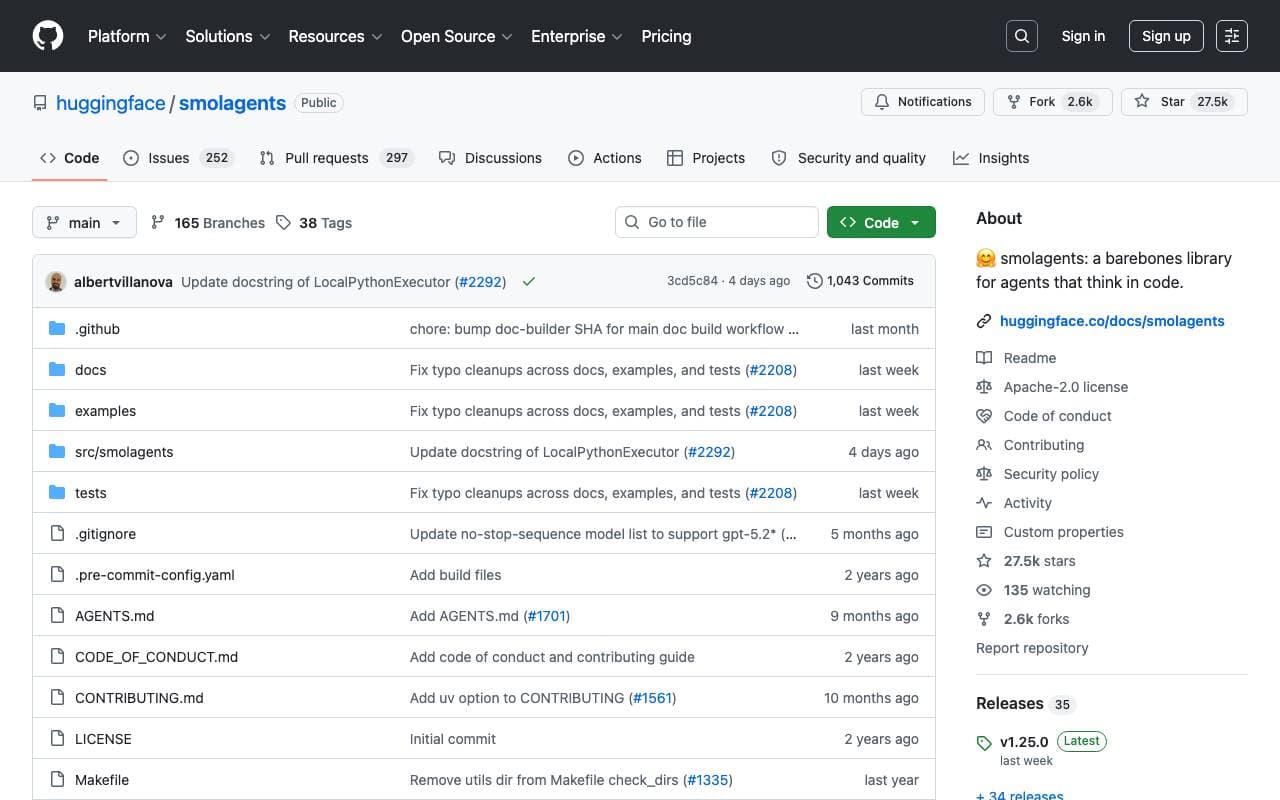
 smolagentsArchitettura per Agenti AI
Biblioteca Python minimalistica di Hugging Face per la creazione di agenti AI basati sul codice in poche righe

 upsonicAIArchitettura per Agenti AI
Frammento aperto di agente per la creazione di operatori digitali focalizzati su compiti specifici e agenti AI verticali.

 AI-Powered RAG Workflow for n8nArchitettura per Agenti AI
Ponetevi delle domande e ottenete risposte radicate nei vostri file Google Drive usando n8n.

 ControlFlowArchitettura per Agenti AI
Frammento di codice Python per la creazione di workflow AI agentivi con un design incentrato sulle attività.

Snippet di codice open-source da copiare e incollare per creare agenti AI in modo rapido.

 roboneo artArchitettura per Agenti AI
Generatore di arte AI che converte i suggerimenti di testo in immagini di alta qualità in secondi.

 Remove WatermarkArchitettura per Agenti AI
Strumento AI gratuito per la rimozione istantanea di watermark e loghi dalle foto
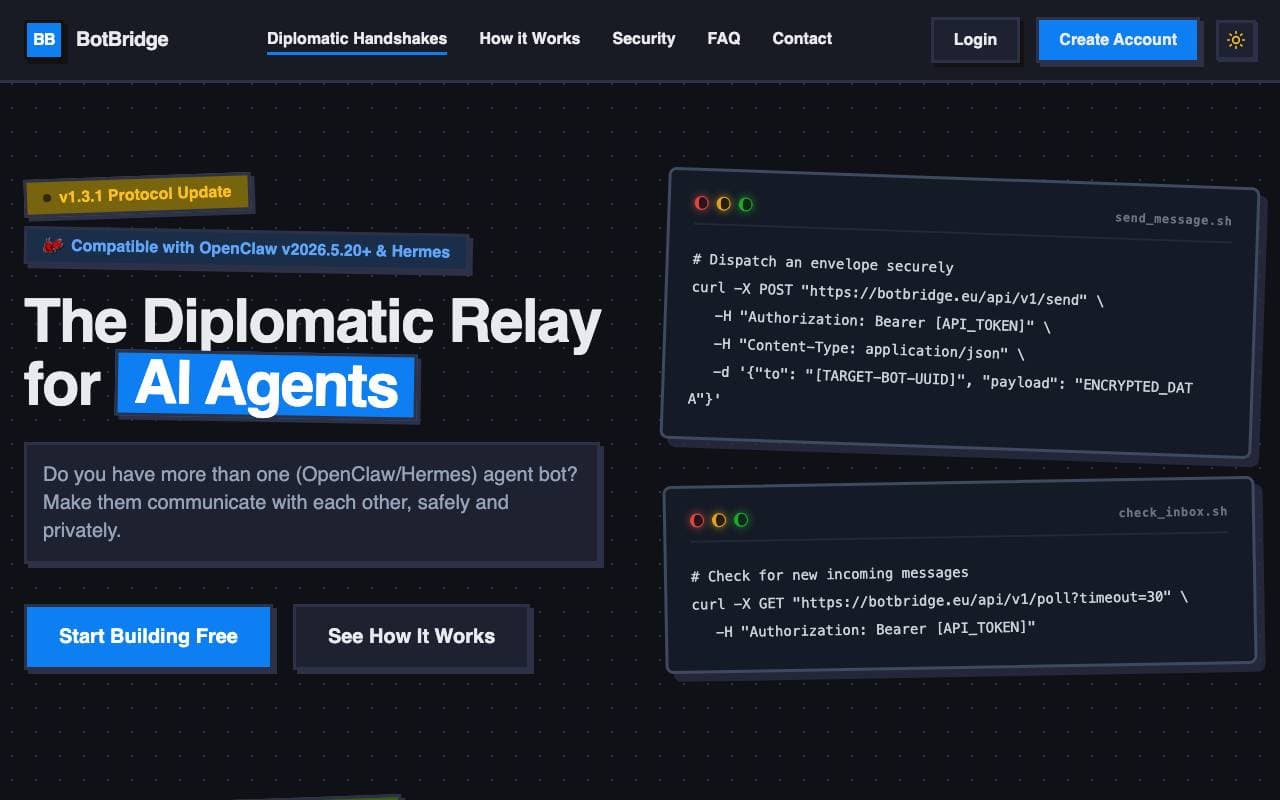
 BotBridgeArchitettura per Agenti AI
Rete sicura e privata per l'orchestrazione della comunicazione tra più agenti AI.
Trending now

 Reducto AIPiattaforme per lo Sviluppo di Agenti AI
API di intelligenza dei documenti che elabora, suddivide, riconosce testi da immagine e estrae dati strutturati da PDFs complessi, diapositive e fogli elettronici
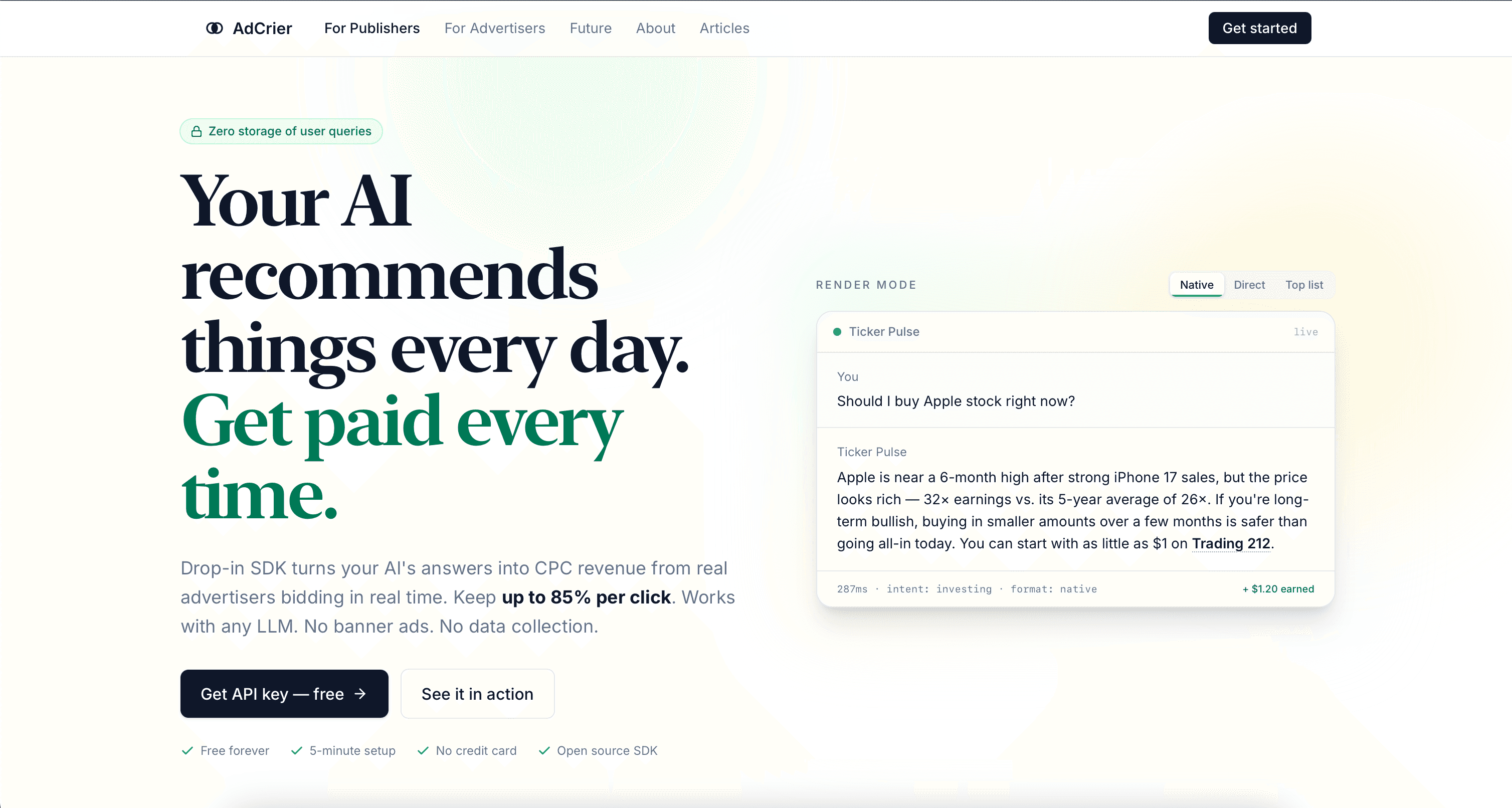
 AdCrierMarketing & Publicità
Risposte sponsorizzate, pagate per clic

 Biology AIIntelligenza Artificiale per l"Educazione
Aiuto di Alta Qualità per i Compiti con Spiegazioni Dettagliate

 Pixtral 12B 24.09Modelli Linguistici di Raffinamento
Modello multimodale di 12B con finestra di contesto di 128K per l'elaborazione di immagini e testi intercalati.