LangChainFrammento open-source e piattaforma per la creazione, il deployment e il monitoraggio di agenti affidabili alimentati da LLM.

Panoramica
Funzionalità chiave
- Catenature componibili e agenti per applicazioni LLM
- LangGraph per workflow degli agenti stati e passi multipli
- LangSmith per tracciamento, valutazione e monitoraggio
- Integrazioni con i principali provider di modelli LLM, database vettoriali e API
- SDK per Python e JavaScript/TypeScript
- Tooling per la generazione con l'aggiunta di retrieval (RAG)
Prezzi
- Modello
- Free
- Categoria
- Architettura per Agenti AI
- Valutazione
- 4.5 / 5 (4)
Casi d’uso
Creare Agenti LLM che utilizzano strumenti
Utilizza LangChain e LangGraph per progettare agenti che ragionano attraverso compiti di multitasking, chiamano API o strumenti e mantengano stato attraverso workflow degli agenti stati multi-stadio.
Applicazioni di Generazione Aggiunta di Retrieval
Combina strumenti RAG in LangChain con integrazioni nel database vettoriale per far affondare le risposte LLM nei tuoi documenti e archivi di conoscenza.
Debug e Monitorare Pipeline di AI
Levera LangSmith per tracciamento, valutazione e monitoraggio del comportamento degli agenti, aiutando le squadre a debbugare fallimenti e iterare su complesse pipeline di LLM.
Prototopo a sistema LLM di livello industriale
Utilizza catenature componibili in Python o JavaScript per passare da prototipi veloci a sistemi di livello industriale con input coerenti, memoria e chiamate al modello.
Pro & contro
Pro
- Grande ecosistema di integrazione con modelli, strumenti e fonti di dati
- Osservabilità e debbugaggio forte tramite LangSmith
- Agenti orchestratevano flessibili con LangGraph
- Comunità attiva e aggiornamenti frequenti
Contro
- Sintassi astratta può avere un'impostazione pesante per i casi d'uso semplici
- Cambiamenti API frequents richiedono manutenzione continua
- Flessione della curva di apprendimento nel più ampio ecosistema
Recensioni
Media su 4 valutazioni.
Accedi per lasciare una recensione.
Skeptical, then convinced
I went in skeptical — most tools in this space overpromise. It actually delivers on langSmith for tracing, evaluation, and monitoring, and flexible agent orchestration with LangGraph caught me off guard. still, I'd recommend giving it a real trial.

Years in this space
I've evaluated a lot of these over the years. What stands out here is python and JavaScript/TypeScript SDKs — handled better than most — and strong observability and debugging via LangSmith. Learning curve across the broader ecosystem is my one real gripe. Worth the time if this is your use case.
Solid for our team
We rolled this out across the team last quarter and active community and frequent updates. Integrations with major LLMs, vector databases, and APIs fits neatly into how we already work, and integrations with major LLMs, vector databases, and APIs removed a step we used to do by hand. Abstractions can feel heavy for simple use cases, which is the main caveat, but it has held up under daily use.

Solid for our team
We rolled this out across the team last quarter and large ecosystem of integrations with models, tools, and data sources. LangSmith for tracing, evaluation, and monitoring fits neatly into how we already work, and tooling for retrieval-augmented generation (RAG) removed a step we used to do by hand. but it has held up under daily use.
Domande e risposte
What does uptime mean for LangSmith Deployment usage?
Uptime is the duration your deployment’s database is live and persisting state. Uptime will be tracked as soon as your deployment is live and ends when you shut it down. Dev agent deployments are typically short-lived (used during iteration, then deleted) – whereas Production agent deployments stay live and are updated via revisions (rather than being deleted).
Asked by Aaliyah Johnson · Feb 4, 2026
Does LangSmith Deployment include any free deployments?
Plus plans include 1 free small serverless deployment. If you spin up additional serverless or dedicated deployments, you’ll be charged on usage (resource time).
Asked by Paulo Cardoso · Jan 28, 2026
Why would I upgrade a base trace to an extended trace?
Base traces are short-lived (14-day retention) and ideal for quick debugging or ad-hoc analysis. They’re priced for volume and short-term utility. Extended traces are retained for 400 days. This is useful when traces include valuable feedback associated with them, such as from users, evaluators, or human labelers. This feedback makes them valuable for ongoing improvement and model tuning. LangSmith lets you choose the right retention for each trace, helping you balance cost and value.
Asked by Lorenzo Bianchi · Jan 19, 2026
What is the difference between a base trace and an extended trace?
Base traces have a shorter retention period of 14 days. Extended traces have a longer retention period of 400 days. You can "upgrade" base traces to extended traces for an additional fee.
Asked by Yaw Owusu · Jan 8, 2026
What is a trace? Can it contain multiple events?
A trace represents a single execution of your application—whether it’s an agent, evaluator, or playground session. It can include many individual steps, such as LLM calls and other tracked events. Here's an example of a single trace.
Asked by Noor Siddiqui · Dec 26, 2025
Fai una domanda
Alternative a Architettura per Agenti AI
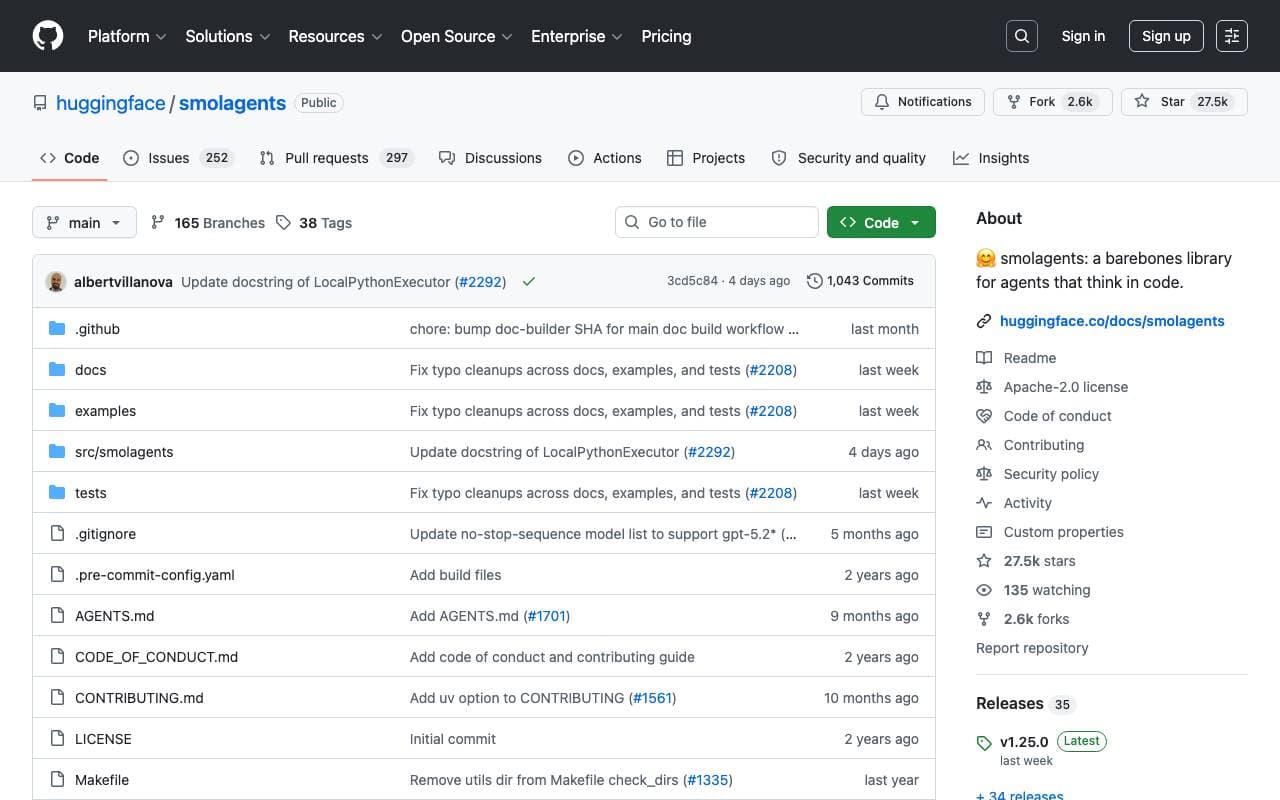

smolagents
Architettura per Agenti AI
Biblioteca Python minimalistica di Hugging Face per la creazione di agenti AI basati sul codice in poche righe


Mini LLM Flow
Architettura per Agenti AI
Kernel di flusso LLM minimalista per la creazione di workflow agenti che si programmano da soli

upsonicAI
Architettura per Agenti AI
Frammento aperto di agente per la creazione di operatori digitali focalizzati su compiti specifici e agenti AI verticali.


AI-Powered RAG Workflow for n8n
Architettura per Agenti AI
Ponetevi delle domande e ottenete risposte radicate nei vostri file Google Drive usando n8n.


ControlFlow
Architettura per Agenti AI
Frammento di codice Python per la creazione di workflow AI agentivi con un design incentrato sulle attività.


roboneo art
Architettura per Agenti AI
Generatore di arte AI che converte i suggerimenti di testo in immagini di alta qualità in secondi.

Agent Genesis
Architettura per Agenti AI
Snippet di codice open-source da copiare e incollare per creare agenti AI in modo rapido.


Eclat Institute
Architettura per Agenti AI
Tematica di IP e JC focalizzata per costruire una profonda padronanza della materia
Trending now


Reducto AI
Piattaforme per lo Sviluppo di Agenti AI
API di intelligenza dei documenti che elabora, suddivide, riconosce testi da immagine e estrae dati strutturati da PDFs complessi, diapositive e fogli elettronici
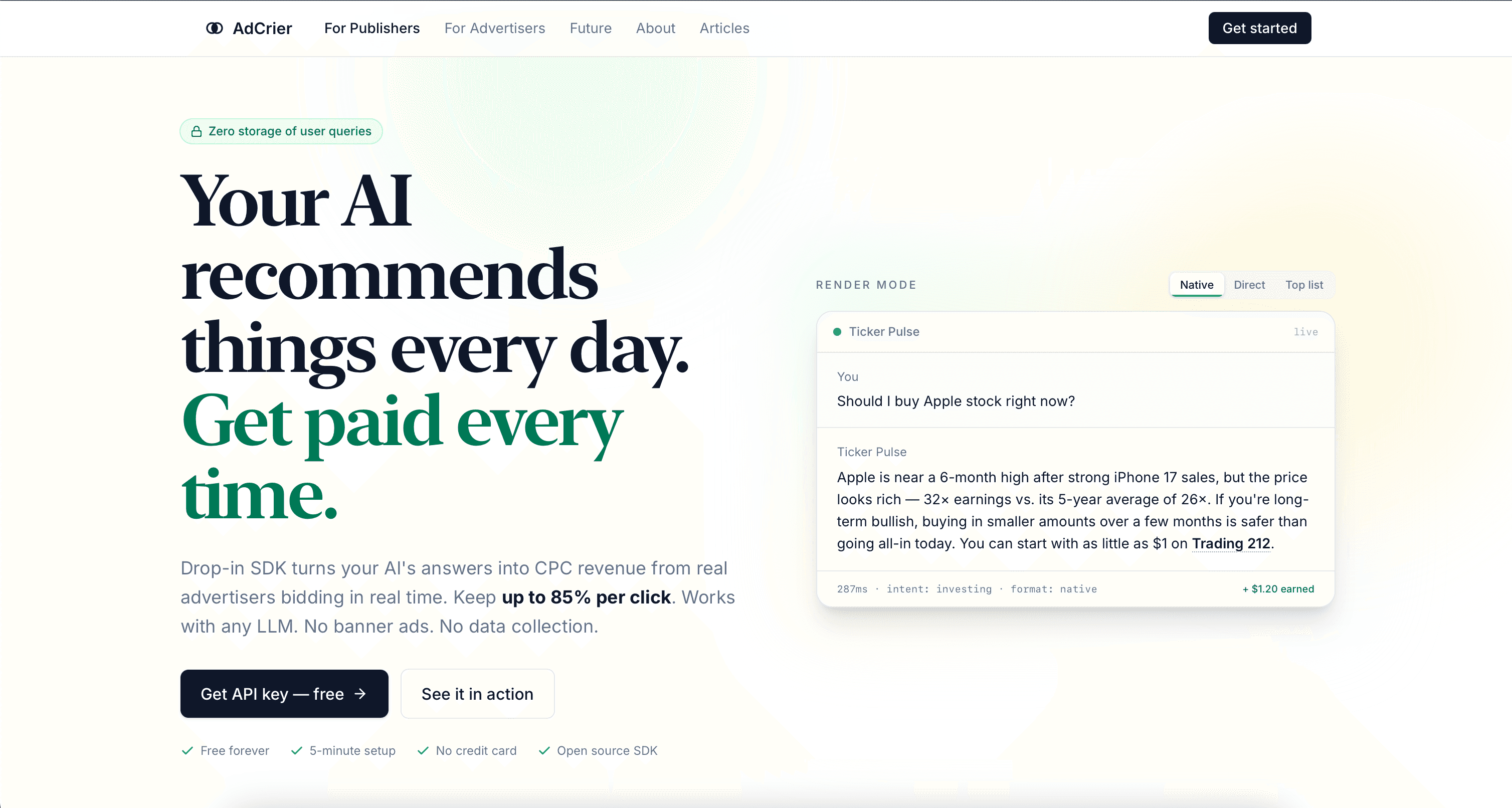

AdCrier
Marketing & Publicità
Risposte sponsorizzate, pagate per clic


Biology AI
Intelligenza Artificiale per l"Educazione
Aiuto di Alta Qualità per i Compiti con Spiegazioni Dettagliate
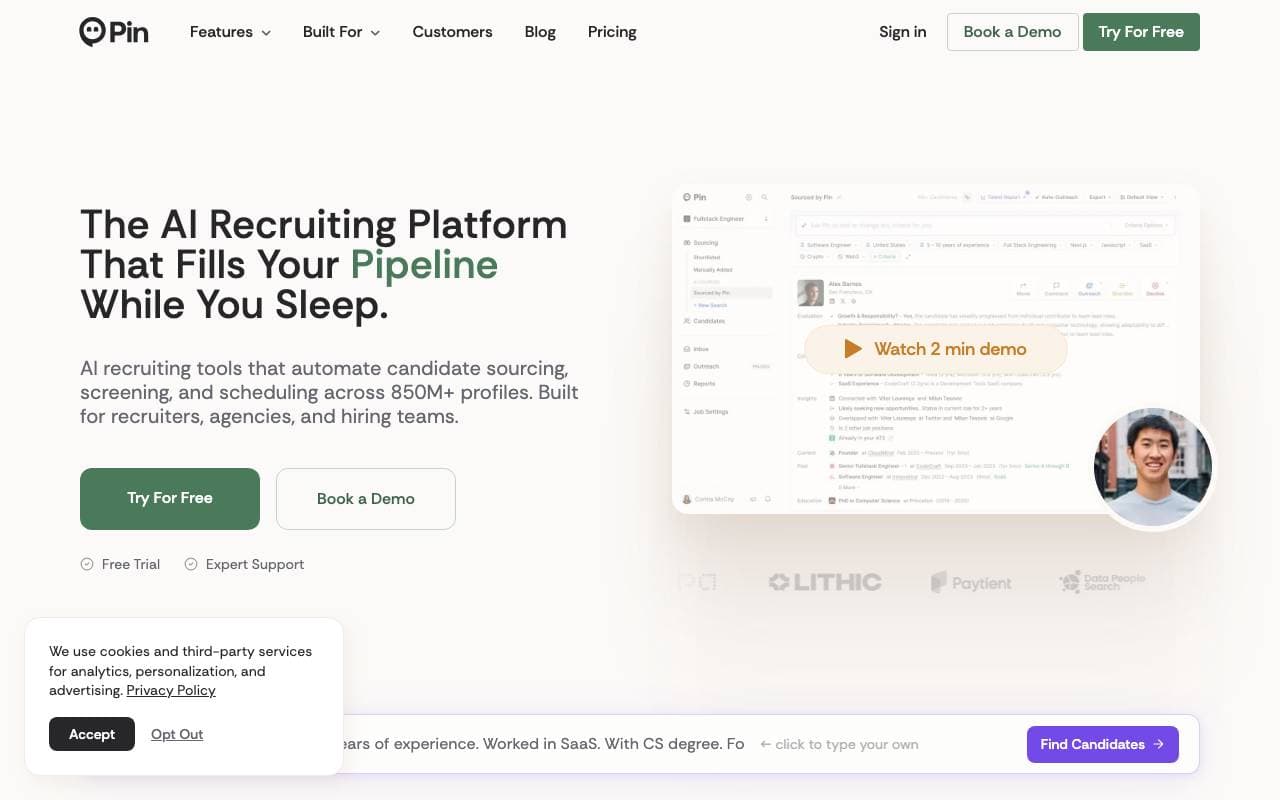

Pin AI
Automazione di workflow
Recruiter AI Agent che automatizza la sorgenza, lo screening e la outreach per velocizzare il processo di assunzione.