
Cloud Architect AgentAgente de IA que diseña arquitecturas cloud adaptadas a los requisitos empresariales.

Resumen
Funciones clave
- Generación automática de arquitecturas
- Recomendaciones basadas en requisitos empresariales
- Cobertura de diseño en múltiples capas
- Soporte para proveedores cloud comunes
- Iteración rápida de opciones de diseño
- Orientación para migración y modernización
Precio
- Modelo
- Free
- Categoría
- Flujo de Trabajo
- Valoración
- 4.6 / 5 (5)
Casos de uso
Creación rápida de arquitecturas cloud
Los arquitectos de soluciones describen las necesidades y restricciones de carga de trabajo para generar instantáneamente planos cloud de múltiples capas que cubren cómputo, almacenamiento, networking y seguridad.
Inicio de la planificación de migración
Los equipos que exploran la migración o modernización a cloud utilizan el agente para delinear arquitecturas objetivo y acelerar la fase de descubrimiento y planificación.
Orientación para la adopción cloud de startups
Las startups sin arquitectos dedicados traducen objetivos empresariales en recomendaciones concretas de infraestructura en los proveedores cloud comunes.
Iteración de diseño por consultores
Los consultores producen y itera rápidamente varias opciones de arquitectura para propuestas a clientes, reduciendo el esfuerzo de diagramación manual.
Pros y contras
Ventajas
- Acelera el diseño inicial de la arquitectura
- Personaliza la salida según las necesidades empresariales declaradas
- Reduce la dependencia de diagramación manual
- Punto de partida útil para la planificación de migraciones
Contras
- Los diseños generados aún requieren revisión de expertos
- Puede carecer de contexto profundo para empresas complejas
- La calidad depende de la especificidad de la entrada
Reseñas
Promedio de 5 valoraciones.
Inicia sesión para dejar una reseña.
Compared a few options
Evaluated this against two competitors. Where it wins: business-requirement-driven recommendations and speeds up initial architecture design. On balance the feature set — especially support for common cloud providers — justifies the 5 stars for our use case.

Does the job
Pretty happy overall. Business-requirement-driven recommendations just works and tailors output to stated business needs. but no dealbreakers — I'd recommend it to a friend without hesitating.
Years in this space
I've evaluated a lot of these over the years. What stands out here is business-requirement-driven recommendations — handled better than most — and helpful starting point for migration planning. Worth the time if this is your use case.

Skeptical, then convinced
I went in skeptical — most tools in this space overpromise. It actually delivers on rapid iteration on design options, and speeds up initial architecture design caught me off guard. Generated designs still need expert review is why this isn't a perfect score, still, I'd recommend giving it a real trial.
Use it every day
Honestly didn't expect to like it this much. Guidance for migration and modernization is exactly what I needed, and reduces reliance on manual diagramming. I do wish may lack deep context for complex enterprises, but I reach for it almost every day now and it just clicks.
Preguntas y respuestas
What is the benefit of using the tool?
It speeds up initial architecture design and reduces reliance on manual diagramming.
Asked by Ren Nakamura · Dec 23, 2025
Does the tool require expert review?
Yes, generated designs still need expert review despite the automation.
Asked by Zeynep Aydin · Dec 20, 2025
Can I rely on the generated architectures without expert review?
No. The generated designs are intended as a starting point and still require expert review, especially for complex enterprise scenarios. Output quality also depends heavily on how specific and detailed your input requirements are.
Asked by Naomi Suzuki · Nov 29, 2025
Who is this tool best suited for?
It's aimed at solution architects, DevOps teams, consultants, and startups exploring cloud adoption or migration. It's most valuable during the discovery and planning phase, when teams want to quickly translate high-level requirements into concrete architecture options without extensive manual design effort.
Asked by Sanjay Gupta · Nov 24, 2025
What cloud providers are supported?
The tool supports common cloud providers such as AWS, Azure, and Google Cloud.
Asked by Xander de Vries · Nov 22, 2025
Hacer una pregunta
Alternativas a Flujo de Trabajo
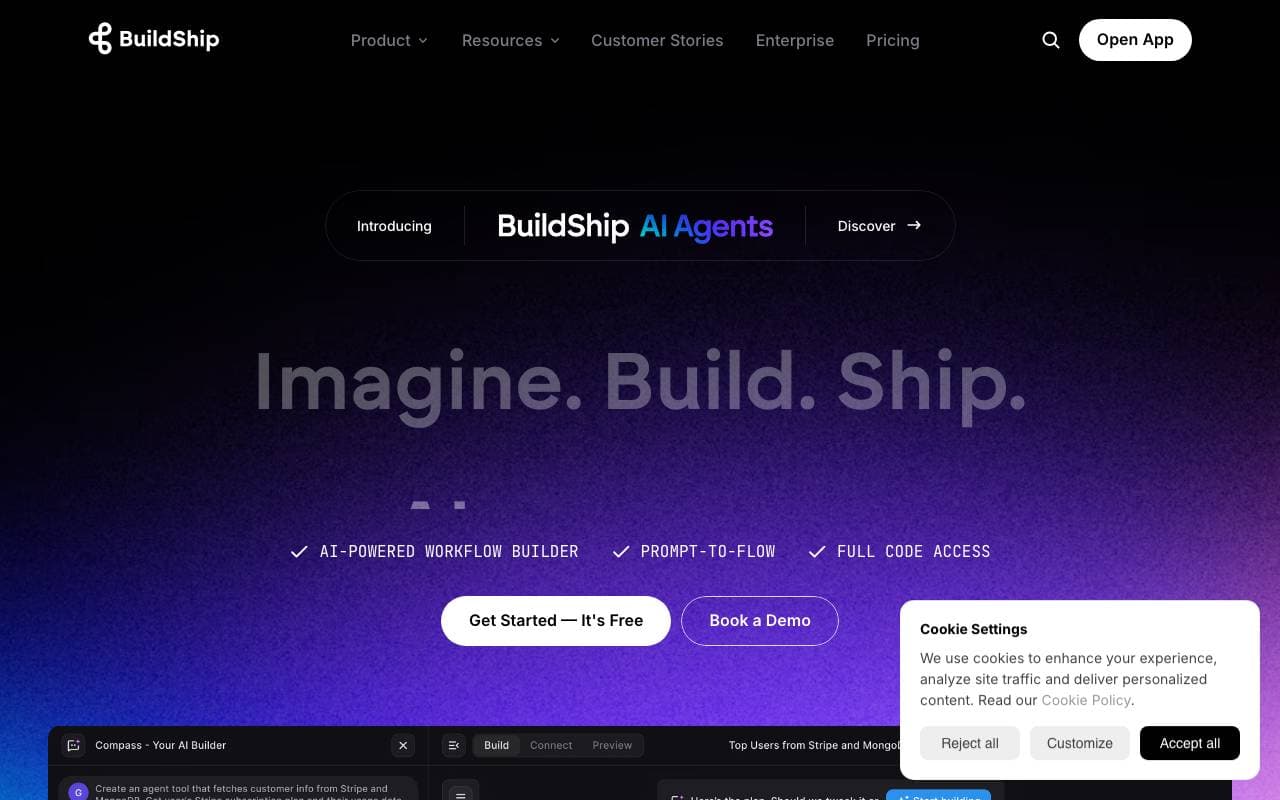
BuildShip
Flujo de Trabajo
Constructor visual low-code para flujos de trabajo de IA, APIs y automatizaciones de backend mediante lenguaje natural.
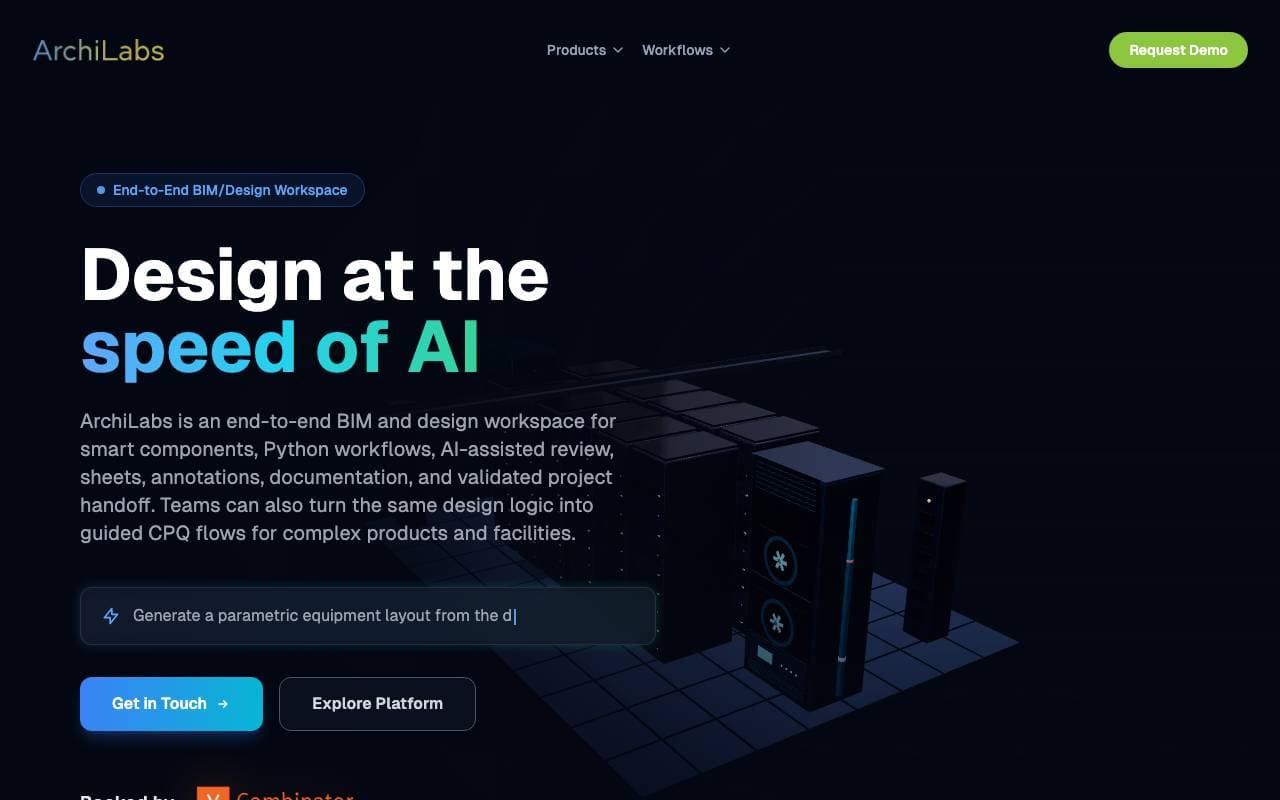
ArchiLabs
Flujo de Trabajo
Copiloto de IA para Revit que automatiza tareas de modelado mediante una sencilla interfaz de chat


vBots AI
Flujo de Trabajo
Automación inteligente creada para simplificar los flujos de trabajo de la aseguradora y reducir los errores manuales.


DeepFlows AI
Flujo de Trabajo
Asistentes impulsados por IA diseñados para aumentar la productividad de asesores financieros e inversionistas mediante la automatización de la redacción de documentos complejos y el análisis de información.


ClearWork Discovery Agent
Flujo de Trabajo
Descubrimiento de procesos automatizado que mapea y automatiza flujos de trabajo en horas, no meses.
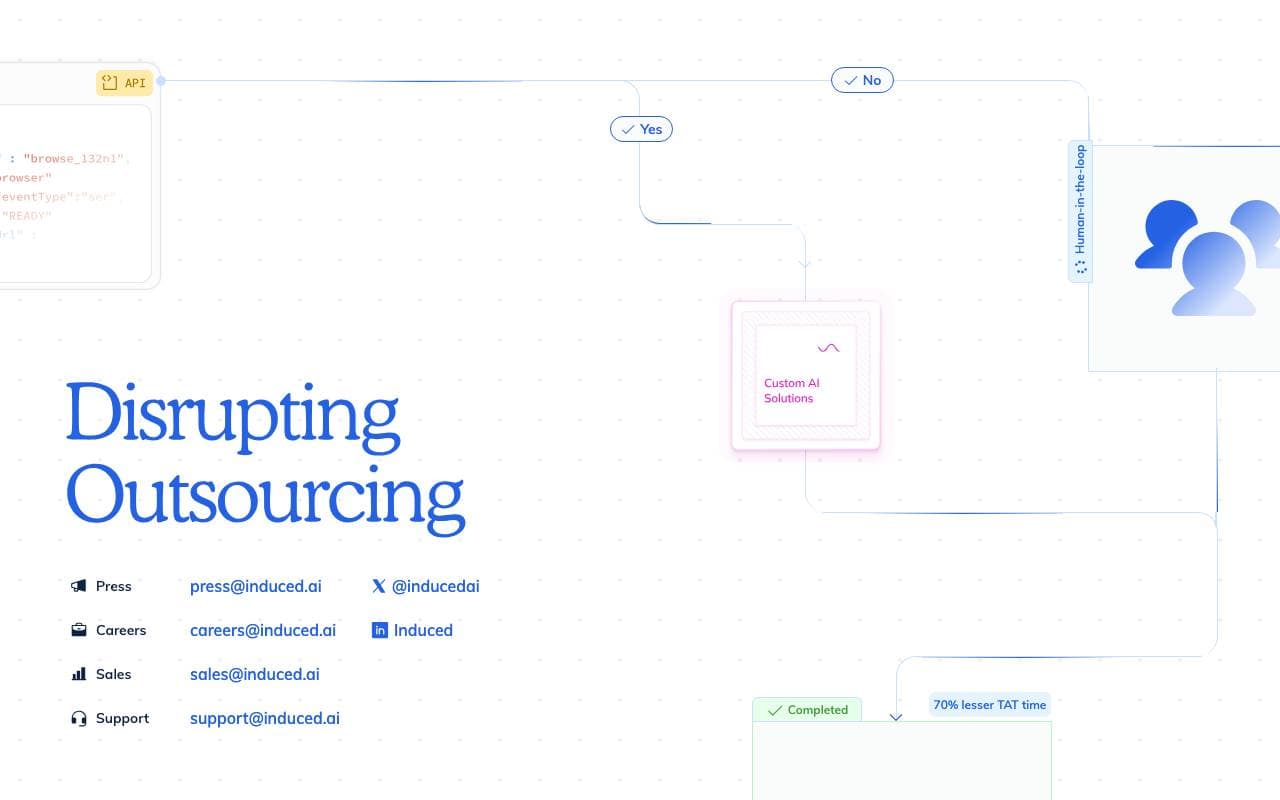

InducedAI
Flujo de Trabajo
Plataforma de automatización impulsada por IA para flujos de trabajo nativos del navegador
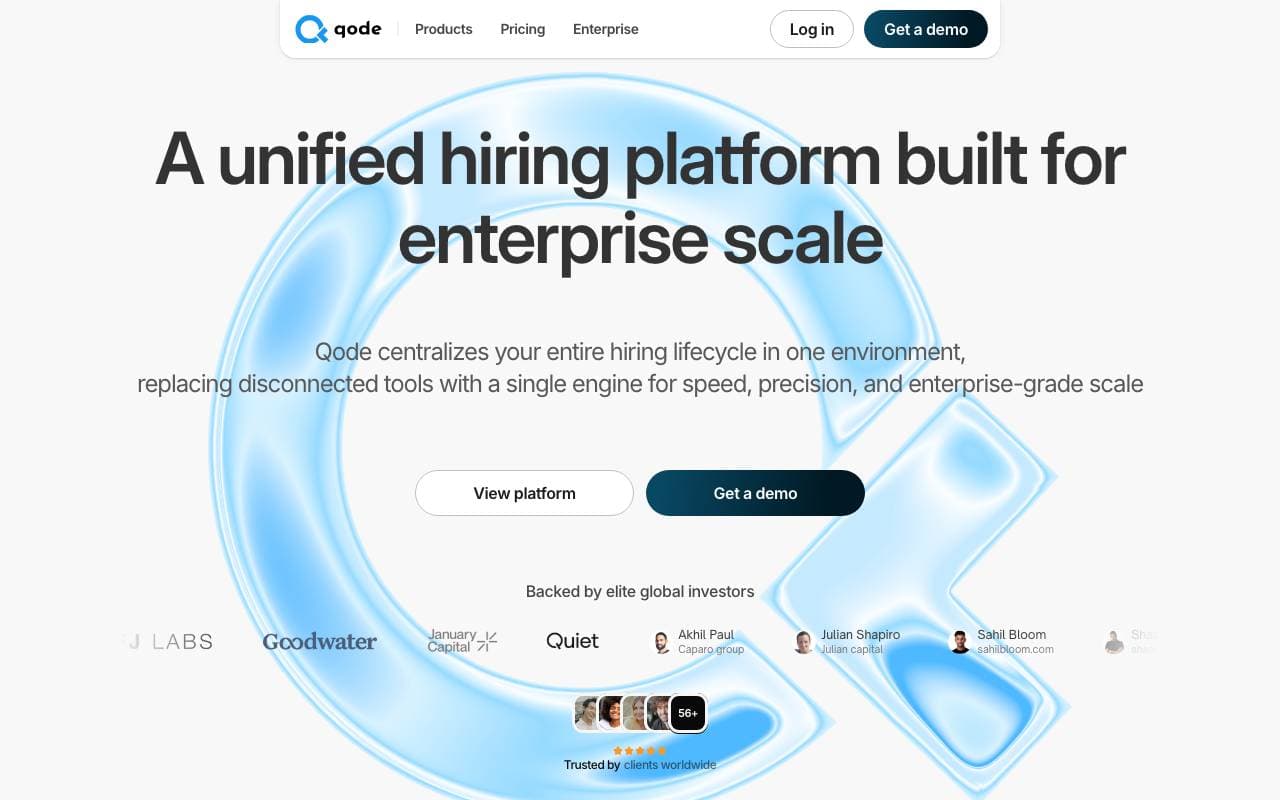

qode
Flujo de Trabajo
Automatización de reclutamiento impulsada por inteligencia artificial que busca, entrevista y clasifica a candidatos de principio a fin.


Activepieces
Flujo de Trabajo
Plataforma de automatización de código abierto, no-code y enfocada en IA para crear flujos de trabajo y agentes autónomos.
Trending now


Reducto AI
Plataformas de Desarrollo de Agentes de Inteligencia Artificial
API de inteligencia de documentos que analiza, divide, reconoce textos impresos y extrae datos estructurados desde PDF complejos, presentaciones y hojas de cálculo.


AdCrier
Marketing y Publicidad
Respuestas patrocinadas, pagadas por clic.


Biology AI
IA educativa
Ayuda precisa con las tareas de biología y explicaciones detalladas

Pin AI
Automatización de flujo de trabajo
Contratista de AI agente que automatiza la busca, la selección y el acercamiento para acelerar el reclutamiento.