Past battle · 2025-09-03 UTC
Large Language Models (LLMs) Showdown — September 3, 2025
From the Large Language Models (LLMs) category. 18 marks placed across 4 fighters. Ask GPT-4: AI Voice Chatbot took the crown.
Final standings



The line-up
The fighters
Profiles of every tool that competed in this battle, ranked by their final score.

Ask GPT-4: AI Voice Chatbot
Voice-enabled AI chatbot for instant answers, writing help, learning, and image generation.
Ask GPT-4: AI Voice Chatbot is a mobile-friendly AI assistant that combines conversational text and voice interaction with image generation capabilities. Users can speak or type their queries and receive responses for tasks ranging from quick answers and brainstorming to writing assistance and study support. The app aims to serve as an all-in-one assistant, handling everyday questions, creative writing, language learning, and visual content creation in a single interface. Its voice chat feature makes it useful for hands-free interactions, while text mode supports longer, more detailed exchanges. It targets casual users, students, and professionals who want a portable AI companion for productivity, curiosity, and creative projects without juggling multiple apps.
Criteria breakdown
- AI voice chat interaction
- Text-based Q&A and conversation
- AI image generation
- Writing and brainstorming assistance
- Learning and study support
- Mobile-friendly assistant interface

hadtoask.com
AI-powered focus group simulations for fast, affordable audience insights.
hadtoask.com is an AI research platform that simulates focus groups and audience feedback sessions on demand. Instead of recruiting participants and scheduling sessions, users describe their target audience and questions, then receive synthesized insights modeled on diverse personas. The tool is designed for marketers, product teams, and founders who need directional feedback quickly. It can help validate messaging, test concepts, or explore how different demographics might react to an idea before committing to larger studies. By compressing the cost and timeline of traditional qualitative research, hadtoask aims to make audience testing a routine part of decision-making rather than a one-off project.
Criteria breakdown
- Simulated focus group sessions
- Customizable audience personas
- Concept and messaging testing
- On-demand qualitative insights
- Quick turnaround compared to live studies

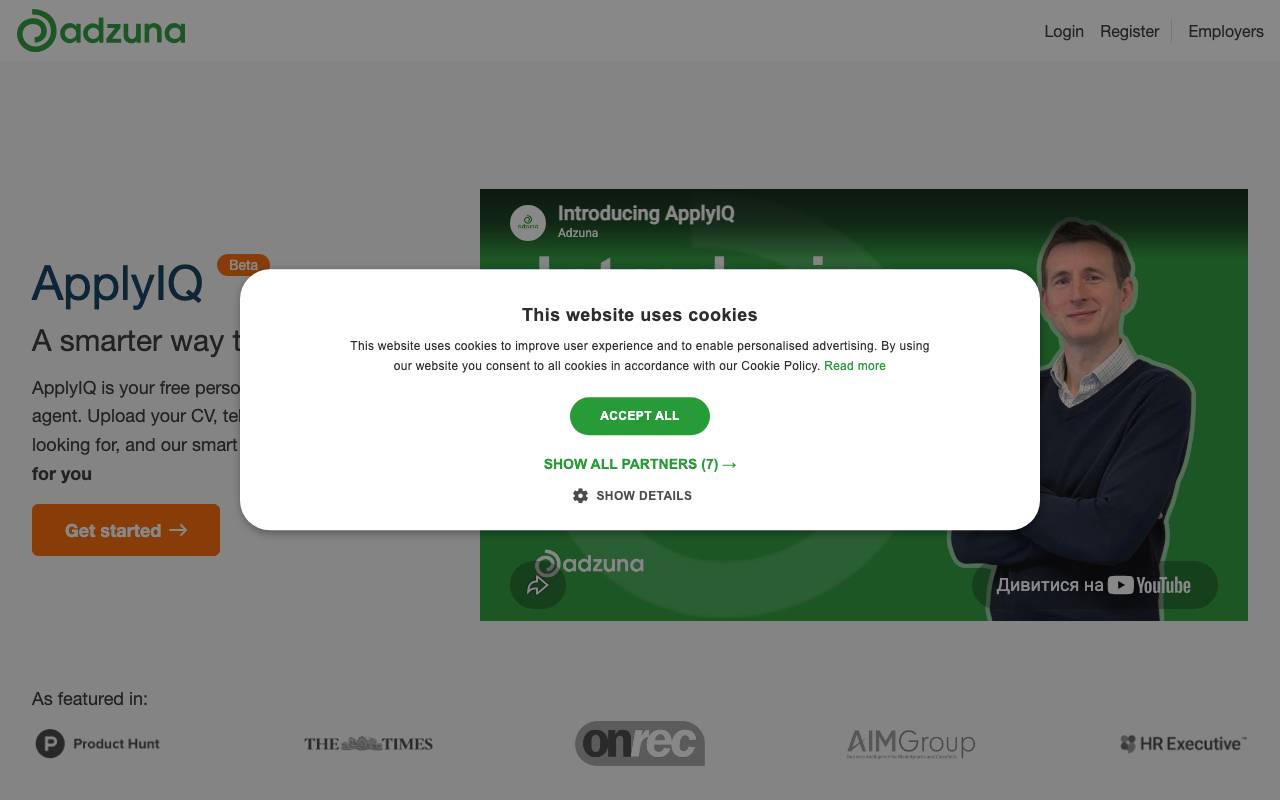
ApplyIQ is an AI-powered job search assistant that automates the most tedious parts of looking for work. After setting up a profile with your experience, preferences, and target roles, the agent continuously scans job boards, matches openings to your background, and submits tailored applications without manual effort. The tool is aimed at active job seekers who want broader reach without spending hours each day applying. By handling discovery, filtering, and submission in the background, ApplyIQ lets users focus on interview prep and networking while still maintaining a steady application volume.
Criteria breakdown
- AI agent that applies to jobs automatically
- Profile-based role matching
- Customizable search criteria and filters
- Continuous job board monitoring
- Application tracking dashboard
- Tailored submissions per listing

LangGraph
Open-source framework for building stateful, multi-actor LLM applications with graph-based workflows.
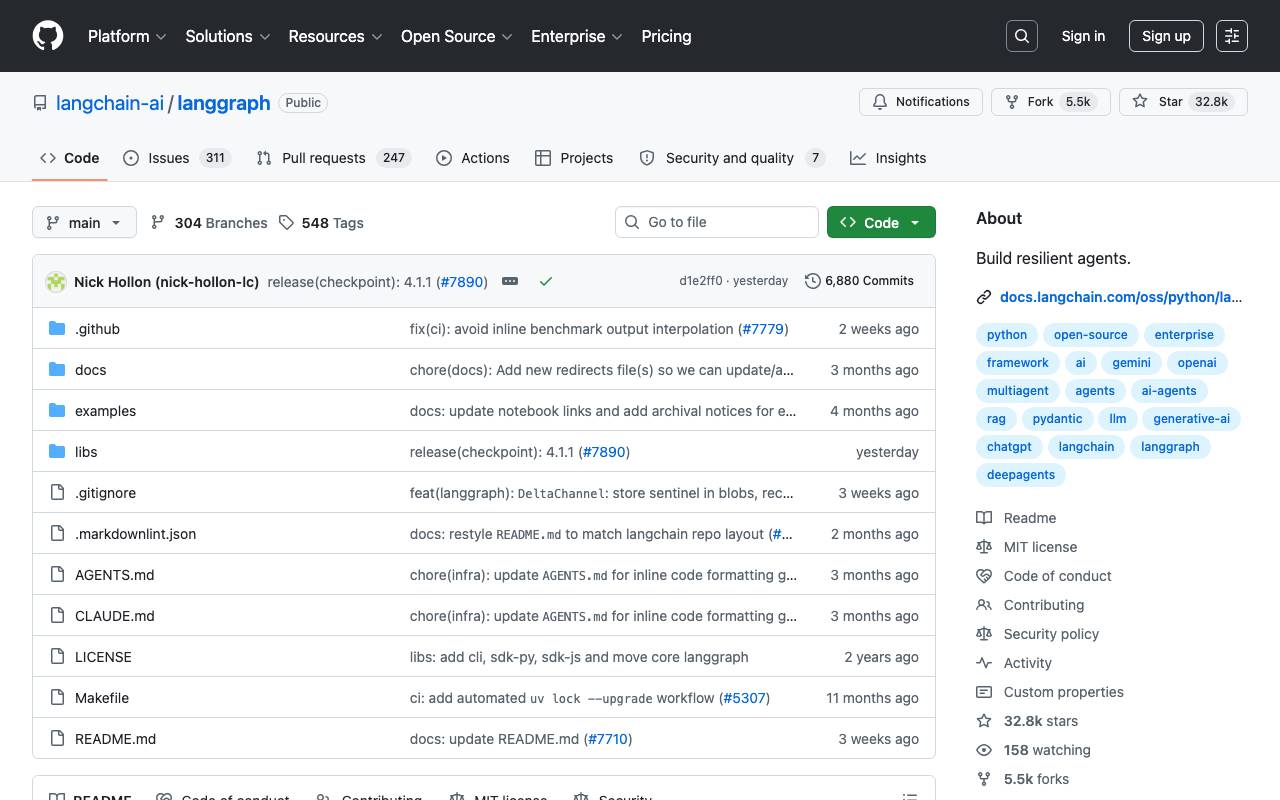
LangGraph is an open-source framework designed for orchestrating complex, stateful applications powered by large language models. Built by the team behind LangChain, it models agent workflows as graphs of nodes and edges, giving developers fine-grained control over how language models, tools, and human inputs interact across multiple steps. Unlike linear chains, LangGraph supports cycles, branching logic, and persistent state, making it well-suited for long-running agents, multi-agent collaboration, and applications that require memory or human-in-the-loop checkpoints. It integrates with the broader LangChain ecosystem and works with most major LLM providers. Developers typically use LangGraph to build production-grade agents such as research assistants, customer support systems, and autonomous workflow tools where reliability, observability, and controllability matter.
Criteria breakdown
- Graph-based agent orchestration
- Built-in state management and memory
- Multi-actor and multi-agent support
- Streaming and async execution
- Checkpointing for pause and resume
- Compatible with major LLM providers