Past battle · 2026-04-15 UTC
Software Development Showdown — April 15, 2026
From the Software Development category. 21 marks placed across 7 fighters. Plexe took the crown.
Final standings






The line-up
The fighters
Profiles of every tool that competed in this battle, ranked by their final score.

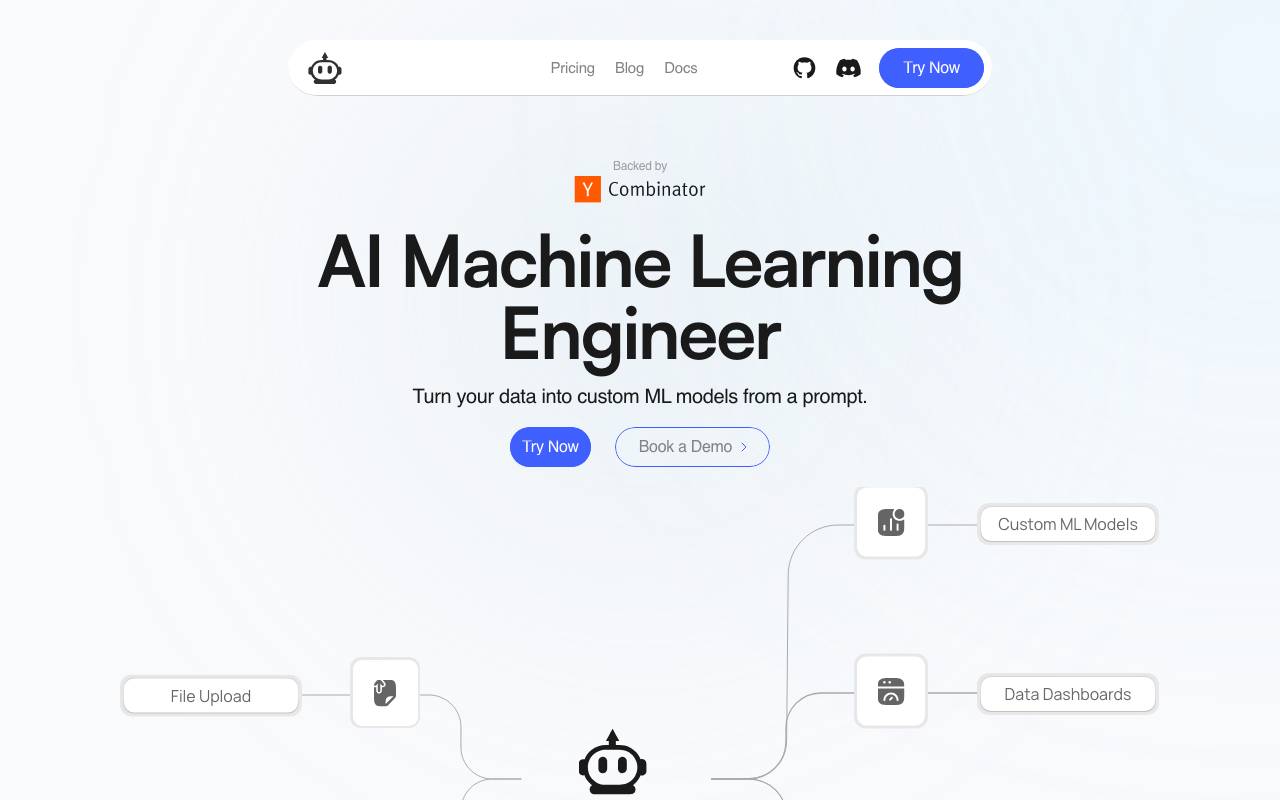
Plexe is an AI development platform designed to help engineers create custom machine learning models more quickly by translating natural language descriptions into working ML pipelines. It aims to reduce the time spent on boilerplate tasks like data preprocessing, model selection, and training setup. The tool targets developers and data teams who want to prototype and ship AI features without manually wiring up every stage of the model lifecycle. By automating common steps and offering a higher-level interface, Plexe positions itself as a way to move from idea to functional model in less time than traditional workflows.
Criteria breakdown
- Natural language to ML model generation
- Automated data preprocessing
- Model training and evaluation workflows
- Custom model creation for engineering teams
- Faster iteration on AI prototypes

Project IDX
Google's cloud-based AI IDE for building full-stack and multiplatform apps with Gemini
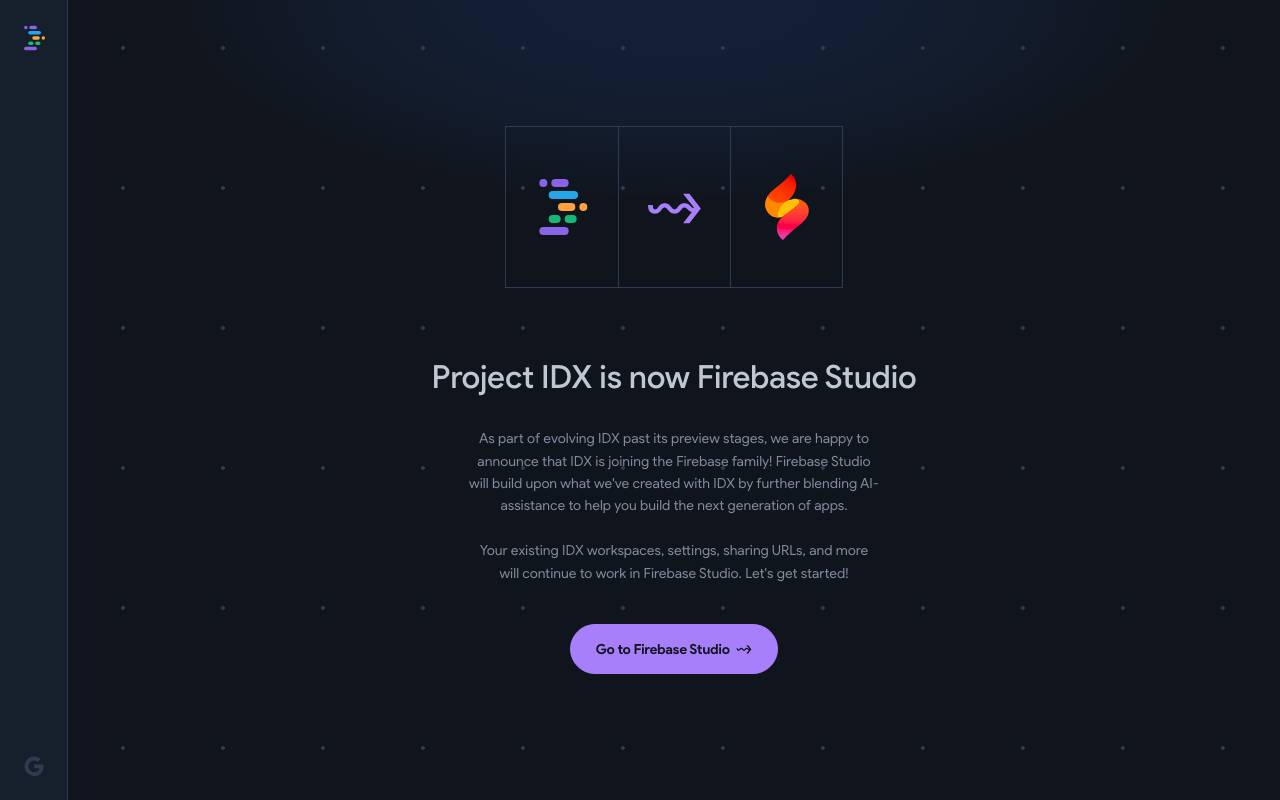
Project IDX is a browser-based development environment from Google that lets developers spin up coding workspaces in the cloud without local setup. It supports popular frameworks like Next.js, Astro, Flutter, Angular, React, and Vue, and integrates Gemini to assist with code generation, explanation, and debugging. Workspaces run on Google Cloud and come preconfigured with templates, emulators for Android and the web, and integrations with services like Firebase. Developers can code from any device with a browser, share environments, and move between projects without managing dependencies on their local machine. The AI features inside IDX go beyond autocomplete, offering contextual chat, inline code actions, and natural-language commands to scaffold features or troubleshoot errors directly within the editor.
Criteria breakdown
- Cloud-based development workspaces
- Gemini AI code assistance and chat
- Framework templates and starters
- Built-in emulators and previews
- Firebase and Google Cloud integration
- VS Code-based editor in the browser


Windsurf AI is a developer environment built around autonomous coding agents that can read your entire codebase, plan multi-step changes, and execute them with minimal hand-holding. It blends traditional IDE features with chat-driven workflows, letting developers describe intent in natural language while the agent navigates files, runs commands, and edits across the project. Billed as the first agentic IDE, it pairs real-time context tracking with tools like inline suggestions, AI-powered refactoring, and natural-language search. The result is a workspace where the assistant maintains awareness of recent changes, open tabs, and project structure, reducing the prompt engineering typically required to get useful results. It targets individual developers and teams who want AI deeply integrated into their day-to-day workflow rather than confined to a sidebar chat.
Criteria breakdown
- Cascade agent for multi-file edits
- Codebase-wide semantic indexing
- Inline AI completions and refactors
- Natural-language command and terminal integration
- Support for multiple frontier LLMs
- Git-aware change tracking

Digia
Low-code platform for building native mobile apps with instant over-the-air updates
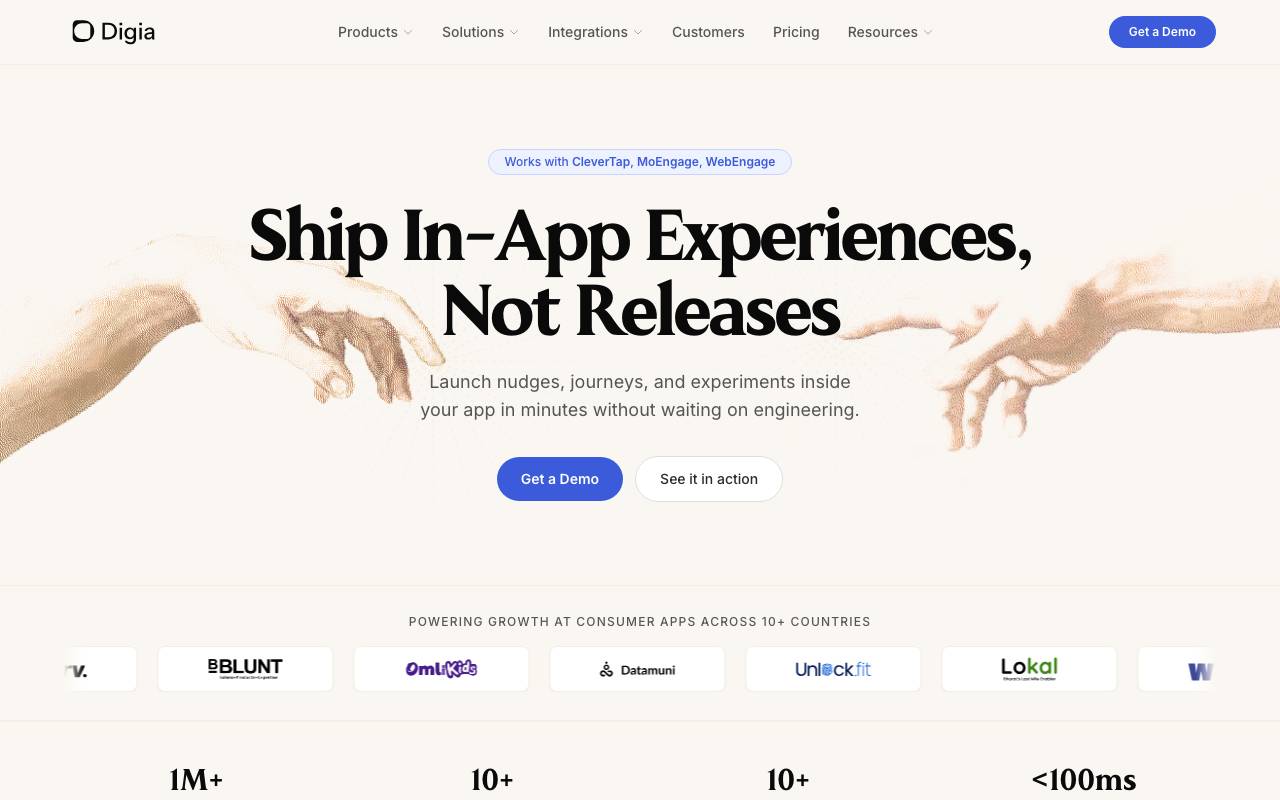
Digia is a low-code app builder designed for teams that want to ship native iOS and Android apps without the friction of traditional release cycles. It combines a visual editor with backend integrations, letting developers and non-developers collaborate on production-ready mobile experiences. Its standout capability is real-time updates: changes can be pushed live instantly without rebuilding binaries or waiting on app store review. This makes Digia particularly useful for teams iterating quickly on features, running experiments, or maintaining apps that need frequent content and logic changes.
Criteria breakdown
- Drag-and-drop visual app builder
- Real-time push updates to live apps
- Native iOS and Android output
- API and backend integrations
- Collaborative team workflows
- Reusable components and templates

LINO
Automatically texts missed callers a booking link so they can self-schedule appointments.
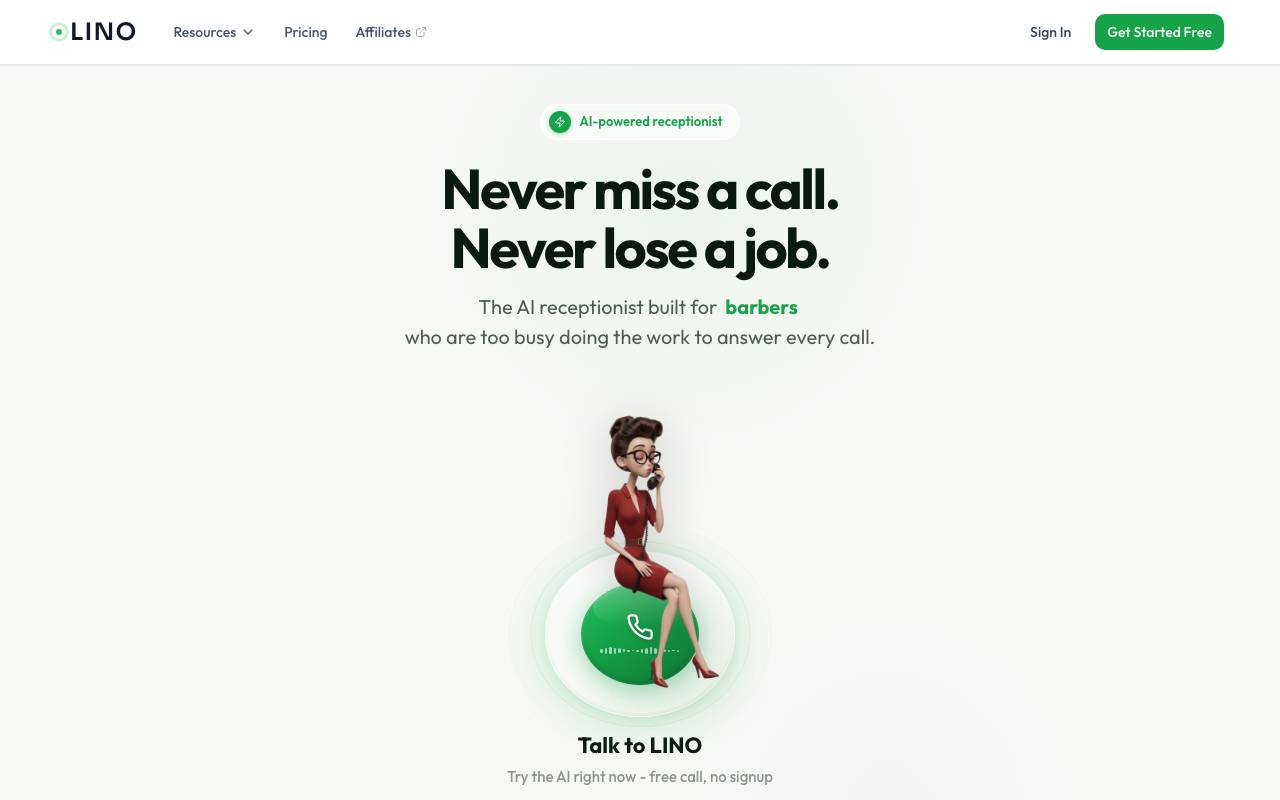
LINO is a tool that automatically sends a text message to missed callers with a booking link, allowing them to self-schedule appointments. This solution aims to streamline appointment scheduling and reduce the need for manual follow-ups. It appears to be suitable for businesses that receive a high volume of missed calls and want to provide an easy way for customers to book appointments. The exact workflow and integrations are not specified, but it likely integrates with existing scheduling systems. The main strength of LINO is its ability to automate the scheduling process, but its limitations and comparison to alternative tools are not clear.
Criteria breakdown
- Automatic SMS reply to missed calls
- Embedded booking link in each text
- Integration with scheduling calendar
- Hands-off lead recovery workflow
- Works outside business hours
- Customer self-scheduling

Chroma AI
Open-source AI application database with batteries-included tooling for embeddings and retrieval.
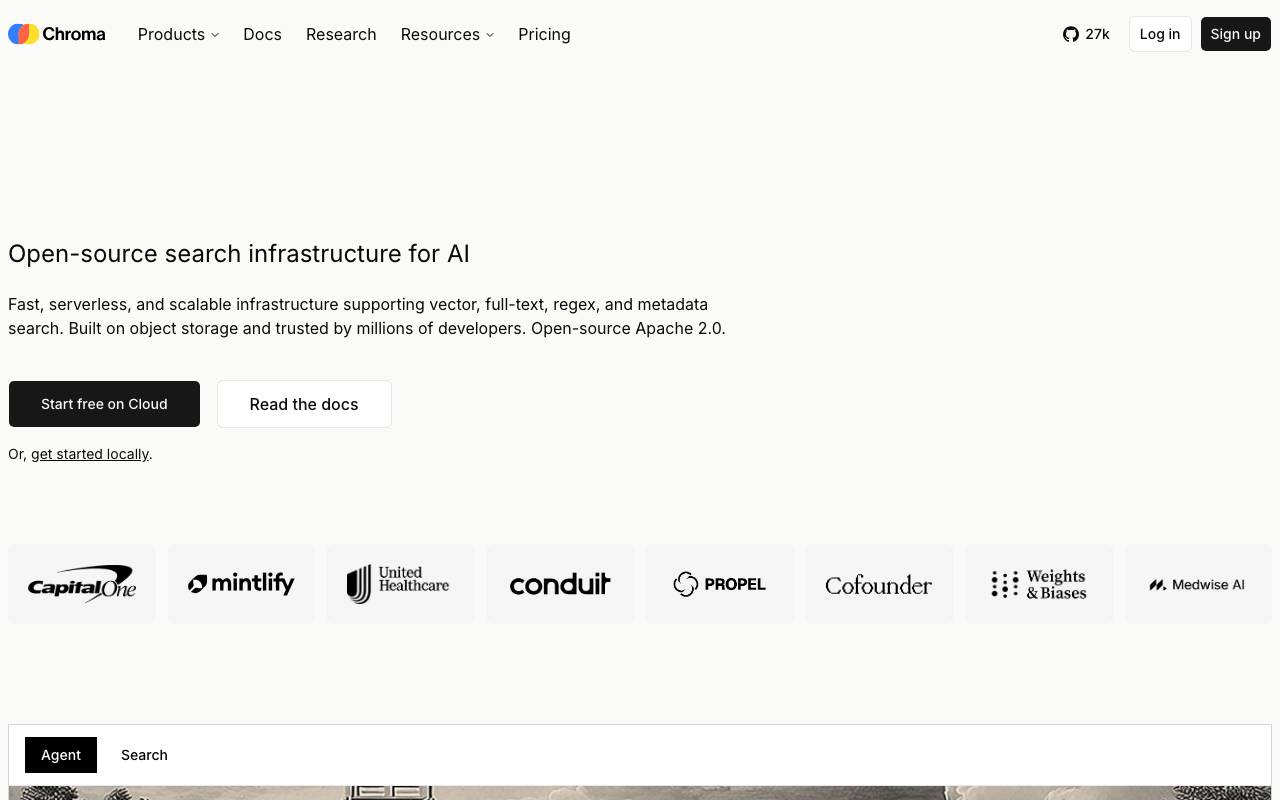
Chroma is an open-source database purpose-built for AI applications, focused on storing, indexing, and querying vector embeddings alongside metadata. It gives developers a fast way to add semantic search, retrieval-augmented generation, and memory to LLM-powered apps without assembling a stack of separate components. The project ships with a Python and JavaScript client, simple APIs for collections and queries, and integrations with popular frameworks like LangChain and LlamaIndex. It can run in-process for prototyping or as a server for production workloads, and offers a managed cloud option for teams that prefer not to self-host. Because it is open source and lightweight, Chroma is often chosen by developers who want a transparent, hackable foundation for building retrieval pipelines and AI features.
Criteria breakdown
- Vector storage with metadata filtering
- Python and JavaScript SDKs
- Embedded or client-server modes
- Built-in embedding function support
- LangChain and LlamaIndex integrations
- Optional managed cloud hosting

OG Pilot
One-click Open Graph image generator for faster, better-looking link previews.
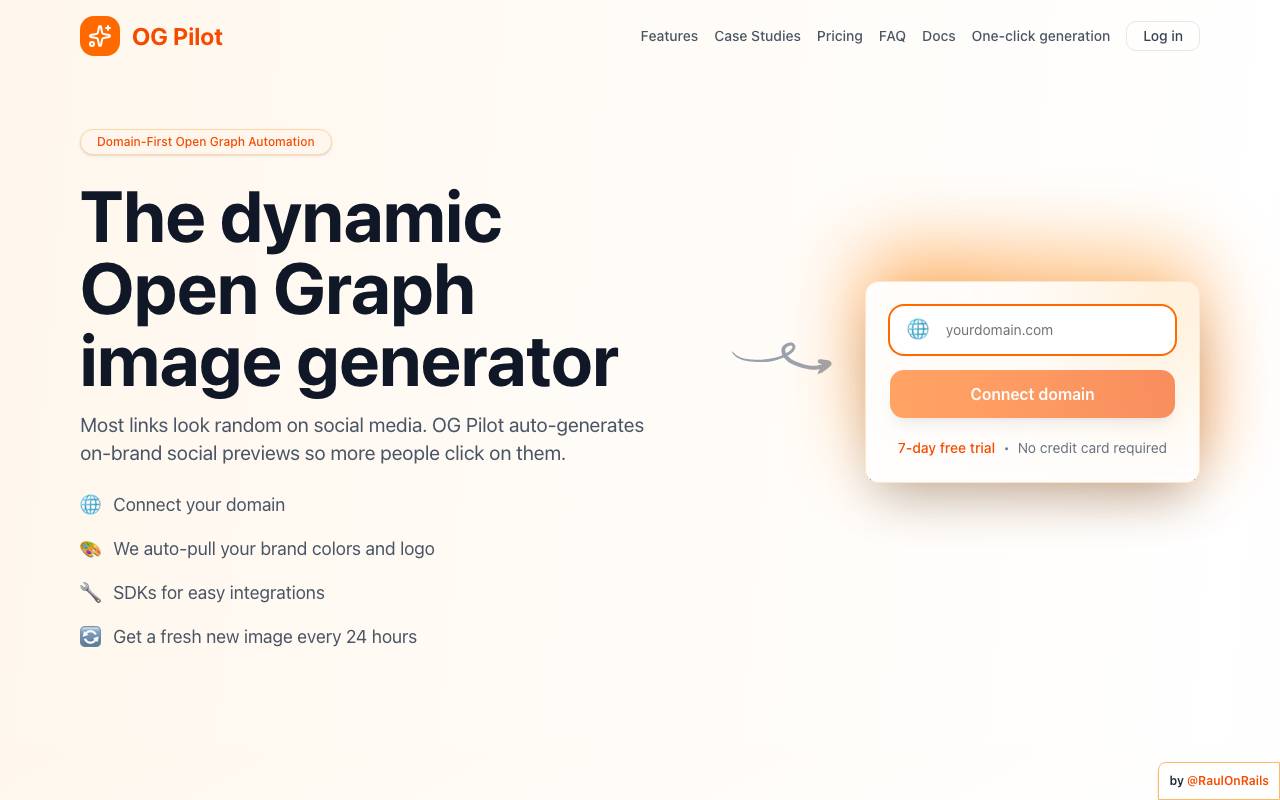
OG Pilot is a tool for generating Open Graph images. It aims to help users create faster and better-looking link previews. The tool likely allows users to easily produce images that can be used for social media link previews. This can be particularly useful for content creators and marketers who want to enhance the visual appearance of their shared links. With a one-click generation process, OG Pilot seems to simplify the creation of these images.
Criteria breakdown
- One-click OG image creation
- Customizable templates
- Works for blogs, apps, and landing pages
- Optimized for social platform previews
- Consistent brand styling