Past battle · 2024-10-29 UTC
Research Showdown — October 29, 2024
From the Research category. 18 marks placed across 6 fighters. Archways took the crown.
Final standings


The line-up
The fighters
Profiles of every tool that competed in this battle, ranked by their final score.
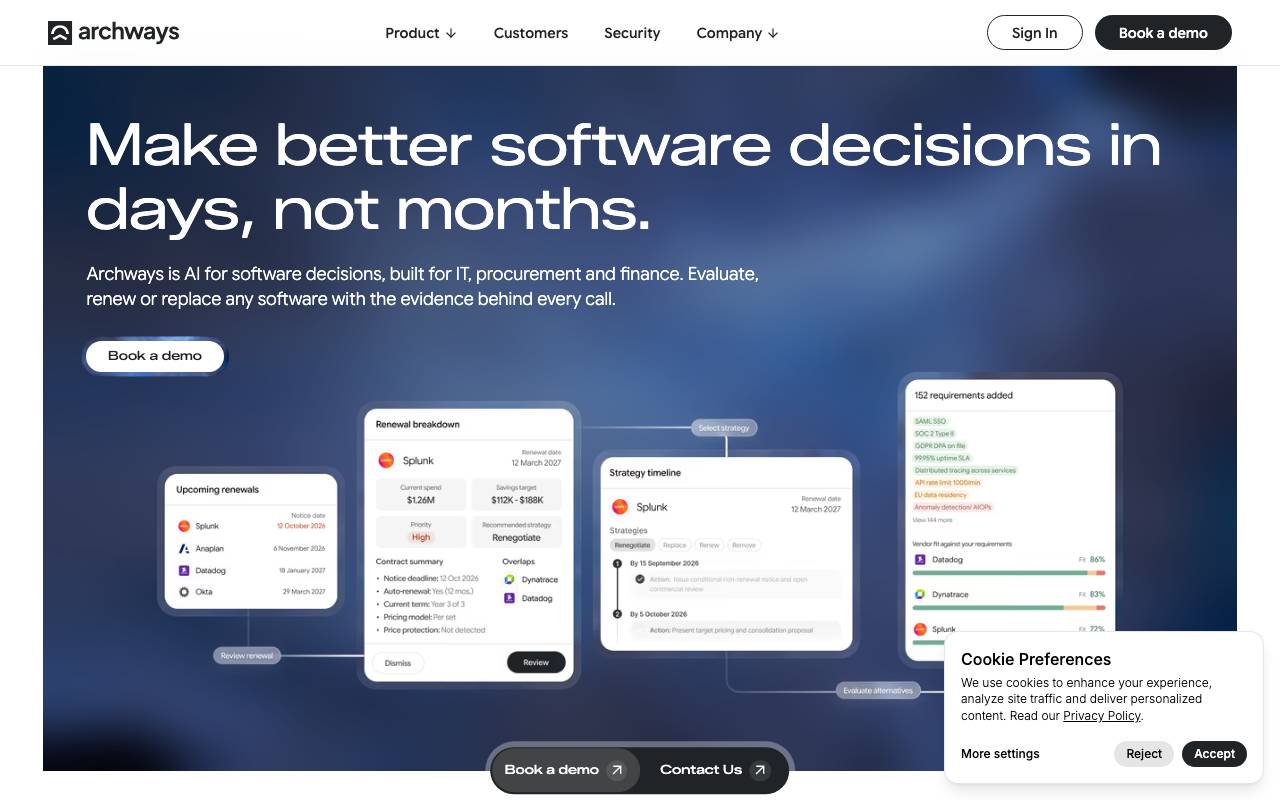
Archways is an AI-powered platform designed to streamline how teams research, compare, and select software. By analyzing product capabilities, user feedback, and fit criteria, it surfaces the most relevant options and key differentiators without forcing buyers to wade through hours of demos and documentation. Instead of building spreadsheets and chasing vendor calls, evaluators can use Archways to generate structured insights, side-by-side comparisons, and recommendation summaries tailored to their needs. The result is a faster, more confident purchasing decision backed by consistent, data-driven analysis.
Criteria breakdown
- AI-powered software discovery
- Automated vendor comparisons
- Tailored recommendation summaries
- Evaluation criteria templates
- Collaborative review workflows
- Insight reports for stakeholders
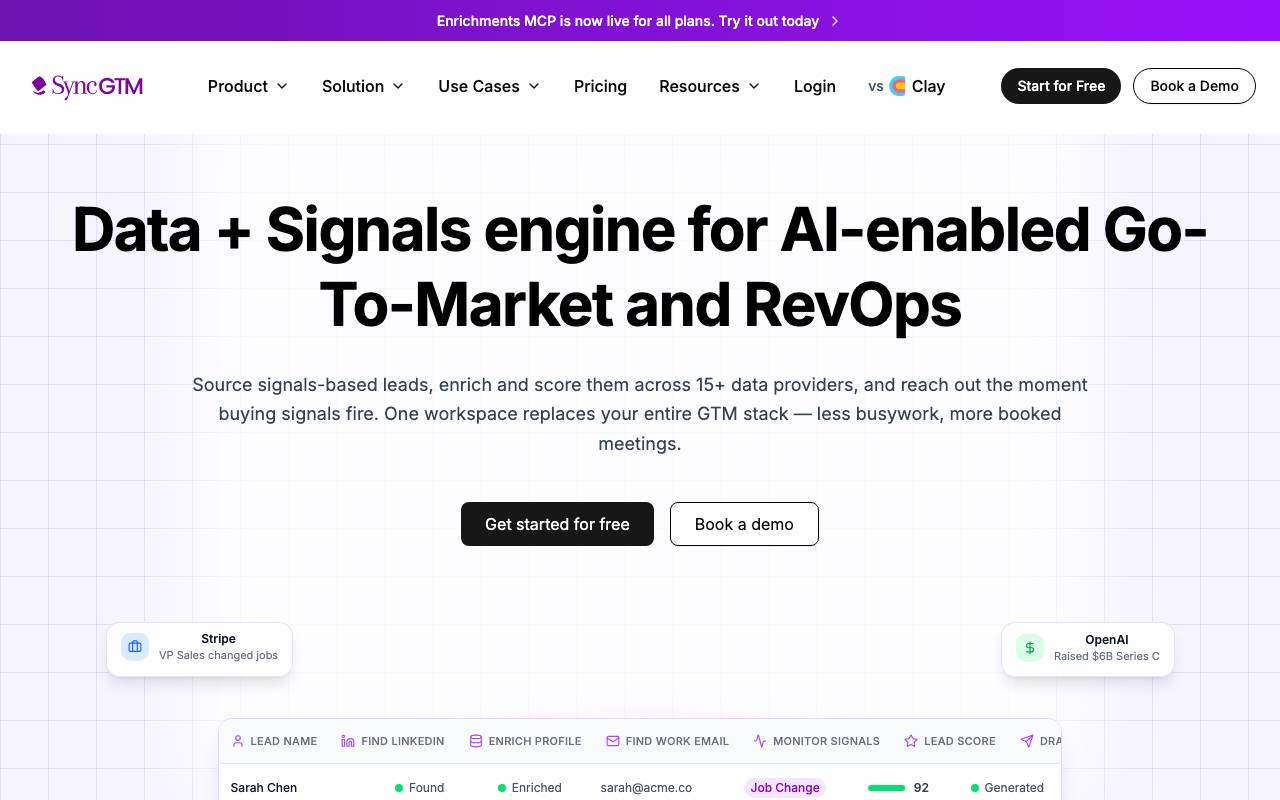
Reasonyx is an AI-powered sales automation platform that helps teams identify prospects, enrich their data, and launch outreach campaigns without juggling multiple tools. It streamlines the top of the sales funnel by combining prospecting and engagement into a single workflow. The platform is aimed at founders, SDRs, and growth marketers who want to scale pipeline generation while reducing manual research. By automating repetitive steps, Reasonyx lets users focus on conversations and closing instead of list building.
Criteria breakdown
- AI-driven lead discovery
- Automated contact data enrichment
- Outbound email and outreach sequencing
- Workflow automation for sales tasks
- Targeting filters for prospect lists

AI Root Inspector
Search engine paired with research AI agents for deeper, source-backed answers.
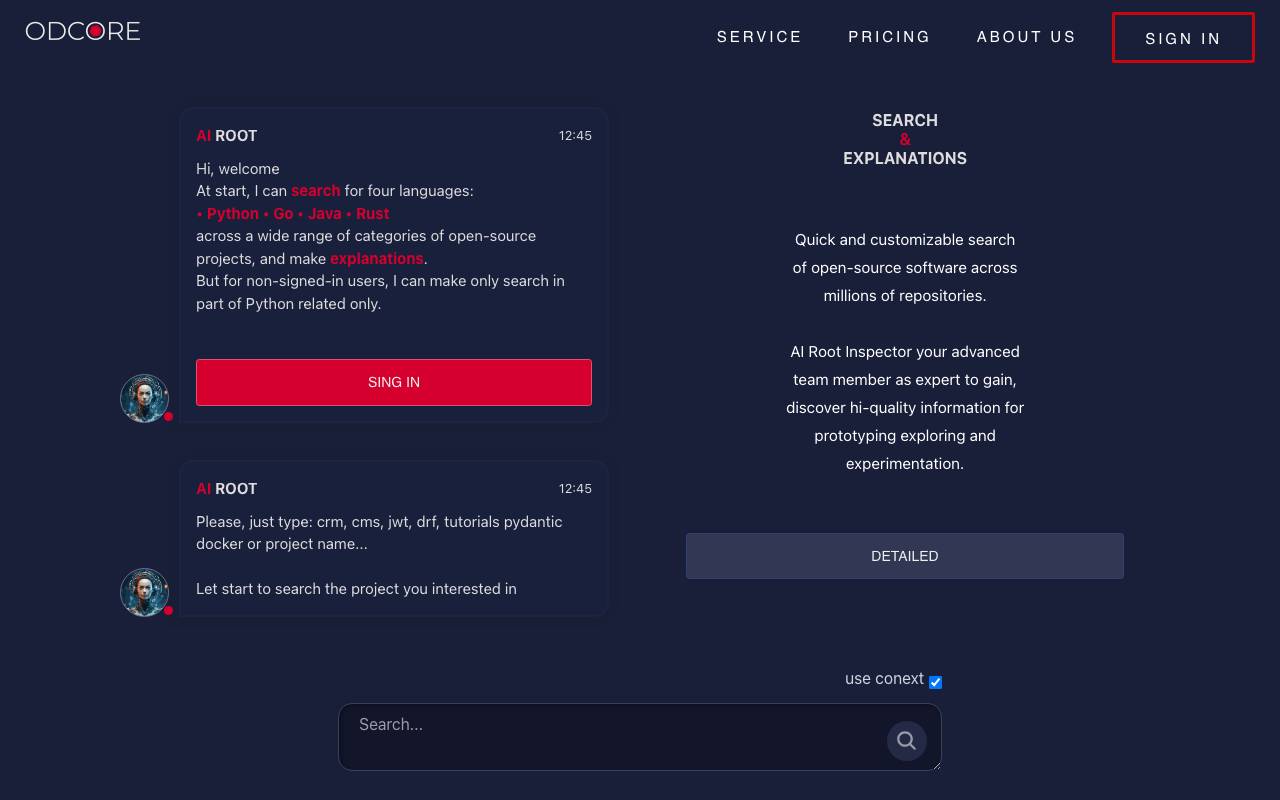
AI Root Inspector blends traditional search with autonomous research agents that explore topics across the web, gather evidence, and synthesize findings. Instead of returning a list of links, it works through a query step by step and delivers a structured answer with supporting context. The tool is aimed at users who need to investigate a subject in depth, such as analysts, students, journalists, and curious professionals. Its agents can branch out across multiple sources, compare information, and surface details that a single search query might miss.
Criteria breakdown
- AI research agents for multi-step queries
- Integrated web search engine
- Source aggregation and comparison
- Synthesized answer summaries
- Topic exploration across multiple angles

Infora AI
AI-powered search and knowledge engagement platform for faster, smarter discovery
Infora AI is a search and knowledge engagement tool that uses artificial intelligence to help users find, understand, and act on information more efficiently. Instead of returning long lists of links, it surfaces contextual answers, summaries, and related insights drawn from across multiple sources. The platform is designed for professionals, researchers, and teams who need to cut through information overload. By combining natural language queries with intelligent ranking and content synthesis, Infora AI aims to make knowledge work less about searching and more about learning and decision-making.
Criteria breakdown
- AI-driven semantic search
- Contextual answer summaries
- Multi-source knowledge aggregation
- Natural language query interface
- Related topic discovery
- Designed for research workflows

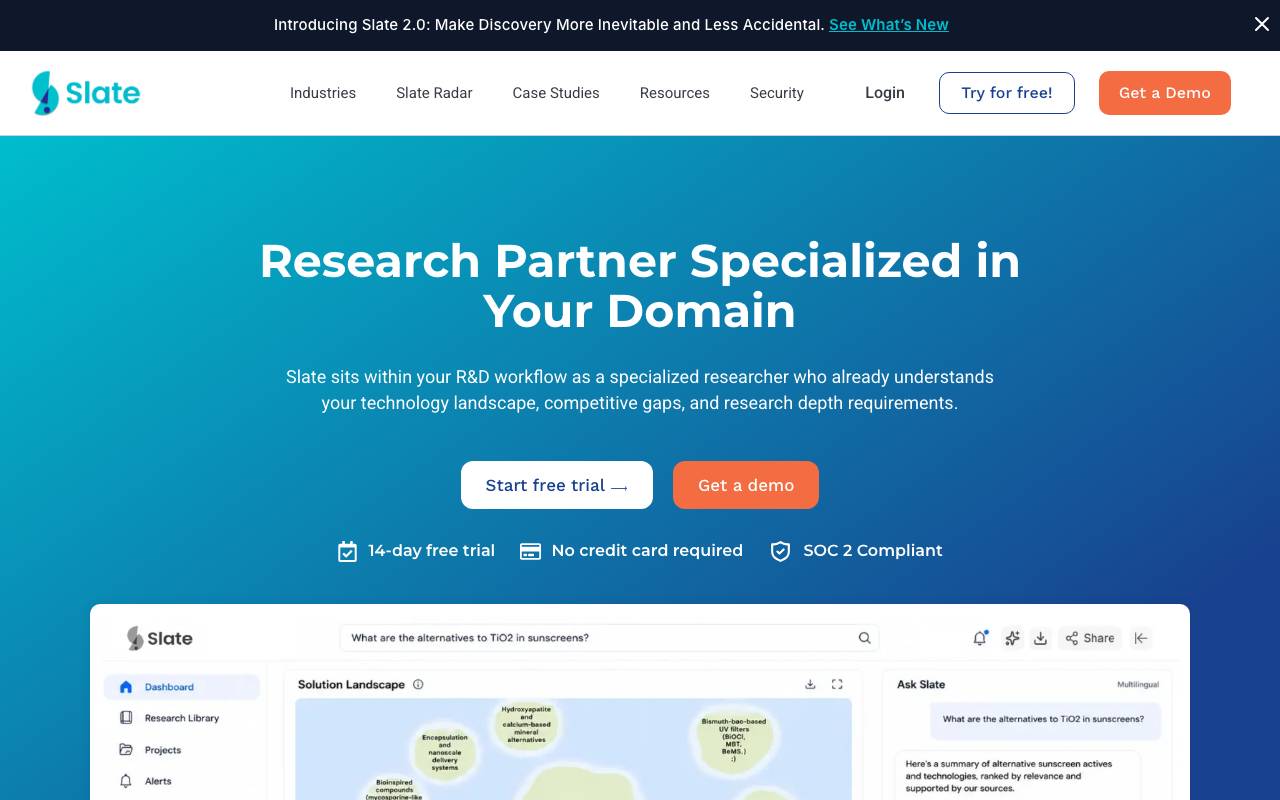
Slate is an AI-powered structured research database designed to organize knowledge and support R&D workflows. It serves as a specialized researcher, understanding the user's technology landscape, competitive gaps, and research depth requirements. The platform unifies research by integrating relevant papers, patents, and product information documents into a single interface, connecting every research area. Slate offers various features, including a customized, AI-powered knowledge base for centralizing and organizing research resources and intellectual property. It provides tools for competitor monitoring, technology watch, AI research assistance, ingredients discovery, state-of-the-art discovery, whitespace analysis, trend forecasting, and company scouting. The platform is designed for researchers and R&D teams, aiming to solve complex, constraint-based R&D challenges. It utilizes an AI assistant, called Slate Prism, which breaks down queries, scans patents and papers, and delivers evidence-backed insights. Key benefits of using Slate include accelerated research discovery, minimized trial risks, and data-driven decision-making. The platform has been recognized as an award-winning, trusted expertise, including being named the best content management platform by SIIA Codie Awards 2023. Users of Slate have reported improved efficiency, with one company achieving 40% faster trend identification and spotting 20% more emerging ingredients. The platform has fundamentally changed how companies approach product development, allowing them to lead trends rather than chase them.
Criteria breakdown
- Structured database for research entries
- AI-assisted data extraction from sources
- Custom fields and schemas
- Cross-entry search and filtering
- Document and web content ingestion
- Synthesis and summarization tools

Startup Readiness Assessment
Structured readiness check that helps early-stage founders pinpoint gaps before scaling.
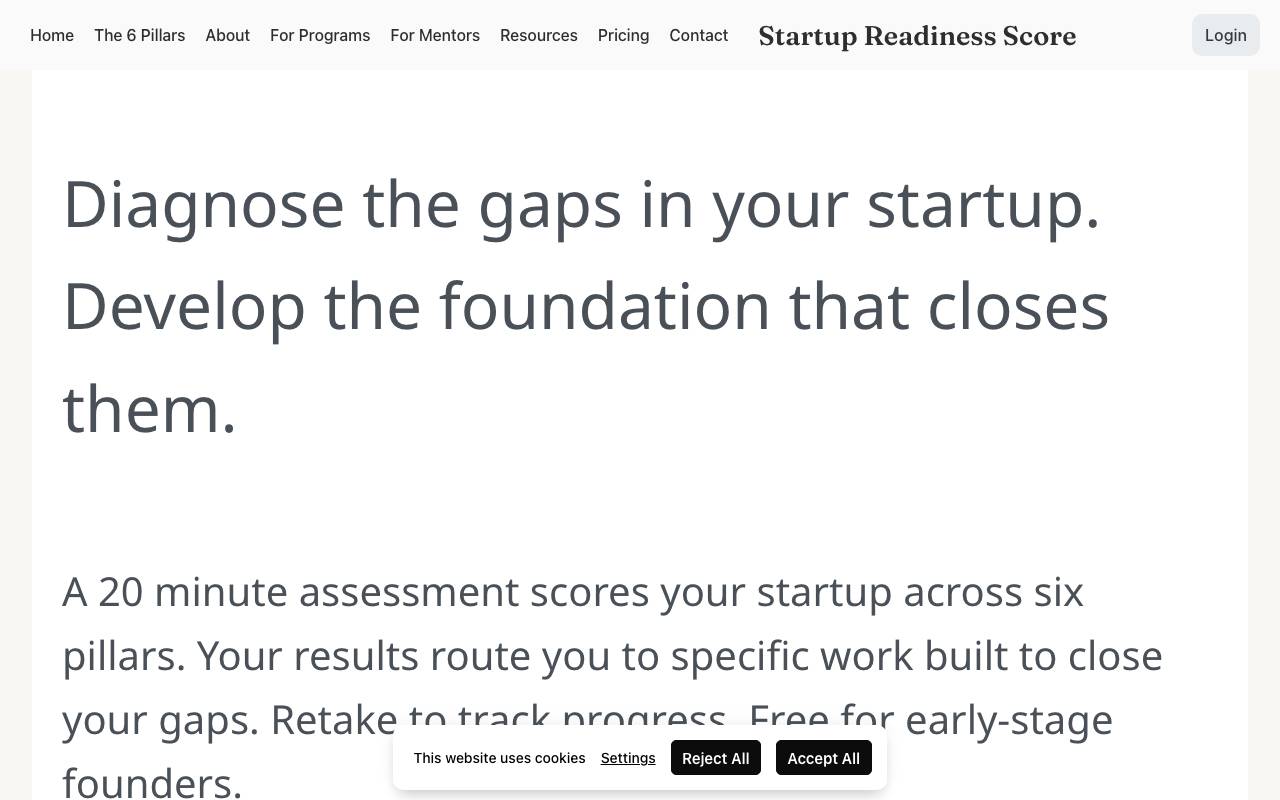
Startup Readiness Assessment is an evaluation tool designed for early-stage founders who want a clearer picture of where their venture stands. By guiding users through a structured set of questions across key business dimensions, it surfaces blind spots that often go unnoticed in the rush of building. The output is a practical snapshot of strengths and weaknesses, helping founders prioritize what to fix first. Whether preparing for fundraising, validating an idea, or aligning a co-founding team, the assessment offers a consistent framework for self-review. It is best used as a diagnostic starting point rather than a replacement for mentorship or hands-on advisory, giving founders a baseline to act on and revisit as their startup evolves.
Criteria breakdown
- Guided multi-area assessment
- Gap identification across core startup functions
- Readiness scoring or summary output
- Founder-friendly question design
- Repeatable benchmarking over time