
ZepAgent memory platform for enterprise-scale AI, built on context graphs.

Overview
Key features
- Context Graph Engine
- Context Lake for millions of graphs
- Automated Context Assembly
- Temporal context reasoning
- Provenance tracing for facts
- Observations from memory patterns
Pricing
- Model
- Free
- Category
- AI Agent Memory
- Rating
- 4.5 / 5 (6)
Use cases
Persistent Memory for Chatbots
Give conversational AI agents long-term memory so they recall past user interactions and deliver more personalized, context-aware responses over time.
Personalized AI Assistants
Continuously learn from user behavior and preferences to tailor recommendations, responses, and workflows for each individual user.
Business Data Grounding
Integrate business data into agent memory to improve accuracy and ensure responses reflect up-to-date organizational knowledge.
Context Retention Across Sessions
Maintain coherent context across multiple sessions and channels so users don't need to repeat themselves to the AI agent.
Pros & Cons
Pros
- Enterprise-scale memory management for AI agents
- Sub-200ms context retrieval latency across large graphs
- Automated temporal context invalidation and history preservation
- Extracts high-level 'Observations' from memory patterns
- Comprehensive governance with access control, retention, and provenance
Cons
- May require significant engineering resources to implement and manage
- Dependence on proprietary Context Graph Engine may limit flexibility
- Could be challenging to integrate with existing systems and data sources
- May have high latency for very large graph sizes or high query volumes
Reviews
Average from 6 ratings.
Sign in to leave a review.
Skeptical, then convinced
I went in skeptical — most tools in this space overpromise. It actually delivers on the API, and support is responsive caught me off guard. still, I'd recommend giving it a real trial.
Compared a few options
Evaluated this against two competitors. Where it wins: the dashboard and the value for money is strong. Where it lags: a few rough edges remain. On balance the feature set — especially the API — justifies the 4 stars for our use case.

Use it every day
Honestly didn't expect to like it this much. The automation is exactly what I needed, and support is responsive. I do wish a few rough edges remain, but I reach for it almost every day now and it just clicks.

Does the job
Pretty happy overall. The integrations just works and it saves real time. but no dealbreakers — I'd recommend it to a friend without hesitating.
Solid for our team
We rolled this out across the team last quarter and support is responsive. The onboarding fits neatly into how we already work, and the core workflow removed a step we used to do by hand. The mobile experience lags, which is the main caveat, but it has held up under daily use.

Use it every day
Honestly didn't expect to like it this much. The onboarding is exactly what I needed, and it saves real time. I do wish a few rough edges remain, but I reach for it almost every day now and it just clicks.
Q&A
How credits work
Credits are consumed based on the size of each Episode you send to Zep. Episodes up to 350 bytes use 1 credit; each additional 350 bytes (or part thereof) uses another credit. Where available, webhook invocations consume 1/8 of a credit each. Flex and Flex Plus automatically top up your credits when your balance drops below 20%. Flex adds 10,000 credits ($25); Flex Plus adds 40,000 credits ($75). Flex credits roll over for 30 days; Flex Plus credits roll over for 60 days. Free plan credits do not roll over.
Asked by Kwesi Boateng · Dec 19, 2025
What is an Episode?
An Episode is any single data object you send to Zep — a chat message, JSON payload, or block of text. Credit cost scales with Episode size. Episodes up to 350 bytes use 1 credit; each additional 350 bytes (or part thereof) uses another credit. A 640-byte Episode uses 2 credits; a 1,200-byte Episode uses 4 credits.
Asked by Amina Diallo · Dec 17, 2025
Are we charged for ingestion or storage?
You are charged for ingestion and processing of Episodes. You are not charged for storage of messages or data.
Asked by Kalinda Reddy · Nov 18, 2025
How are rate limits calculated?
Each plan tier has a base rate limit, with Free being the lowest. Free and Flex Plan customers may see rate limits lowered depending on service usage. Enterprise plans have committed, guaranteed rate limits.
Asked by Jasper Vermeer · Nov 16, 2025
What are the Free plan limits?
10,000 credits per month. No rollover or auto-topup. 2 projects, 5 custom entity & edge types. Variable rate limits, depending on service-wide load. Lower priority Episode processing. Feature availability and service levels may change over time.
Asked by Yelena Popova · Oct 28, 2025
Ask a question
AI Agent Memory alternatives
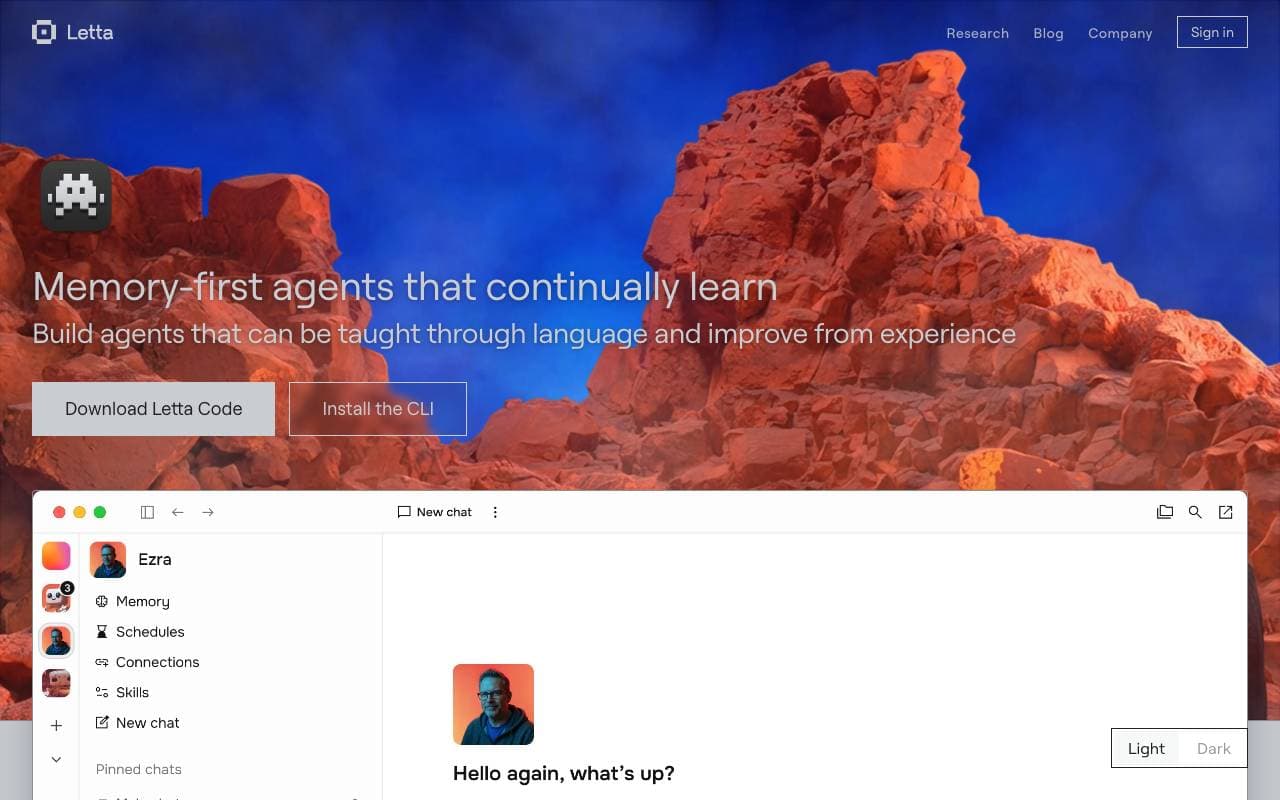
Letta
AI Agent Memory
Framework for building stateful AI agents with long-term memory and continuous learning.
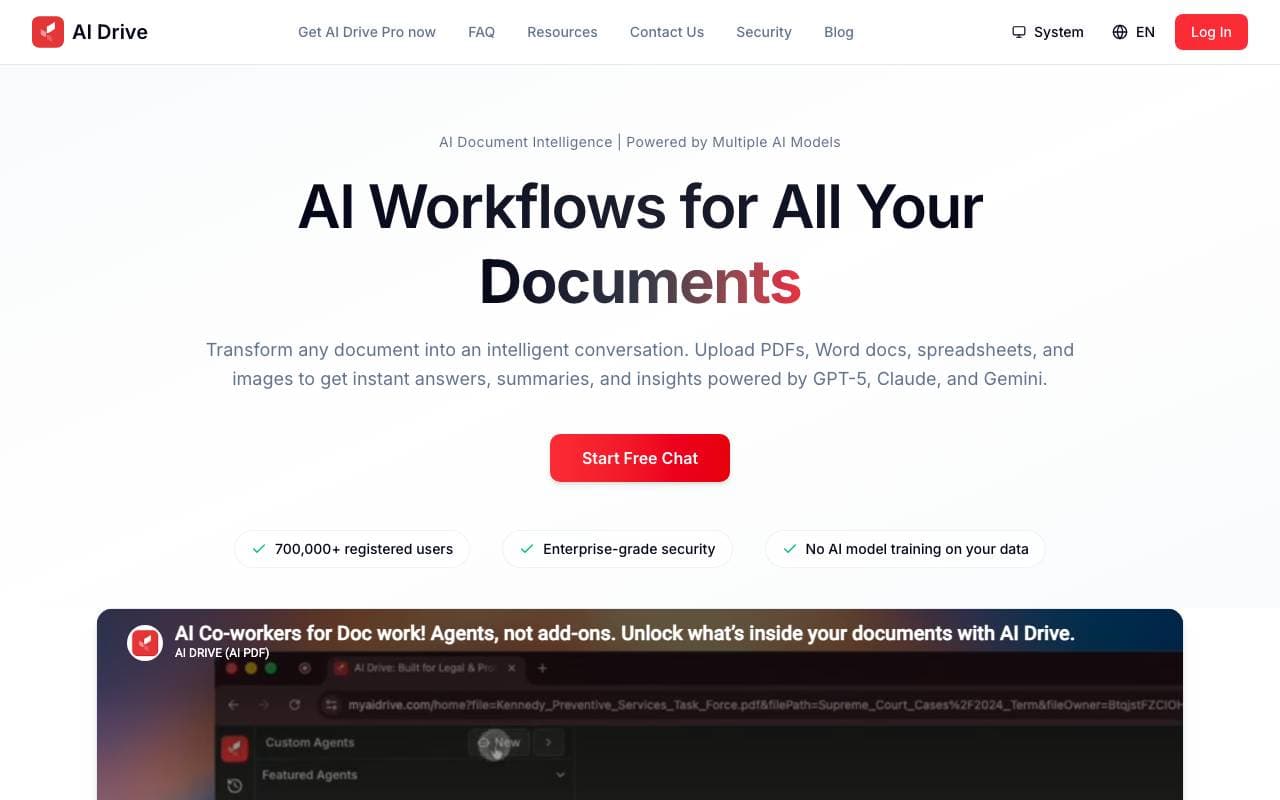

AI Drive
AI Agent Memory
Cloud storage with AI capabilities for document analysis, search, and collaboration.
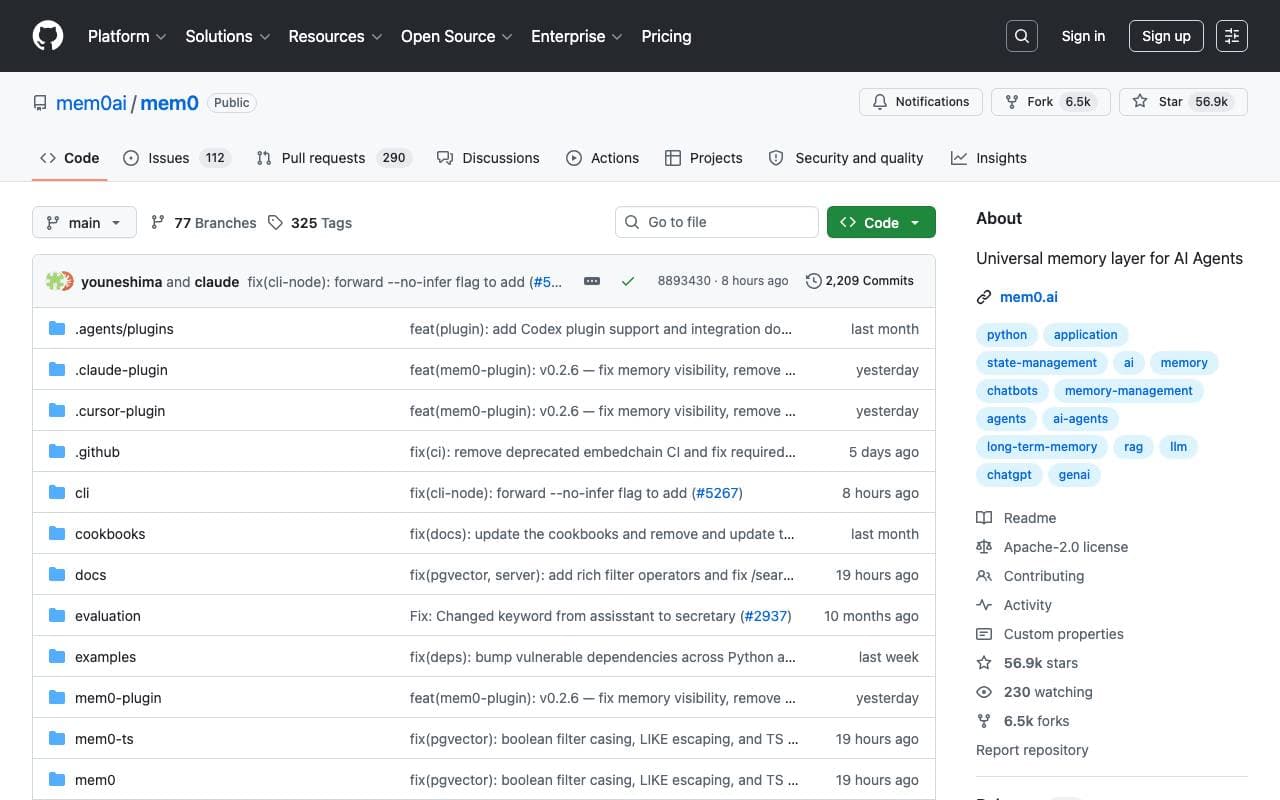

Mem0
AI Agent Memory
A persistent memory layer designed to provide long-term, personalized context for large language models and AI agents.
Trending now


Reducto AI
AI Agent Development Platforms
Document intelligence API that parses, splits, OCRs, and extracts structured data from complex PDFs, slides, and spreadsheets.
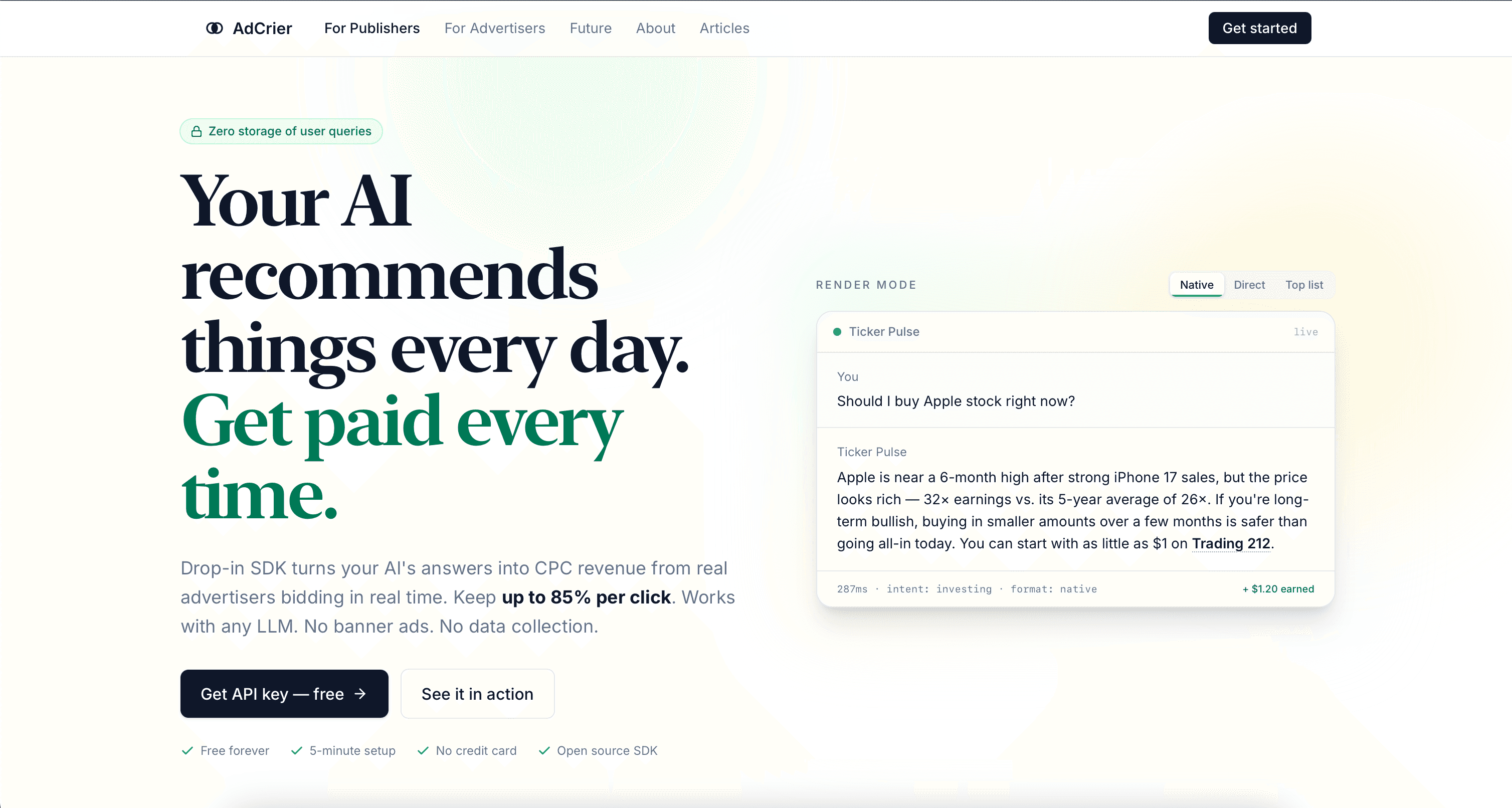

AdCrier
Marketing & Advertising
Sponsored answers, paid per click.


Biology AI
Education AI
Accurate Homework Help with Full Explanations

Pin AI
Workflow automation
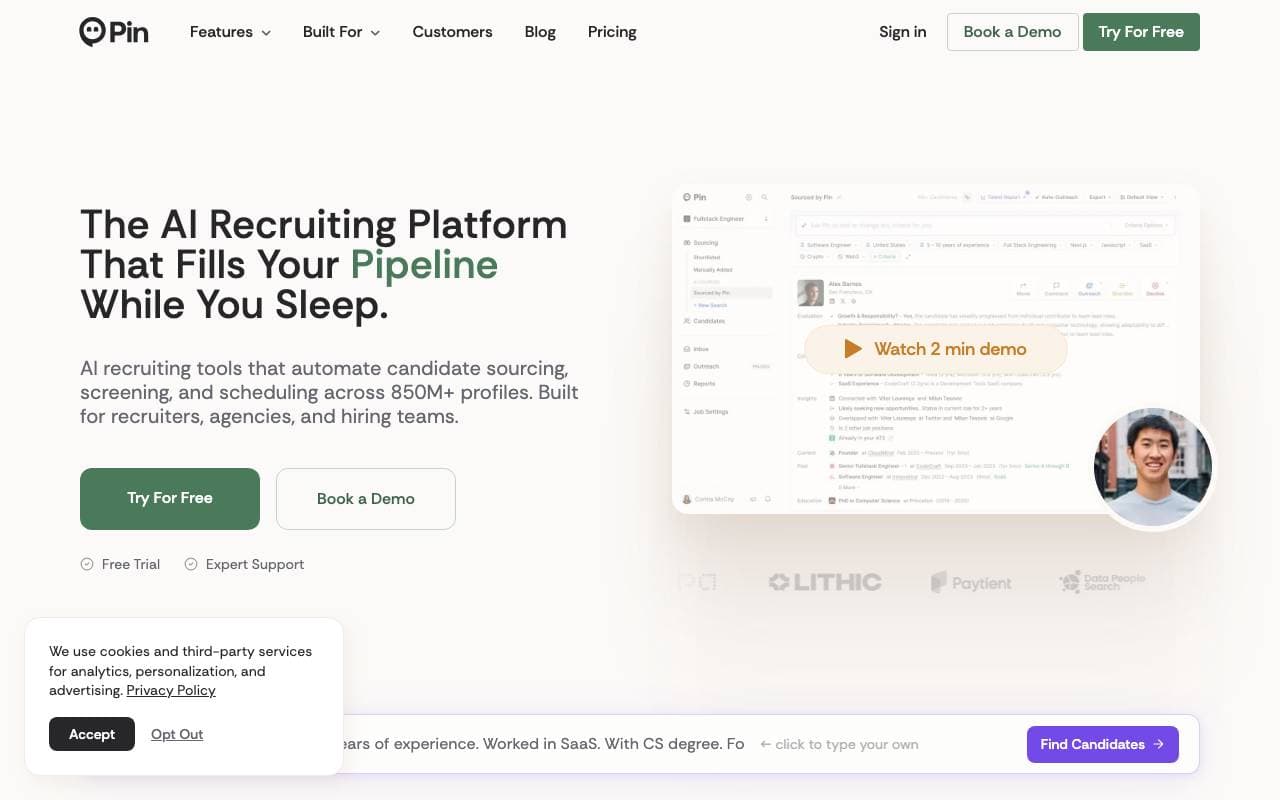
Agentic AI recruiter that automates sourcing, screening, and outreach to accelerate hiring.