
vizroVizro is a low-code toolkit for building high-quality data visualization apps.

Overview
Key features
- Components: charts, tables, cards, KPI indicators, forms, and more
- Controls: filters and parameters using drop-down menus and sliders
- Actions: interactions between components, drill-throughs, export functionality
- Layouts: grid layouts or flexible containers with pre-set styles
- Navigation: range of app layout and navigation settings
- Customizable using Python, JavaScript, HTML, and CSS code extensions
Pricing
- Model
- Free
- Category
- MCP Servers
- Rating
- No reviews yet
Use cases
Building simple data visualization apps
Vizro is ideal for building simple data visualization apps quickly and easily, without needing advanced engineering or visual design expertise. Its low-code interface and flexible design make it easy to create prototypes that are production-ready in just a few lines of code.
Rapid prototyping and deployment
Vizro's scalable design and rapid prototyping capabilities make it perfect for users who need to quickly create and deploy data visualization apps to production. Its flexible and customizable interface ensures that the app is tailored to specific business needs.
Creating complex data visualization apps
While Vizro is ideal for simple data visualization apps, its high-code extension also enables users to create complex apps that require advanced customization and design. This makes Vizro a versatile tool for building a wide range of data visualization apps.
Pros & Cons
Pros
- Build high-quality data visualization apps quickly and easily
- No need for advanced engineering or visual design expertise
- Flexible and scalable solution
- Rapid prototyping and deployment to production
- Almost infinite customization options
Cons
- Requires some programming knowledge to customize
- Limited control over app design for complex applications
- Requires additional setup for high-code extensions
Battle record
Across 1 battle in the Pantheon.
Last battle
Reviews
Sign in to leave a review.
No reviews yet. Be the first!
Q&A
When to use Vizro?
Use Vizro when you need to combine the speed and ease of low-code Python tools, with production capabilities of JavaScript and BI tools, and the freedom of open source: Have an app that looks beautiful and professional by default. Enjoy the simplicity of low-code, plus the option to customize with code almost infinitely. Rapidly create prototypes which are production-ready and easy to deploy at scale.
Asked by Daniel Schmidt · Jan 24, 2026
Why use Vizro?
The benefits of the Vizro toolkit include: Vizro helps you to build data visualization apps that are: Quick and easy Build apps in minutes. Use a few lines of simple configuration (via Pydantic models, JSON, YAML, or Python dictionaries) in place of thousands of lines of code. Beautiful and powerful Build high-quality multi-page apps without needing advanced engineering or visual design expertise. Use powerful features of production-grade BI tools, with in-built visual design best practices. Flexible Benefit from the capabilities and flexibility of open-source packages. Use the trusted dependencies of Plotly, Dash, and Pydantic. Customizable Almost infinite control for advanced users. Use Python, JavaScript, HTML and CSS code extensions. Scalable Rapidly prototype and deploy to production. Use the in-built production-grade capabilities of Plotly, Dash and Pydantic. Visit "Why should I use Vizro?" for a more detailed explanation of Vizro use cases.
Asked by Elias Hedström · Dec 16, 2025
What is Vizro?
Vizro is an open-source Python-based toolkit. Use it to build beautiful and powerful data visualization apps quickly and easily, without needing advanced engineering or visual design expertise. Then customize and deploy your app to production at scale. In just a few lines of simple low-code configuration, with in-built visual design best practices, you can quickly assemble high-quality, multi-page prototypes, that are production-ready. Every Vizro app is defined by a simple configuration, using these high-level categories: Components: charts, tables, cards, KPI indicators, forms and more. Controls: filters and parameters, using a range of selectors such as drop-down menus and sliders. Actions: interactions between components, drill-throughs, export functionality and more. Layouts: grid layouts or flexible containers, with a range of pre-set styles. Navigation: a range of app layout and navigation settings, including nested page hierarchies. Configuration can be written in multiple formats including Pydantic models, JSON, YAML or Python dictionaries for added flexibility of implementation. Optional high-code extensions enable almost infinite customization in a modular way, combining the best of low-code and high-code - including bespoke visual formatting and custom components. Visit the "How-to guides" for a more detailed explanation of Vizro features.
Asked by Ravi Kapoor · Nov 29, 2025
Ask a question
MCP Servers alternatives

 Playwright MCPMCP Servers
Open-source MCP server that lets LLMs drive real browsers via Playwright and accessibility snapshots.

Python agent framework from the Pydantic team for building type-safe GenAI apps.
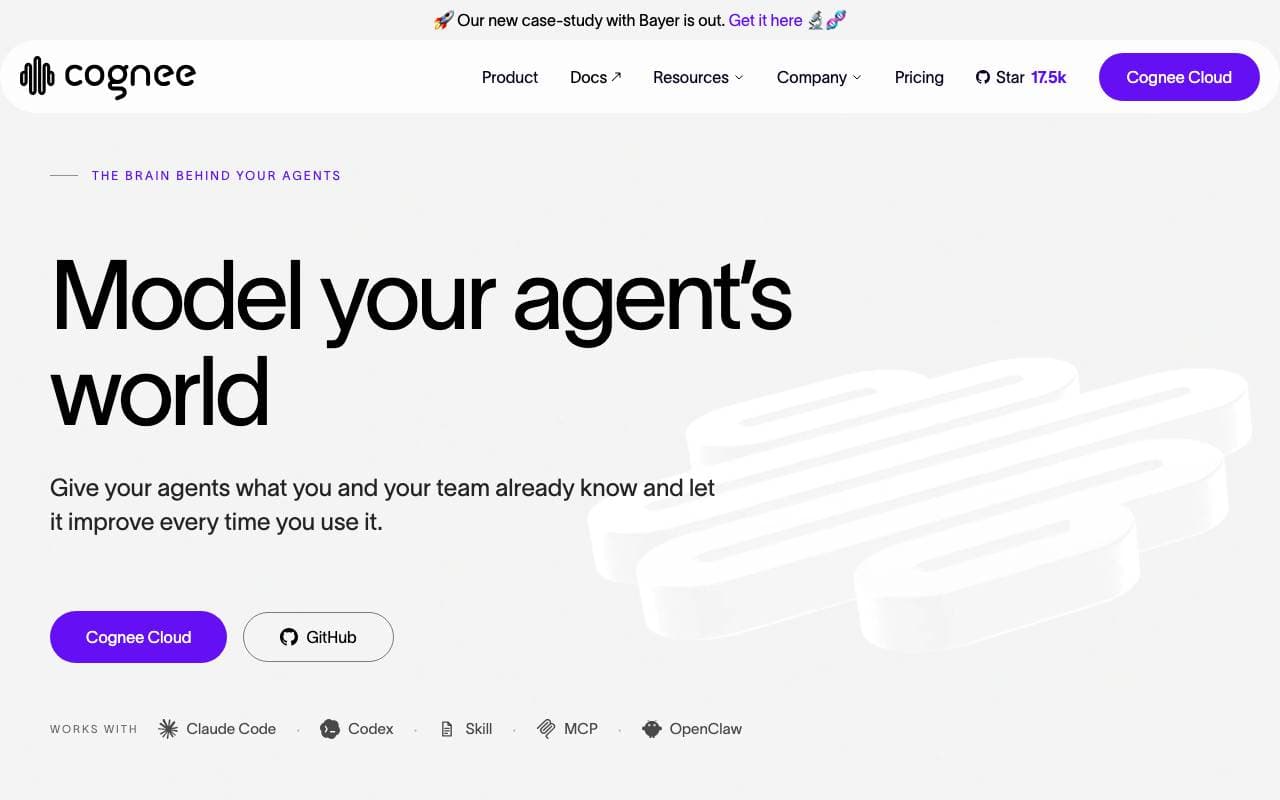
Adaptive memory layer that helps AI agents learn from context over time.

 Inbox ZeroMCP Servers
AI email assistant that organizes, drafts replies, and helps you reach inbox zero faster.
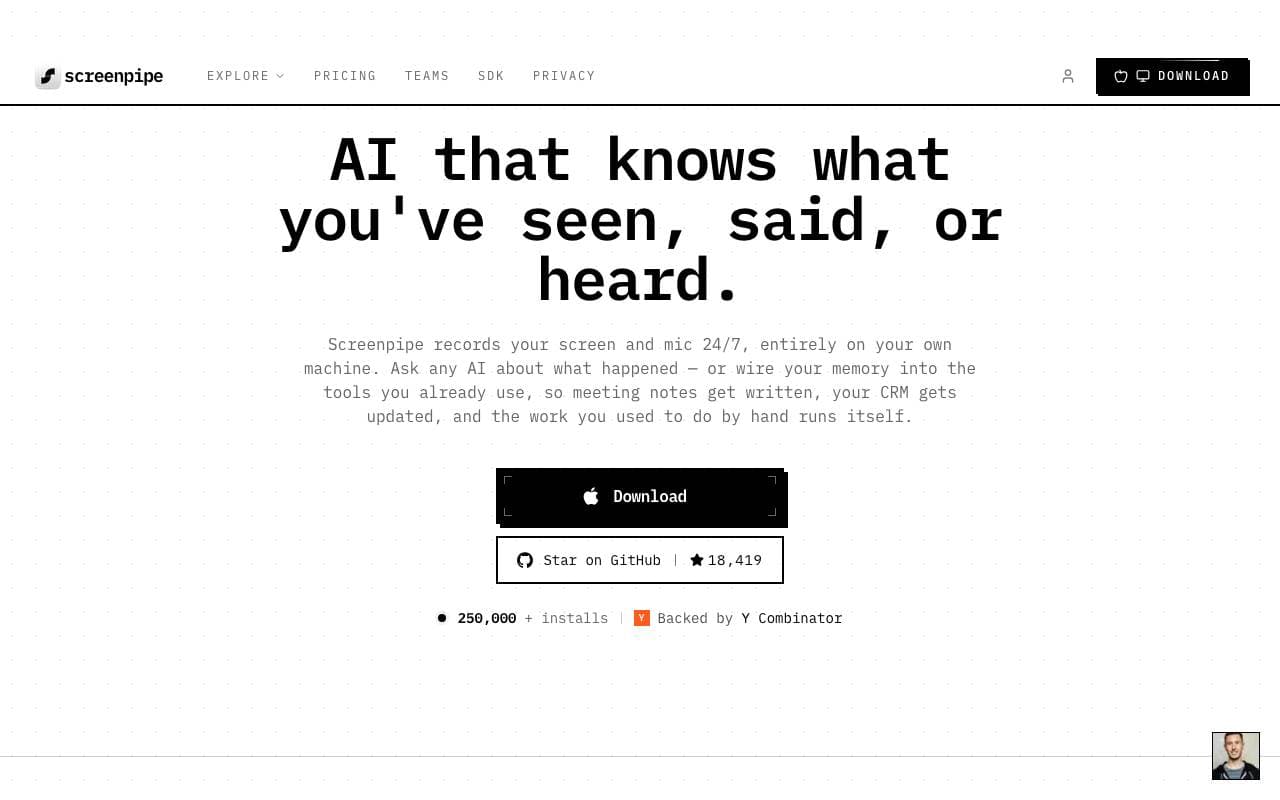
 ScreenpipeMCP Servers
Open-source 24/7 local screen and audio recording for building context-aware AI apps
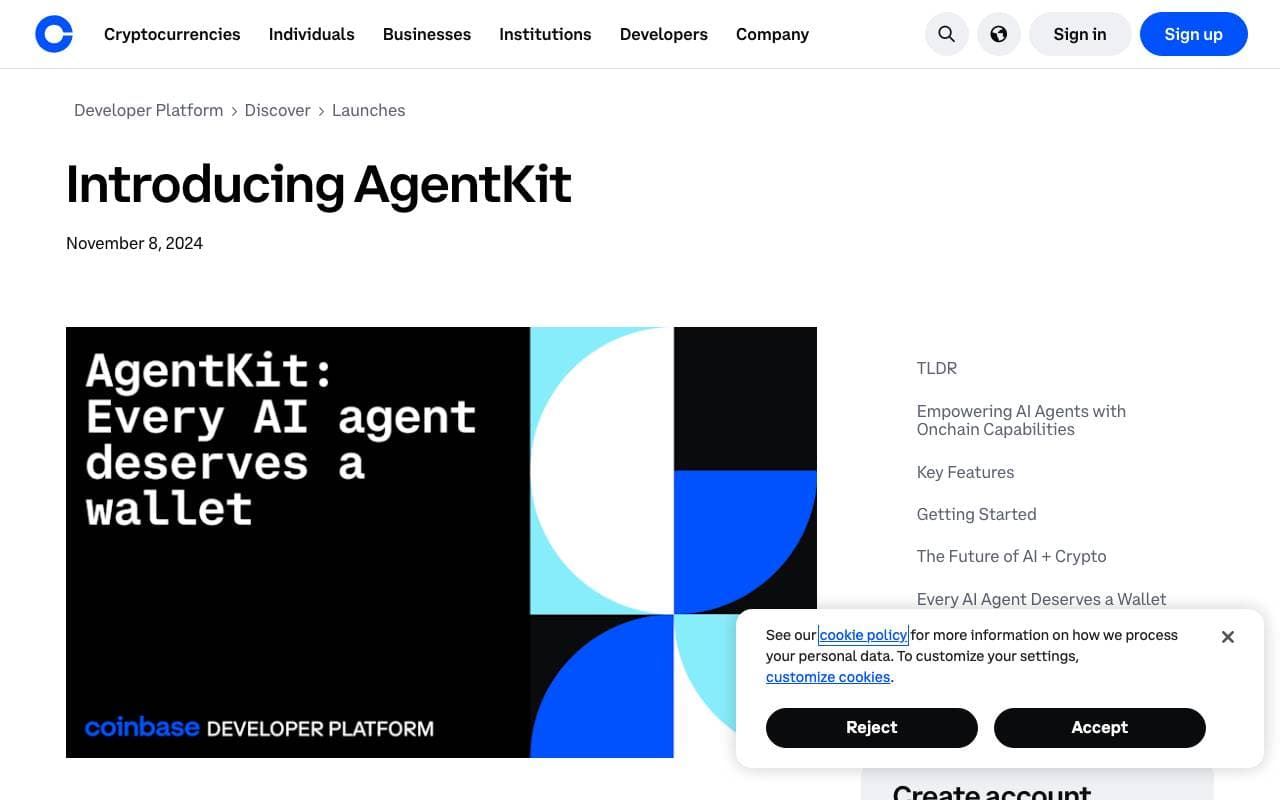
 AgentKitMCP Servers
TypeScript library for building and orchestrating AI agents with tools, memory, and multi-agent workflows.

 onchain-mcpMCP Servers
Bringing the bankless onchain API to MCP

 markitdownMCP Servers
Python tool for converting files and office documents to Markdown.
Trending now

 Reducto AIAI Agent Development Platforms
Document intelligence API that parses, splits, OCRs, and extracts structured data from complex PDFs, slides, and spreadsheets.
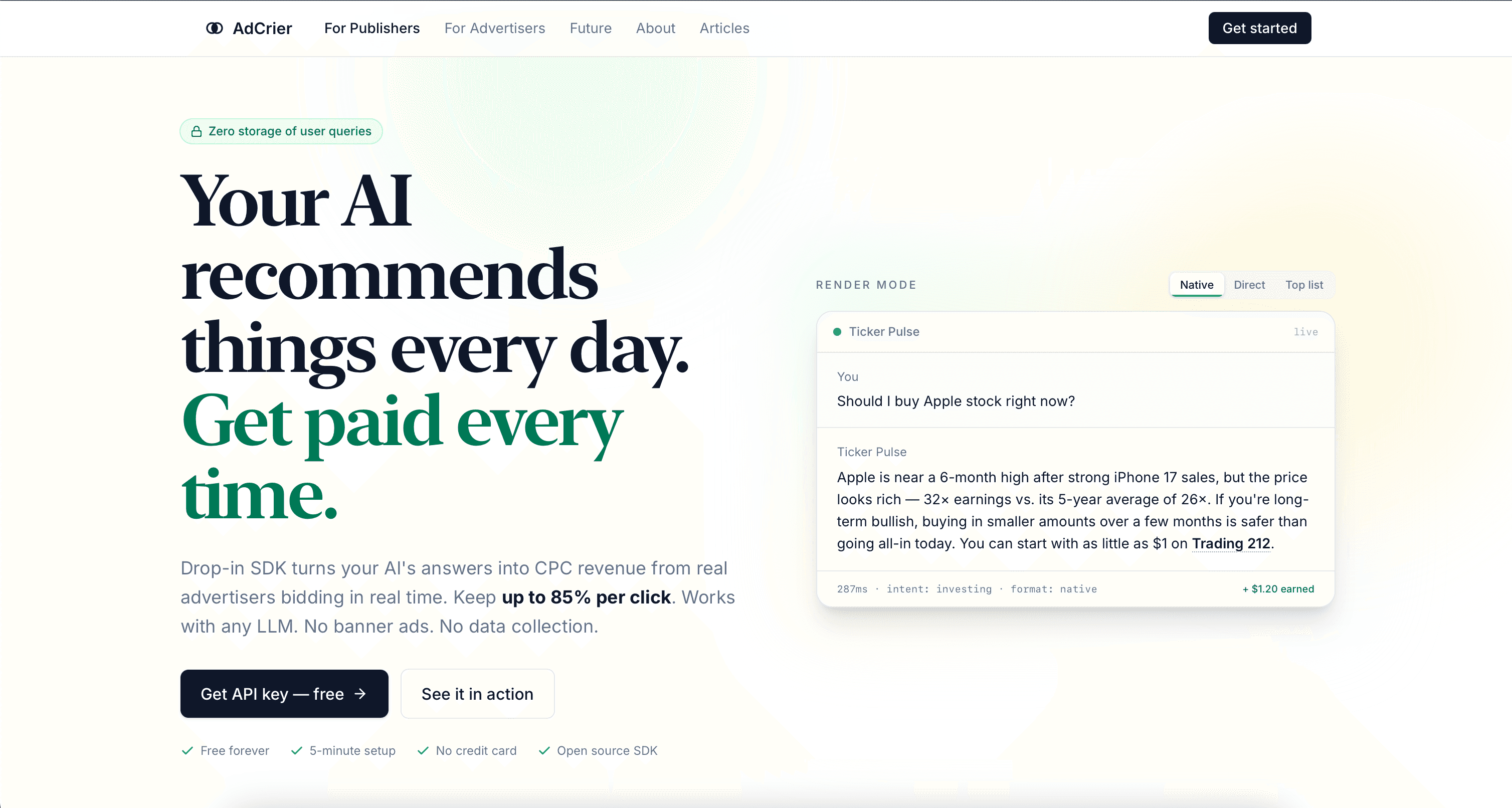
 AdCrierMarketing & Advertising
Sponsored answers, paid per click.

 Biology AIEducation AI
Accurate Homework Help with Full Explanations

 Pixtral 12B 24.09LLM
Open multimodal 12B model handling interleaved images and text with a 128K context window.