Upstream Tracker (Grade A)Security-tested data-ai skill for Claude AI. Grade A. Manage upstream issue tracking for this project. Use when the user wants to log a bug or friction point in a vendor package or npm dependency, rev

Overview
Key features
- Logging new entries for bugs, feature requests, and contribution opportunities
- Reviewing open upstream issues
- Resolving tracked issues
- Running trend reviews
- Generating upstream observations for sprint retrospectives
- Promoting upstream observations to Basic Memory
Pricing
- Model
- Free
- Category
- Skills
- Rating
- No reviews yet
Use cases
Logging a bug in a vendor package
Use the Upstream Tracker to log a bug encountered in a vendor package, creating a new entry in the corresponding UPSTREAM-<package-name>.md file.
Reviewing upstream issues
Invoke the Upstream Tracker to review open upstream issues across all vendor packages and non-vendor dependencies, helping to prioritize and manage issue resolution.
Pros & Cons
Pros
- Streamlines issue tracking for upstream packages
- Supports logging bugs, feature requests, and contribution opportunities
- Integrates with Basic Memory for enhanced functionality
- Operates on markdown files for ease of use and transparency
Cons
- Requires specific configuration files (.claude/vendor-registry.json or package.json workspaces) to identify vendor packages
- Ephemeral files for non-vendor dependencies can be easily lost track of if not properly managed
Reviews
Sign in to leave a review.
No reviews yet. Be the first!
Q&A
What types of entries can I log with Upstream Tracker?
You can log bugs, feature requests, contribution opportunities, and any friction points you discover in upstream packages, all stored in markdown tracking files.
Asked by Freya Solberg · Dec 7, 2025
Can the tool integrate with Claude’s Basic Memory, and what does that enable?
Yes, it can promote upstream observations to Basic Memory, allowing those insights to be retained across sessions and used in later prompts for enhanced continuity.
Asked by Lena Fischer · Nov 11, 2025
What happens to tracking files for non‑vendor dependencies after issues are resolved?
For non‑vendor dependencies, Upstream Tracker creates temporary UPSTREAM‑*.md files that are automatically deleted once all logged issues are marked as resolved.
Asked by Yelena Popova · Sep 5, 2025
How does Upstream Tracker identify which packages are vendor versus non‑vendor?
It reads .claude/vendor-registry.json or the workspaces defined in package.json; packages listed there are treated as vendor packages, while any others are considered non‑vendor dependencies.
Asked by Amara Chukwu · Aug 25, 2025
Ask a question
Skills alternatives

Manage Headers (Grade A)
Skills
Security-tested development skill for Claude AI. Grade A. Inspects and configures the security headers a Power Pages site sends to browsers — Content Security Policy, frame and clickjacking protection

Using Git Worktrees (Grade A)
Skills
Security-tested data-ai skill for Claude AI. Grade A. Use when starting feature work that needs isolation from current workspace or before executing implementation plans - creates isolated git worktre

Ga4 Bigquery Schema (Grade A)
Skills
Security-tested data-ai skill for Claude AI. Grade A. GA4 BigQuery Export Schema Reference — complete field reference, nested structures, query patterns, and performance tips

Meta Capi (Grade A)
Skills
Security-tested data-ai skill for Claude AI. Grade A. Meta Conversions API (CAPI) Setup Reference — architecture, event types, customer information hashing, deduplication, implementation examples, AEM

Callees (Grade A)
Skills
Security-tested development skill for Claude AI. Grade A. Lista o que uma funcao/metodo chama (call graph direto)

Test Module Name (Grade A)
Skills
Security-tested data-ai skill for Claude AI. Grade A. Name Haskell test modules after the module under test with a Spec suffix in the same namespace. Use when writing or reviewing Haskell test module

Board Of Directors (Grade A)
Skills
Security-tested data-ai skill for Claude AI. Grade A. Simulate a 5-member expert board deliberation for major decisions. Use when evaluating plans, architecture choices, feature designs, or any decisi

Advpl Mvc Avancado (Grade A)
Skills
Security-tested development skill for Claude AI. Grade A. MVC avançado via PE (Pontos de Entrada) — adicionar grids customizadas em telas MVC padrão (CNTA300/MATA070/MATA440/MATA460/FINA040 via *STRU)
Trending now


Reducto AI
AI Agent Development Platforms
Document intelligence API that parses, splits, OCRs, and extracts structured data from complex PDFs, slides, and spreadsheets.
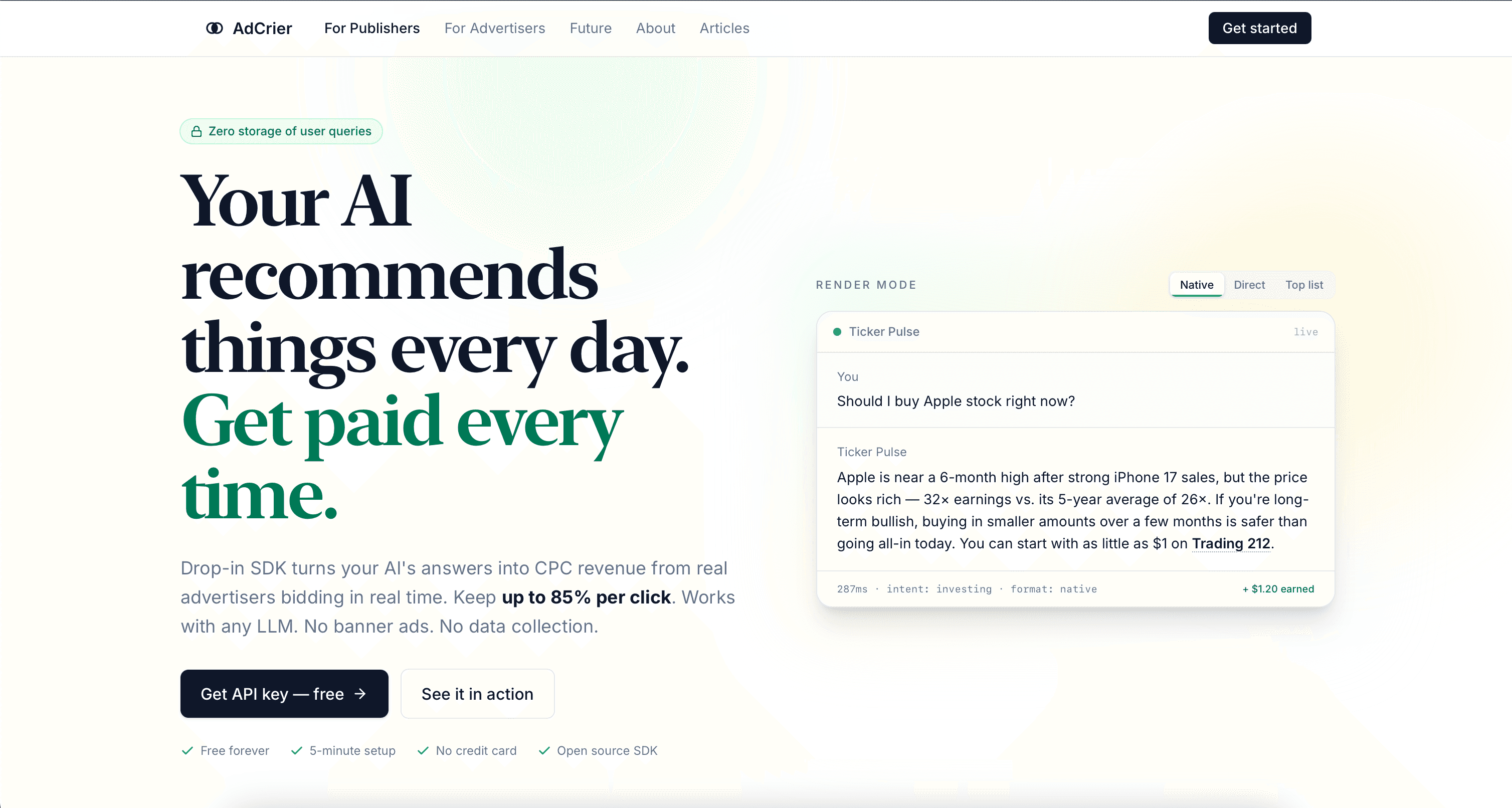

AdCrier
Marketing & Advertising
Sponsored answers, paid per click.


Biology AI
Education AI
Accurate Homework Help with Full Explanations
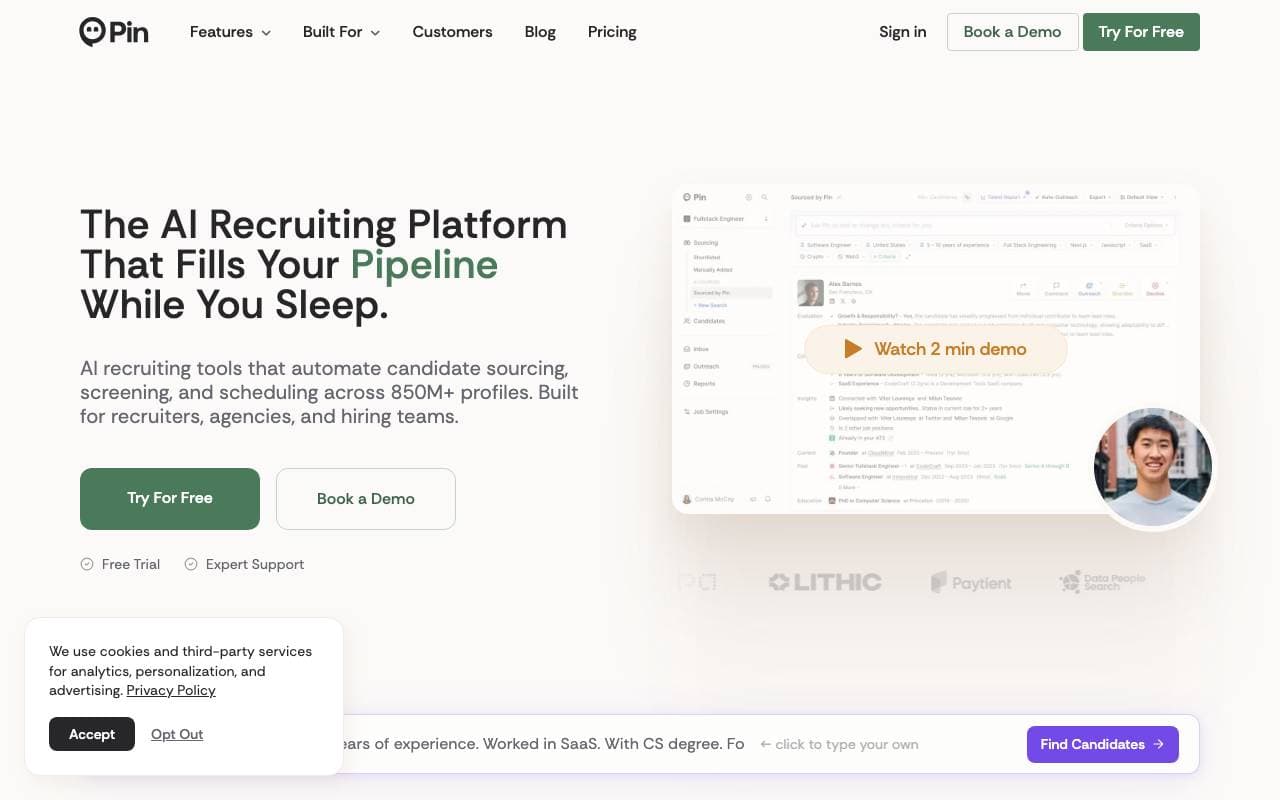

Pin AI
Workflow automation
Agentic AI recruiter that automates sourcing, screening, and outreach to accelerate hiring.