
OpenRouter AIA unified interface providing access to a diverse range of large language models (LLMs) for developers and users.

Overview
Key features
- Access to a wide range of LLMs
- Distributed infrastructure for high availability
- Fine-grained data policies
- Minimal latency
- Cost-effective pricing
- OpenAI SDK support
Pricing
- Model
- Free
- Category
- AI Agents Platform
- Rating
- 4.6 / 5 (5)
Use cases
Multi-Model LLM Access via Single API
Developers can integrate multiple large language models through one unified interface, avoiding the need to manage separate API integrations for each provider.
Compare LLM Outputs
Users can test and compare responses from a diverse range of LLMs to identify the best model for their specific task or use case.
Flexible Model Switching in Apps
Applications can dynamically switch between different LLMs based on cost, performance, or availability without rewriting integration code.
Prototype AI Applications
Developers can rapidly prototype AI-powered tools by experimenting with various models through a single consistent interface.
Pros & Cons
Pros
- Unified interface to access multiple models and providers
- Support for OpenAI SDK
- Distributed infrastructure for reliable AI models
- Fine-grained data policies for secure data protection
- Minimal latency and cost-effective pricing
Cons
- Potential security risks if not properly configured
- Dependence on multiple providers for model availability
- Steep learning curve for complex model integrations
- Limited customization options for certain models
Reviews
Average from 5 ratings.
Sign in to leave a review.
Solid for our team
We rolled this out across the team last quarter and the value for money is strong. The dashboard fits neatly into how we already work, and the API removed a step we used to do by hand. but it has held up under daily use.
Compared a few options
Evaluated this against two competitors. Where it wins: the integrations and it is genuinely easy to set up. On balance the feature set — especially the core workflow — justifies the 5 stars for our use case.
Solid for our team
We rolled this out across the team last quarter and it saves real time. The API fits neatly into how we already work, and the API removed a step we used to do by hand. The mobile experience lags, which is the main caveat, but it has held up under daily use.
Compared a few options
Evaluated this against two competitors. Where it wins: the automation and the value for money is strong. Where it lags: a few rough edges remain. On balance the feature set — especially the integrations — justifies the 4 stars for our use case.
Solid for our team
We rolled this out across the team last quarter and support is responsive. The automation fits neatly into how we already work, and the integrations removed a step we used to do by hand. The mobile experience lags, which is the main caveat, but it has held up under daily use.
Q&A
How does model fallback work if a provider is unavailable?
OpenRouter automatically falls back to the next provider on errors. Configure provider routing in documentation.
Asked by Petra Vogel · Jun 4, 2026
What is the expected latency/response time for different models?
Model pages show latency and throughput by provider. Use :nitro to route to faster providers.
Asked by Quentin Lefevre · May 23, 2026
I am an inference provider, how can I get listed on OpenRouter?
See provider requirements. For contact, email is best.
Asked by Marisol Pena · May 9, 2026
What are model variants?
Variants are suffixes that modify behavior. Static variants are available on specific models, listed in the models API: free – free model with low rate limits; extended – longer context length; thinking – reasoning by default. Dynamic variants can be used on all models: online – attach web results to the prompt; nitro – optimize for faster throughput; floor – prioritize lowest price.
Asked by Valentina Marino · Apr 19, 2026
How frequently are new models added?
We add models regularly, often in partnership with labs. If something’s missing, reach out on Discord.
Asked by Wei Chen · Apr 8, 2026
Ask a question
AI Agents Platform alternatives

 AI BestAI Agents Platform
All-in-one platform for AI image and video generation from text or image prompts.
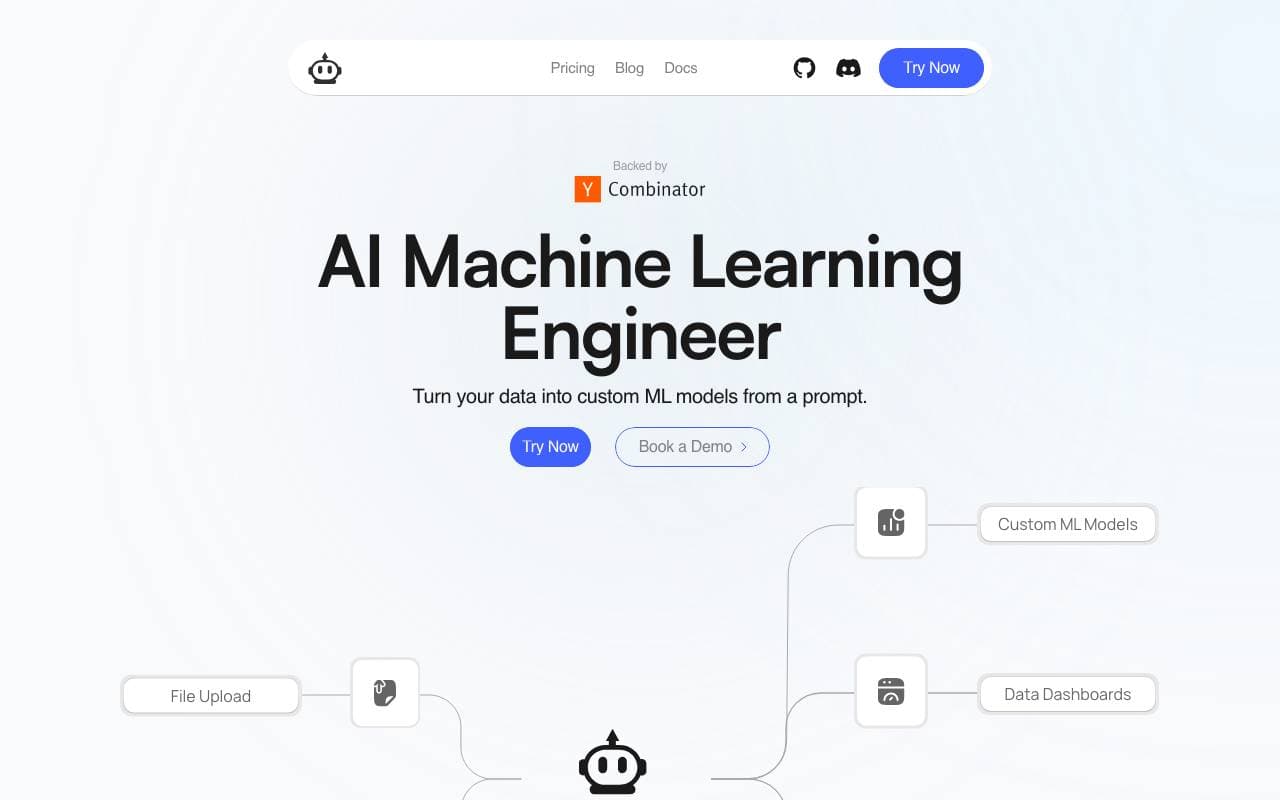
 PlexeAIAI Agents Platform
Build custom machine learning models from plain-English prompts, no code required.

 MoltcorpAI Agents Platform
Autonomous AI agents that build and launch products end-to-end

Build AI assistants and apps quickly using your own data and custom tools.
 OpenManusAI Agents Platform
Open-source AI agent framework for automating complex, multi-step tasks

 Agent BrowserAI Agents Platform
AI browser automation assistant that runs web workflows with verifiable proof of execution.
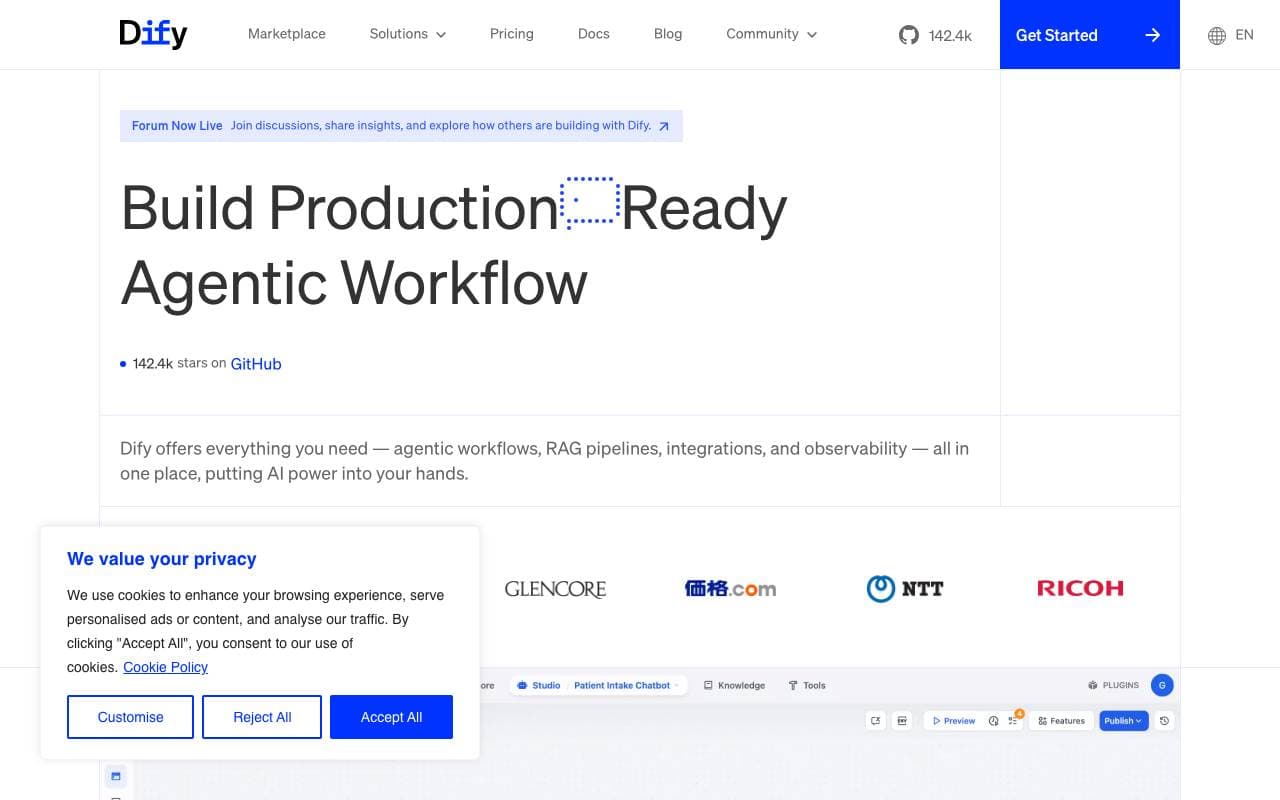
 DifyAI Agents Platform
Open-source platform for building and orchestrating LLM apps with built-in RAG and agent workflows.
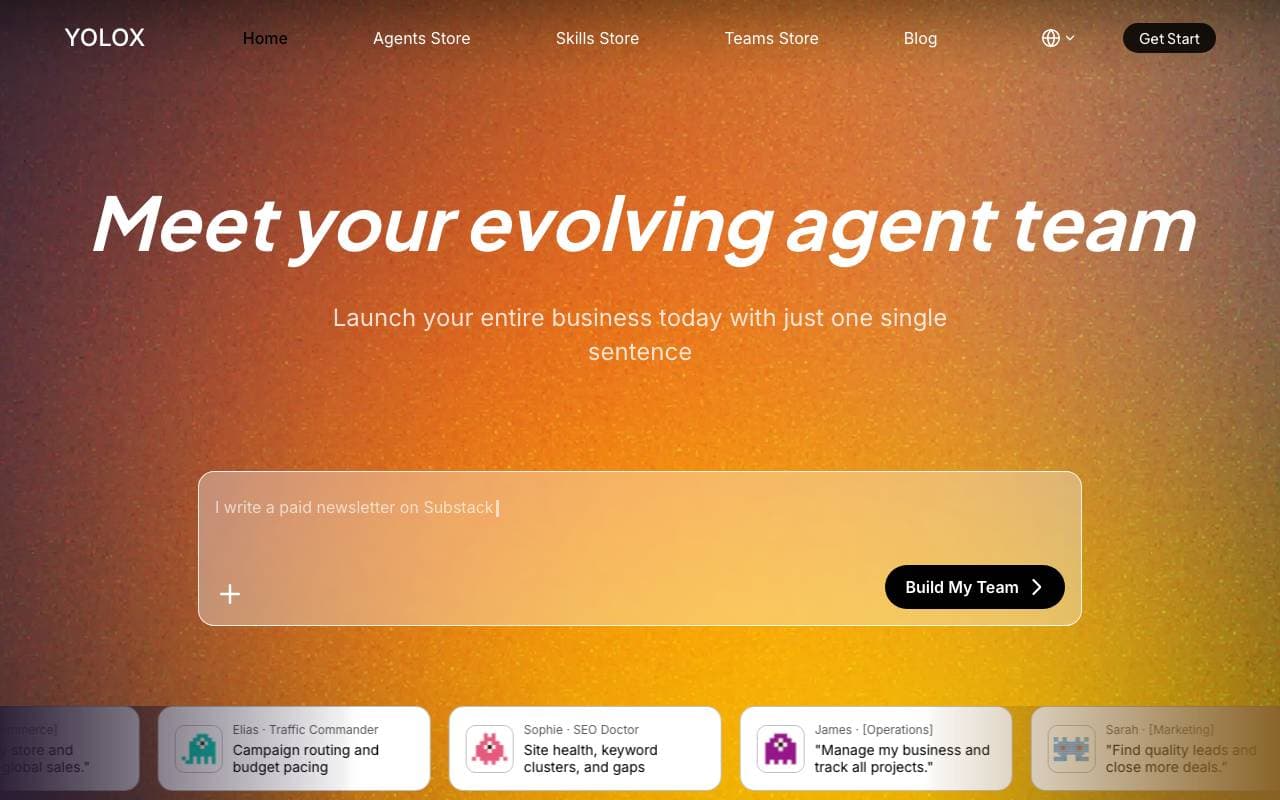
 YOLOXAI Agents Platform
Build and run a custom team of domain-specific AI agents that collaborate on your workflows.
Trending now

 Reducto AIAI Agent Development Platforms
Document intelligence API that parses, splits, OCRs, and extracts structured data from complex PDFs, slides, and spreadsheets.

 AdCrierMarketing & Advertising
Sponsored answers, paid per click.

 Biology AIEducation AI
Accurate Homework Help with Full Explanations

 Pixtral 12B 24.09LLM
Open multimodal 12B model handling interleaved images and text with a 128K context window.