
MemoryMeshA knowledge graph server that uses the Model Context Protocol (MCP) to provide structured memory persistence for AI models. v0.2.8

Overview
Key features
- Dynamic schema-based tools
- Intuitive schema design
- Metadata for AI guidance
- Relationship handling
- Informative feedback
- Event support
Pricing
- Model
- Free
- Category
- MCP Servers
- Rating
- No reviews yet
Use cases
Text-based RPGs
MemoryMesh is ideal for text-based RPGs, allowing for richer and more dynamic interactions between players and AI.
Social network simulations
MemoryMesh can be used to model and simulate social network relationships, providing insights into how individuals interact with each other.
Organizational planning
MemoryMesh can help organizations manage and structure their knowledge and data, facilitating more effective planning and decision-making.
Pros & Cons
Pros
- Empowers users to build and manage structured information for AI models
- Particularly well-suited for text-based RPGs
- Provides dynamic schema-based tools
- Supports metadata for AI guidance
Cons
- Only compatible with the Model Context Protocol
- Limited compatibility with MCP clients
Battle record
Across 1 battle in the Pantheon.
Last battle
Reviews
Sign in to leave a review.
No reviews yet. Be the first!
Q&A
Are there any compatibility limitations?
MemoryMesh is only compatible with the Model Context Protocol and has limited compatibility with MCP clients.
Asked by Amara Chukwu · Oct 13, 2025
What are the key features of MemoryMesh?
MemoryMesh features dynamic schema-based tools, intuitive schema design, metadata for AI guidance, relationship handling, informative feedback, and event support.
Asked by Marcus Bell · Oct 7, 2025
What protocol does MemoryMesh use?
MemoryMesh uses the Model Context Protocol (MCP).
Asked by Emiliano Vargas · Aug 5, 2025
What is MemoryMesh used for?
MemoryMesh is a knowledge graph server designed for AI models, particularly well-suited for text-based RPGs and interactive storytelling.
Asked by Petra Vogel · Jul 14, 2025
Ask a question
MCP Servers alternatives


Playwright MCP
MCP Servers
Open-source MCP server that lets LLMs drive real browsers via Playwright and accessibility snapshots.

Pydantic AI
MCP Servers
Python agent framework from the Pydantic team for building type-safe GenAI apps.

Cognee
MCP Servers
Adaptive memory layer that helps AI agents learn from context over time.


Inbox Zero
MCP Servers
AI email assistant that organizes, drafts replies, and helps you reach inbox zero faster.


Screenpipe
MCP Servers
Open-source 24/7 local screen and audio recording for building context-aware AI apps
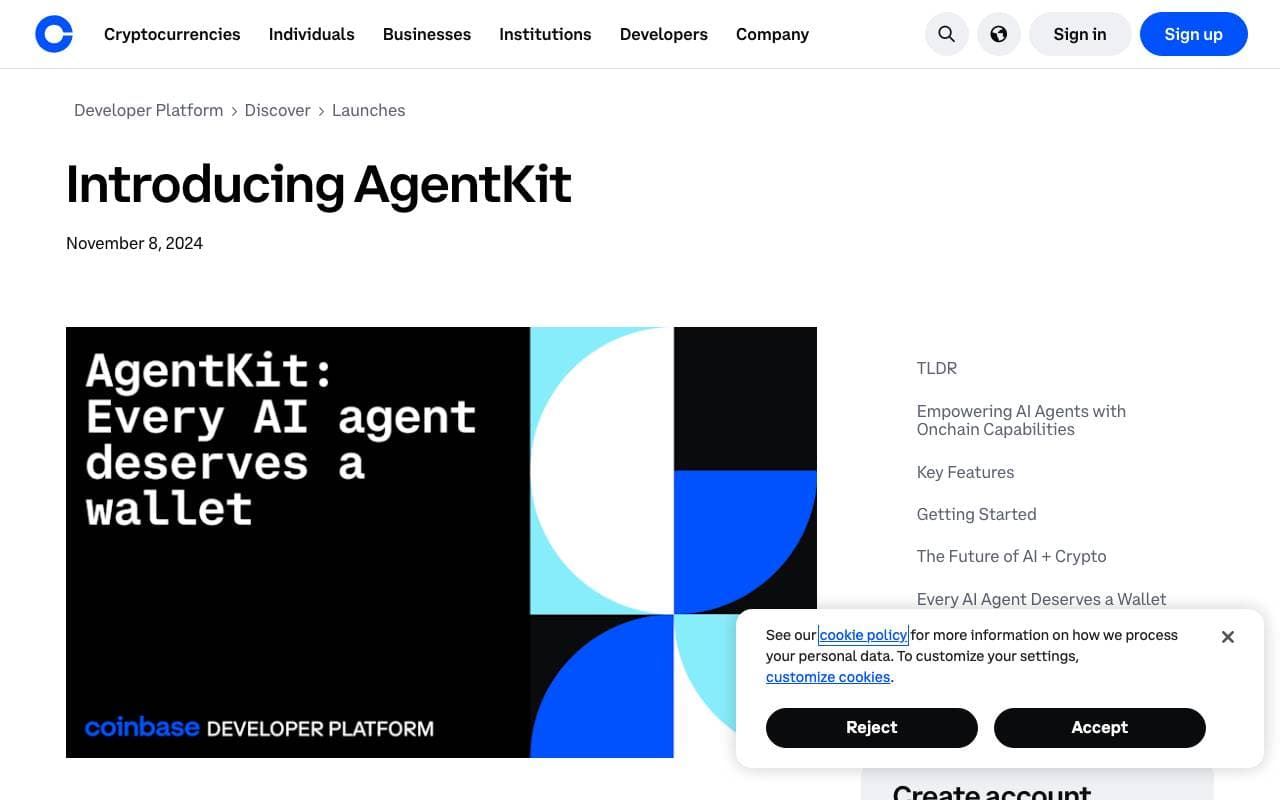

AgentKit
MCP Servers
TypeScript library for building and orchestrating AI agents with tools, memory, and multi-agent workflows.

onchain-mcp
MCP Servers
Bringing the bankless onchain API to MCP

markitdown
MCP Servers
Python tool for converting files and office documents to Markdown.
Trending now


Reducto AI
AI Agent Development Platforms
Document intelligence API that parses, splits, OCRs, and extracts structured data from complex PDFs, slides, and spreadsheets.


AdCrier
Marketing & Advertising
Sponsored answers, paid per click.


Biology AI
Education AI
Accurate Homework Help with Full Explanations


Pin AI
Workflow automation
Agentic AI recruiter that automates sourcing, screening, and outreach to accelerate hiring.