
mcp-server-kubernetesThis server lets AI assistants manage your Kubernetes clusters safely. You can ask an AI to deploy updates, read application logs, or restart services using plain English, with built-in options to aut

Overview
Key features
- Kubernetes cluster management
- Plain English commands
- Automation options
- Integration with Claude Code, Claude Desktop, VS Code, and Cursor
Pricing
- Model
- Free
- Category
- MCP Servers
- Rating
- No reviews yet
Use cases
Deploying updates to a Kubernetes cluster
Use the MCP Server Kubernetes to deploy updates to a Kubernetes cluster using plain English commands.
Managing Kubernetes clusters with AI assistants
Use the MCP Server Kubernetes to manage Kubernetes clusters safely with AI assistants.
Pros & Cons
Pros
- Safe management of Kubernetes clusters
- Supports multiple kubeconfig sources
- Integrates with popular development tools
Cons
- Requires kubectl and a valid kubeconfig file
- May require additional setup for certain tools
Reviews
Sign in to leave a review.
No reviews yet. Be the first!
Q&A
What is the installation process for MCP Server Kubernetes?
Installation is straightforward using CLI tools like mcp-chat, or through IDE extensions such as Claude Code, VS Code, or Cursor. No complex setup is required beyond installing the server and ensuring kubectl is available.
Asked by Quoc Bui · Aug 12, 2025
What kind of operations can I perform with plain‑English commands?
You can deploy updates, read application logs, list pods, create test deployments, restart services, and other standard Kubernetes actions—all via natural language without writing YAML or kubectl commands.
Asked by Priya Nair · Jul 31, 2025
Which AI assistants can I integrate with MCP Server Kubernetes?
The server is designed to work with multiple AI assistants, including Claude Code, Claude Desktop, VS Code’s chat extensions, and Cursor. You can choose the assistant that best fits your workflow.
Asked by Kwabena Asante · Jun 15, 2025
How does MCP Server Kubernetes handle kubeconfig files?
It supports loading kubeconfig from multiple sources, so you can point it to any kubeconfig file or use the default location. However, you must still have a valid kubeconfig and kubectl installed on the host.
Asked by Henrik Dahl · Jun 4, 2025
Ask a question
MCP Servers alternatives

 Playwright MCPMCP Servers
Open-source MCP server that lets LLMs drive real browsers via Playwright and accessibility snapshots.

Python agent framework from the Pydantic team for building type-safe GenAI apps.

Adaptive memory layer that helps AI agents learn from context over time.

 Inbox ZeroMCP Servers
AI email assistant that organizes, drafts replies, and helps you reach inbox zero faster.

 ScreenpipeMCP Servers
Open-source 24/7 local screen and audio recording for building context-aware AI apps
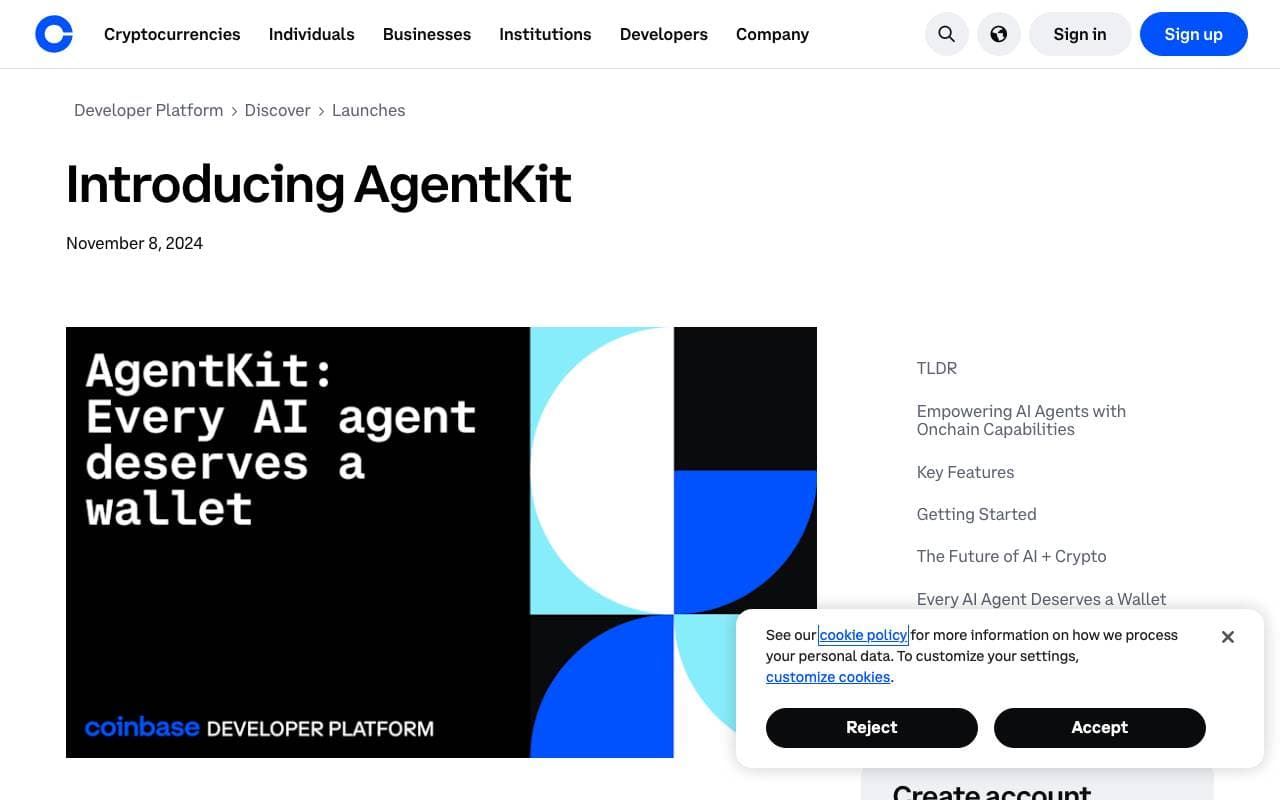
 AgentKitMCP Servers
TypeScript library for building and orchestrating AI agents with tools, memory, and multi-agent workflows.

 onchain-mcpMCP Servers
Bringing the bankless onchain API to MCP

 markitdownMCP Servers
Python tool for converting files and office documents to Markdown.
Trending now

 Biology AIEducation AI
Accurate Homework Help with Full Explanations

 Reducto AIAI Agent Development Platforms
Document intelligence API that parses, splits, OCRs, and extracts structured data from complex PDFs, slides, and spreadsheets.

 Pixtral 12B 24.09LLM
Open multimodal 12B model handling interleaved images and text with a 128K context window.

 AdCrierMarketing & Advertising
Sponsored answers, paid per click.