
Learning LoopCompound knowledge across sessions. Plan-tune dual-track psychographic profile (declared vs behavior), retro philosophy that demotes LOC, the keep-or-toss test for learnings.

Overview
Key features
- Dual-track psychographic profiling (declared and inferred)
- Keep-or-toss test for learnings
- Learning categorization (pattern, pitfall, preference, etc.)
- Confidence level assignment based on insight source
- Session classification and boundary detection
- Focus score calculation for scattered work detection
Pricing
- Model
- Free
- Category
- Skills
- Rating
- No reviews yet
Use cases
Personalized Knowledge Management
Learning Loop helps individuals manage their knowledge and workflow across multiple projects and sessions, providing a personalized system for retaining and surfacing valuable insights.
Team Productivity and Improvement
Learning Loop can be used by teams to improve productivity and workflow, by providing a shared system for tracking and retaining learnings and insights across sessions and projects.
Pros & Cons
Pros
- Improves knowledge retention and compounding across sessions
- Provides a nuanced understanding of user preferences through dual-track psychographic profiling
- Emphasizes the importance of shipped features over lines of code
- Helps users identify and retain valuable insights and learnings
Cons
- May require significant upfront setup and calibration
- Relies on accurate and consistent user input and behavior tracking
- May not be suitable for all types of projects or workflows
Reviews
Sign in to leave a review.
No reviews yet. Be the first!
Q&A
Is Learning Loop suitable for all project types?
It is most effective for projects where iterative learning and feature shipping matter; however, it may not fit workflows that lack consistent user input or that do not benefit from tracking preferences and insights across sessions.
Asked by Uma Krishnan · May 5, 2026
What setup is required before I can start using Learning Loop?
The system needs initial calibration of the dual-track psychographic profile, which involves entering declared preferences and ensuring consistent behavior tracking. Without accurate input, the confidence levels and session classification may not be reliable.
Asked by Gustav Lindberg · Apr 18, 2026
What is the keep-or-toss test and how does it help me?
The keep-or-toss test evaluates each insight to determine if it warrants logging. By filtering out low-value learnings, it keeps the knowledge base focused and relevant, reducing clutter and improving productivity.
Asked by Rania Nasser · Apr 13, 2026
How does Learning Loop improve knowledge retention over time?
Learning Loop compounds insights across sessions using a dual-track psychographic profile that tracks both declared and inferred preferences, categorizes learnings, and assigns confidence levels, ensuring useful patterns, pitfalls, and preferences are surfaced in future work.
Asked by Nils Johansson · Feb 17, 2026
Ask a question
Skills alternatives

Manage Headers (Grade A)
Skills
Security-tested development skill for Claude AI. Grade A. Inspects and configures the security headers a Power Pages site sends to browsers — Content Security Policy, frame and clickjacking protection

Using Git Worktrees (Grade A)
Skills
Security-tested data-ai skill for Claude AI. Grade A. Use when starting feature work that needs isolation from current workspace or before executing implementation plans - creates isolated git worktre

Ga4 Bigquery Schema (Grade A)
Skills
Security-tested data-ai skill for Claude AI. Grade A. GA4 BigQuery Export Schema Reference — complete field reference, nested structures, query patterns, and performance tips

Meta Capi (Grade A)
Skills
Security-tested data-ai skill for Claude AI. Grade A. Meta Conversions API (CAPI) Setup Reference — architecture, event types, customer information hashing, deduplication, implementation examples, AEM

Callees (Grade A)
Skills
Security-tested development skill for Claude AI. Grade A. Lista o que uma funcao/metodo chama (call graph direto)

Test Module Name (Grade A)
Skills
Security-tested data-ai skill for Claude AI. Grade A. Name Haskell test modules after the module under test with a Spec suffix in the same namespace. Use when writing or reviewing Haskell test module

Board Of Directors (Grade A)
Skills
Security-tested data-ai skill for Claude AI. Grade A. Simulate a 5-member expert board deliberation for major decisions. Use when evaluating plans, architecture choices, feature designs, or any decisi

Advpl Mvc Avancado (Grade A)
Skills
Security-tested development skill for Claude AI. Grade A. MVC avançado via PE (Pontos de Entrada) — adicionar grids customizadas em telas MVC padrão (CNTA300/MATA070/MATA440/MATA460/FINA040 via *STRU)
Trending now


Reducto AI
AI Agent Development Platforms
Document intelligence API that parses, splits, OCRs, and extracts structured data from complex PDFs, slides, and spreadsheets.
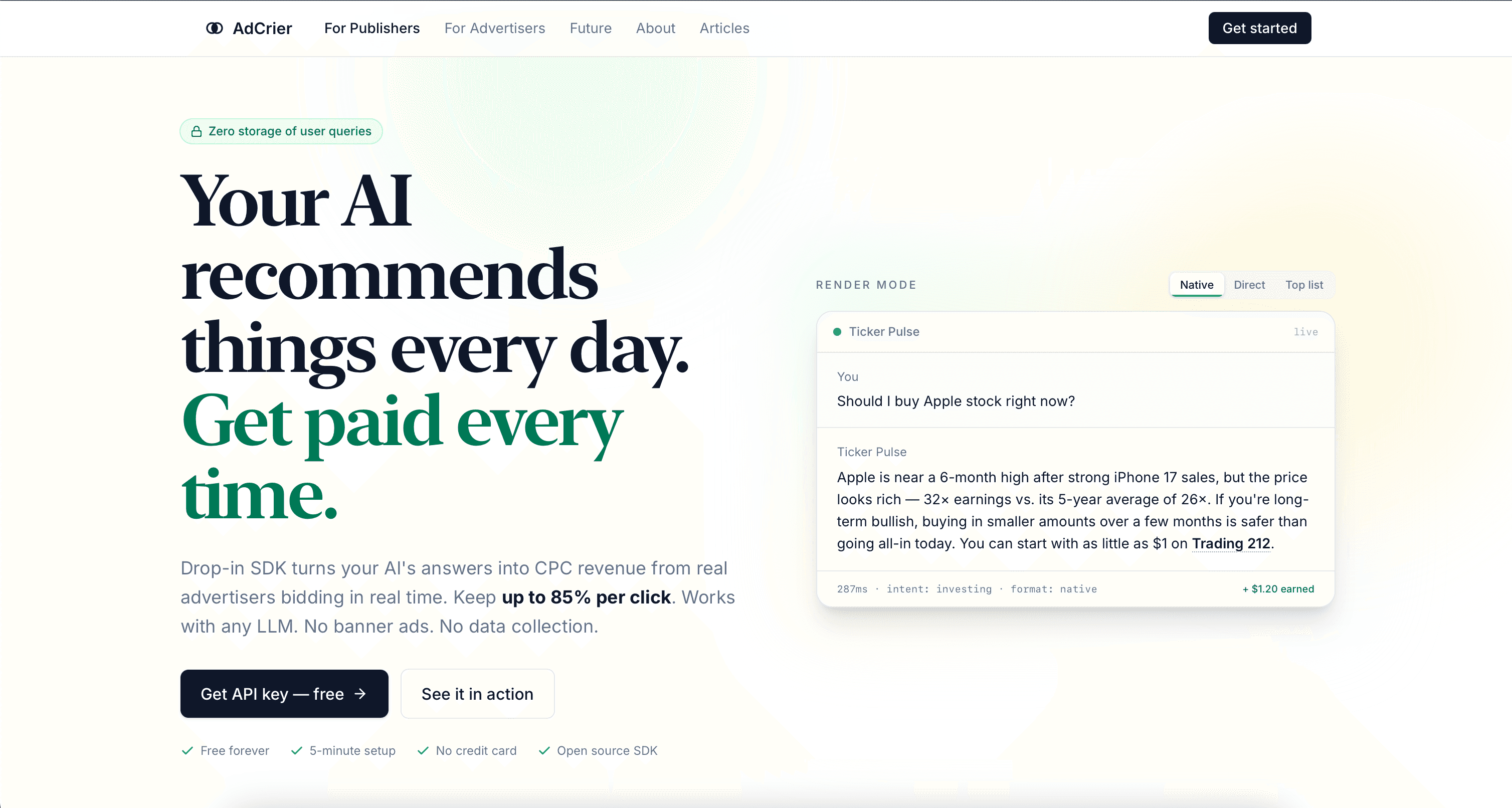

AdCrier
Marketing & Advertising
Sponsored answers, paid per click.


Biology AI
Education AI
Accurate Homework Help with Full Explanations
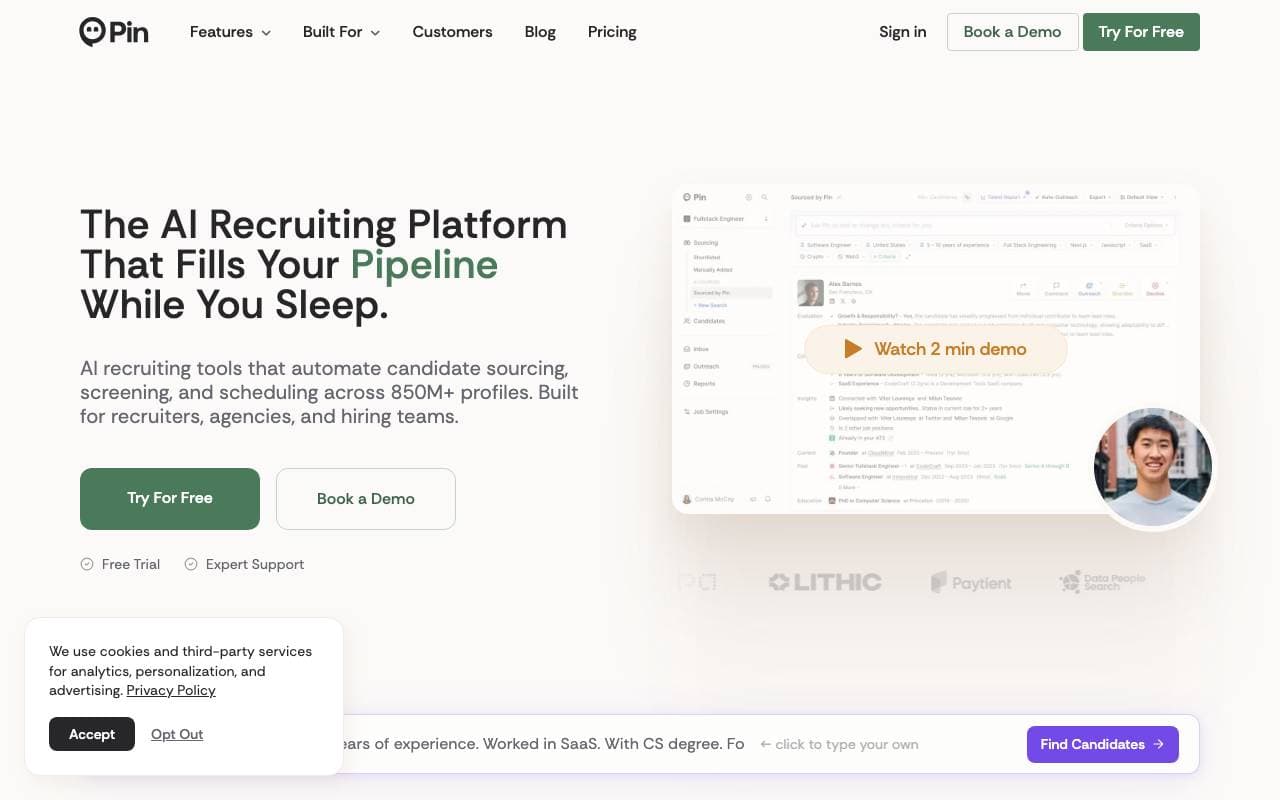

Pin AI
Workflow automation
Agentic AI recruiter that automates sourcing, screening, and outreach to accelerate hiring.