FloatbotEnterprise AI agent platform for contact center and voice/chat automation

Overview
Key features
- No-code conversational AI builder
- Voice bots with speech recognition
- Live agent assist and co-pilot
- CRM and telephony integrations
- Multilingual support
- Analytics and reporting dashboard
Pricing
- Model
- Free
- Category
- Voice AI Agents
- Rating
- 4.8 / 5 (4)
Use cases
Automate Claims FNOL and Support Processes
Streamline claims processing, automate support calls, and empower adjusters with real-time guidance to enhance efficiency and compliance in regulated industries such as insurance and healthcare.
Improve Customer Experience in Contact Centers
Enable seamless agent handover, drive BPO automation, and reduce compliance risk through AI-powered contact center automation for voice and chat interactions across various industries including banking, lending, and healthcare.
Optimize Operations Workflows in Financial Services
Automate high-volume workflows, enable self-service AI agents, and reduce call handling times for improved customer engagement and experience in financial services and BPO sectors.
Pros & Cons
Pros
- No-code builder for designing AI agents
- Supports both voice and chat channels
- Pre-built integrations for enterprise systems
- Real-time agent assist features
- Industry-specific solutions for BFSI
Cons
- Geared toward enterprises, less suited for small teams
- Setup may require vendor support
- Pricing not publicly transparent
Battle record
Across 1 battle in the Pantheon.
Last battle
Reviews
Average from 4 ratings.
Sign in to leave a review.
Compared a few options
Evaluated this against two competitors. Where it wins: no-code conversational AI builder and pre-built integrations for enterprise systems. Where it lags: geared toward enterprises, less suited for small teams. On balance the feature set — especially analytics and reporting dashboard — justifies the 5 stars for our use case.

Years in this space
I've evaluated a lot of these over the years. What stands out here is multilingual support — handled better than most — and supports both voice and chat channels. Worth the time if this is your use case.
Compared a few options
Evaluated this against two competitors. Where it wins: multilingual support and no-code builder for designing AI agents. On balance the feature set — especially analytics and reporting dashboard — justifies the 5 stars for our use case.

Use it every day
Honestly didn't expect to like it this much. No-code conversational AI builder is exactly what I needed, and pre-built integrations for enterprise systems. I do wish pricing not publicly transparent, but I reach for it almost every day now and it just clicks.
Q&A
How much does AI reduce the cost to collect?
AI automation has been reported to cut collections operating costs by roughly 30–50%, mainly by automating repetitive tasks — manual processes alone are estimated to consume about 30% of a collections team's time. Savings compound further since AI operates 24/7 across channels without added headcount.
Asked by Constantin Ionescu · Oct 27, 2025
Does AI actually improve recovery rates / is it effective?
Yes, when AI is implemented effectively, it can improve recovery rates by increasing customer engagement, personalized outreach, and providing support across multiple communication channels. AI also reduces response times, automates follow-ups, and ensures consistent communication, helping more customers resolve their accounts. While results vary by organization, many businesses also see improvements in agent productivity, operational efficiency, and customer satisfaction.
Asked by Fatima Zahra · Oct 24, 2025
How does AI debt collection work?
AI debt collection uses conversational AI, machine learning, and workflow automation to engage customers across voice, chat, SMS, email, and other digital channels. AI can answer account questions, send payment reminders, negotiate payment plans within predefined rules, process payments, update customer information, and route complex cases to human agents.
Asked by Robert Ainsworth · Oct 12, 2025
Is AI in debt collection legal?
Yes, AI is legal in debt collection — it must follow the same rules a human collector would under whichever country's law applies. In the U.S. that means the FDCPA, TCPA, and Regulation F; in the EU and UK, it means GDPR-level data protection plus consumer credit and financial conduct rules (e.g., FCA guidance in the UK). What makes AI compliant anywhere: consent tracking, human escalation paths, audit trails, and following local data-protection and disclosure rules.
Asked by Margaret Whitfield · Sep 28, 2025
Can AI Agents handle compliance with FDCPA, CFPB and other debt collection regulations?
Yes, AI Agents like LEXI are designed to be fully compliant with regulations such as Reg F, FDCPA, TCPA, HIPAA, PCI-DSS and more. It includes built-in, real-time regulatory compliance filters and can reduce compliance-related errors by 40%.
Asked by Ines Zeković · Sep 17, 2025
Ask a question
Voice AI Agents alternatives

Custodia AI
Voice AI Agents
AI voice agents that automate regulatory compliance and customer data management
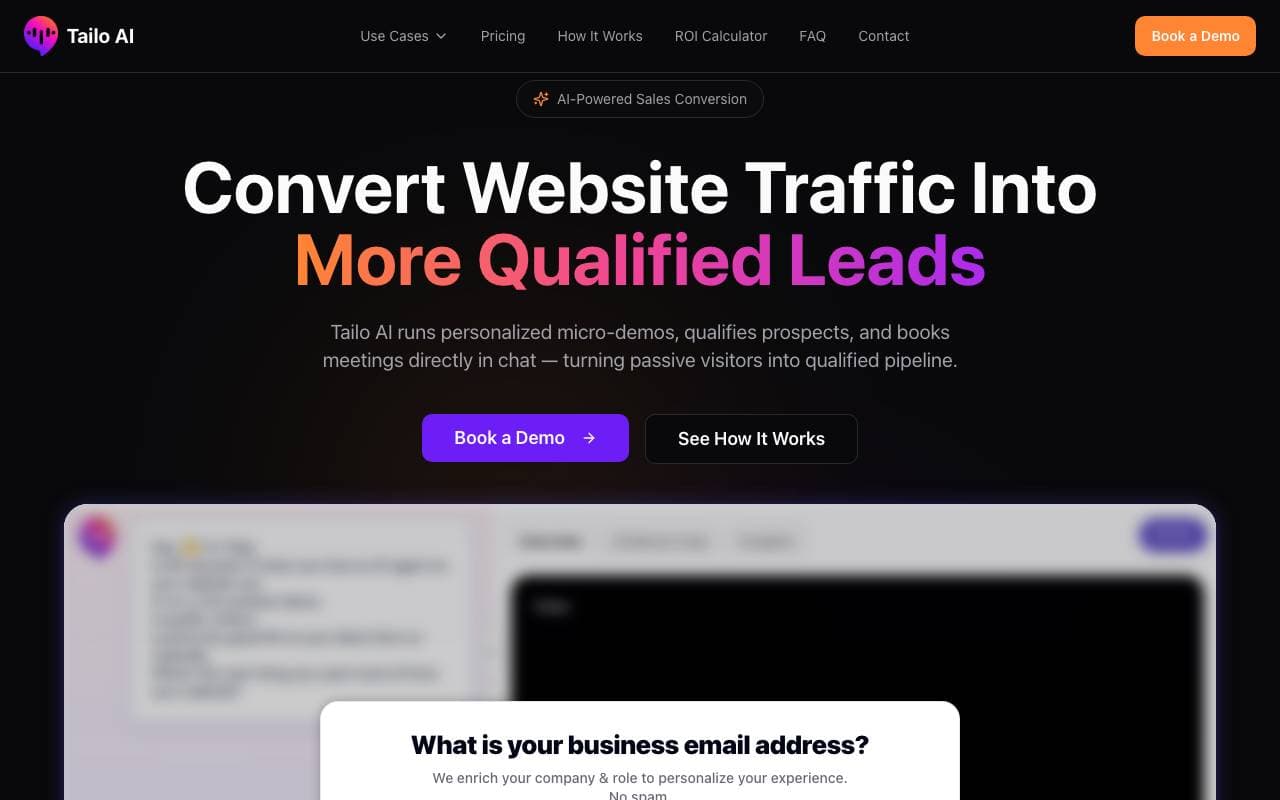

Tailo
Voice AI Agents
AI agent that runs instant, interactive product demo calls with prospects

Destiny
Voice AI Agents
AI-guided self-reflection for shaping life decisions and personal growth
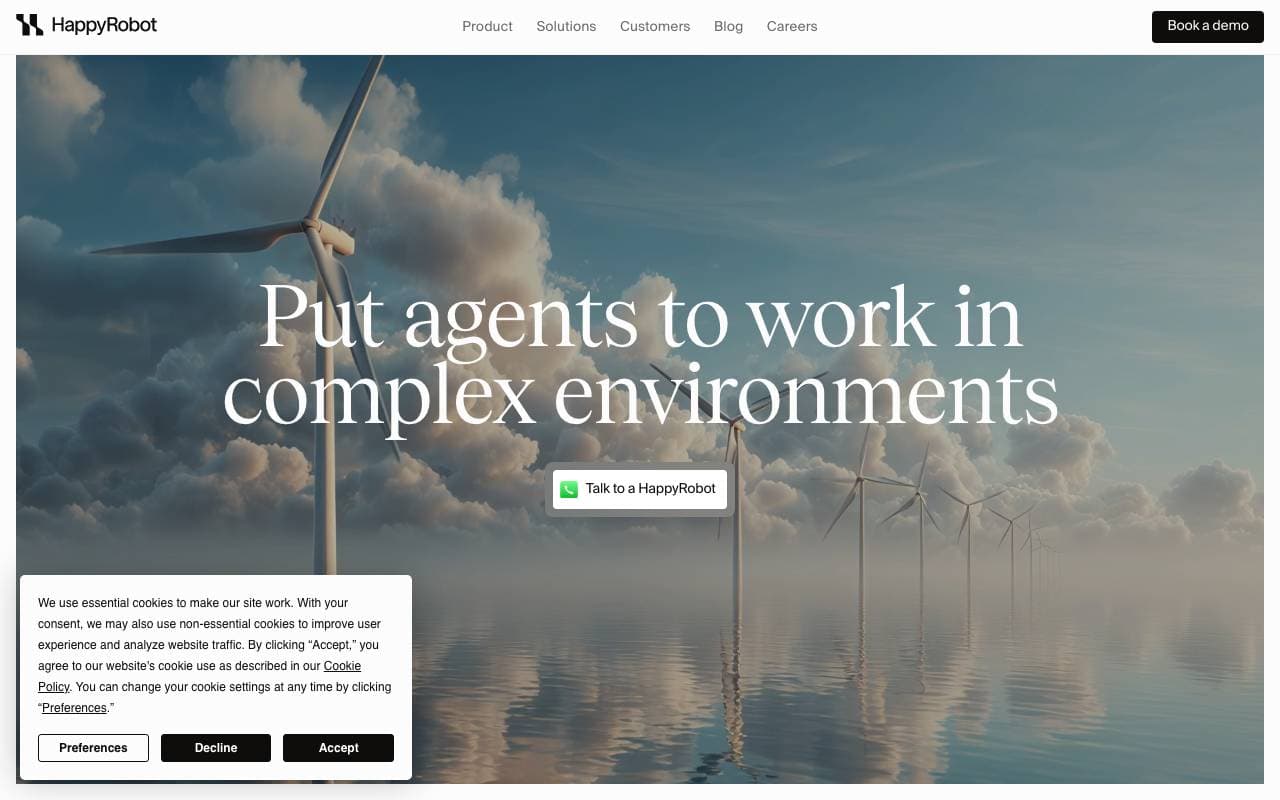

HappyRobot AI
Voice AI Agents
AI voice agents automating logistics communications like calls, emails, and texts for freight operations.
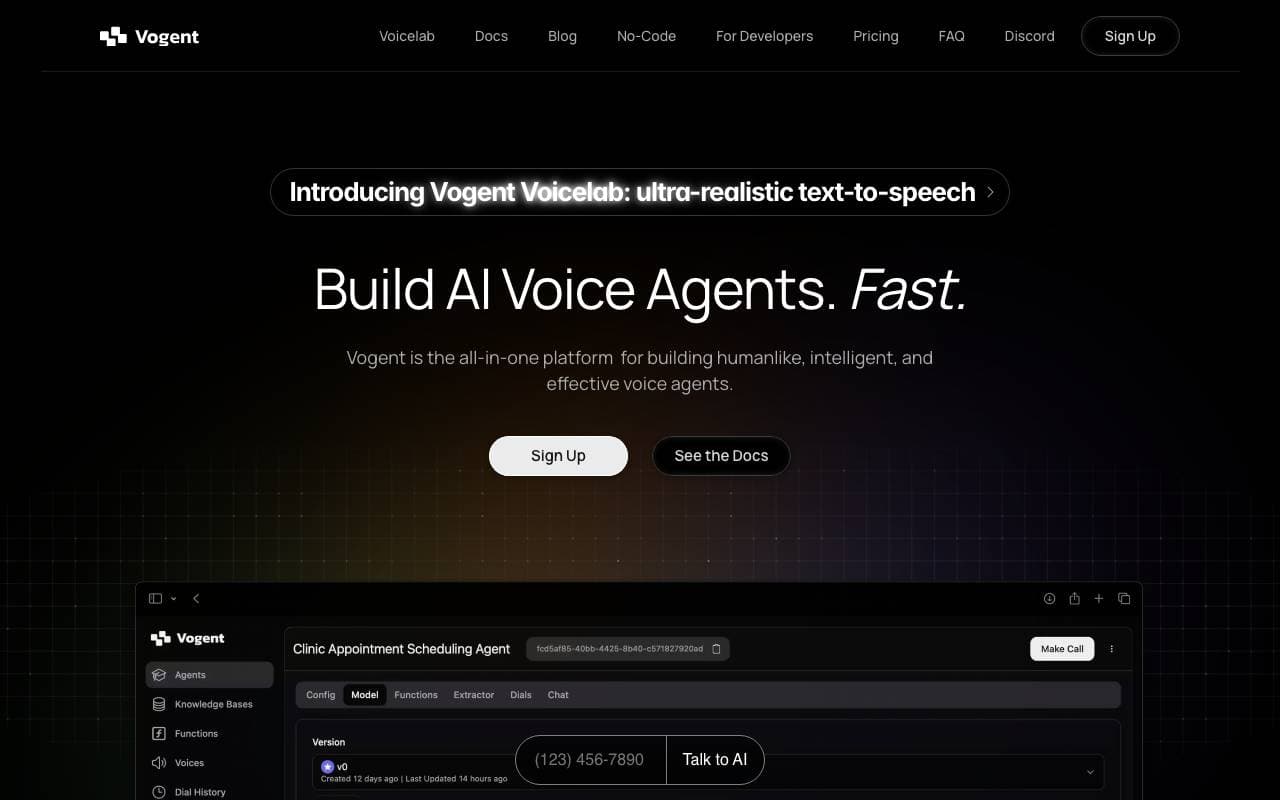
Vogent AI
Voice AI Agents
Build human-sounding AI voice agents for automated phone calls.


Wispr Flow
Voice AI Agents
Voice dictation that types for you across any app, with AI-polished accuracy.
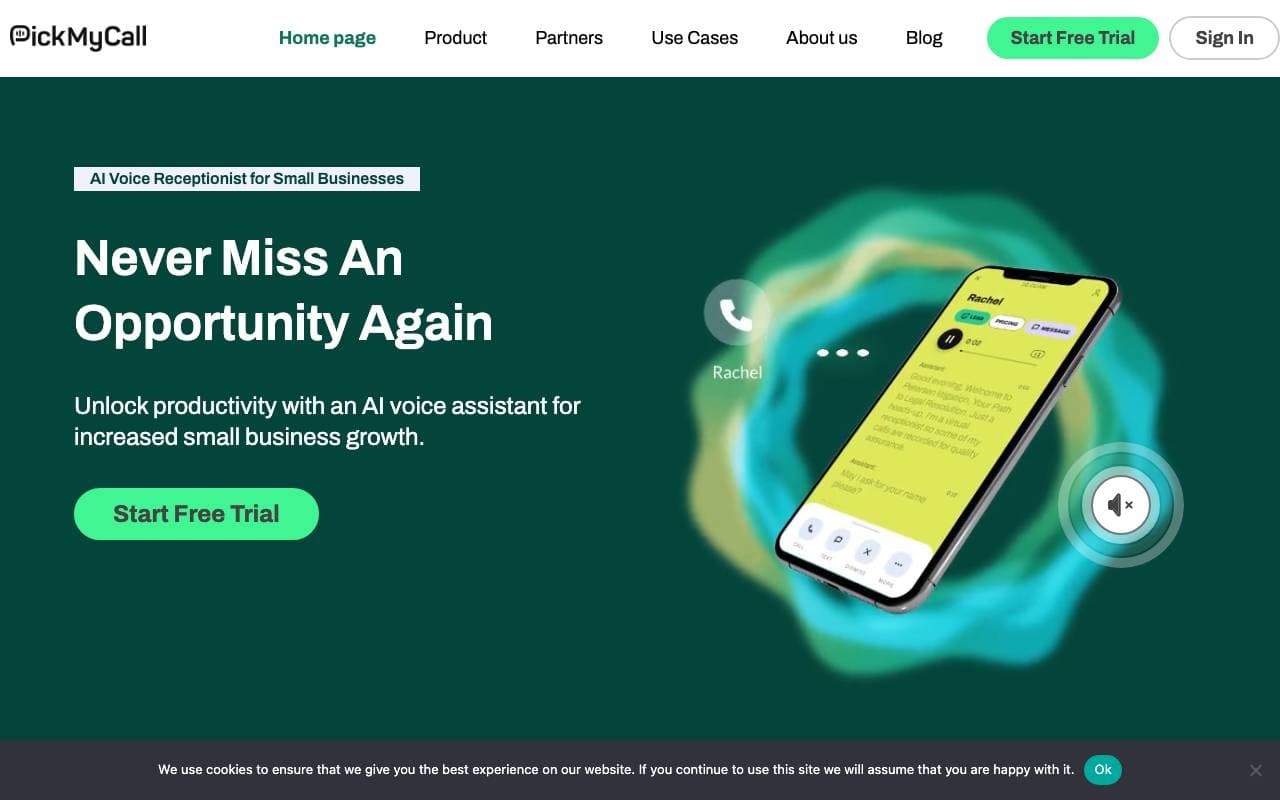

PickMyCall
Voice AI Agents
AI call answering built for small and midsize businesses that never miss a customer.
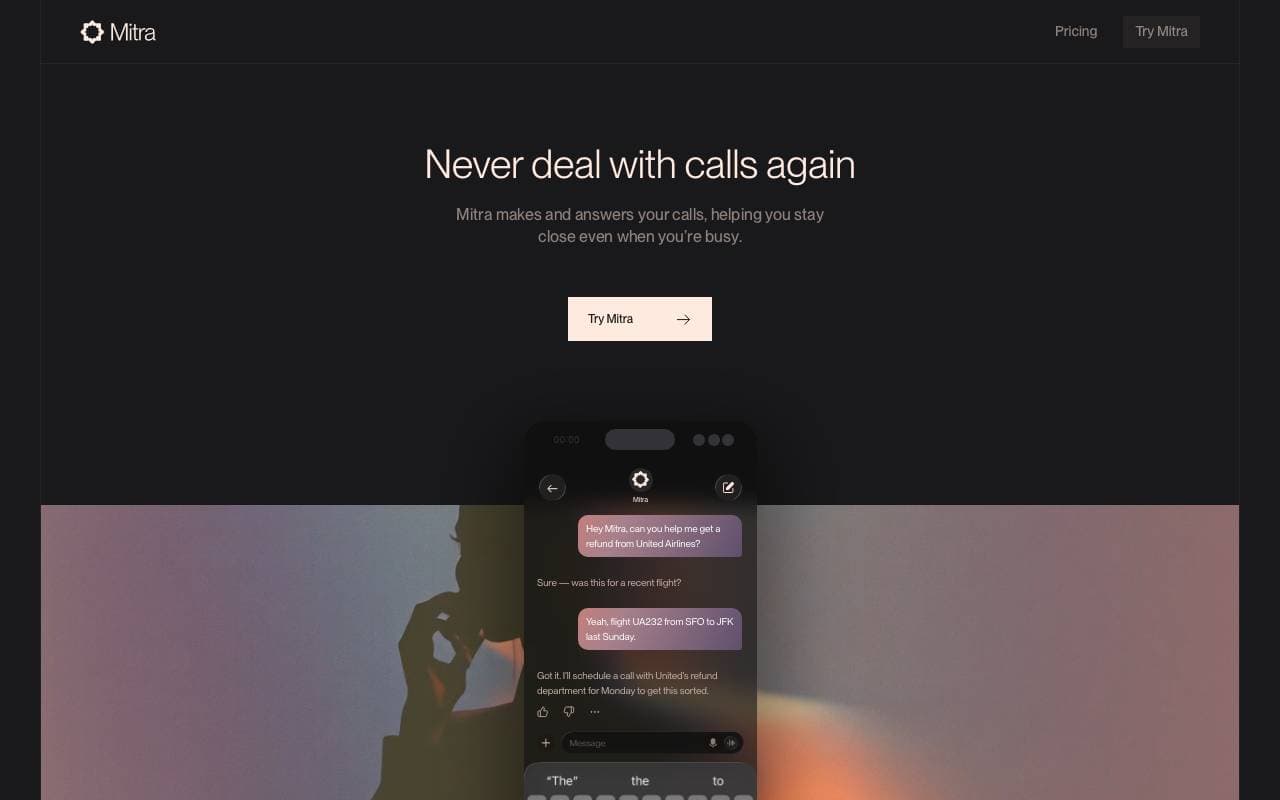

Mitra AI Phone Calling
Voice AI Agents
AI assistant that makes phone calls for you using your own caller ID
Trending now


Reducto AI
AI Agent Development Platforms
Document intelligence API that parses, splits, OCRs, and extracts structured data from complex PDFs, slides, and spreadsheets.


Biology AI
Education AI
Accurate Homework Help with Full Explanations
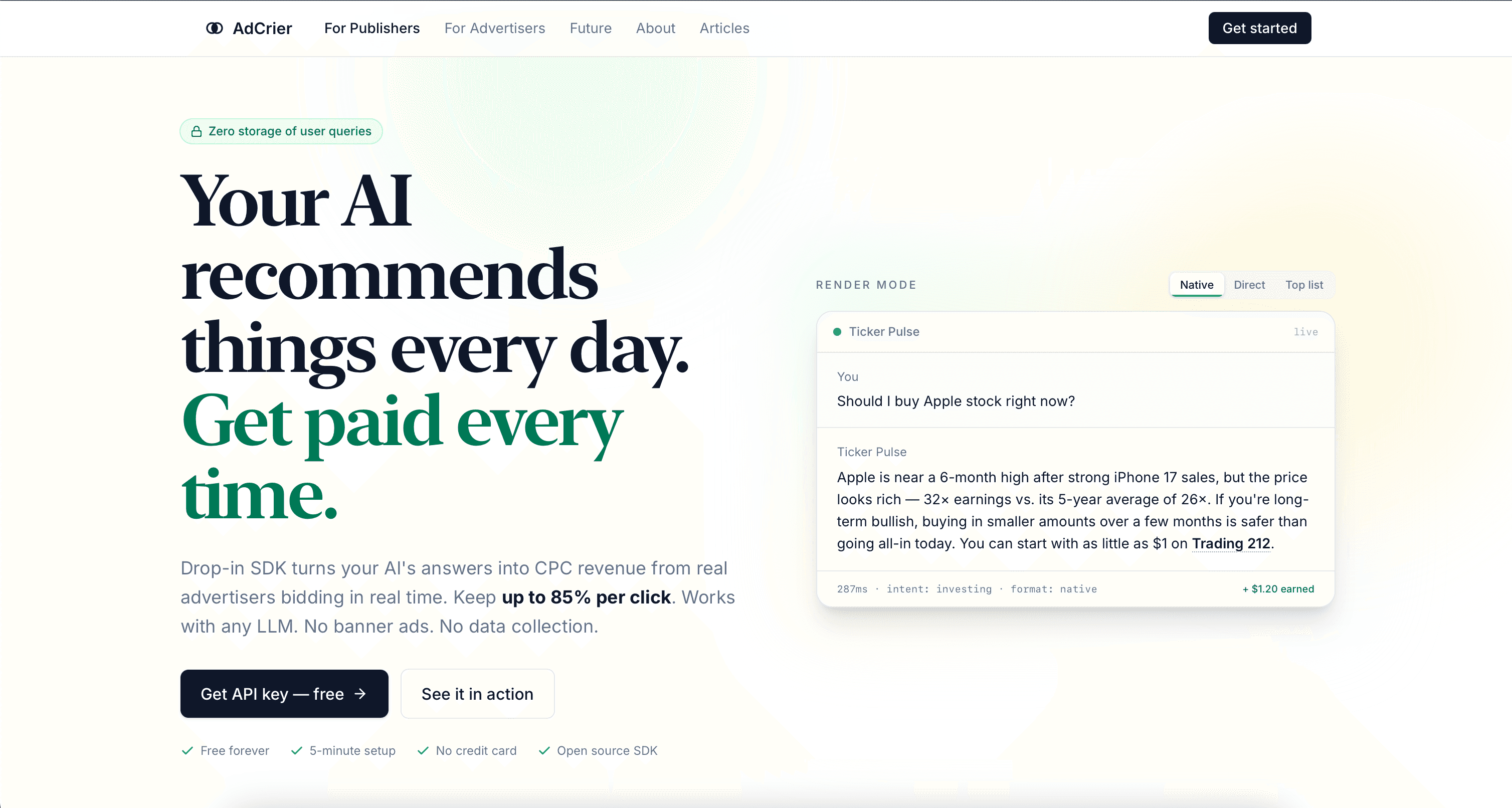

AdCrier
Marketing & Advertising
Sponsored answers, paid per click.

Pin AI
Workflow automation
Agentic AI recruiter that automates sourcing, screening, and outreach to accelerate hiring.