dbhubUniversal database MCP server connecting to MySQL, PostgreSQL, SQL Server, MariaDB.

Overview
Key features
- execute_sql for executing SQL queries
- search_objects for searching and exploring database schemas
- Custom tools for defining reusable SQL operations
- Workbench for interacting with database tools
- Multi-database support for PostgreSQL, MySQL, MariaDB, SQL Server, and SQLite
Pricing
- Model
- Free
- Category
- MCP Servers
- Rating
- No reviews yet
Use cases
Database Development
DBHub allows developers to connect to multiple databases simultaneously and execute SQL queries with transaction support and safety controls.
Database Exploration
DBHub provides a built-in web interface for interacting with database tools, allowing users to explore database schemas, tables, columns, indexes, and procedures.
Pros & Cons
Pros
- Zero dependency and token efficient
- Supports multiple databases through a single interface
- Multi-connection and simultaneous database connections
- Guardrails for preventing runaway operations
- Secure access with SSH tunneling and SSL/TLS encryption
Cons
- Requires MCP-compatible clients
- No built-in authentication for HTTP clients
Reviews
Sign in to leave a review.
No reviews yet. Be the first!
Q&A
Do I need special client software to interact with DBHub?
Yes, DBHub implements the Model Context Protocol (MCP) server interface, so you’ll need MCP‑compatible clients to connect and use its features; it does not provide built‑in HTTP authentication for generic web clients.
Asked by Nils Johansson · Nov 1, 2025
What deployment options are available for installing DBHub?
You can install DBHub via Docker or directly with Node.js, and it includes a built‑in web interface; a demo mode is also provided for quick testing without any configuration.
Asked by Kalinda Reddy · Oct 26, 2025
How do I secure connections to my databases when using DBHub?
DBHub offers SSH tunneling and SSL/TLS encryption for secure access, and you can also run it in read‑only mode, set row limits, and define query timeouts to protect against runaway operations.
Asked by Aaliyah Johnson · Oct 25, 2025
What databases can DBHub connect to and how many can I use simultaneously?
DBHub supports PostgreSQL, MySQL, MariaDB, SQL Server, and SQLite, allowing you to open multiple connections and work with several databases at the same time through a single MCP interface.
Asked by Oscar Lindqvist · Oct 19, 2025
Ask a question
MCP Servers alternatives

 Playwright MCPMCP Servers
Open-source MCP server that lets LLMs drive real browsers via Playwright and accessibility snapshots.

Python agent framework from the Pydantic team for building type-safe GenAI apps.
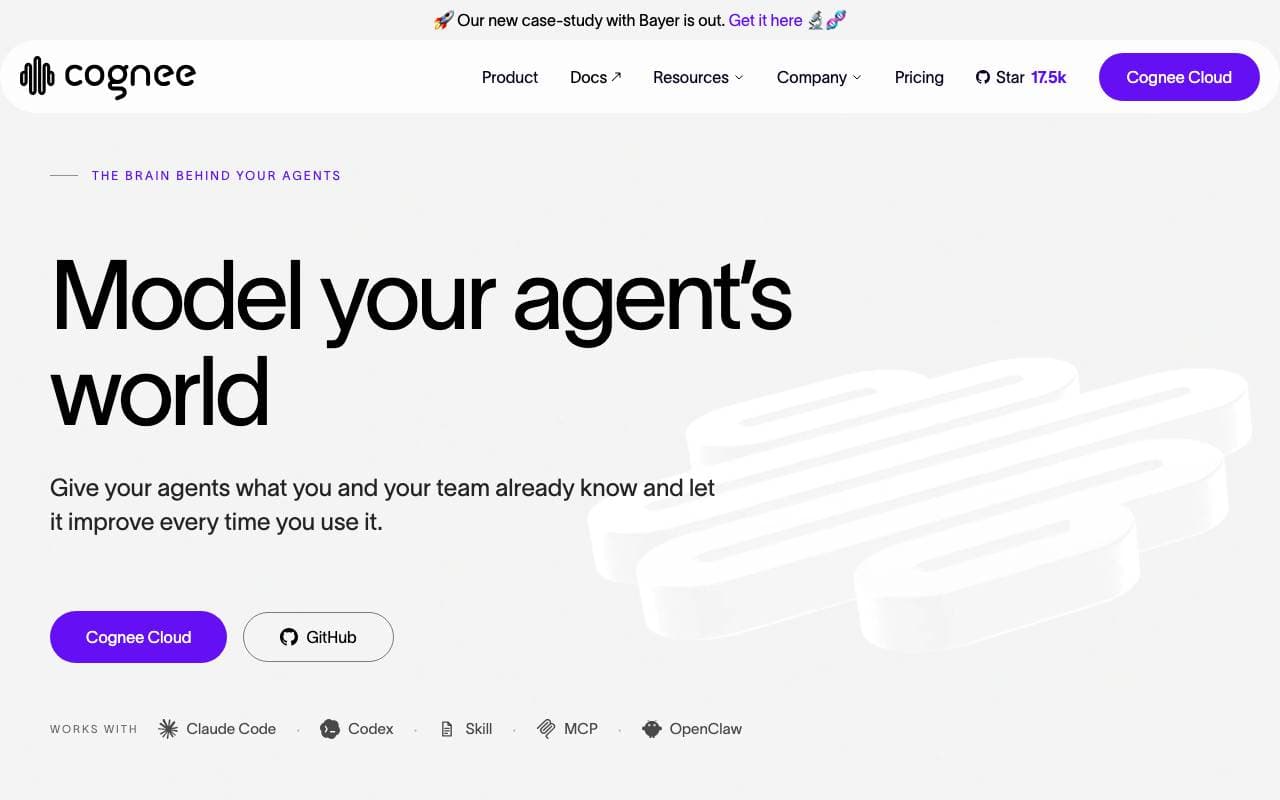
Adaptive memory layer that helps AI agents learn from context over time.

 Inbox ZeroMCP Servers
AI email assistant that organizes, drafts replies, and helps you reach inbox zero faster.
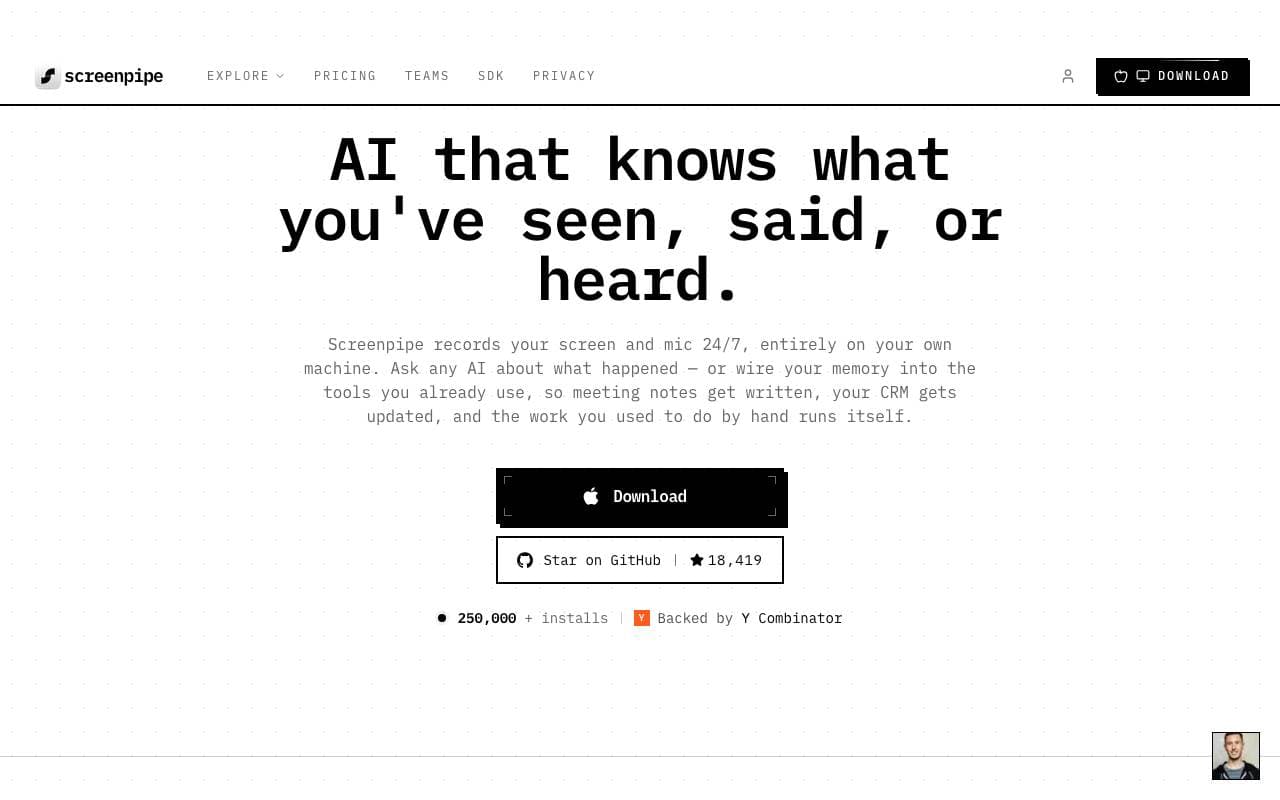
 ScreenpipeMCP Servers
Open-source 24/7 local screen and audio recording for building context-aware AI apps
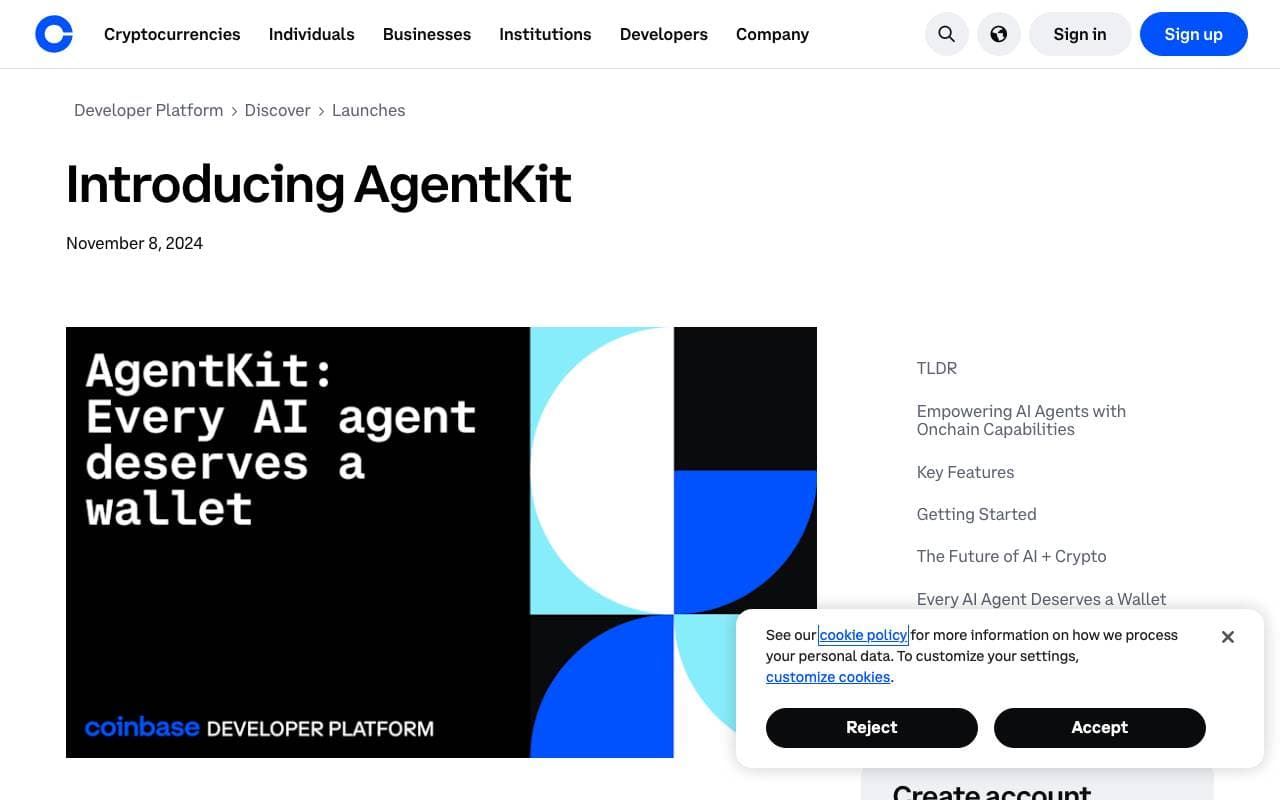
 AgentKitMCP Servers
TypeScript library for building and orchestrating AI agents with tools, memory, and multi-agent workflows.

 onchain-mcpMCP Servers
Bringing the bankless onchain API to MCP

 markitdownMCP Servers
Python tool for converting files and office documents to Markdown.
Trending now

 Reducto AIAI Agent Development Platforms
Document intelligence API that parses, splits, OCRs, and extracts structured data from complex PDFs, slides, and spreadsheets.
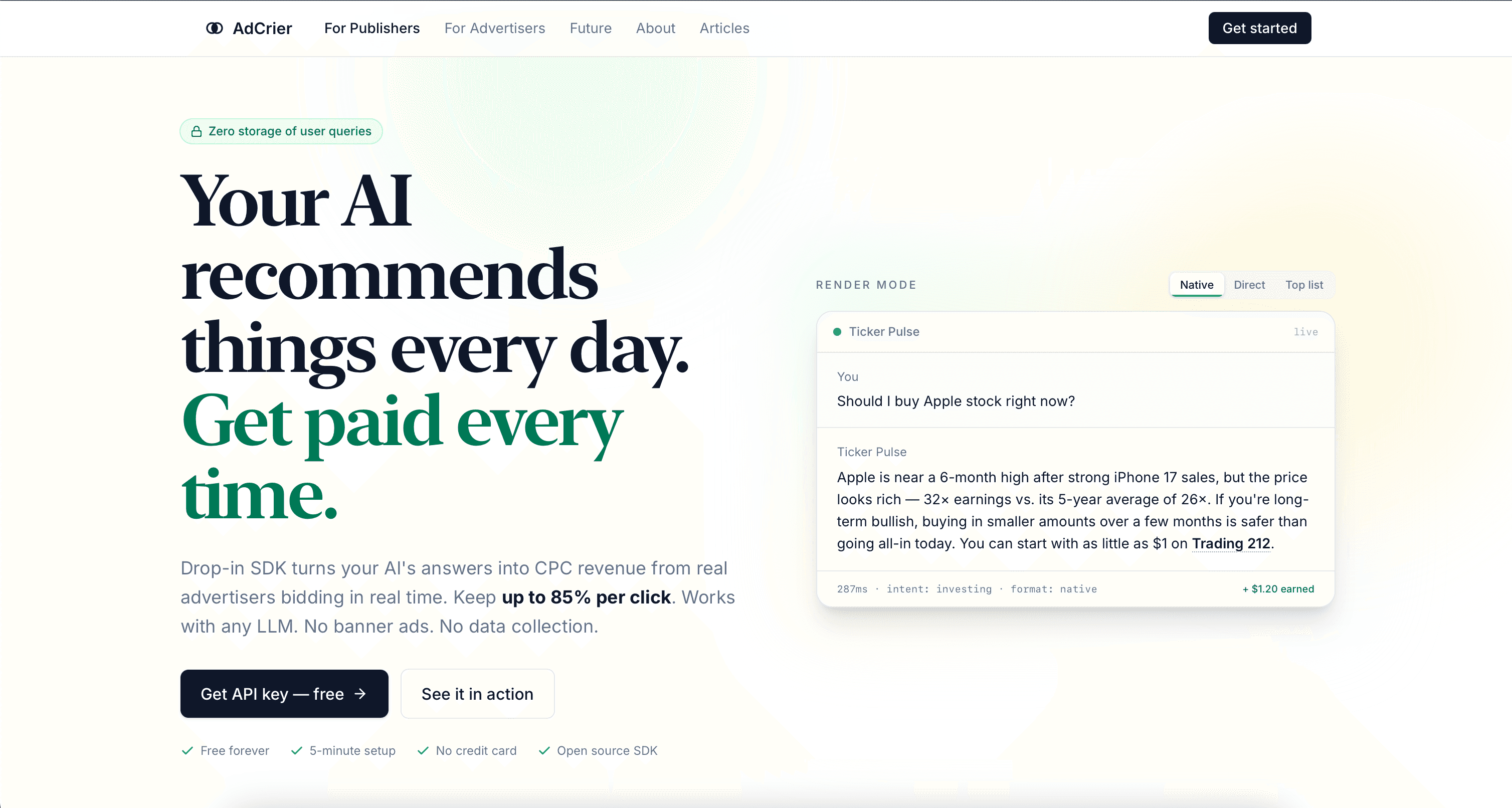
 AdCrierMarketing & Advertising
Sponsored answers, paid per click.

 Biology AIEducation AI
Accurate Homework Help with Full Explanations

 Pixtral 12B 24.09LLM
Open multimodal 12B model handling interleaved images and text with a 128K context window.