
PixeeKI-gesteuertes Code-Sicherheits-Tool, das Schwachstellen, exponierte Geheimnisse und riskante Abhängigkeiten automatisch behebt.

Übersicht
Hauptfunktionen
- Automatisierte Schwachstellenbehebung über Pull Requests
- Erkennung und Entfernung von Geheimnissen
- Abhängigkeits-Härtung und Updates
- Integration mit GitHub, GitLab und CI-Tools
- Kompatibel mit bestehenden Scannern wie Sonar und Semgrep
- KI‑unterstützte Code-Transformationen mit Erklärungen
Preise
- Modell
- Freemium
- Kategorie
- Künstliche-Intelligenz-Sicherheit
- Bewertung
- 4.7 / 5 (6)
Anwendungsfälle
Automatisches Beheben von Schwachstellen über Pull Requests
Automatisches Beheben häufiger Schwachstellenklassen durch Erstellung einsatzbereiter Pull Requests, wodurch manuelles Triaging reduziert und die Behebungszeit im Sicherheits-Backlog verkürzt wird.
Erkennung von ausgetretenen Geheimnissen im Quellcode
Erkennung von ausgetretenen Geheimnissen im Quellcode und Öffnen von Fixes zur Entfernung, damit Teams Credential-Leaks schnell beheben können, bevor sie ausgenutzt werden.
Verschärfung riskanter Abhängigkeiten
Vulnerable oder veraltete Abhängigkeiten erkennen und gehärtete Versionen oder Updates über Pull Requests vorschlagen, die in den normalen Review-Prozess des Teams integriert werden.
Umsetzung von SAST/SCA-Scanner-Ergebnissen
Bestehende Tools wie Sonar und Semgrep ergänzen, indem ihre Ergebnisse in konkrete Code-Fixes umgewandelt werden, um den Kreislauf zwischen Erkennung und Behebung abzuschließen.
Pro & Contra
Pro
- Erstellt einsatzbereite Fix-Pull Requests
- Erweitert bestehende SAST/SCA-Tools, statt sie zu ersetzen
- Deckt Schwachstellen, Geheimnisse und Abhängigkeitsrisiken ab
- Integriert sich in Standard-Git- und CI-Workflows
Contra
- Fokussiert sich hauptsächlich auf unterstützte Sprachen und Frameworks
- Automatisierte Fixes erfordern noch menschliche Überprüfung
- Wert hängt von der Qualität der Ergebnisse der vorgelagerten Scanner ab
Bewertungen
Durchschnitt aus 6 Bewertungen.
Melde dich an, um eine Bewertung abzugeben.
Solid for our team
We rolled this out across the team last quarter and integrates into standard Git and CI workflows. Automated vulnerability remediation via pull requests fits neatly into how we already work, and aI-assisted code transformations with explanations removed a step we used to do by hand. Automated fixes still require human review, which is the main caveat, but it has held up under daily use.
Years in this space
I've evaluated a lot of these over the years. What stands out here is works with existing scanners like Sonar and Semgrep — handled better than most — and augments existing SAST/SCA tools instead of replacing them. Automated fixes still require human review is my one real gripe. Worth the time if this is your use case.
Skeptical, then convinced
I went in skeptical — most tools in this space overpromise. It actually delivers on integration with GitHub, GitLab, and CI tools, and covers vulnerabilities, secrets, and dependency risks caught me off guard. still, I'd recommend giving it a real trial.
Skeptical, then convinced
I went in skeptical — most tools in this space overpromise. It actually delivers on aI-assisted code transformations with explanations, and generates ready-to-merge fix pull requests caught me off guard. still, I'd recommend giving it a real trial.
Use it every day
Honestly didn't expect to like it this much. Automated vulnerability remediation via pull requests is exactly what I needed, and augments existing SAST/SCA tools instead of replacing them. but I reach for it almost every day now and it just clicks.
Does the job
Pretty happy overall. Secrets detection and removal just works and integrates into standard Git and CI workflows. but no dealbreakers — I'd recommend it to a friend without hesitating.
Fragen & Antworten
What is a "resolution"?
A resolution is each time Pixee completes an automated triage or fix action. Triage actions will deliver a full detailed analysis of a particular finding to provide evidence of false positive, true positive and/or exploitability. An automated fix action will results in a code diff generation that may be pushed to your SCM (e.g. Github, Gitlab, etc.)
Asked by Wesley Adekunle · Dec 10, 2025
Do you support custom contracts?
Absolutely. For enterprise customers, we offer custom MSA and SLA terms to align with your procurement and legal requirements.
Asked by Lucas Petit · Dec 3, 2025
Can we deploy Pixee on-premise?
Yes. Our Enterprise plan includes options for self-hosted and air-gapped deployments to meet strict compliance and data sovereignty requirements.
Asked by Ahmed Saleh · Nov 17, 2025
What happens if we have a massive backlog?
We offer backlog-specific onboarding packages designed to help you clear historical debt efficiently. Our platform prioritizes the most critical and fixable issues first, ensuring you get immediate value.
Asked by Emeka Obi · Oct 27, 2025
Does pricing change if we add more developers?
No. Unlike seat-based models, our pricing is not tied to the number of developers in your organization. You can scale your engineering team freely without worrying about increasing your security tooling costs.
Asked by Quentin Lefevre · Sep 29, 2025
Frage stellen
Alternativen zu Künstliche-Intelligenz-Sicherheit
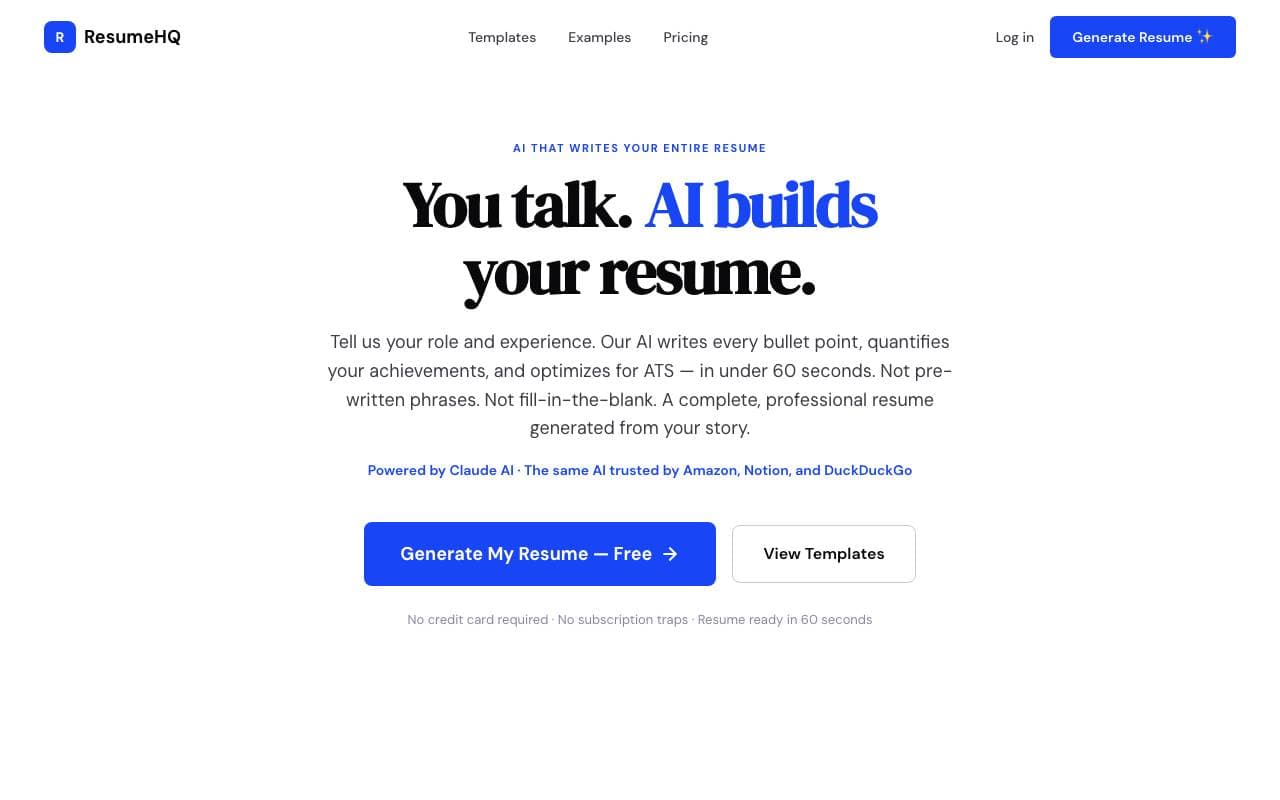

ResumeHQ
Künstliche-Intelligenz-Sicherheit
Konversationale AI-Erstellung eines Lebenslaufs, powered by Claude, der von deiner Beschreibung einen Einstellungstest-freundlichen Lebenslauf generiert
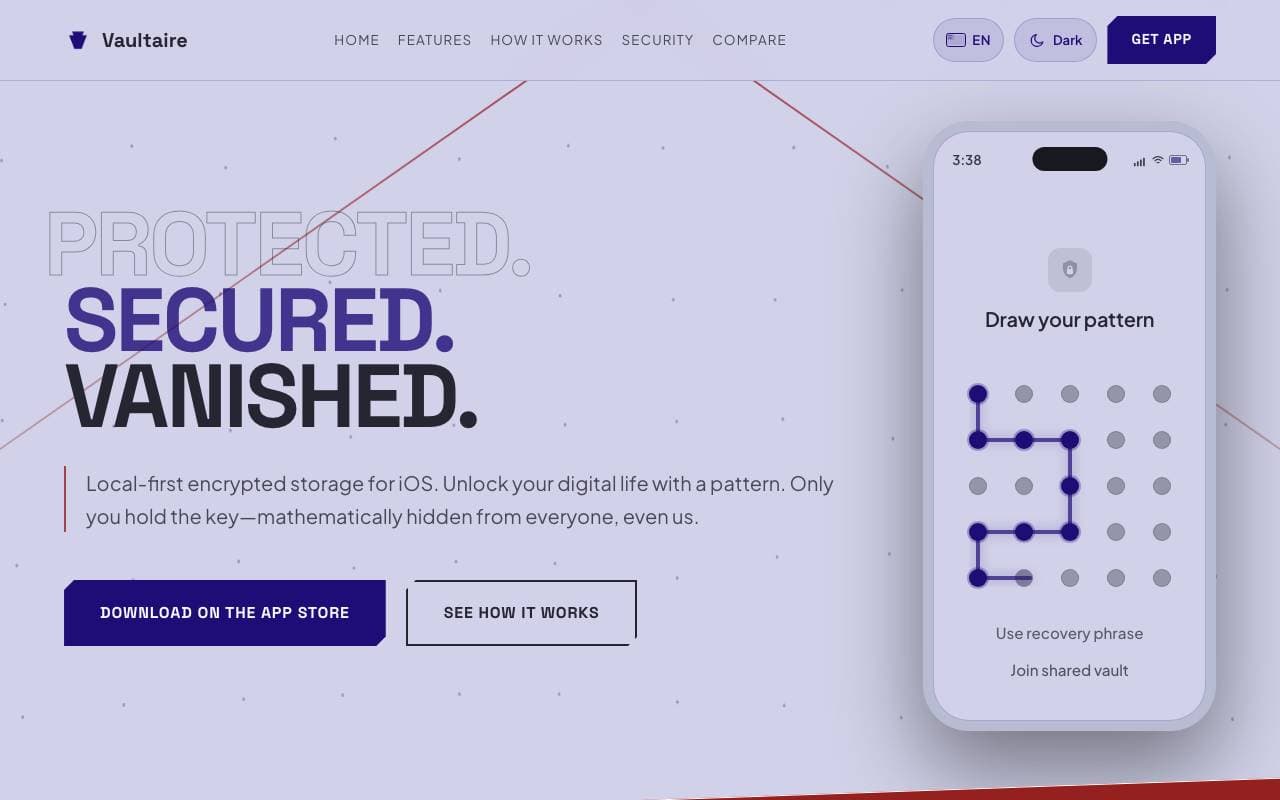

Vaultaire
Künstliche-Intelligenz-Sicherheit
Muster-verschlüsselter iPhone-Safe für Fotos, Videos und Dateien mit Null-Wissen-Sicherheit.


CapMonster Cloud
Künstliche-Intelligenz-Sicherheit
Automatisierte CAPTCHA-Lösungs-API für großvolumige ScraPing- und Automatisierungs-Workflowe.


Vanta
Künstliche-Intelligenz-Sicherheit
Automatisierte Vertrauensmanagement-Plattform für Sicherheit und Compliance.


ChainAware.ai
Künstliche-Intelligenz-Sicherheit
Prädiktive Analytik und Betrügerei-Detektion für Web3-Wallets,-Token und dApps.


Creasura
Künstliche-Intelligenz-Sicherheit
AI-Toolbox zur Optimierung von Online-Geschäftsleistung, Sicherheit und Marketingprozessen.
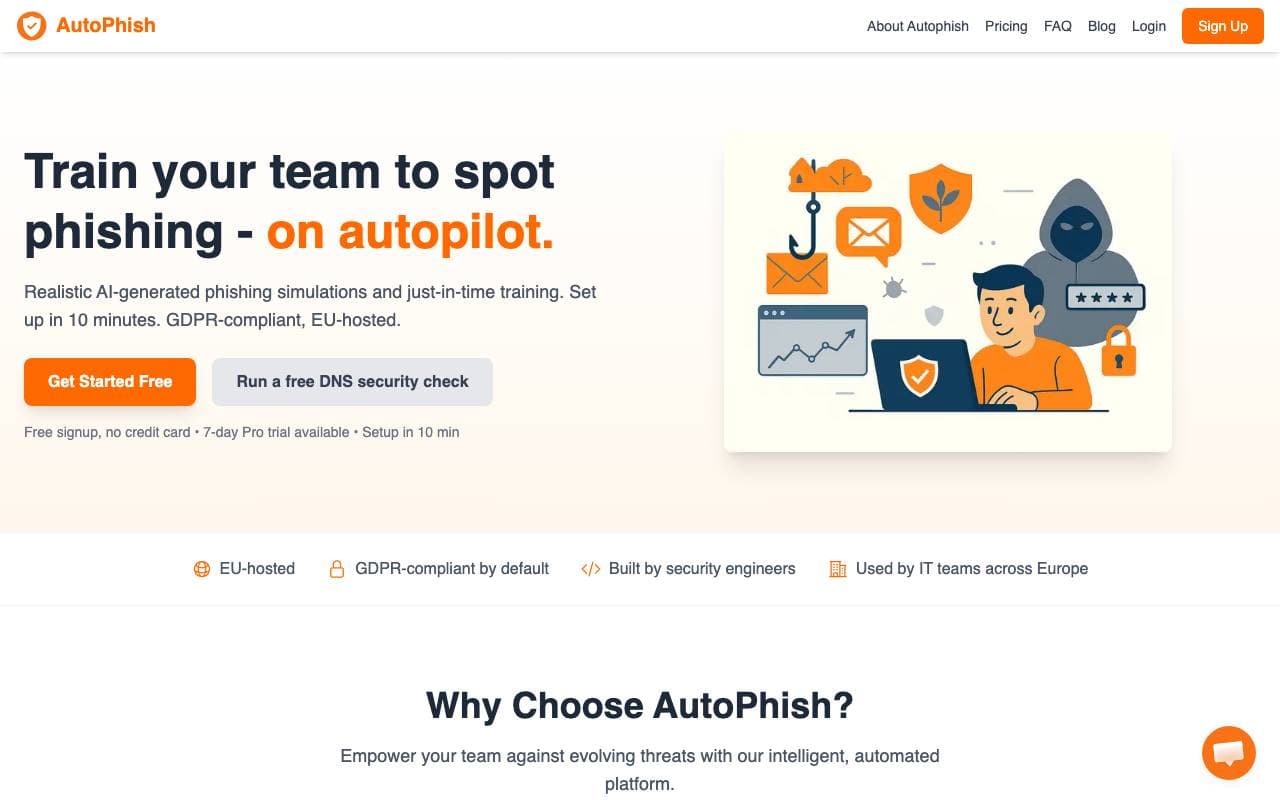

AutoPhish
Künstliche-Intelligenz-Sicherheit
Phishing-Simulationen mithilfe künstlicher Intelligenz, die Mitarbeiter schulen und menschliche Sicherheitslücken aufdecken.
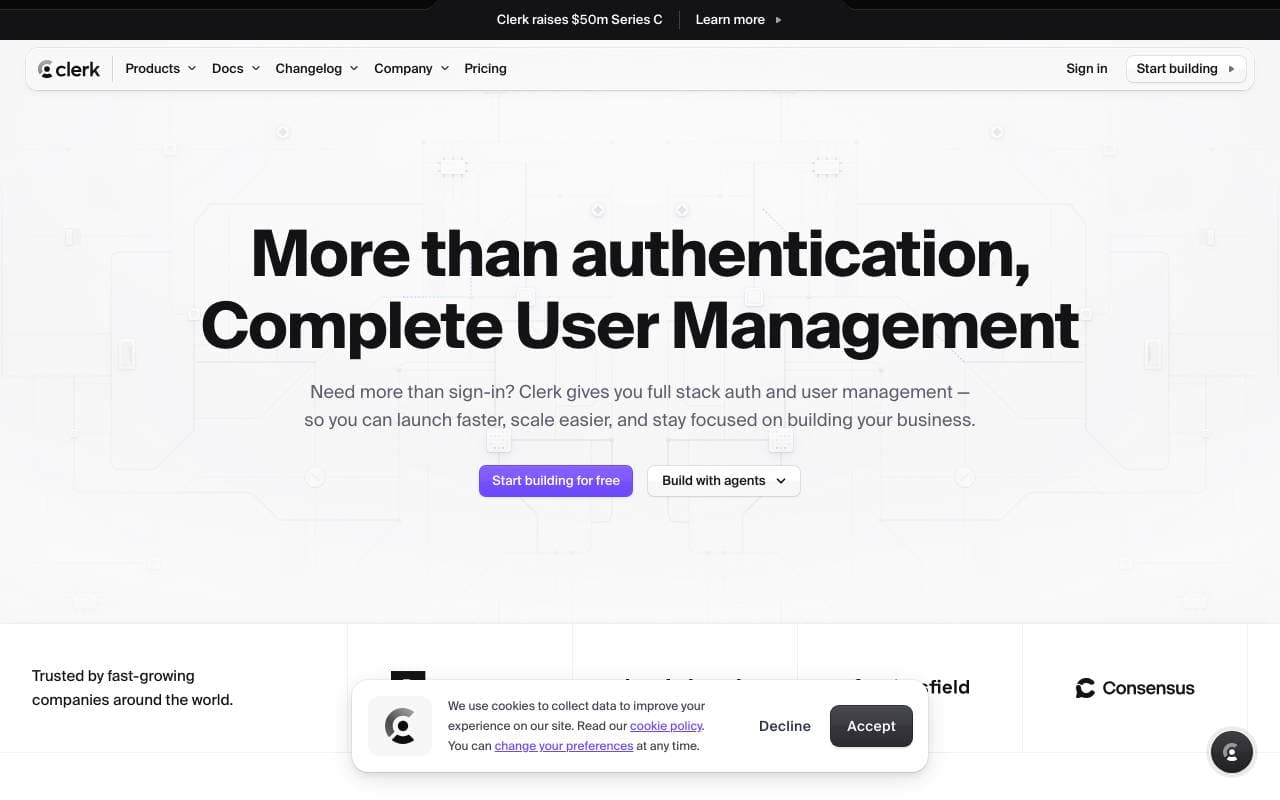

Clerk
Künstliche-Intelligenz-Sicherheit
Abhängige Authentifizierung und Benutzer-Management für moderne Web- und Mobilanwendungen.
Trending now


Reducto AI
Plattformen für die Entwicklung von Agenten mit künstlicher Intelligenz
Intelligenter Dokument API zur Analyse, Trennung, OCR-Analyse und Strukturierung von komplexen PDFs, Präsentationen und Tabellenkalkulationen.


AdCrier
Marketing & Werbung
Gepflichtete Antworten mit Provision pro Klick.


Biology AI
Bildung AI
Genaue Hilfe bei Hausaufgaben mit ausführlichen Erklärungen
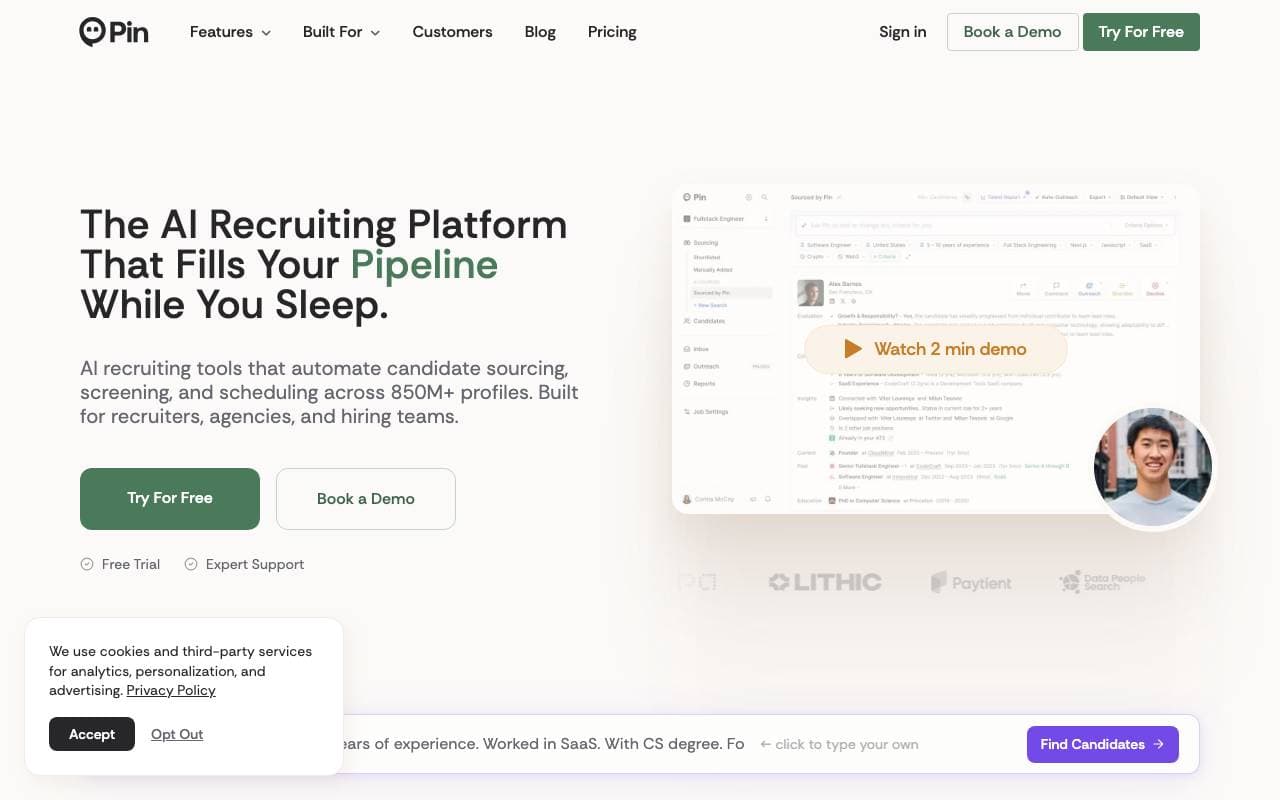

Pin AI
Arbeitsablaufautomatisierung
Agentic AI Recruiter, der Sourcing, Screening und Outreach automatisiert, um den Einstellungsprozess zu beschleunigen.