
AitherapyAn AI-powered conversational companion providing CBT-informed guidance and real-time emotional regulation exercises.

Overview
Key features
- Conversational CBT-informed guidance
- Personalized pattern and trigger tracking
- Interactive cognitive reframing exercises
- Guided grounding and breathing techniques
- Encrypted data storage with GDPR compliance
Pricing
- Model
- Freemium
- Category
- AI Agents
- Rating
- 4.5 / 5 (4)
Use cases
Vent about daily stress
Talk through work pressure, frustrations, or overwhelm in an anonymous chat and receive empathetic, reflective responses that help you process the day.
Journal feelings with AI prompts
Use the conversational interface as a reflective journaling companion to explore thoughts and emotions in a judgment-free space.
Late-night anxiety check-ins
Access 24/7 support during moments of anxiety or restlessness when talking to a friend or therapist isn't possible, with no signup required.
Work through relationship concerns
Discuss interpersonal challenges anonymously and gain a different perspective through reflective, therapy-styled replies before deciding next steps.
Pros & Cons
Pros
- Provides 24/7 on-demand support with no appointments or wait times
- Utilizes evidence-based CBT techniques like cognitive reframing and grounding
- Remembers user triggers and patterns over time to personalize responses
- Maintains strong privacy standards, including encrypted data storage
Cons
- Does not replace clinical therapy or human mental health professionals
- Relies entirely on text-based conversational interfaces
- Requires regular and active user engagement to build emotional resilience
Battle record
Across 1 battle in the Pantheon.
Last battle
Reviews
Average from 4 ratings.
Sign in to leave a review.
Compared a few options
Evaluated this against two competitors. Where it wins: no signup required to start and useful for journaling and self-reflection. Where it lags: responses may feel generic at times. On balance the feature set — especially always-on availability — justifies the 4 stars for our use case.
Solid for our team
We rolled this out across the team last quarter and anonymous and judgment-free environment. Anonymous, browser-based sessions fits neatly into how we already work, and anonymous, browser-based sessions removed a step we used to do by hand. but it has held up under daily use.

Years in this space
I've evaluated a lot of these over the years. What stands out here is empathetic and reflective replies — handled better than most — and anonymous and judgment-free environment. Worth the time if this is your use case.
Does the job
Pretty happy overall. Empathetic and reflective replies just works and available 24/7 with no appointment needed. Not a replacement for licensed therapy can be annoying, but no dealbreakers — I'd recommend it to a friend without hesitating.
Q&A
Can I use Faye alongside therapy?
Yes. Many people use Faye alongside human therapy. Faye can be helpful: Between sessions — practice regulation techniques your therapist recommended; for immediate support — when emotions surface outside therapy hours; to track patterns — notice emotional triggers to discuss with your therapist; for daily practice — build regulation skills through consistent use. Some users share their Faye insights with their therapist to make sessions more productive. Faye complements professional therapy — it doesn't replace it.
Asked by Amos Fältskog · Jan 27, 2026
How is Faye different from a human therapist?
Faye is not a replacement for a human therapist — it's a complementary tool for daily emotional regulation. Key differences: Availability: Faye is available 24/7, with no appointments or waiting lists. Purpose: Faye helps you practice emotional regulation techniques and process everyday feelings. It does not diagnose, prescribe treatment, or provide clinical therapy. Approach: Conversations use CBT-informed techniques focused on emotional awareness and regulation skills. Cost: Significantly more affordable than therapy ($10–15/month vs. $100–200/session). Best used between therapy sessions, while waiting for therapy, when therapy isn't accessible, or for daily emotional maintenance. When you need a therapist instead: Trauma, severe mental illness, medication management, crisis situations, or when you need licensed clinical care.
Asked by Ximena Torres · Jan 19, 2026
Is Faye good for anxiety attacks or panic?
Many people use Faye during anxious moments or when they feel panic starting to build. Faye can guide you through: Grounding techniques (5-4-3-2-1 sensory awareness), breathing exercises (4-7-8 breathing, box breathing), cognitive techniques to interrupt catastrophic thinking, body-based regulation to calm your nervous system. Important: Faye is designed for everyday anxiety and emotional support. If you're experiencing severe panic attacks, ongoing panic disorder, or feel unsafe, please seek immediate professional help or contact emergency services. For managing general anxiety and preventing escalation, Faye provides real-time support that many users find calming and helpful.
Asked by Gunnar Eriksson · Jan 18, 2026
What can I talk to Faye about?
You can talk about any emotion or situation that's affecting you. Common topics: Anxiety and worry, overwhelm and stress, anger and frustration, sadness or low mood, relationship conflicts, work pressure, self-doubt and criticism, life transitions, loneliness. Faye helps you understand what you're feeling, identify patterns, and learn techniques to regulate those emotions more effectively. There's no "right" way to start — just share what's on your mind, and Faye will guide the conversation from there.
Asked by Naomi Suzuki · Jan 11, 2026
Is my data safe with Faye?
Yes. Protecting your privacy is our top priority, especially when sharing vulnerable emotional experiences. Your conversations are encrypted using industry-standard security practices, and we follow strict data protection principles, including GDPR. Our systems are designed to align with privacy and security standards. Your emotional data belongs to you. We never sell or share your information with third parties. Period. You stay in control of your data and conversation history, and your information is used only to support your personalized experience. Because emotional safety starts with trust.
Asked by Halime Yalcin · Dec 18, 2025
Ask a question
AI Agents alternatives


Zapier's Agents
AI Agents
AI-powered agents that automate workflows across 7,000+ connected apps
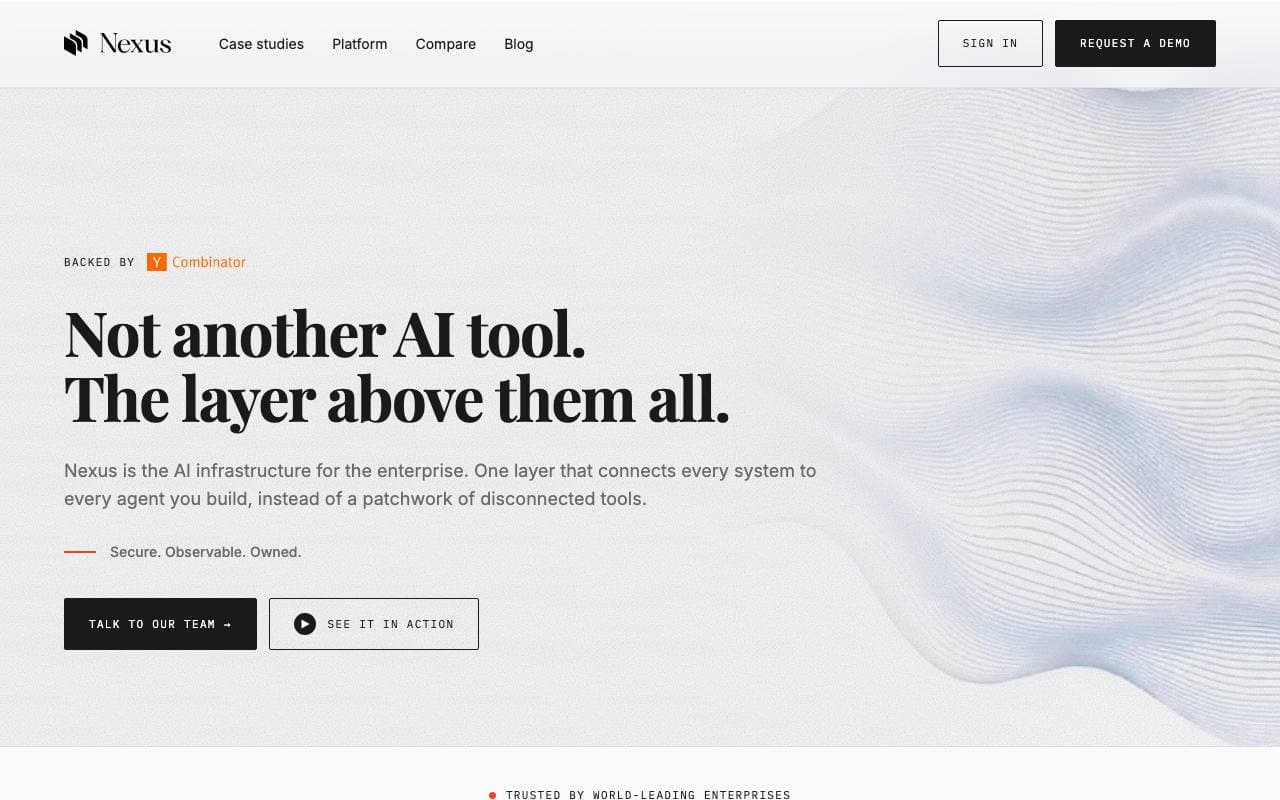

NexusGPT
AI Agents
No-code platform for building and deploying custom AI agents to automate business workflows.
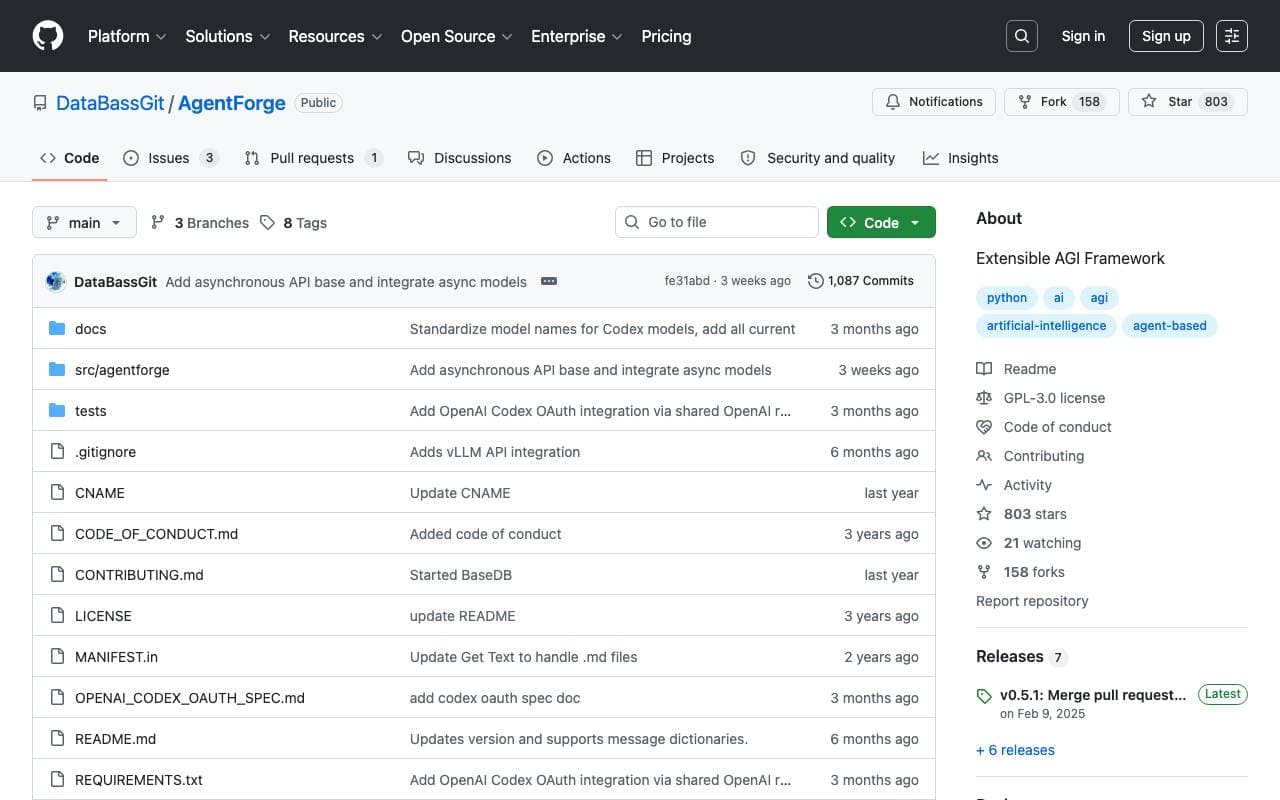

AgentForge
AI Agents
Low-code framework for building autonomous AI agents and cognitive architectures


Maps Scraper AI
AI Agents
An AI-driven tool that automates the extraction of business data from Google Maps, enhancing lead generation and market research.

Momentic AI
AI Agents
Write, fix, and run software tests using plain English prompts.

Micro Agent
AI Agents
AI coding agent that iterates on code until your tests pass


Mogoj AI
AI Agents
AI-powered workflow optimization and business process automation


Charisma.ai
AI Agents
Immersive conversational AI for interactive storytelling, training, and brand campaigns.
Trending now


Reducto AI
AI Agent Development Platforms
Document intelligence API that parses, splits, OCRs, and extracts structured data from complex PDFs, slides, and spreadsheets.
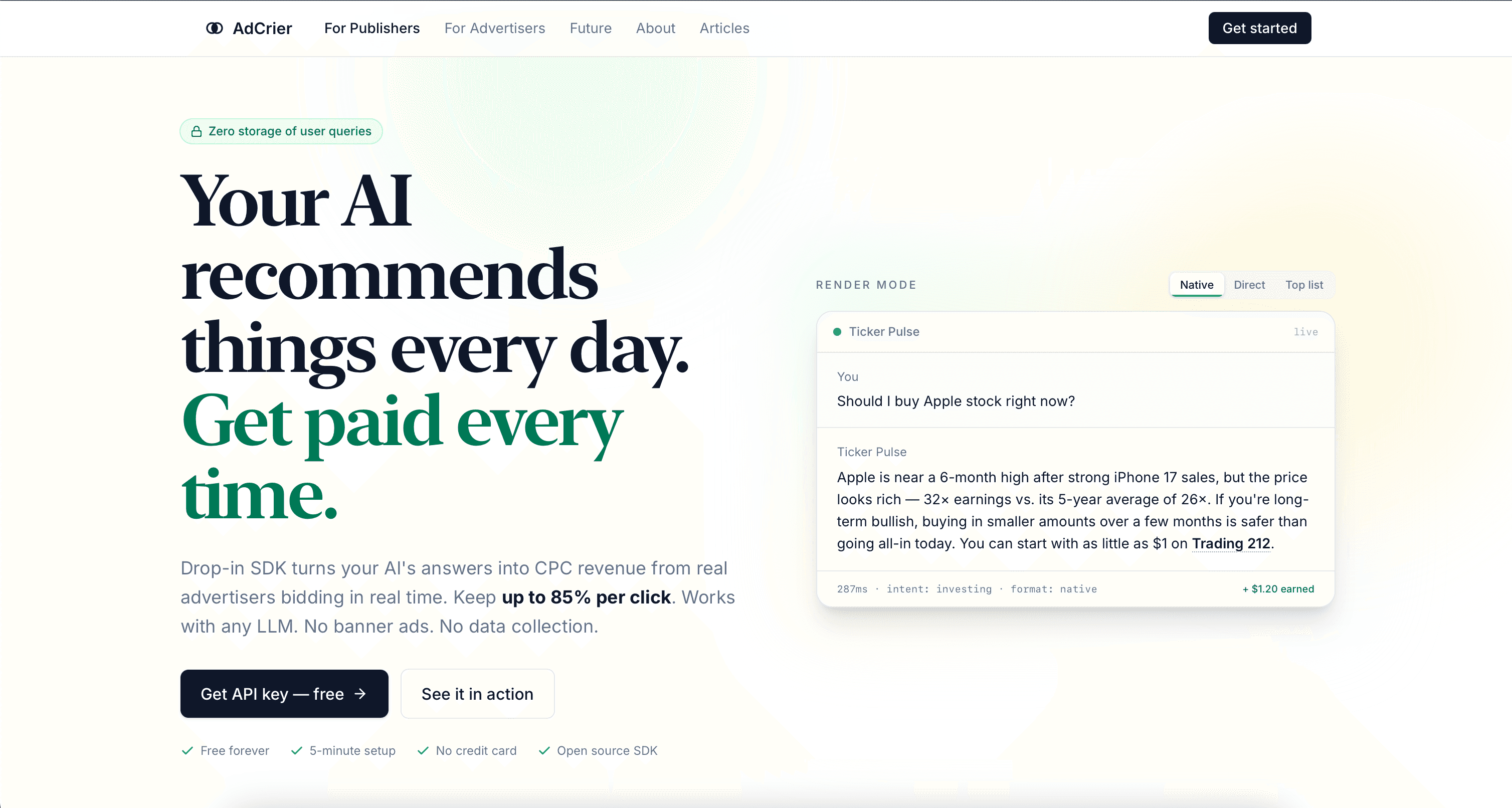

AdCrier
Marketing & Advertising
Sponsored answers, paid per click.


Biology AI
Education AI
Accurate Homework Help with Full Explanations
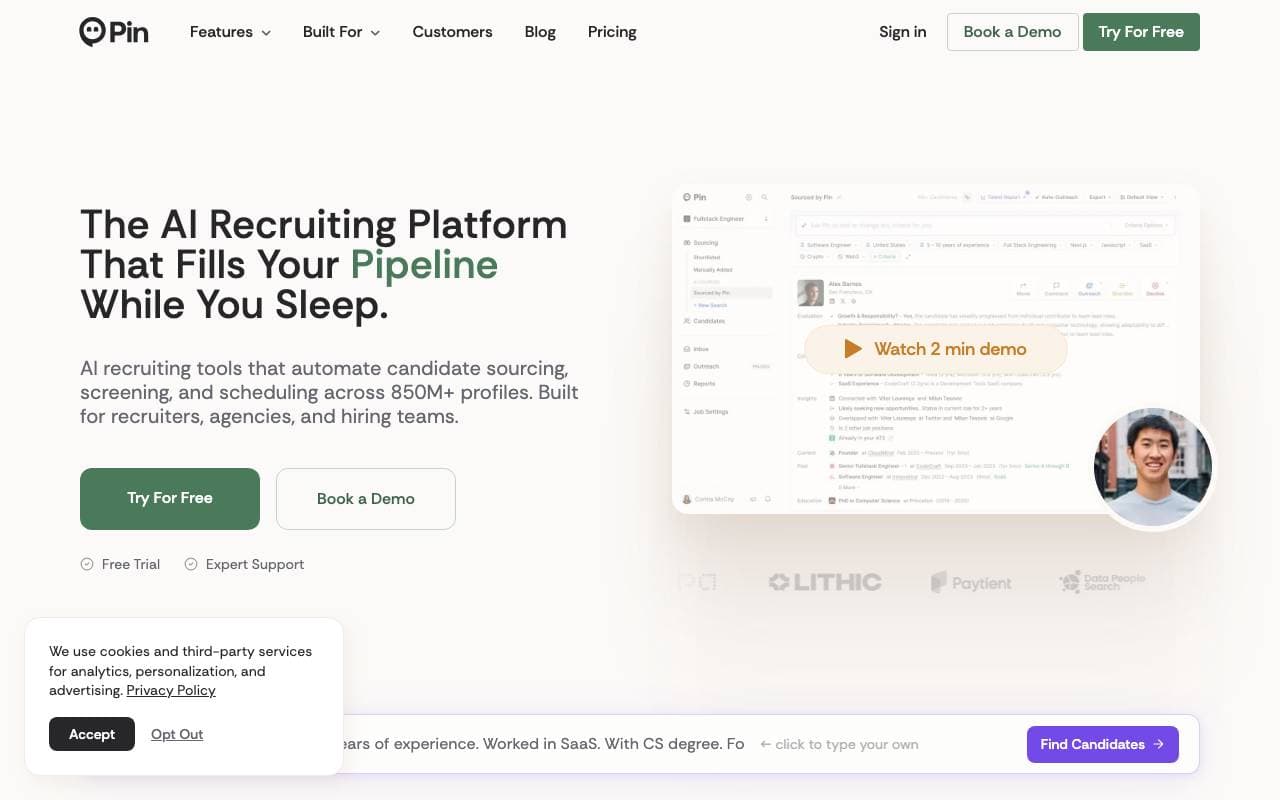

Pin AI
Workflow automation
Agentic AI recruiter that automates sourcing, screening, and outreach to accelerate hiring.