
Qdrant AIBanco de dados vetorial de código aberto para pesquisa de similaridade rápida e escalável e recuperação de IA.

Visão geral
Funcionalidades principais
- Busca de vizinhos mais próximos aproximados (HNSW)
- Filtragem de metadados baseada em carga útil
- Escalabilidade horizontal e fragmentação
- APIs REST e gRPC
- Serviço gerenciado Qdrant Cloud
- Integrações com LangChain e LlamaIndex
Preços
- Modelo
- Freemium
- Categoria
- Desenvolvimento de Software
- Avaliação
- 4.4 / 5 (5)
Casos de uso
Geração Aumentada por Recuperação para LLMs
Armazenar e consultar embeddings para fornecer aplicações LLM com contexto relevante, usando integrações com LangChain e LlamaIndex para alimentar pipelines RAG.
Busca Semântica em Grandes Conjuntos de Dados
Indexar embeddings de alta dimensão com metadados para permitir busca semântica filtrada rápida sobre documentos, produtos ou mídia em escala.
Sistemas de Recomendação
Usar busca de vizinhos mais próximos aproximados combinada com filtros de carga útil para fornecer recomendações personalizadas com base em embeddings de usuário ou item.
Detecção de Anomalias em Embeddings
Identificar outliers em dados de alta dimensão comparando similaridade vetorial, suportando cargas de trabalho de fraude, segurança ou monitoramento de qualidade.
Prós e contras
Prós
- Código aberto com licença permissiva
- Alto desempenho devido à implementação em Rust
- Filtragem rica combinada com busca vetorial
- Opções de nuvem gerenciada e auto-hospedadas
- Integrações fortes de ecossistema
Contras
- Requer familiaridade com embeddings vetoriais
- Sintonização operacional necessária em escala muito grande
- Menos recursos empresariais do que alguns rivais comerciais
Histórico de batalhas
Em 2 batalhas no Panteão.
Last 2 battles
Avaliações
Média de 5 avaliações.
Entra para deixar uma avaliação.
Solid for our team
We rolled this out across the team last quarter and high performance due to Rust implementation. REST and gRPC APIs fits neatly into how we already work, and horizontal scaling and sharding removed a step we used to do by hand. but it has held up under daily use.

Use it every day
Honestly didn't expect to like it this much. Payload-based metadata filtering is exactly what I needed, and open-source with a permissive license. I do wish requires familiarity with vector embeddings, but I reach for it almost every day now and it just clicks.
Solid for our team
We rolled this out across the team last quarter and managed cloud and self-hosted options. Horizontal scaling and sharding fits neatly into how we already work, and horizontal scaling and sharding removed a step we used to do by hand. but it has held up under daily use.
Skeptical, then convinced
I went in skeptical — most tools in this space overpromise. It actually delivers on rEST and gRPC APIs, and high performance due to Rust implementation caught me off guard. Fewer enterprise features than some commercial rivals is why this isn't a perfect score, still, I'd recommend giving it a real trial.

Years in this space
I've evaluated a lot of these over the years. What stands out here is payload-based metadata filtering — handled better than most — and open-source with a permissive license. Fewer enterprise features than some commercial rivals is my one real gripe. Worth the time if this is your use case.
Perguntas e respostas
How Is Billing Calculated Month-to-Month?
Billing is calculated based on actual resource usage during the billing period. You're charged for compute (vCPU), memory (GB), storage (GB) consumed by your clusters, storage (GB) consumed by backups, and used inference tokens of paid models. Usage is billed hourly, and you can monitor it through the Qdrant Cloud dashboard.
Asked by Xiomara Delgado · Dec 6, 2025
What's the Difference Between Managed, Hybrid, and Private Cloud?
Managed Cloud is fully managed by Qdrant. Hybrid Cloud lets you bring your own infrastructure while using Qdrant's management plane. Private Cloud gives you complete control with on-premise deployment.
Asked by Wesley Adekunle · Nov 8, 2025
How Do I Choose Between Free Tier and Standard Tier?
The Free Tier is ideal for testing, and prototypes being limited to 1GB RAM and 4GB disk without high availability. Choose the Standard Tier for workloads that require dedicated clusters, higher availability, and advanced features.
Asked by Ingrid Bauer · Oct 28, 2025
What Happens if I Exceed Free Tier Limits?
If your data size growth exceeds the Free Tier limits (1GB RAM and 4GB disk), you can easily upgrade to a Standard Tier and scale up your cluster.
Asked by Kwame Mensah · Sep 28, 2025
How Does Qdrant Cloud Pricing Work?
Qdrant Cloud pricing is based on resource usage, if you have a bigger cluster, you pay for more. The free tier includes 1GB RAM and 4GB disk storage, upgrading will get you a dedicated cluster.
Asked by Farah Rahimi · Sep 28, 2025
Faz uma pergunta
Alternativas a Desenvolvimento de Software
Assistente inteligente de depuração que ajuda os desenvolvedores a encontrar e corrigir rapidamente bugs em código gerado por IA.
 SwarmStackDesenvolvimento de Software
Agente de IA para planejamento de produto, definição de escopo e recomendações de construção

 Warp AIDesenvolvimento de Software
Terminal alimentado por IA que converte linguagem natural em comandos de shell e fluxos de trabalho.

 CopyChecker AI Reverse Image SearchDesenvolvimento de Software
Busca de imagem reversa para rastrear fontes originais e detectar duplicatas ou quase correspondências.

 OG PilotDesenvolvimento de Software
Gerador de imagens Open Graph com um clique para previews de links mais rápidos e com melhor aparência.
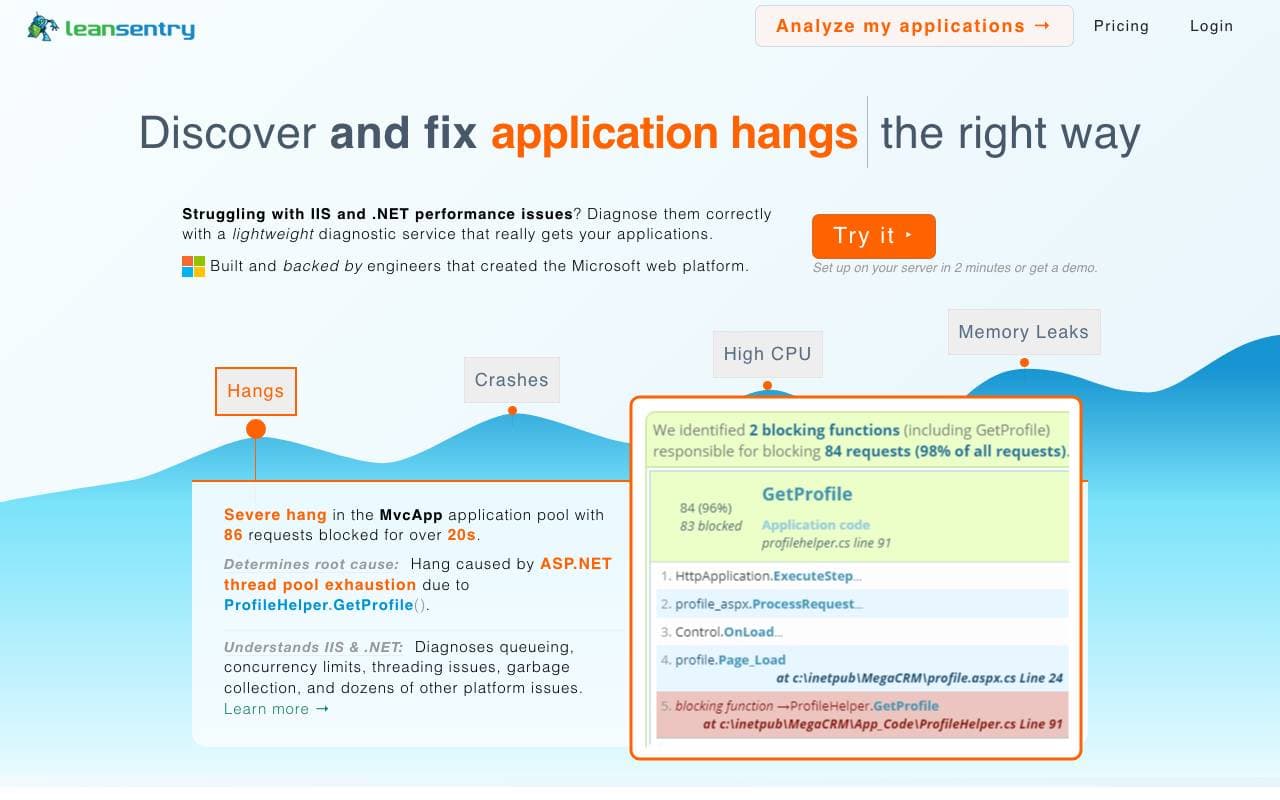
 LeanSentryDesenvolvimento de Software
Monitoramento e diagnóstico impulsionados por IA para problemas de desempenho no IIS e ASP.NET.
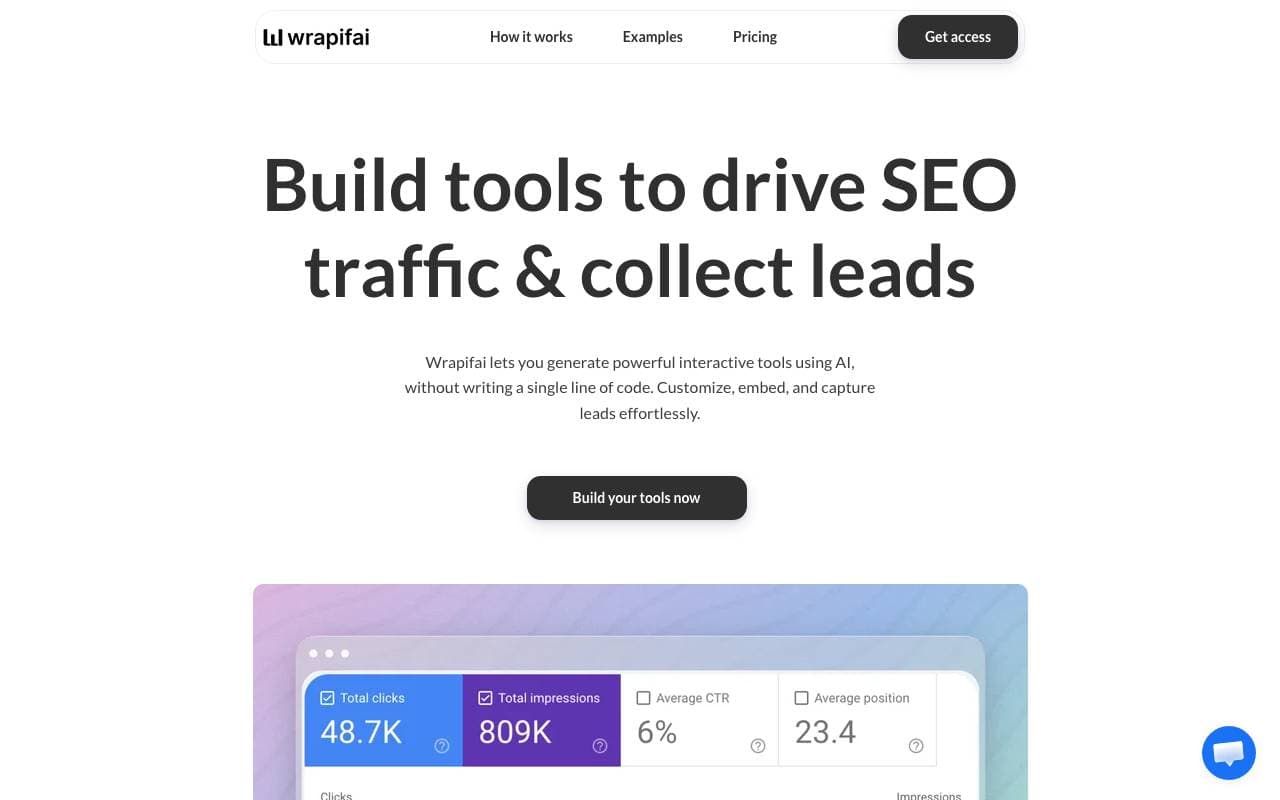
 WrapifaiDesenvolvimento de Software
Crie ferramentas de IA miniaturas sem código para atrair tráfego de SEO e capturar leads.
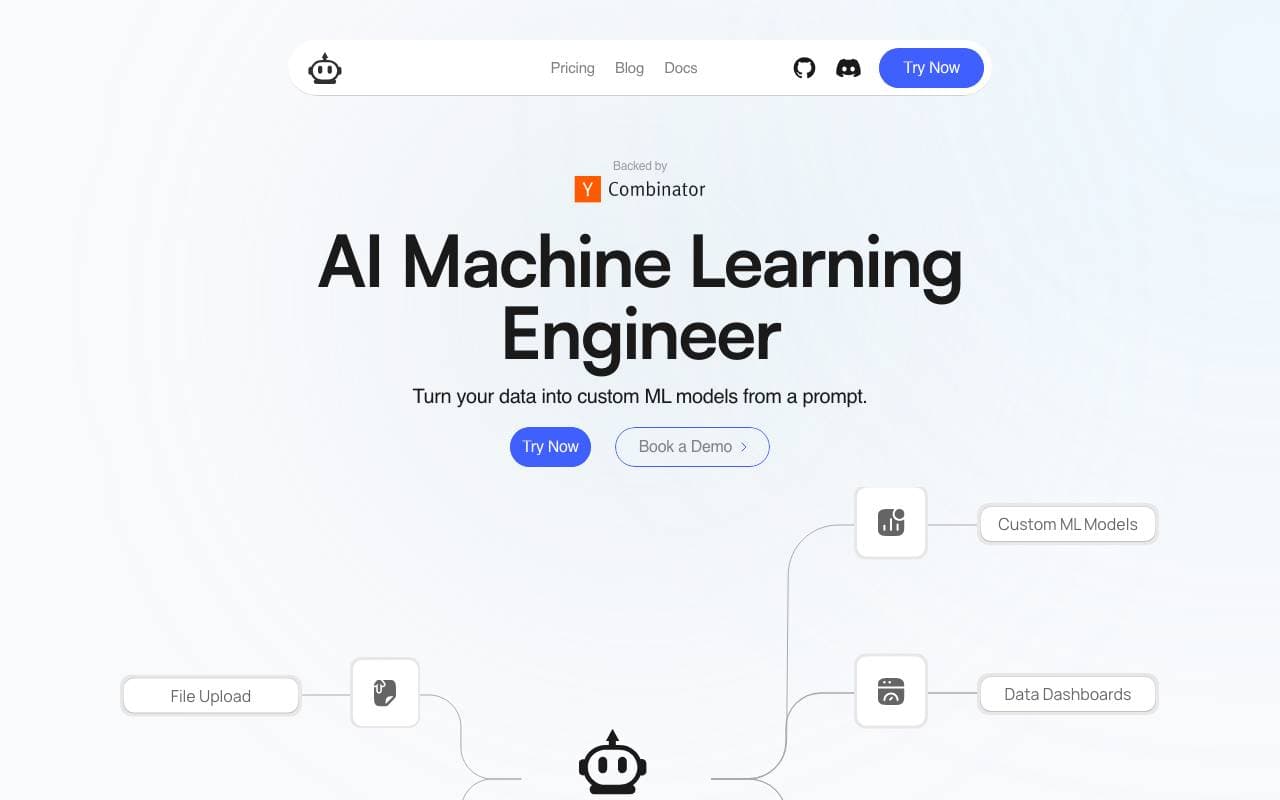
 PlexeDesenvolvimento de Software
Crie modelos de aprendizado de máquina personalizados a partir de prompts de linguagem natural
Trending now

 Reducto AIPlataformas de Desenvolvimento de Agentes Inteligentes de IA
API de inteligência de documentos que parseia, divide, reconhece texto e extrai dados estruturados de PDFs complexos, slides e planilhas.
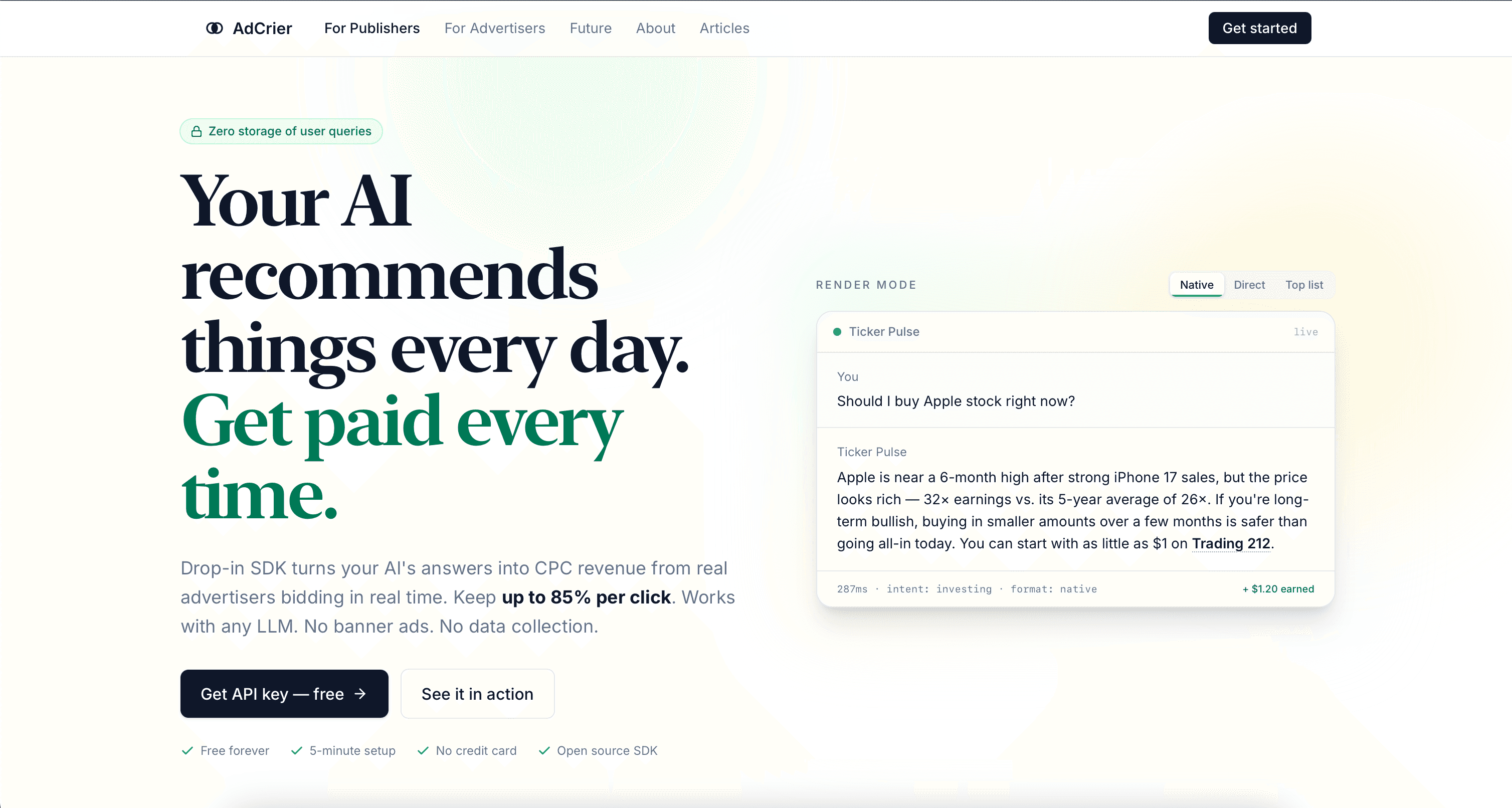
 AdCrierMarketing & Publicidade
Respostas patrocinadas, pagamento por clique.

 Biology AIEducação de Inteligência Artificial
Ajuda Precisa nos Deveres de Casa com Explicações Completas

 Pixtral 12B 24.09ML de Nível Superior
Modelo multimodal de 12B aberto que lida com imagens e texto intercalados com uma janela de contexto de 128K.