
OpenHandsPlataforma de código aberto para agentes de IA que criam, depuram e enviam código como desenvolvedores.

Visão geral
Funcionalidades principais
- Agentes autônomos de codificação e depuração
- Acesso isolado a shell e sistema de arquivos
- Ferramentas de navegação web e interação com API
- Implantação local baseada em Docker
- Suporte a backend de LLM plugável
- Interface interativa baseada na web
Preços
- Modelo
- Free
- Categoria
- Assistente de codificação
- Avaliação
- 4.8 / 5 (6)
Casos de uso
Automatizar Tarefas de Codificação de Ponta a Ponta
Implantar agentes de IA para escrever, modificar e depurar código em um projeto, executando comandos de shell e executando testes em um ambiente isolado como um desenvolvedor humano.
Assistente de Desenvolvimento de IA Auto-Hospedado
Executar OpenHands localmente via Docker com o backend de LLM preferido para manter o código e os dados em casa enquanto aproveita os agentes de codificação autônomos por meio de uma interface web.
Pesquisa em Arquiteturas de Agentes
Usar a estrutura flexível e plugável para experimentar ferramentas personalizadas, fluxos de trabalho e provedores de LLM para estudar agentes de engenharia de software autônomos.
Automação de CI/CD e DevOps
Integrar agentes em pipelines de desenvolvimento para automatizar tarefas repetitivas de codificação, teste e DevOps, como correções de bugs, refatores ou interações de API.
Prós e contras
Prós
- Totalmente de código aberto e auto-hospedável
- Suporta vários provedores de LLM
- Comunidade ativa e atualizações frequentes
- Personalização flexível de agentes e ferramentas
- Execução isolada para execuções de código mais seguras
Contras
- Requer configuração e configuração técnica
- O uso da API LLM pode se tornar caro
- A confiabilidade do agente varia de acordo com a complexidade da tarefa
- Curva de aprendizado mais acentuada do que alternativas hospedadas
Avaliações
Média de 6 avaliações.
Entra para deixar uma avaliação.
Compared a few options
Evaluated this against two competitors. Where it wins: sandboxed shell and file system access and fully open source and self-hostable. On balance the feature set — especially autonomous coding and debugging agents — justifies the 5 stars for our use case.
Years in this space
I've evaluated a lot of these over the years. What stands out here is sandboxed shell and file system access — handled better than most — and flexible agent and tool customization. Worth the time if this is your use case.
Solid for our team
We rolled this out across the team last quarter and fully open source and self-hostable. Web browsing and API interaction tools fits neatly into how we already work, and docker-based local deployment removed a step we used to do by hand. but it has held up under daily use.
Solid for our team
We rolled this out across the team last quarter and active community and frequent updates. Web browsing and API interaction tools fits neatly into how we already work, and pluggable LLM backend support removed a step we used to do by hand. Steeper learning curve than hosted alternatives, which is the main caveat, but it has held up under daily use.
Does the job
Pretty happy overall. Docker-based local deployment just works and fully open source and self-hostable. but no dealbreakers — I'd recommend it to a friend without hesitating.
Compared a few options
Evaluated this against two competitors. Where it wins: pluggable LLM backend support and supports multiple LLM providers. On balance the feature set — especially autonomous coding and debugging agents — justifies the 5 stars for our use case.
Perguntas e respostas
What types of teams use OpenHands?
OpenHands is used by platform teams automating engineering workflows at scale, teams building internal developer platforms or AI-powered tooling, and enterprises managing large or legacy codebases and mission-critical software systems.
Asked by Ximenez Alvarado · Jul 7, 2025
Is OpenHands secure for enterprise use?
OpenHands runs in your environment, whether on-prem or private cloud, so your code never leaves your control. Since agents operate inside secure, isolated execution environments with full auditability, it is built for organizations with strict data security, compliance, and governance requirements.
Asked by Zeynep Aydin · Jul 7, 2025
Can OpenHands work with large or legacy codebases?
Yes. OpenHands is specifically designed to handle large, complex, and legacy codebases. With its Large Codebase SDK, it maps dependencies across the system and orchestrates changes in the correct order, allowing multiple agents to safely work in parallel without conflicts.
Asked by Fatima Zahra · Jun 30, 2025
How is OpenHands different from AI coding tools like GitHub Copilot or ChatGPT?
Instead of helping you write code faster, OpenHands helps you ship changes end-to-end. Tools such as GitHub Copilot or ChatGPT generate code suggestions. OpenHands runs agents that complete entire engineering tasks, taking actions across entire codebases, running tasks in parallel, and executing changes in real environments.
Asked by Giulia Conti · Jun 21, 2025
What is OpenHands?
OpenHands is an AI agent platform for software development that can execute real engineering work, not just suggest code. It runs autonomous agents that plan, write, and apply changes across your codebase, helping teams complete complex tasks end-to-end. Built on an open source foundation, it's designed for enterprise software development at scale.
Asked by Henrik Dahl · May 5, 2025
Faz uma pergunta
Alternativas a Assistente de codificação


Gemini Code Assist
Assistente de codificação
Assistente de codificação de IA do Google alimentado por modelos Gemini para desenvolvimento mais rápido e inteligente


Sourcegraph Cody AI
Assistente de codificação
Assistente de codificação de IA que entende todo o seu código-fonte para ajuda contextual


DevArchitect
Assistente de codificação
Companheiro de codificação assistido por IA para planejamento, construção e refino de projetos de software.
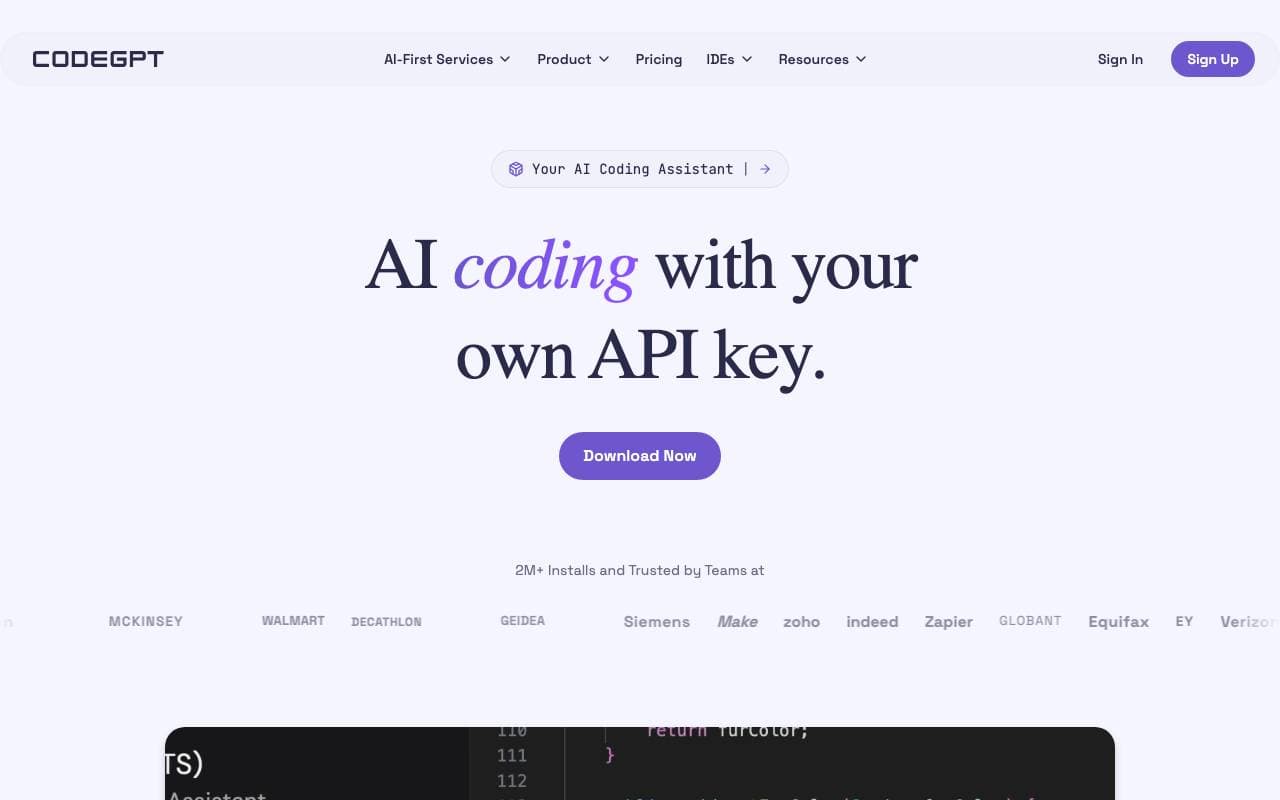

CodeGPT
Assistente de codificação
Assistente de codificação de IA personalizável para geração, conclusão e explicação dentro do seu IDE.
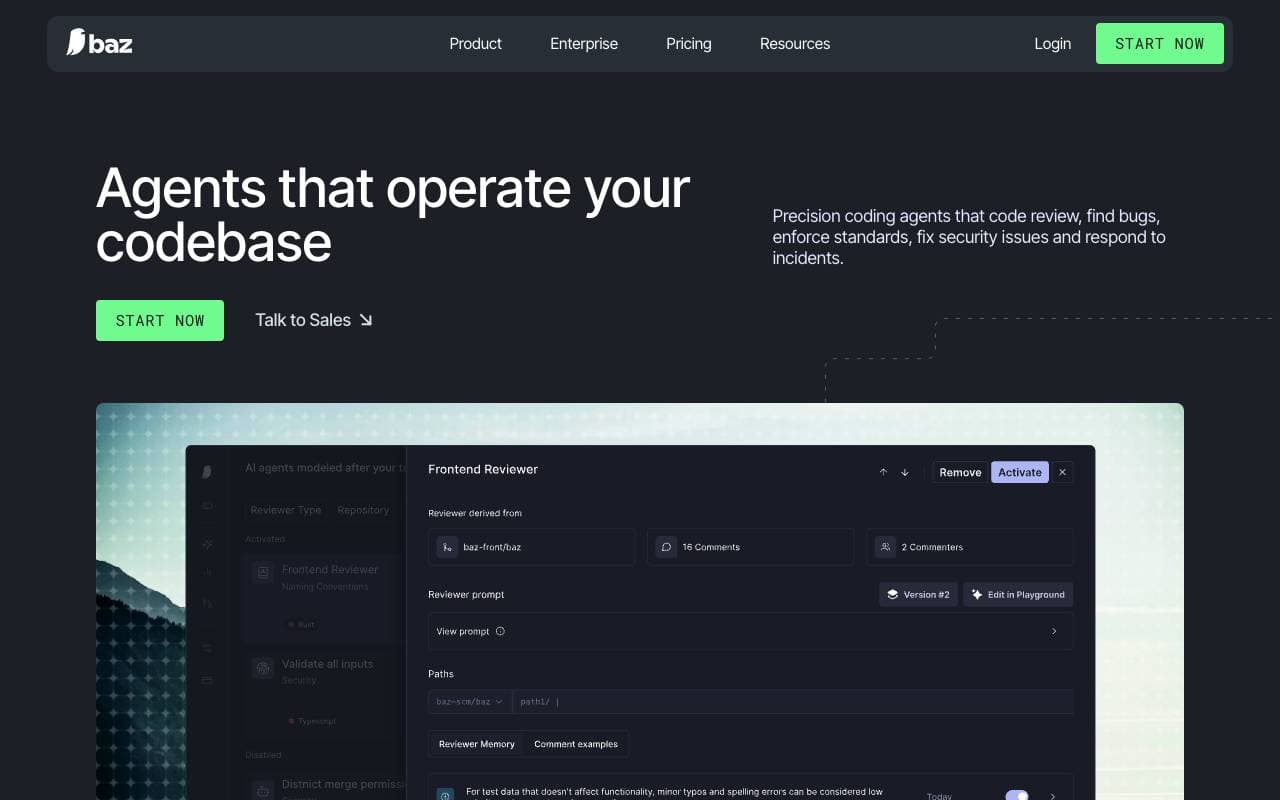

Baz
Assistente de codificação
Revisão de código de IA que detecta bugs, regressões e problemas de design como um engenheiro sênior.
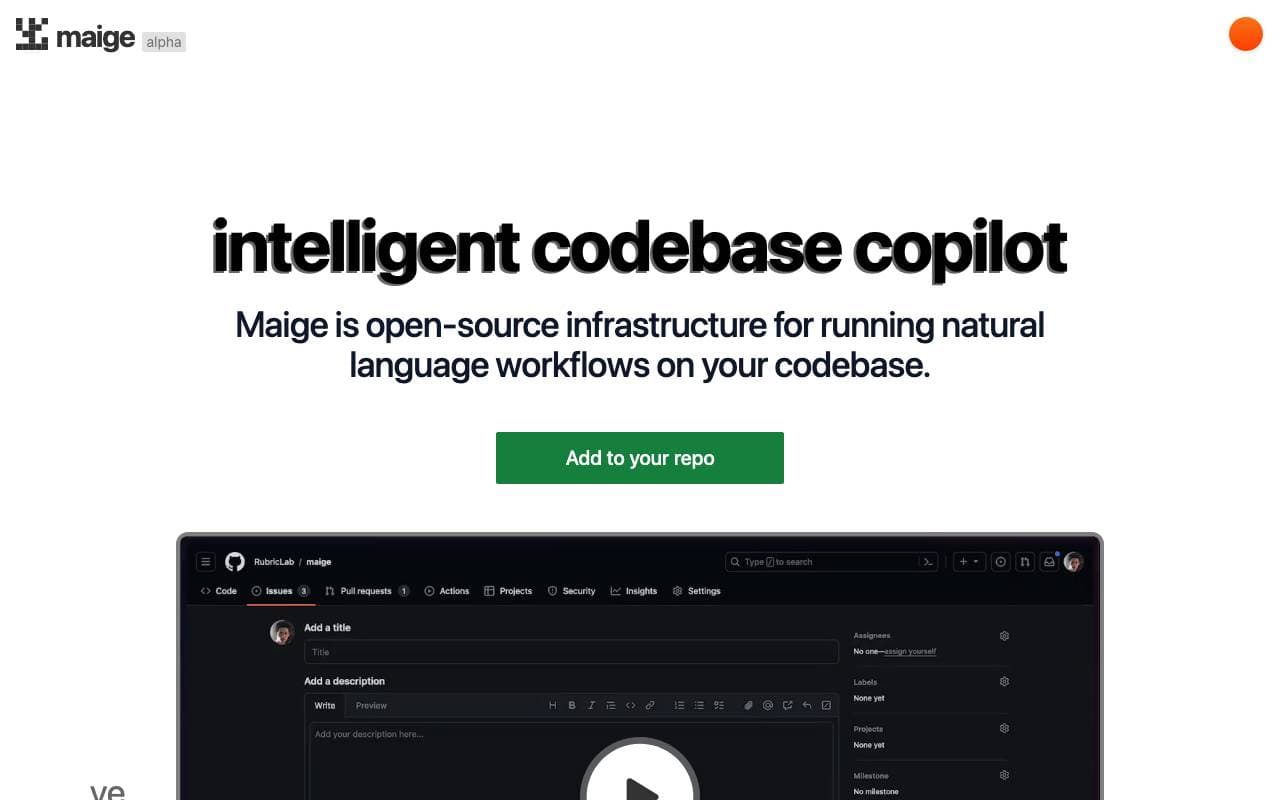

Maige
Assistente de codificação
Uma ferramenta de código aberto alimentada por IA que automatiza fluxos de trabalho de linguagem natural dentro do seu código-base, integrando-se perfeitamente ao GitHub.


Sweep AI
Assistente de codificação
Um desenvolvedor júnior impulsionado por IA que transforma relatórios de bugs e solicitações de recursos em alterações de código, agilizando o processo de desenvolvimento de software.


GPTEngineer
Assistente de codificação
Transforme prompts de linguagem natural em código e aplicativos funcionais, rapidamente.
Trending now


Reducto AI
Plataformas de Desenvolvimento de Agentes Inteligentes de IA
API de inteligência de documentos que parseia, divide, reconhece texto e extrai dados estruturados de PDFs complexos, slides e planilhas.


AdCrier
Marketing & Publicidade
Respostas patrocinadas, pagamento por clique.


Biology AI
Educação de Inteligência Artificial
Ajuda Precisa nos Deveres de Casa com Explicações Completas
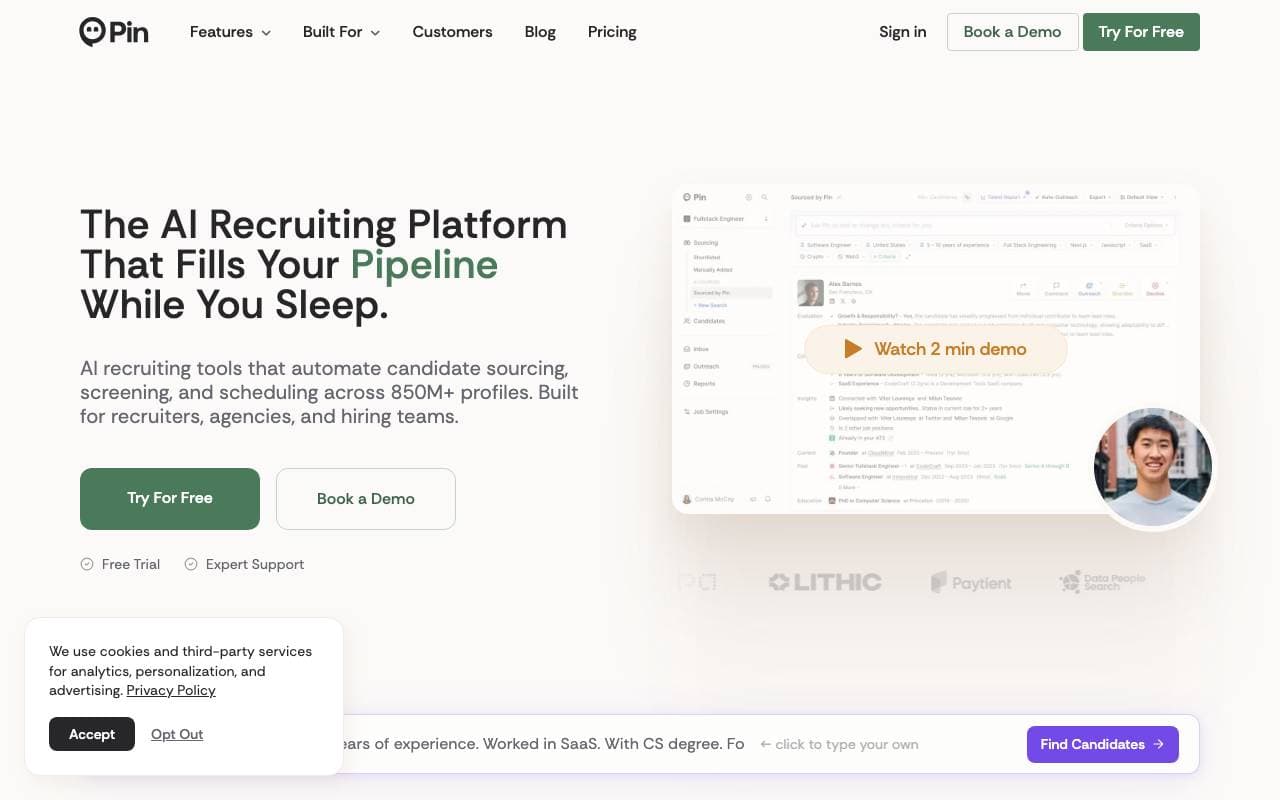

Pin AI
Automação de fluxo de trabalho
Recrutor de IA agêntico que automatiza busca, triagem e divulgação para acelerar contratações.