
ZepPlatforma pamięci agentów dla AI na skalę przedsiębiorstwa, zbudowana na grafach kontekstowych.

Przegląd
Kluczowe funkcje
- Context Graph Engine
- Context Lake for millions of graphs
- Automated Context Assembly
- Temporal context reasoning
- Provenance tracing for facts
- Observations from memory patterns
Cennik
- Model
- Free
- Kategoria
- Pamięć Autonomicznego Agenta
- Ocena
- 4.5 / 5 (6)
Zastosowania
Trwała pamięć dla chatbotów
Zapewnij agentom konwersacyjnym AI długoterminową pamięć, aby pamiętały wcześniejsze interakcje użytkowników i dostarczały bardziej spersonalizowane, kontekstowo świadome odpowiedzi w miarę upływu czasu.
Spersonalizowani asystenci AI
Ciągle ucz się na podstawie zachowań i preferencji użytkownika, aby dostosowywać rekomendacje, odpowiedzi i przepływy pracy do każdego indywidualnego użytkownika.
Ugruntowanie danych biznesowych
Zintegruj dane biznesowe z pamięcią agenta, aby zwiększyć dokładność i zapewnić, że odpowiedzi odzwierciedlają aktualną wiedzę organizacyjną.
Zachowanie kontekstu pomiędzy sesjami
Utrzymuj spójny kontekst w wielu sesjach i kanałach, aby użytkownicy nie musieli powtarzać się przed agentem AI.
Plusy i minusy
Plusy
- Enterprise-scale memory management for AI agents
- Sub-200ms context retrieval latency across large graphs
- Automated temporal context invalidation and history preservation
- Extracts high-level 'Observations' from memory patterns
- Comprehensive governance with access control, retention, and provenance
Minusy
- Może wymagać znacznych zasobów inżynieryjnych do wdrożenia i zarządzania
- Zależność od własnościowego silnika Context Graph Engine może ograniczać elastyczność
- Może być trudne do zintegrowania z istniejącymi systemami i źródłami danych
- Może występować wysokie opóźnienie przy bardzo dużych rozmiarach grafu lub wysokim wolumenie zapytań
Recenzje
Średnia z 6 ocen.
Zaloguj się, aby zostawić recenzję.
Skeptical, then convinced
I went in skeptical — most tools in this space overpromise. It actually delivers on the API, and support is responsive caught me off guard. still, I'd recommend giving it a real trial.
Compared a few options
Evaluated this against two competitors. Where it wins: the dashboard and the value for money is strong. Where it lags: a few rough edges remain. On balance the feature set — especially the API — justifies the 4 stars for our use case.

Use it every day
Honestly didn't expect to like it this much. The automation is exactly what I needed, and support is responsive. I do wish a few rough edges remain, but I reach for it almost every day now and it just clicks.

Does the job
Pretty happy overall. The integrations just works and it saves real time. but no dealbreakers — I'd recommend it to a friend without hesitating.
Solid for our team
We rolled this out across the team last quarter and support is responsive. The onboarding fits neatly into how we already work, and the core workflow removed a step we used to do by hand. The mobile experience lags, which is the main caveat, but it has held up under daily use.

Use it every day
Honestly didn't expect to like it this much. The onboarding is exactly what I needed, and it saves real time. I do wish a few rough edges remain, but I reach for it almost every day now and it just clicks.
Pytania i odpowiedzi
How credits work
Credits are consumed based on the size of each Episode you send to Zep. Episodes up to 350 bytes use 1 credit; each additional 350 bytes (or part thereof) uses another credit. Where available, webhook invocations consume 1/8 of a credit each. Flex and Flex Plus automatically top up your credits when your balance drops below 20%. Flex adds 10,000 credits ($25); Flex Plus adds 40,000 credits ($75). Flex credits roll over for 30 days; Flex Plus credits roll over for 60 days. Free plan credits do not roll over.
Asked by Kwesi Boateng · Dec 19, 2025
What is an Episode?
An Episode is any single data object you send to Zep — a chat message, JSON payload, or block of text. Credit cost scales with Episode size. Episodes up to 350 bytes use 1 credit; each additional 350 bytes (or part thereof) uses another credit. A 640-byte Episode uses 2 credits; a 1,200-byte Episode uses 4 credits.
Asked by Amina Diallo · Dec 17, 2025
Are we charged for ingestion or storage?
You are charged for ingestion and processing of Episodes. You are not charged for storage of messages or data.
Asked by Kalinda Reddy · Nov 18, 2025
How are rate limits calculated?
Each plan tier has a base rate limit, with Free being the lowest. Free and Flex Plan customers may see rate limits lowered depending on service usage. Enterprise plans have committed, guaranteed rate limits.
Asked by Jasper Vermeer · Nov 16, 2025
Jakie są limity darmowego planu?
10 000 kredytów miesięcznie. Brak przenoszenia niewykorzystanych kredytów i automatycznego doładowania. 2 projekty, 5 własnych typów encji i krawędzi. Zmienna przepustowość w zależności od obciążenia całej usługi. Przetwarzanie odcinków o niższym priorytecie. Dostępność funkcji i poziomy usług mogą się zmieniać w czasie.
Asked by Yelena Popova · Oct 28, 2025
Zadaj pytanie
Alternatywy dla Pamięć Autonomicznego Agenta
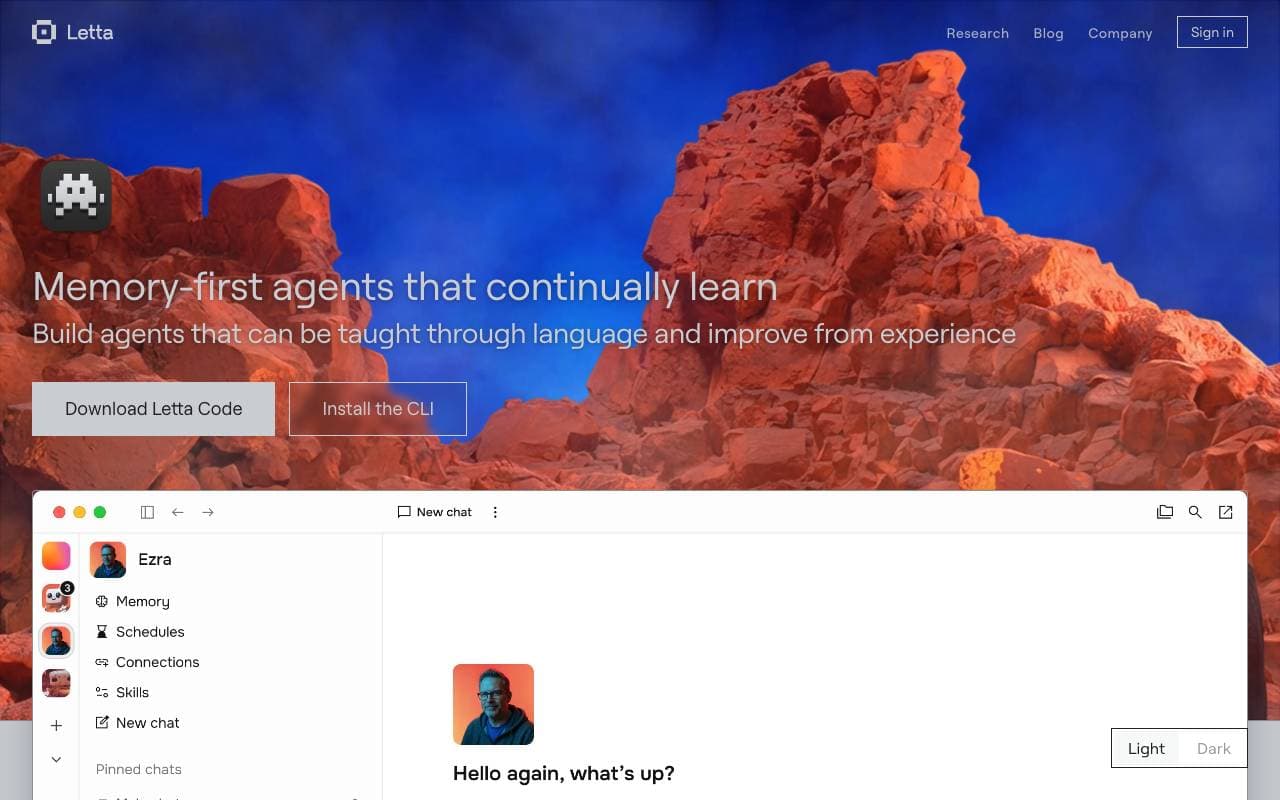
Letta
Pamięć Autonomicznego Agenta
Ramowa do tworzenia stanowych agentów AI z pamięcią długoterminową i ciągłym uczeniem się.
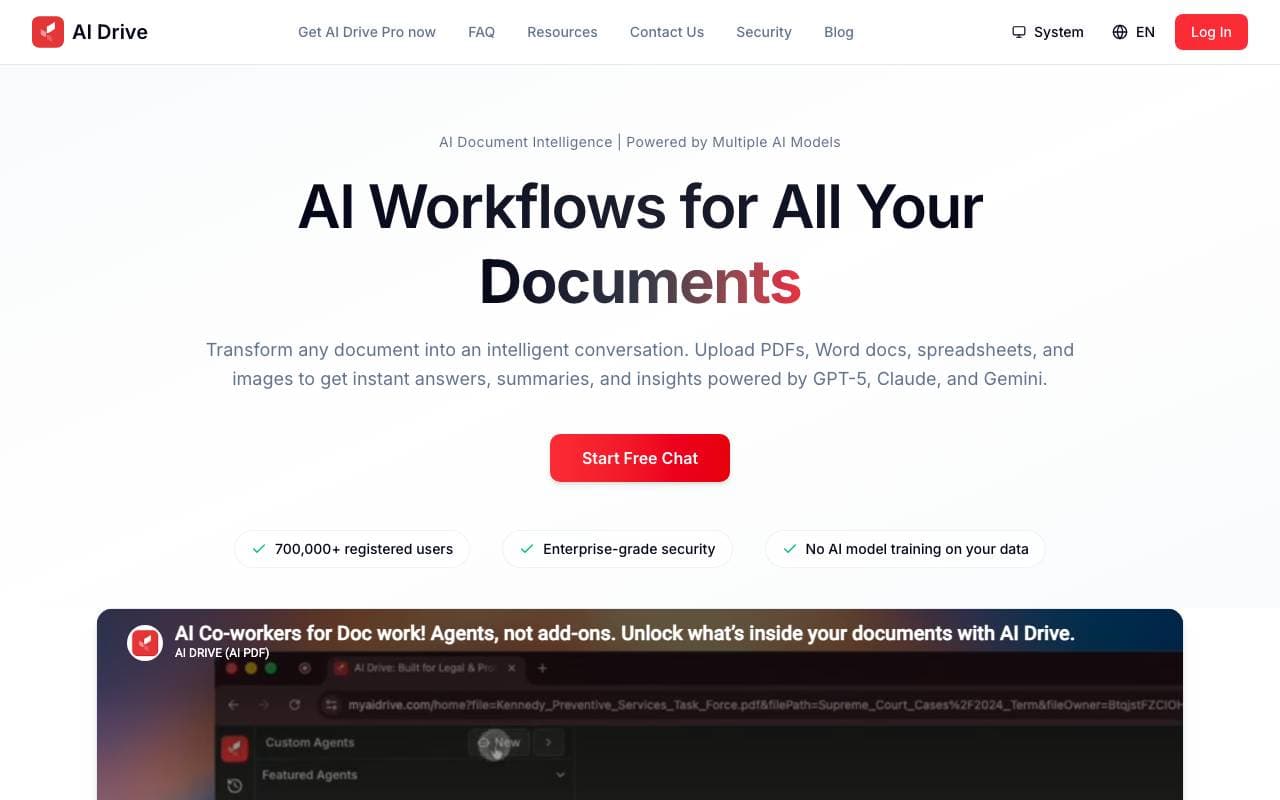

AI Drive
Pamięć Autonomicznego Agenta
Chmura z funkcjami AI do analizy, wyszukiwania i współpracy dokumentów.
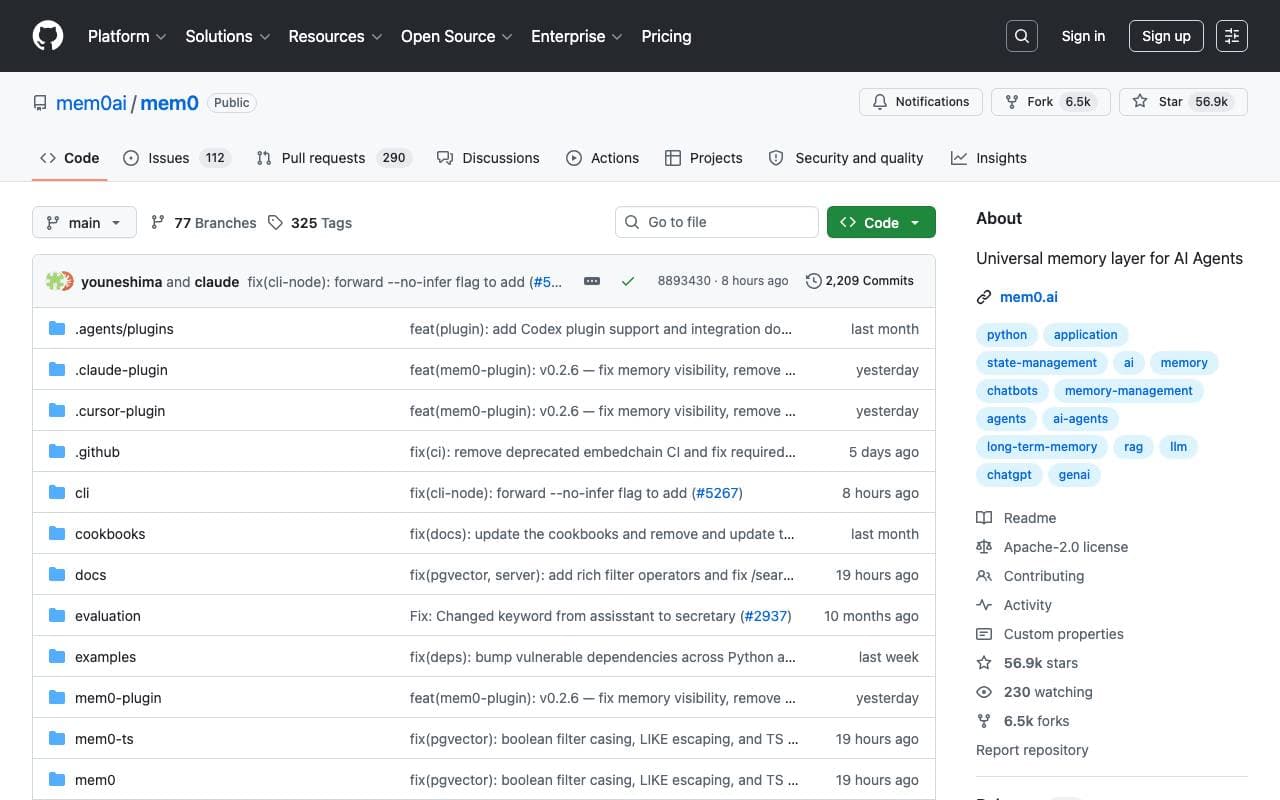

Mem0
Pamięć Autonomicznego Agenta
Warstwa pamięci zapewniająca długoterminowy, spersonalizowany kontekst dla dużych modeli językowych i agentów AI.
Trending now


Reducto AI
Platformy Rozwoju Agentów Inteligentnych
API inteligencji dokumentowej, które analizuje, dzieli, wykonuje OCR i wyodrębnia strukturalne dane z złożonych PDF-ów, slajdów i arkuszy kalkulacyjnych.
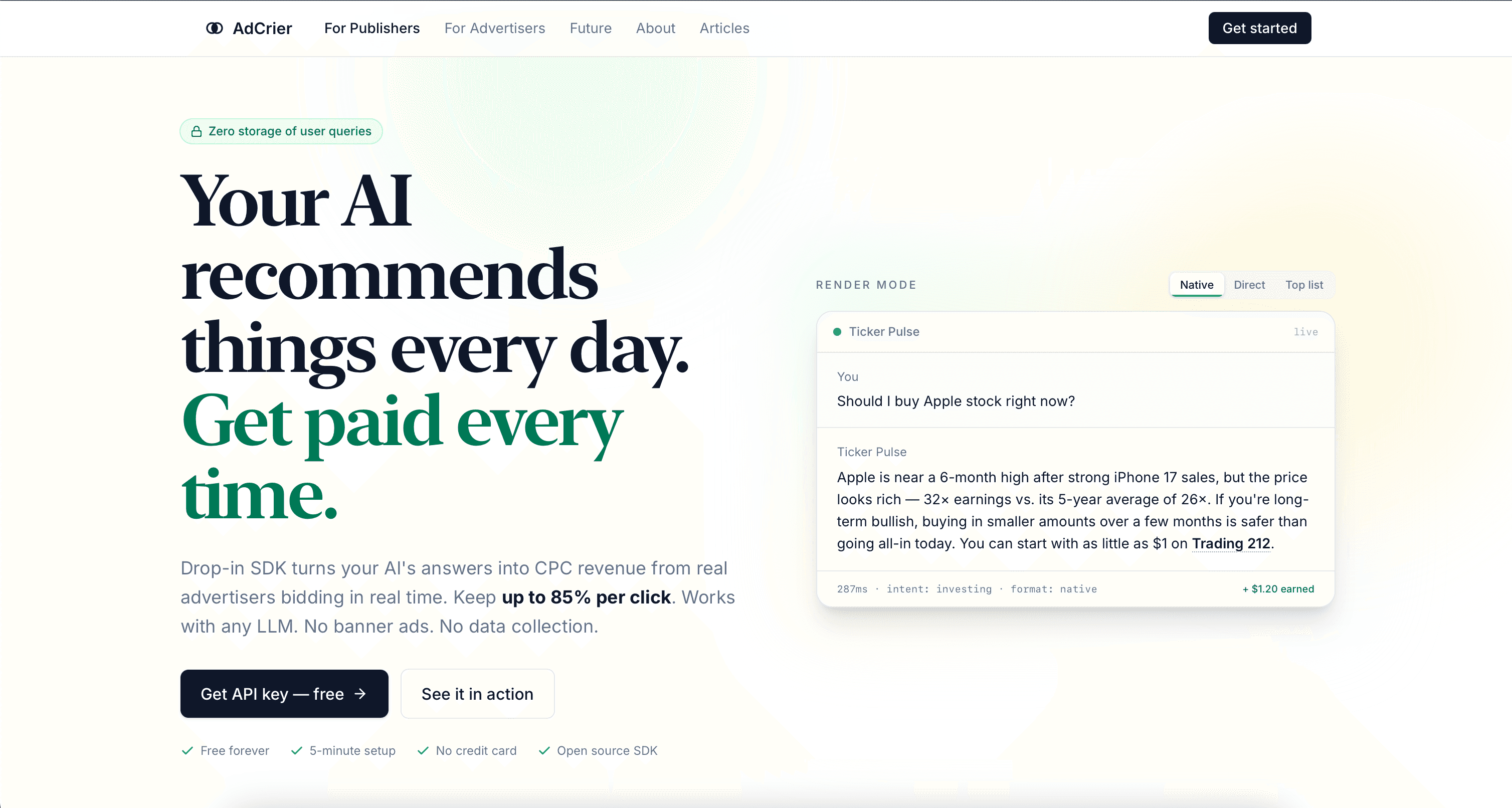

AdCrier
Marketing i Reklama
Sponsorowane odpowiedzi, płatne za kliknięcie.


Biology AI
AI w Edukacji
Precyzyjna pomoc z zadaniami domowymi z pełnymi wyjaśnieniami
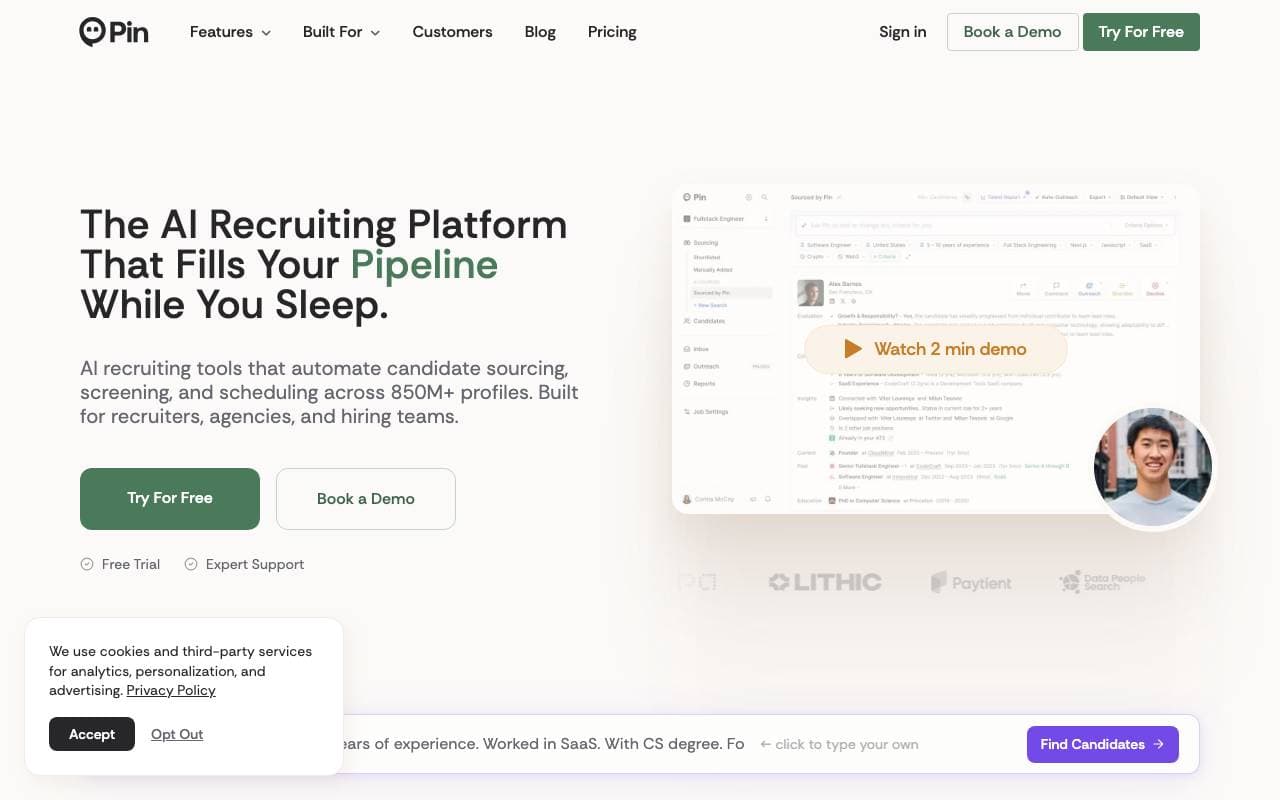

Pin AI
Automatyzacja przepływu pracy
Agentowy rekruter AI, który automatyzuje pozyskiwanie, selekcję i kontakt, przyspieszając proces rekrutacji.