Pydantic AIPythonowy framework agentów od zespołu Pydantic do budowania aplikacji GenAI z silnym typowaniem.

Przegląd
Kluczowe funkcje
- Agentów typowanych z wynikami zweryfikowanymi przez Pydantic
- Obsługa OpenAI, Anthropic, Gemini i innych
- Wywoływanie narzędzi i funkcji z wstrzykiwaniem zależności
- Odpowiedzi streamingowe i projekt oparty na asynchroniczności
- Integracja z FastAPI i narzędziami obserwacji
- Narzędzia testowe dla deterministycznego zachowania agentów
Cennik
- Model
- Free
- Kategoria
- Serwery MCP
- Ocena
- 4.8 / 5 (6)
Zastosowania
Strukturalne wyjścia LLM dla API produkcyjnych
Opakuj wywołania LLM w typowanych agentach zwracających odpowiedzi zweryfikowane przez Pydantic, co umożliwia bezpieczną integrację generatywnej AI z usługami FastAPI i istniejącymi backendami Pythonowymi.
Agentów AI wielodostawczych z wywoływaniem narzędzi
Twórz agentów, którzy przełączają się między OpenAI, Anthropic i Gemini, korzystając przy tym z wywoływania narzędzi i funkcji z wstrzykiwaniem zależności, aby uzyskać dostęp do baz danych, API lub usług wewnętrznych.
Streamingowe funkcje GenAI w aplikacjach Pythonowych
Wykorzystaj projekt oparty na asynchroniczności i odpowiedzi streamingowe do udostępniania funkcji czatu w czasie rzeczywistym lub asystenta w aplikacjach internetowych Python bez rezygnacji z bezpieczeństwa typów.
Testowalny, deterministyczny rozwój agentów
Wykorzystaj wbudowane narzędzia testowe do pisania deterministycznych testów dla zachowania agentów, co pomaga zespołom wydawać niezawodne funkcje zasilane LLM z pewnością.
Plusy i minusy
Plusy
- Silne bezpieczeństwo typów i zweryfikowane strukturalne wyjścia
- Stworzone przez zaufany zespół Pydantic
- Bez względu na model, współpracuje z głównymi dostawcami LLM
- Znajome, Pythonowe doświadczenie programisty
- Otwartoźródłowy i aktywnie utrzymywany
Minusy
- Tylko Python, brak SDK w innych językach
- Młodszy projekt z rozwijającymi się API
- Mniejsze ekosystem niż LangChain czy LlamaIndex
Recenzje
Średnia z 6 ocen.
Zaloguj się, aby zostawić recenzję.
Skeptical, then convinced
I went in skeptical — most tools in this space overpromise. It actually delivers on support for OpenAI, Anthropic, Gemini, and more, and open source and actively maintained caught me off guard. Smaller ecosystem than LangChain or LlamaIndex is why this isn't a perfect score, still, I'd recommend giving it a real trial.
Solid for our team
We rolled this out across the team last quarter and open source and actively maintained. Streaming responses and async-first design fits neatly into how we already work, and integration with FastAPI and observability tools removed a step we used to do by hand. but it has held up under daily use.
Solid for our team
We rolled this out across the team last quarter and strong type safety and validated structured outputs. Typed agents with Pydantic-validated outputs fits neatly into how we already work, and support for OpenAI, Anthropic, Gemini, and more removed a step we used to do by hand. but it has held up under daily use.
Does the job
Pretty happy overall. Tool and function calling with dependency injection just works and familiar, Pythonic developer experience. Python-only, no other language SDKs can be annoying, but no dealbreakers — I'd recommend it to a friend without hesitating.
Use it every day
Honestly didn't expect to like it this much. Streaming responses and async-first design is exactly what I needed, and familiar, Pythonic developer experience. I do wish younger project with evolving APIs, but I reach for it almost every day now and it just clicks.
Years in this space
I've evaluated a lot of these over the years. What stands out here is support for OpenAI, Anthropic, Gemini, and more — handled better than most — and model-agnostic across major LLM providers. Worth the time if this is your use case.
Pytania i odpowiedzi
What is a span?
A span is the building block of a trace, represented by a single row in the Logfire live view. Spans have start and end times, attributes (key-value metadata), and can nest under parent spans. Multiple (nested) spans form a trace, which represents a complete request flow or operation.
Asked by Sami Virtanen · Mar 29, 2026
What is a log?
A log is the record of an event. A flat data structure with timestamp, level (debug, info, warning, error, critical), and a message. Although Logfire can receive logs, we recommend you use it to store high-value events from your application, such as spans and traces.
Asked by Damian Wysocki · Mar 30, 2026
What is a metric?
A metric is a collection of datapoints at intervals. When stored with timestamps, metrics become timeseries. While traces show what happened in a request and logs capture single events, metrics show trends across your system.
Asked by Xavier Costa · Mar 3, 2026
What is a guest?
A guest is a read-only user that can be invited directly to a Logfire project, but not to an organization. Guests are similar to outside collaborators in GitHub.
Asked by Beatriz Costa · Feb 25, 2026
What happens if I use more than the free allowance?
For all plans we'll send you emails and in-app alerts on your level of use. On Personal, if you go well over the free allowance, we'll eventually stop ingesting new data, and you might see warnings in stdout/stderr about 4XX responses from the Logfire API. For Team, Growth and Enterprise customers you'll be charged at the plan specific rate for your additional usage.
Asked by Malik Rasheed · Feb 12, 2026
Zadaj pytanie
Alternatywy dla Serwery MCP

 Playwright MCPSerwery MCP
Serwer MCP open-source, który pozwala modelom LLM sterować prawdziwymi przeglądarkami przy pomocy Playwright i zrzutów dostępności.
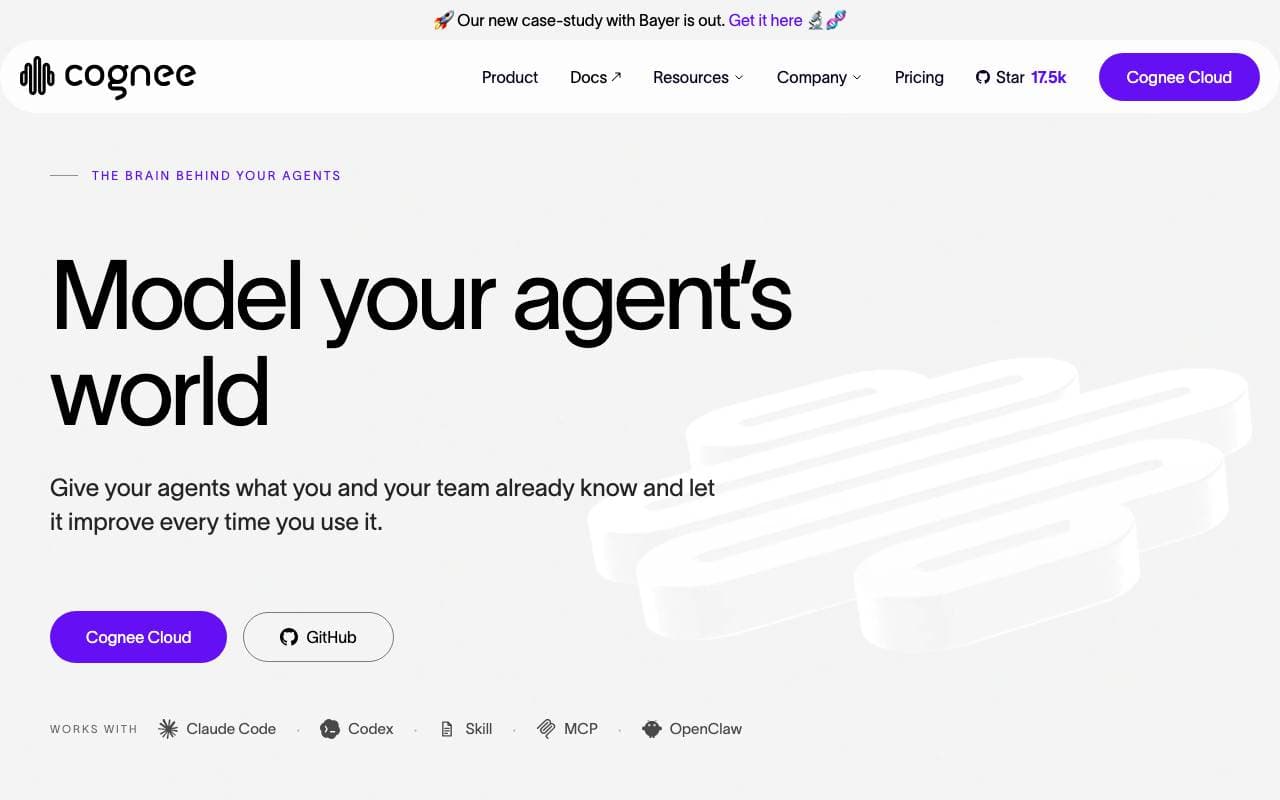
Adaptacyjna warstwa pamięci, która pomaga agentom AI uczyć się z kontekstu z biegiem czasu.

 Inbox ZeroSerwery MCP
Asystent pocztowy AI, który organizuje, tworzy odpowiedzi i pomaga szybciej osiągnąć pustą skrzynkę odbiorczą.

 ScreenpipeSerwery MCP
Open-source 24/7 lokalne nagrywanie ekranu i dźwięku do budowania kontekstowych aplikacji AI
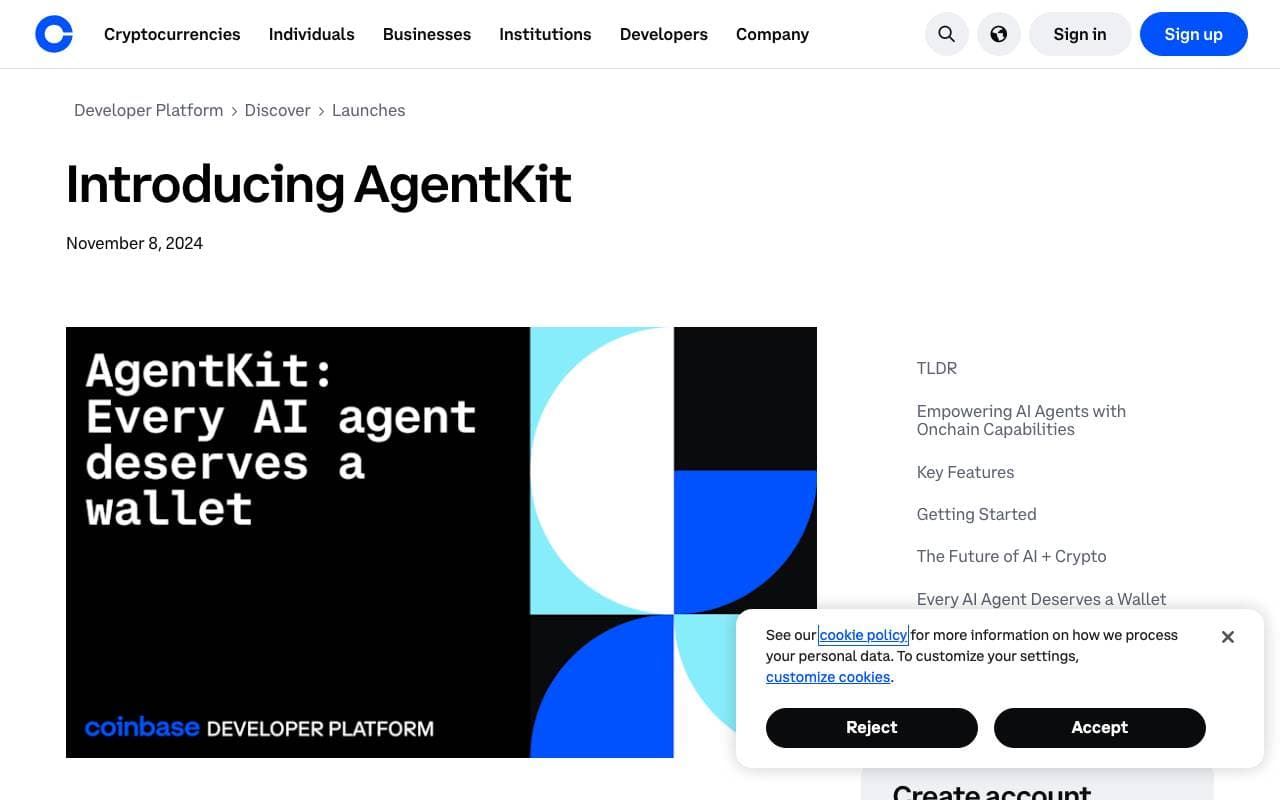
 AgentKitSerwery MCP
Biblioteka TypeScript do budowania i koordynacji agentów AI z narzędziami, pamięcią i wieloagentowymi przepływami pracy.

 onchain-mcpSerwery MCP
Przynosząc bankowość bez banków do onchain API dla MCP

 markitdownSerwery MCP
Narzędzie Python do konwertowania plików i dokumentów biurowych do formatu Markdown.

 mcp-clickhouseSerwery MCP
Serwer mcp-clickhouse MCP
Trending now

 Reducto AIPlatformy Rozwoju Agentów Inteligentnych
API inteligencji dokumentowej, które analizuje, dzieli, wykonuje OCR i wyodrębnia strukturalne dane z złożonych PDF-ów, slajdów i arkuszy kalkulacyjnych.
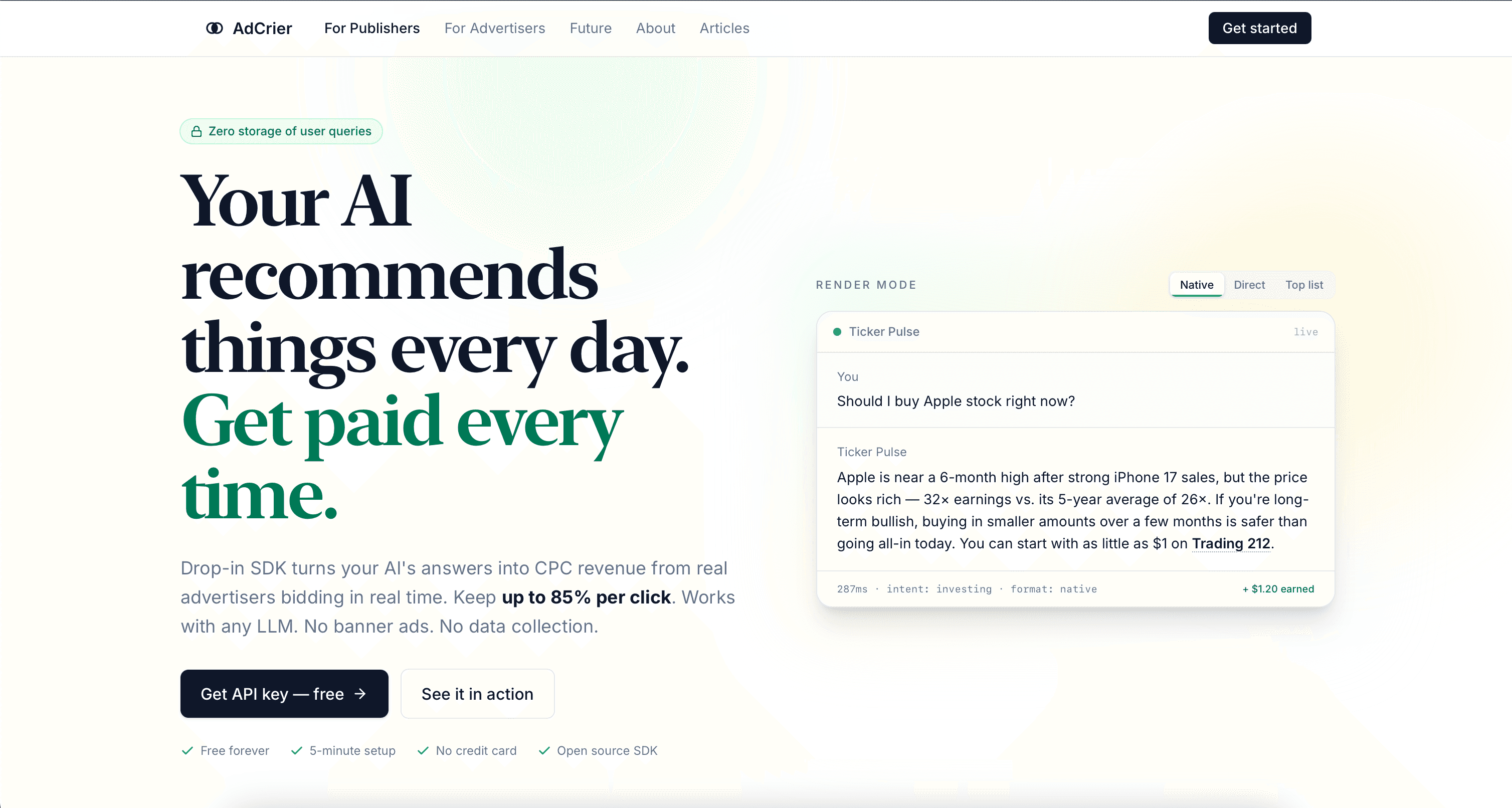
 AdCrierMarketing i Reklama
Sponsorowane odpowiedzi, płatne za kliknięcie.

 Biology AIAI w Edukacji
Precyzyjna pomoc z zadaniami domowymi z pełnymi wyjaśnieniami

 Pixtral 12B 24.09Model Lekki Modyfikacji Maszyny Wielorzędnego
Otwarte, multimodalne model 12B obsługujący przeplatanie obrazów i tekstu przy 128K oknie kontekstowym