
OpenHandsOtwarte źródło platformy dla agentów AI, którzy tworzą, debugują i dostarczają kod jak deweloperzy.

Przegląd
Kluczowe funkcje
- Autonomiczne agenty kodowania i debugowania
- Dostęp do powłoki i systemu plików w piaskownicy
- Narzędzia do przeglądania stron internetowych i interakcji z interfejsami API
- Wdróżenie lokalne oparte na Dockerze
- Wsparcie wtyczek dla LLM
- Interfejs internetowy użytkownika
Cennik
- Model
- Free
- Kategoria
- Asystent kodowania
- Ocena
- 4.8 / 5 (6)
Zastosowania
Automatyzacja zadań kodowania od końca do końca
Wdróż agenty AI, aby pisać, modyfikować i debugować kod w całym projekcie, wykonując polecenia powłoki i uruchamiając testy w środowisku piaskownicy, jak deweloper.
Asystent deweloperski AI hostowany lokalnie
Uruchom OpenHands lokalnie za pomocą Dockera z wybranym dostawcą LLM, aby przechowywać kod i dane lokalnie, jednocześnie korzystając z autonomicznych agentów kodowania za pośrednictwem interfejsu internetowego.
Badania nad architekturą agentów
Użyj elastycznego, wtyczkowego frameworka do eksperymentowania z niestandardowymi narzędziami, przepływami pracy i dostawcami LLM do badania autonomicznych agentów inżynierii oprogramowania.
Automatyzacja CI/CD i DevOps
Zintegruj agenty do potoków deweloperskich, aby zautomatyzować powtarzalne zadania kodowania, testowania i DevOps, takie jak poprawki błędów, refactoring lub interakcje z interfejsami API.
Plusy i minusy
Plusy
- Całkowicie otwarte źródło i możliwość samodzielnego hostowania
- Wsparcie wielu dostawców LLM
- Aktywna społeczność i częste aktualizacje
- Elastyczna personalizacja agenta i narzędzi
- Wykonanie w piaskownicy dla bezpieczniejszego uruchamiania kodu
Minusy
- Wymaga konfiguracji technicznej i ustawień
- Korzystanie z interfejsu API LLM może stać się kosztowne
- Nieawaryjność agenta zależy od złożoności zadania
- Stromej krzywej uczenia się niż w przypadku hostowanych alternatyw
Wynik bitew
W 3 bitwach w Panteonie.
Last 3 battles
Recenzje
Średnia z 6 ocen.
Zaloguj się, aby zostawić recenzję.
Compared a few options
Evaluated this against two competitors. Where it wins: sandboxed shell and file system access and fully open source and self-hostable. On balance the feature set — especially autonomous coding and debugging agents — justifies the 5 stars for our use case.
Years in this space
I've evaluated a lot of these over the years. What stands out here is sandboxed shell and file system access — handled better than most — and flexible agent and tool customization. Worth the time if this is your use case.
Solid for our team
We rolled this out across the team last quarter and fully open source and self-hostable. Web browsing and API interaction tools fits neatly into how we already work, and docker-based local deployment removed a step we used to do by hand. but it has held up under daily use.
Solid for our team
We rolled this out across the team last quarter and active community and frequent updates. Web browsing and API interaction tools fits neatly into how we already work, and pluggable LLM backend support removed a step we used to do by hand. Steeper learning curve than hosted alternatives, which is the main caveat, but it has held up under daily use.
Does the job
Pretty happy overall. Docker-based local deployment just works and fully open source and self-hostable. but no dealbreakers — I'd recommend it to a friend without hesitating.
Compared a few options
Evaluated this against two competitors. Where it wins: pluggable LLM backend support and supports multiple LLM providers. On balance the feature set — especially autonomous coding and debugging agents — justifies the 5 stars for our use case.
Pytania i odpowiedzi
What types of teams use OpenHands?
OpenHands is used by platform teams automating engineering workflows at scale, teams building internal developer platforms or AI-powered tooling, and enterprises managing large or legacy codebases and mission-critical software systems.
Asked by Ximenez Alvarado · Jul 7, 2025
Is OpenHands secure for enterprise use?
OpenHands runs in your environment, whether on-prem or private cloud, so your code never leaves your control. Since agents operate inside secure, isolated execution environments with full auditability, it is built for organizations with strict data security, compliance, and governance requirements.
Asked by Zeynep Aydin · Jul 7, 2025
Can OpenHands work with large or legacy codebases?
Yes. OpenHands is specifically designed to handle large, complex, and legacy codebases. With its Large Codebase SDK, it maps dependencies across the system and orchestrates changes in the correct order, allowing multiple agents to safely work in parallel without conflicts.
Asked by Fatima Zahra · Jun 30, 2025
How is OpenHands different from AI coding tools like GitHub Copilot or ChatGPT?
Instead of helping you write code faster, OpenHands helps you ship changes end-to-end. Tools such as GitHub Copilot or ChatGPT generate code suggestions. OpenHands runs agents that complete entire engineering tasks, taking actions across entire codebases, running tasks in parallel, and executing changes in real environments.
Asked by Giulia Conti · Jun 21, 2025
What is OpenHands?
OpenHands is an AI agent platform for software development that can execute real engineering work, not just suggest code. It runs autonomous agents that plan, write, and apply changes across your codebase, helping teams complete complex tasks end-to-end. Built on an open source foundation, it's designed for enterprise software development at scale.
Asked by Henrik Dahl · May 5, 2025
Zadaj pytanie
Alternatywy dla Asystent kodowania

 Gemini Code AssistAsystent kodowania
Asystent kodowania AI firmy Google oparty na modelach Gemini, zapewniający szybszy i inteligentniejszy rozwój

 Sourcegraph Cody AIAsystent kodowania
Asystent kodowania AI, który rozumie cały Twój kod, zapewniając kontekstowo świadomą pomoc

 DevArchitectAsystent kodowania
Kompanion do kodowania wspomagany AI – planowanie, budowanie i udoskonalanie projektów oprogramowania.
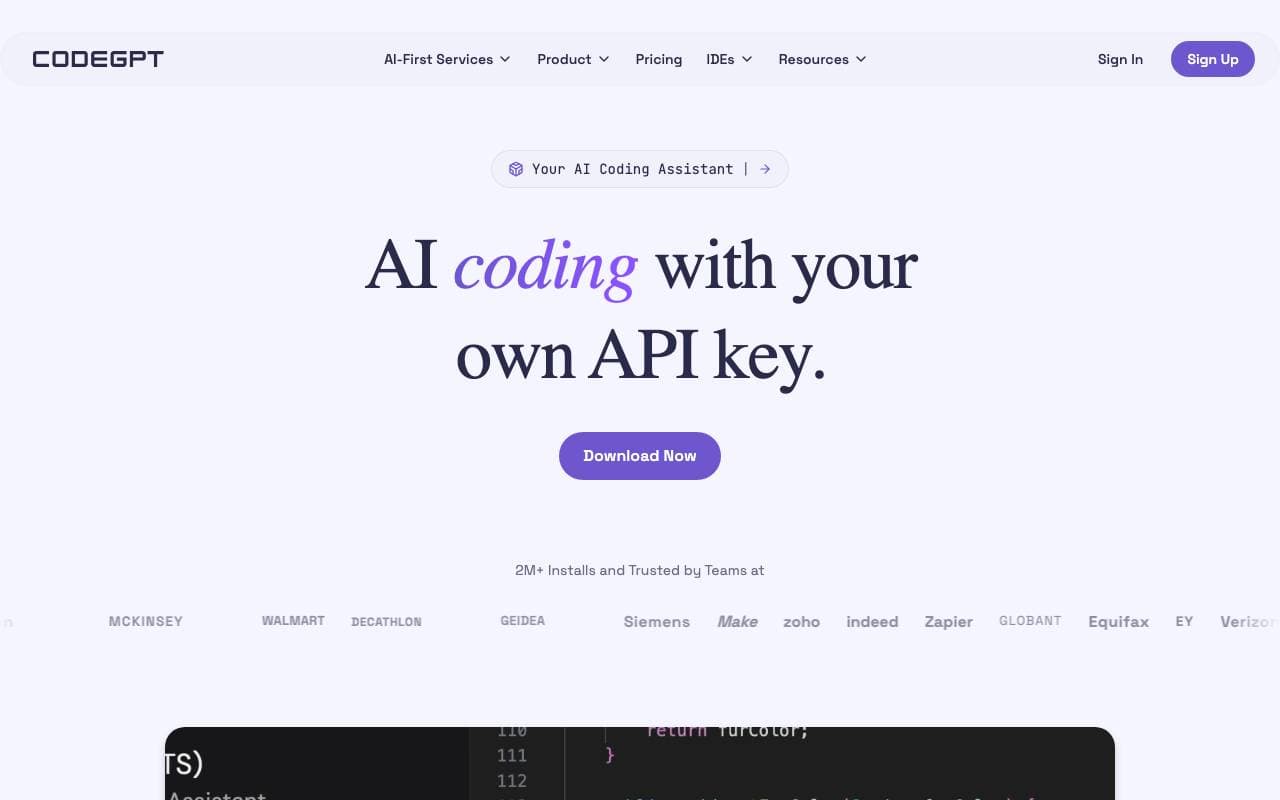
 CodeGPTAsystent kodowania
Dostosowywalny asystent kodowania AI do generowania, uzupełniania i wyjaśniania w Twoim IDE.
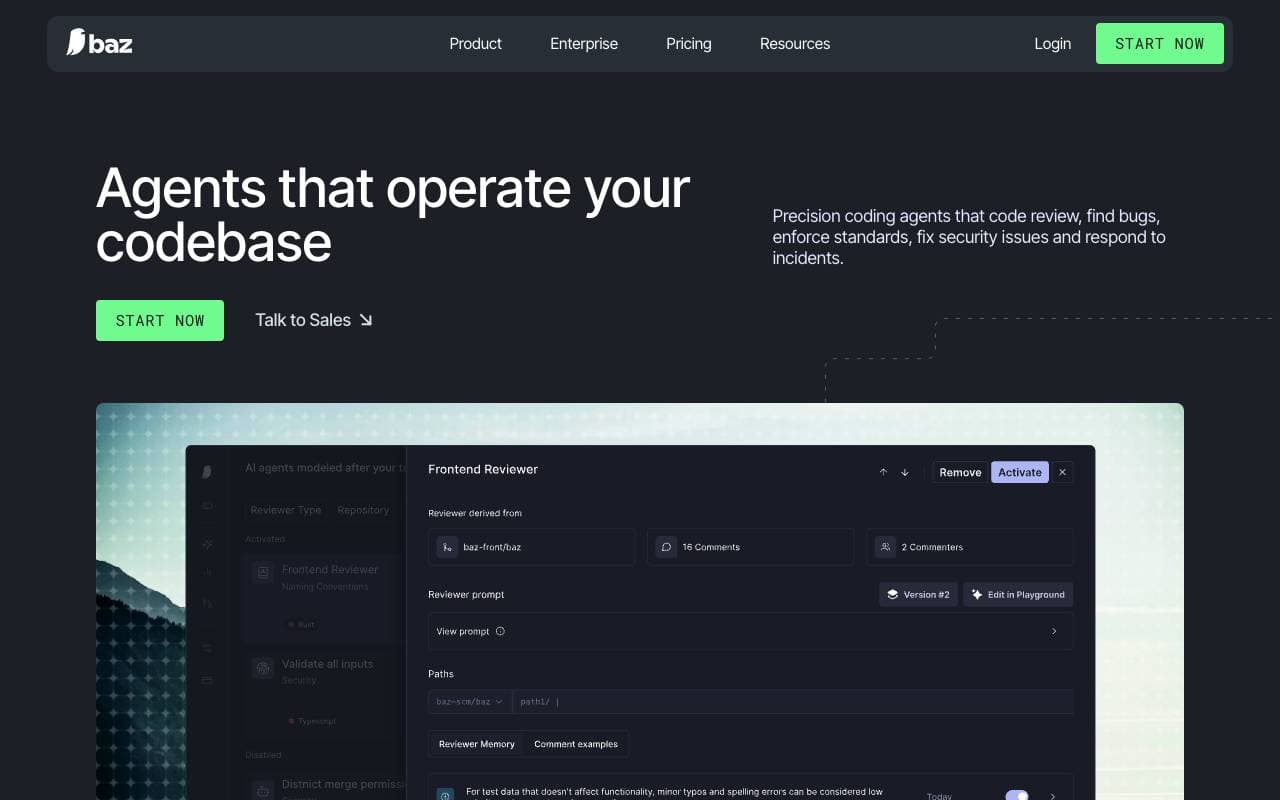
 BazAsystent kodowania
Przegląd kodu AI, który wykrywa błędy, regresje i problemy projektowe jak doświadczony inżynier.
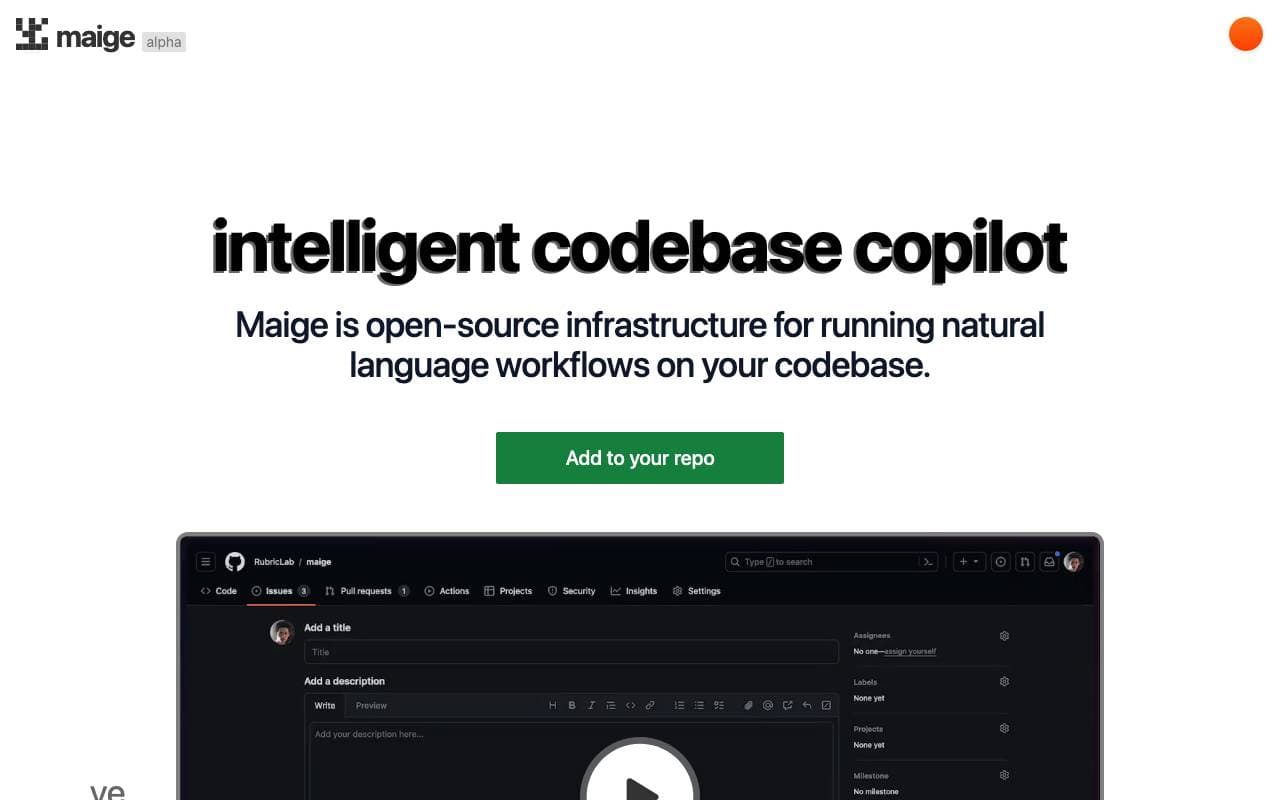
 MaigeAsystent kodowania
Narzędzie o otwartym kodzie źródłowym zasilane przez sztuczną inteligencję, które automatyzuje przepływy pracy z przetwarzaniem języka naturalnego w Twoim kodzie, integrując się bezproblemowo z GitHub.

 Sweep AIAsystent kodowania
AI-owy junior developer, który przekształca raporty błędów i prośby o funkcje w zmiany kodu, usprawniając proces rozwoju oprogramowania.

 GPTEngineerAsystent kodowania
Przekształcaj polecenia w języku naturalnym w działający kod i aplikacje, szybko.
Trending now

 Reducto AIPlatformy Rozwoju Agentów Inteligentnych
API inteligencji dokumentowej, które analizuje, dzieli, wykonuje OCR i wyodrębnia strukturalne dane z złożonych PDF-ów, slajdów i arkuszy kalkulacyjnych.
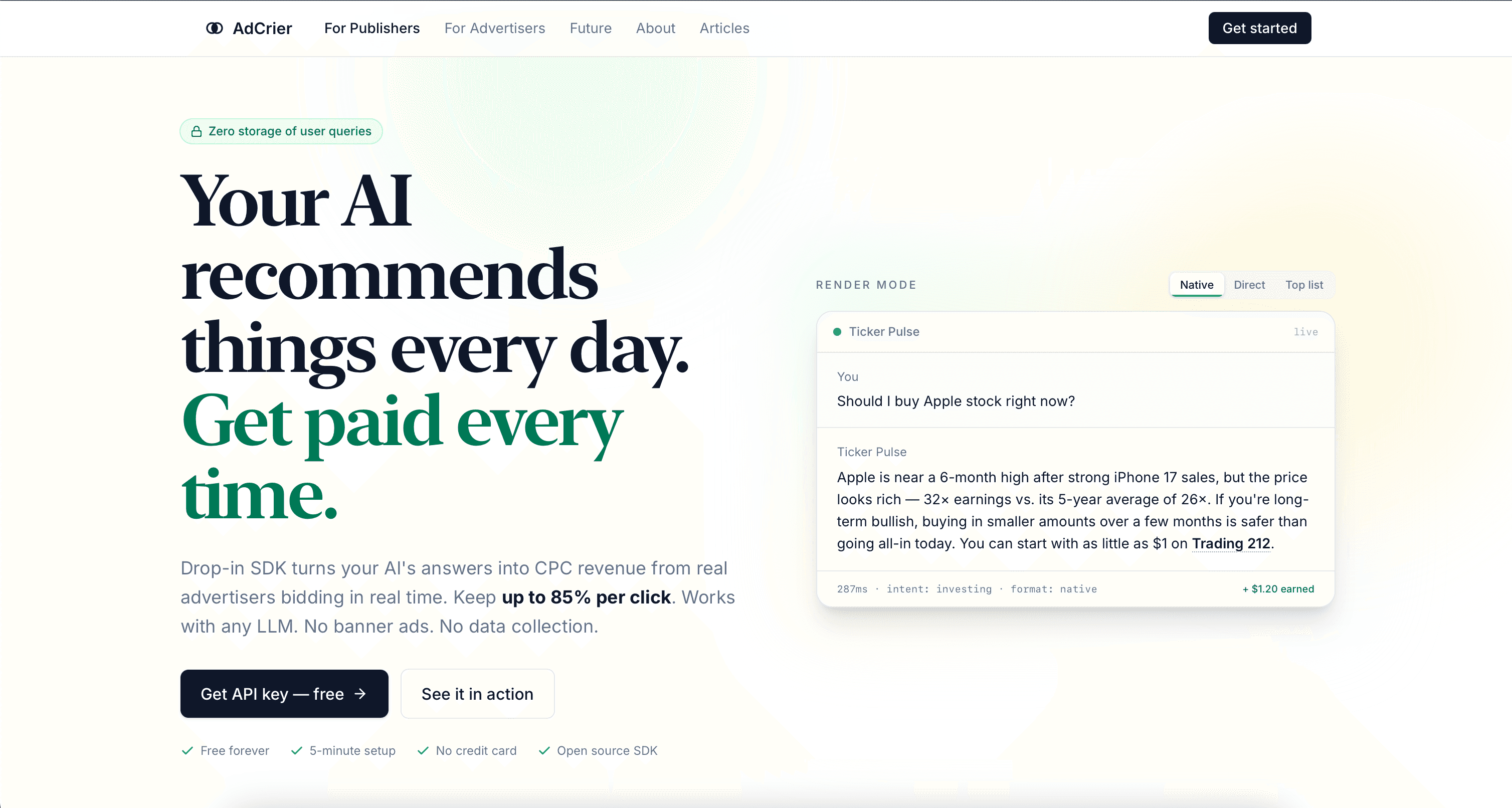
 AdCrierMarketing i Reklama
Sponsorowane odpowiedzi, płatne za kliknięcie.

 Biology AIAI w Edukacji
Precyzyjna pomoc z zadaniami domowymi z pełnymi wyjaśnieniami

 Pixtral 12B 24.09Model Lekki Modyfikacji Maszyny Wielorzędnego
Otwarte, multimodalne model 12B obsługujący przeplatanie obrazów i tekstu przy 128K oknie kontekstowym