
Low Code PlatformsPorównuj i filtrowuj wiodące platformy low-code według możliwości AI, CRM, automatyzacji i przepływu pracy.

Przegląd
Kluczowe funkcje
- Kuratowany katalog twórców low-code i no-code
- Filtrowanie według możliwości AI
- Filtry CRM i integracji
- Porównania automatyzacji i przepływu pracy
- Szukanie oparte na przypadkach użycia
- Profile platform z szybkim odwoływaniem
Cennik
- Model
- Freemium
- Kategoria
- Asystenci kodu
- Ocena
- 4.8 / 5 (5)
Zastosowania
Wstępna lista platform low-code dla nowego projektu
Menedżerowie produktu mogą filtrować twórców według funkcji AI, CRM, automatyzacji i przepływu pracy, aby szybko zawęzić opcje, które spełniają wymagania ich projektu.
Porównaj możliwości automatyzacji obok siebie
Zespoły oceniające narzędzia automatyzacji przepływu pracy mogą porównywać wiodące platformy low-code w jednym miejscu zamiast odwiedzać strony poszczególnych dostawców.
Wspieraj zakupy i wybór dostawcy
Kupujący biznesowi mogą korzystać z profili z szybkim odwoływaniem i filtrami według poziomu cenowego i potrzeb integracyjnych, aby podejmować szybsze i bardziej przejrzyste decyzje zakupowe.
Znajdź platformy z konkretnymi integracjami CRM
Twórcy i użytkownicy biznesowi szukający narzędzi low-code, które łączą się z ich stosem CRM, mogą filtrować według integracji, aby identyfikować kompatybilnych twórców.
Plusy i minusy
Plusy
- Porównanie obok siebie głównych narzędzi low-code
- Przydatne filtry dla AI, CRM, automatyzacji i przepływu pracy
- Oszczędza czas badań podczas wyboru dostawcy
- Pomocne zarówno dla kupujących technicznych, jak i biznesowych
Minusy
- Zakres może opóźniać się w stosunku do nowych premier platform
- Ograniczona głębokość w zakresie wymagań specyficznych dla przedsiębiorstwa
- Opiera się na informacjach dostarczonych przez dostawców
Recenzje
Średnia z 5 ocen.
Zaloguj się, aby zostawić recenzję.
Years in this space
I've evaluated a lot of these over the years. What stands out here is automation and workflow comparisons — handled better than most — and saves research time during vendor selection. Worth the time if this is your use case.
Use it every day
Honestly didn't expect to like it this much. Use-case driven search is exactly what I needed, and side-by-side comparison of major low-code tools. but I reach for it almost every day now and it just clicks.
Does the job
Pretty happy overall. Curated directory of low-code and no-code builders just works and useful filters for AI, CRM, automation, and workflows. Coverage may lag behind new platform launches can be annoying, but no dealbreakers — I'd recommend it to a friend without hesitating.
Years in this space
I've evaluated a lot of these over the years. What stands out here is use-case driven search — handled better than most — and useful filters for AI, CRM, automation, and workflows. Worth the time if this is your use case.
Use it every day
Honestly didn't expect to like it this much. Automation and workflow comparisons is exactly what I needed, and saves research time during vendor selection. but I reach for it almost every day now and it just clicks.
Pytania i odpowiedzi
Why I built this Low Code Platforms Directory?
Hey, I'm John. Building startups is my everyday life. I developed the Low Code Platforms Directory with one aim - to support developers and businesses in finding the right low code solutions. This directory guides you through countless low code platforms fitting your project needs. Join me on Twitter where I share insights from my startup journey and discuss everything from low code to digital transformation. If you're exploring low code and need some tips or want to discuss possibilities, feel free to reach out! → https://twitter.com/johnrushx
Asked by Tunde Balogun · Jan 22, 2026
How can I stay updated on low code developments and insights?
To stay updated on the latest developments in low code platforms and gain insights into the startup ecosystem, follow John on Twitter. He regularly shares his experiences with building startups, explores topics related to low code and digital transformation, and engages with the community to discuss the latest trends and technologies. Joining this social platform is a great way to connect with like-minded individuals, exchange ideas, and stay informed about the evolving world of low code development.
Asked by Celeste Marchetti · Jan 11, 2026
Can I contribute to the Low Code Platforms Directory?
Yes, contributions to the Low Code Platforms Directory are welcome! If you've developed a low code platform or have extensive experience with one that you believe should be featured in our directory, please reach out with detailed information about the platform, its key features, and how it stands out from other solutions. Our team will review your submission to ensure it meets our criteria for inclusion, focusing on the platform's capabilities, ease of use, and relevance to our audience's development needs.
Asked by Aisha Khan · Jan 7, 2026
How do I choose the right low code platform from the directory?
Choosing the right low code platform depends on your project's specific requirements and goals. Start by identifying the key features you need, such as AI capabilities, automation tools, or CRM integration. Then, use the advanced filters in our directory to narrow down your options. Each listing provides detailed information about the platform, including its features, benefits, and potential use cases. We recommend evaluating several platforms to compare their functionalities and ensure the chosen solution aligns with your development needs and business objectives.
Asked by Ximenez Alvarado · Dec 25, 2025
Why should I consider low code for my development projects?
Low code platforms offer a way to develop applications quickly and with less coding, making it possible to bring products to market faster and more efficiently. They are particularly beneficial for startups and businesses looking to innovate and adapt to market changes rapidly. With features like drag-and-drop interfaces, pre-built templates, and integration capabilities, low code platforms can significantly lower the barrier to application development, enabling non-technical users to contribute to the development process and allowing developers to focus on more complex tasks.
Asked by Lindiwe Mahlangu · Nov 16, 2025
Zadaj pytanie
Alternatywy dla Asystenci kodu


Enia Code
Asystenci kodu
Proaktywny partner AI w kodowaniu, który wykrywa problemy i sugeruje rozwiązania zanim o to poprosisz.


Hex Magic
Asystenci kodu
AI analytics copilot, który pisze zapytania, buduje wykresy i debuguje notatniki w Hex.


MicroGPT
Asystenci kodu
Asystent kodowania zasilany przez AI, zwiększający produktywność deweloperów dzięki sugestiom kodu w czasie rzeczywistym.

bumpgen
Asystenci kodu
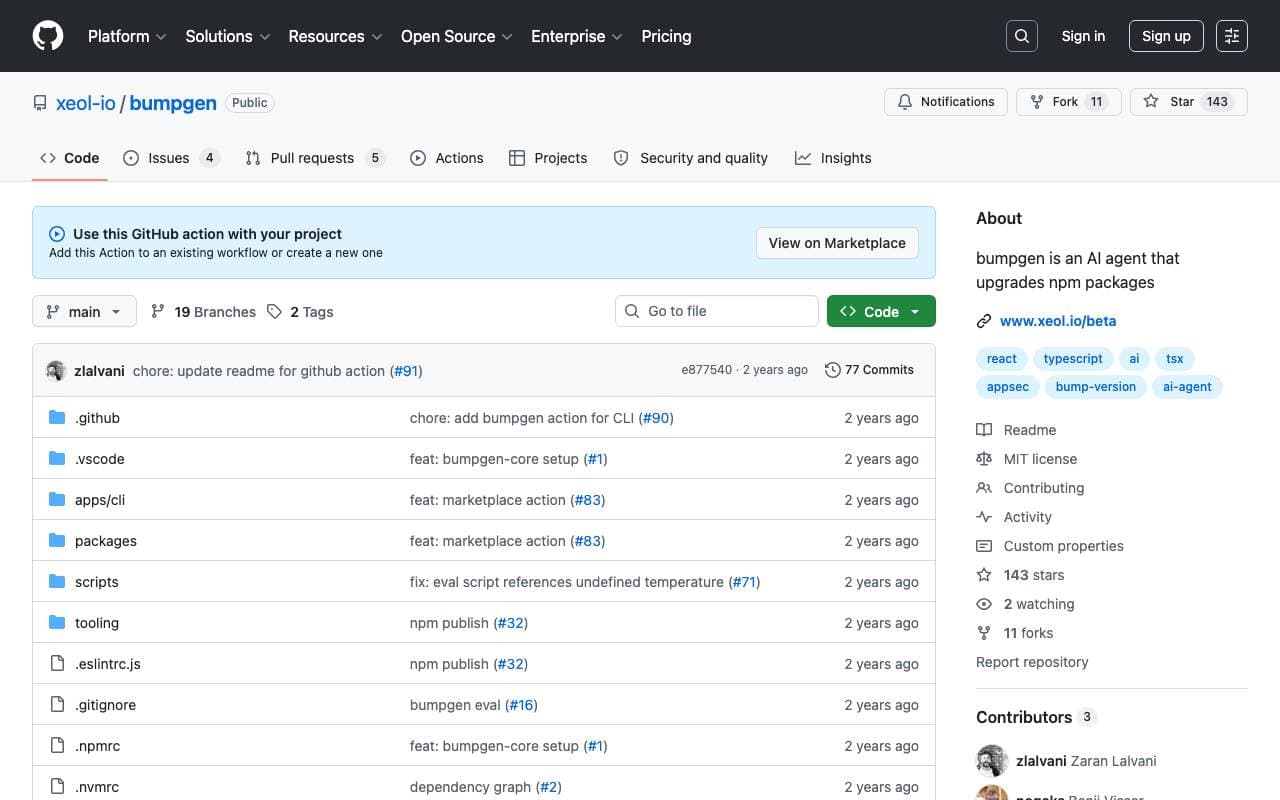
Agent AI, który automatyzuje aktualizację pakietów npm i rozwiązuje związane z nimi problemy z kompatybilnością w projektach TypeScript.

Zest
Asystenci kodu
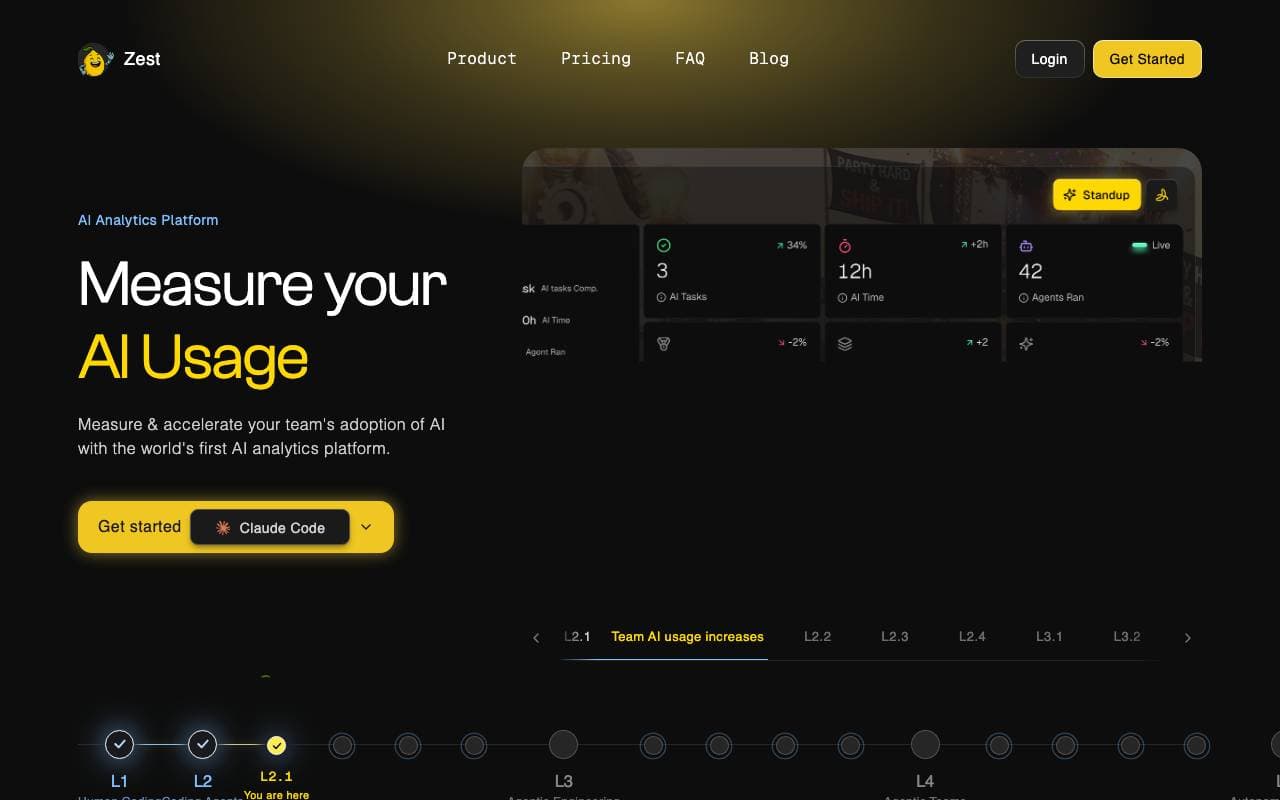
Asystent AI zaprojektowany, aby zwiększyć produktywność deweloperów w codziennych przepływach pracy programistycznej


Qodo
Asystenci kodu
Platforma integralności kodu oparta na AI dla generacji, testów i przeglądów

ReleasePad
Asystenci kodu
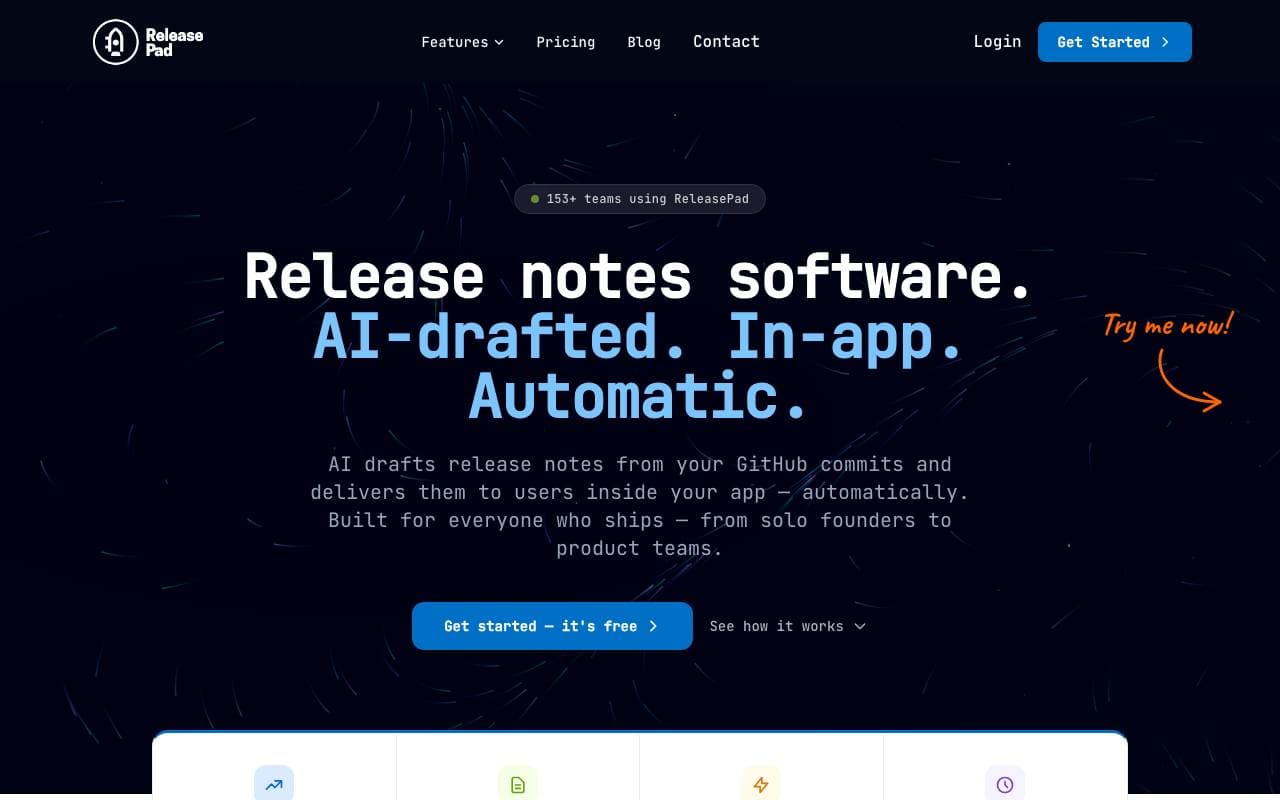
Notatki wydania generowane przez AI dla szybko działających zespołów produktowych

Mentat
Asystenci kodu
Asystent kodowania AI open-source, który integruje się z twoją linią poleceń, aby wspomóc różne zadania kodowania na wielu plikach.
Trending now

AdCrier
Marketing i Reklama
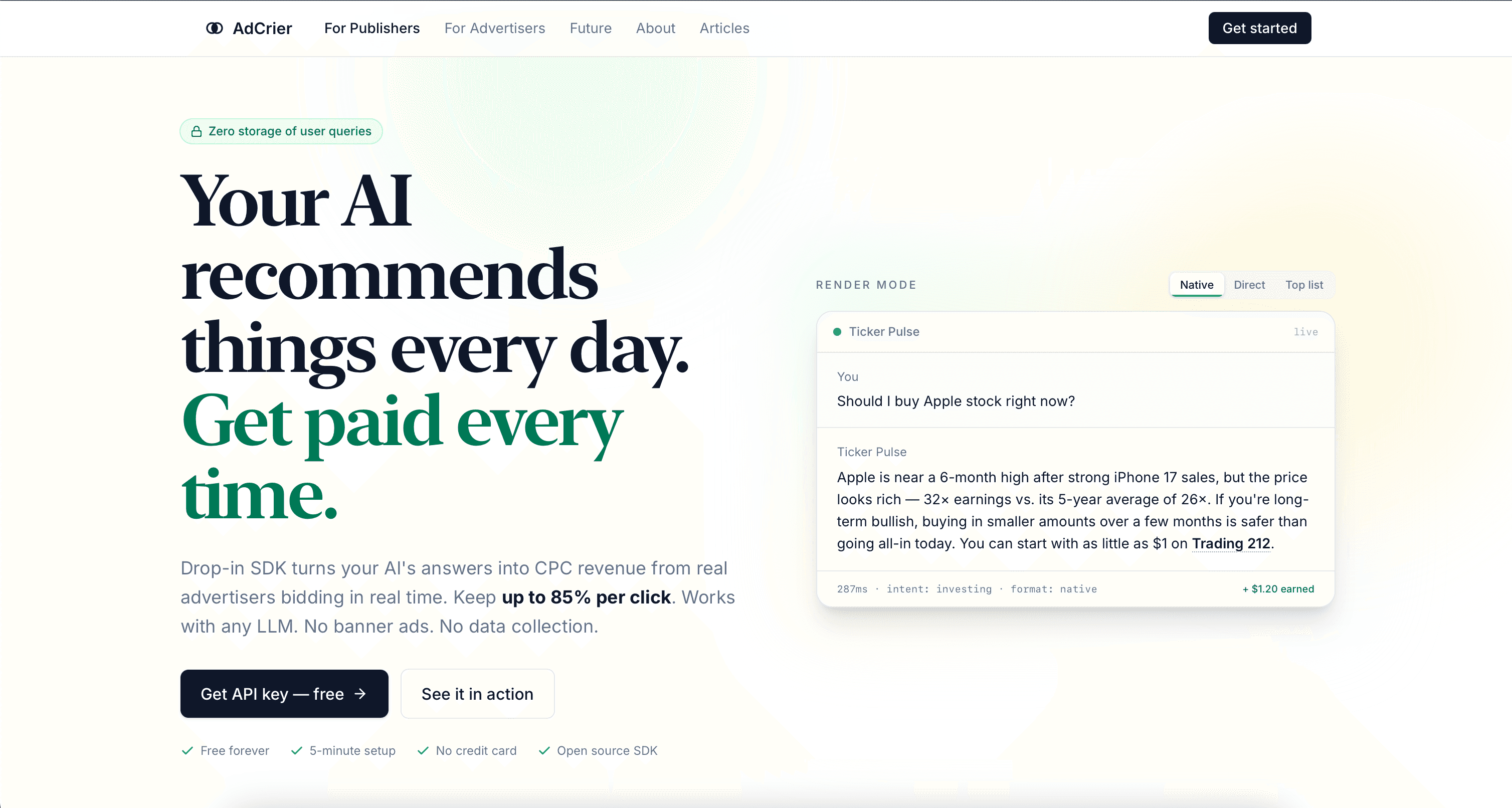
Sponsorowane odpowiedzi, płatne za kliknięcie.


Reducto AI
Platformy Rozwoju Agentów Inteligentnych
API inteligencji dokumentowej, które analizuje, dzieli, wykonuje OCR i wyodrębnia strukturalne dane z złożonych PDF-ów, slajdów i arkuszy kalkulacyjnych.


Biology AI
AI w Edukacji
Precyzyjna pomoc z zadaniami domowymi z pełnymi wyjaśnieniami


Pin AI
Automatyzacja przepływu pracy
Agentowy rekruter AI, który automatyzuje pozyskiwanie, selekcję i kontakt, przyspieszając proces rekrutacji.