
H2O.aiKompleksowa platforma AI w chmurze do tworzenia, wdrażania i skalowania modeli uczenia maszynowego.

Przegląd
Kluczowe funkcje
- AutoML z H2O Driverless AI
- h2oGPT do prywatnych wdrożeń LLM
- Document AI dla danych nieustrukturyzowanych
- MLOps do wdrażania i monitorowania modeli
- Wsparcie dla Pythona, R oraz notebooków
- Opcje wdrożeń on-prem, w chmurze i hybrydowe
Cennik
- Model
- Freemium
- Kategoria
- Duże Modyfikacje Języka (LLM)
- Ocena
- 4.7 / 5 (6)
Zastosowania
Automatyczny rozwój modeli predykcyjnych
Zespoły data science wykorzystują H2O Driverless AI do automatyzacji inżynierii cech, wyboru modeli i strojenia, przyspieszając dostarczanie modeli predykcyjnych dla zastosowań w finansach, ubezpieczeniach i opiece zdrowotnej.
Prywatne wdrożenia LLM
Przedsiębiorstwa wdrażają h2oGPT on-prem lub w środowiskach hybrydowych, aby tworzyć aplikacje generatywnej AI, zachowując kontrolę nad wrażliwymi danymi.
Przetwarzanie nieustrukturyzowanych dokumentów
Zespoły używają Document AI do wydobywania ustrukturyzowanych informacji z umów, roszczeń i formularzy, umożliwiając automatyzację procesów obciążonych dokumentami.
Kompleksowe MLOps w skali
Inżynierowie ML wdrażają, monitorują i zarządzają modelami w produkcji, korzystając z narzędzi MLOps od H2O, na infrastrukturze chmurowej, on-prem lub hybrydowej.
Plusy i minusy
Plusy
- Obejmuje zarówno klasyczne ML, jak i generatywną AI
- Silne możliwości AutoML redukują ręczne strojenie
- Fundament oparty na open source z opcjami enterprise
- Skaluje się do dużych zbiorów danych i środowisk rozproszonych
Minusy
- Ceny enterprise mogą być wysokie dla małych zespołów
- Stroma krzywa uczenia dla użytkowników nietechnicznych
- Konfiguracja i integracja mogą wymagać dedykowanych zasobów
Wynik bitew
W 1 bitwie w Panteonie.
Last battle
Recenzje
Średnia z 6 ocen.
Zaloguj się, aby zostawić recenzję.
Solid for our team
We rolled this out across the team last quarter and scales to large datasets and distributed environments. MLOps for model deployment and monitoring fits neatly into how we already work, and document AI for unstructured data removed a step we used to do by hand. Enterprise pricing can be steep for small teams, which is the main caveat, but it has held up under daily use.
Use it every day
Honestly didn't expect to like it this much. AutoML with H2O Driverless AI is exactly what I needed, and scales to large datasets and distributed environments. I do wish enterprise pricing can be steep for small teams, but I reach for it almost every day now and it just clicks.
Does the job
Pretty happy overall. H2oGPT for private LLM deployments just works and open-source foundation with enterprise options. Setup and integration may require dedicated resources can be annoying, but no dealbreakers — I'd recommend it to a friend without hesitating.
Does the job
Pretty happy overall. Support for Python, R, and notebooks just works and open-source foundation with enterprise options. but no dealbreakers — I'd recommend it to a friend without hesitating.
Solid for our team
We rolled this out across the team last quarter and strong AutoML capabilities reduce manual tuning. MLOps for model deployment and monitoring fits neatly into how we already work, and h2oGPT for private LLM deployments removed a step we used to do by hand. Setup and integration may require dedicated resources, which is the main caveat, but it has held up under daily use.
Years in this space
I've evaluated a lot of these over the years. What stands out here is support for Python, R, and notebooks — handled better than most — and covers both classical ML and generative AI. Worth the time if this is your use case.
Pytania i odpowiedzi
What are the typical use cases and industry benefits of H2O.ai?
Customers in finance, healthcare, insurance, telecom and government use it for fraud detection, KYC onboarding, call‑center assistants, and 24/7 business assistants, reporting outcomes like a 70% fraud reduction and 2× ROI on generative AI investments.
Asked by Priyanka Menon · Apr 16, 2026
How does H2O.ai handle private data for generative AI projects?
h2oGPT and the Enterprise LLM Studio let you fine‑tune and run large language models on your own data without sending it outside your environment, supporting air‑gapped and FedRAMP‑compliant setups.
Asked by Björn Karlsson · Apr 13, 2026
Can H2O.ai be used with existing data science tools and languages?
Yes, the platform integrates with Python, R, and notebook environments, and its AutoML (Driverless AI) and generative AI (h2oGPT) tools can be accessed via standard APIs and SDKs.
Asked by Vikram Rao · Mar 9, 2026
What deployment options does H2O.ai offer for enterprise models?
H2O.ai supports on‑premises, cloud, and hybrid (including VPC or air‑gapped) deployments, allowing you to run models securely within your own infrastructure or in managed cloud environments.
Asked by Julia Steiner · Mar 7, 2026
Zadaj pytanie
Alternatywy dla Duże Modyfikacje Języka (LLM)
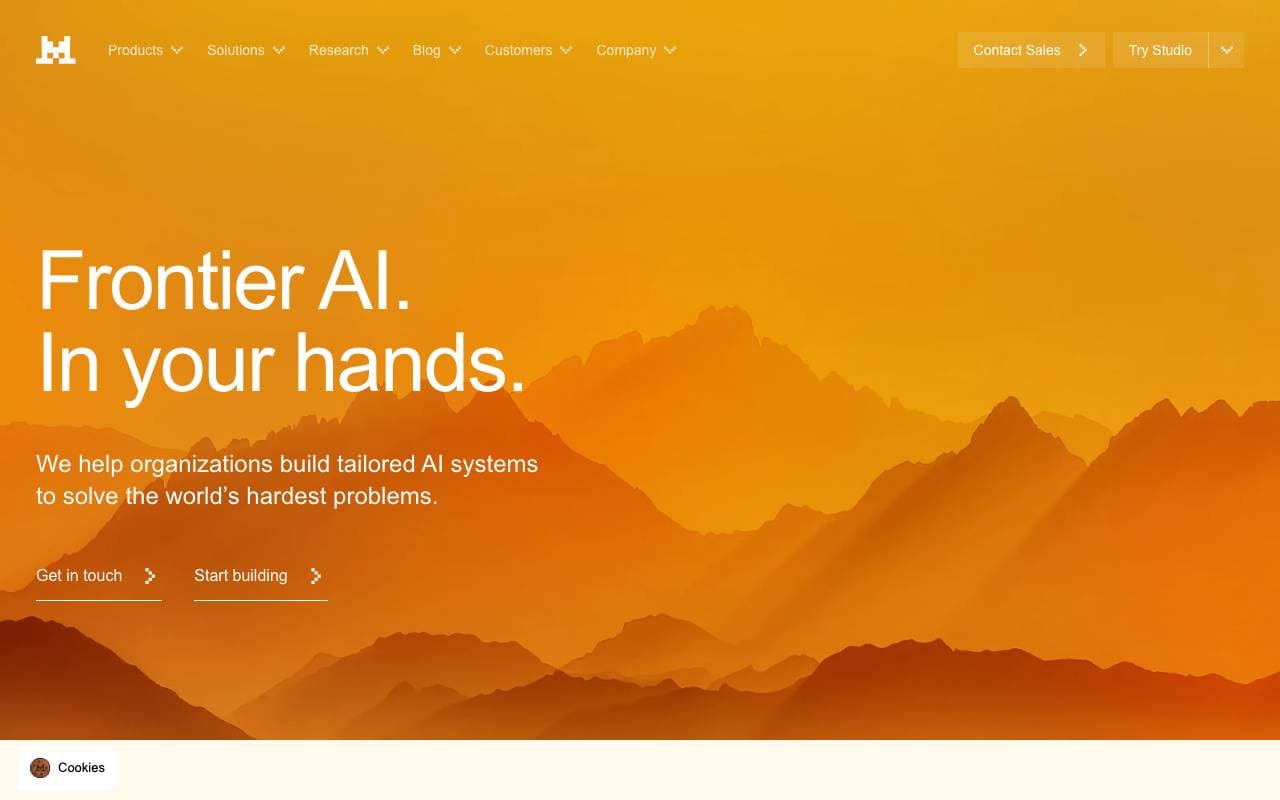
 Mistral AIDuże Modyfikacje Języka (LLM)
Modele na granicy

 🍌 Nano Banana - Where Ideas Instantly Come to Life, The New Era of AI Image GenerationDuże Modyfikacje Języka (LLM)
Szybkie generowanie obrazów AI w oparciu o Google Gemini 2.5 Flash do błyskawicznego prototypowania wizualnego.

 Kore.aiDuże Modyfikacje Języka (LLM)
Platforma AI konwersacyjna bez kodu umożliwiająca przedsiębiorstwom budowanie i wdrażanie inteligentnych wirtualnych asystentów.

 Reka AIDuże Modyfikacje Języka (LLM)
Wielomodalne modele bazowe, które rozumieją tekst, obrazy, wideo i dźwięk.
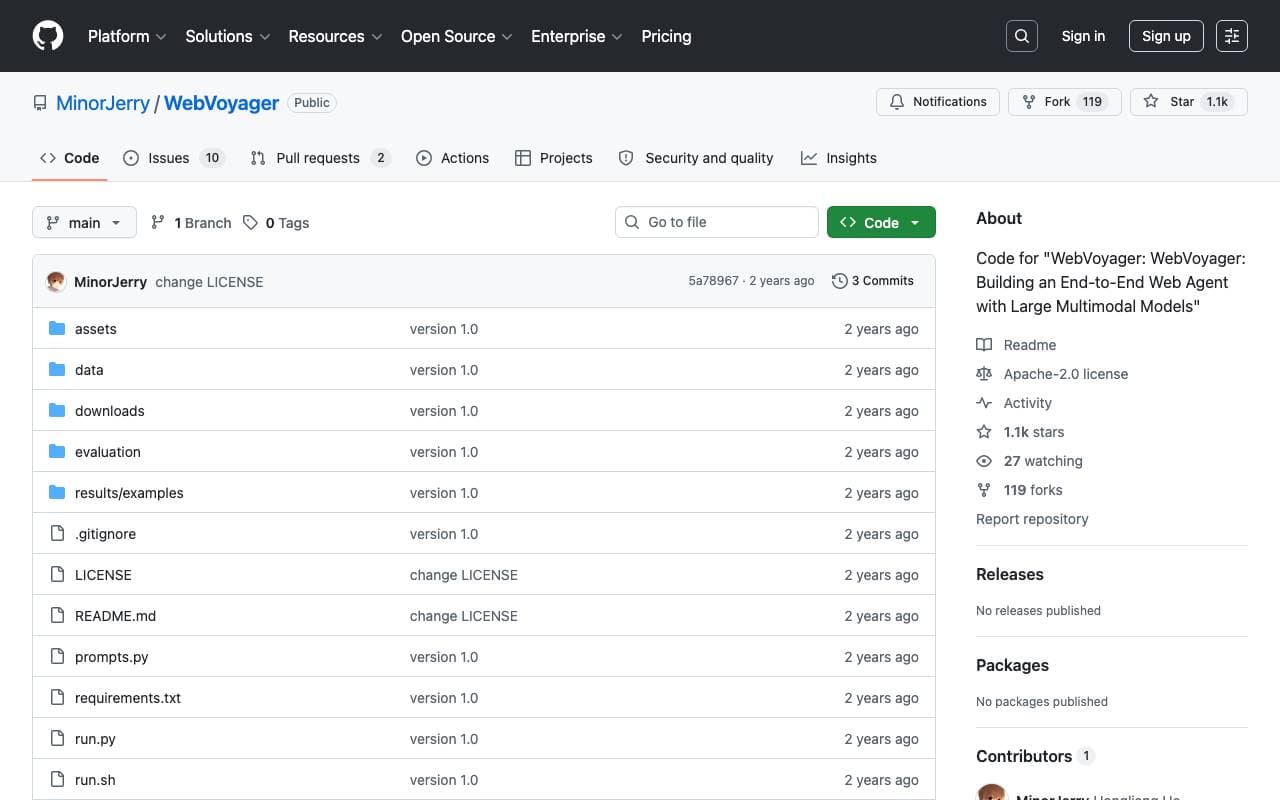
 WebVoyagerDuże Modyfikacje Języka (LLM)
Agent internetowy oparty na LMM, realizujący instrukcje użytkownika od początku do końca poprzez interakcję z rzeczywistymi stronami internetowymi.

 AI WriterDuże Modyfikacje Języka (LLM)
Platforma pisania wspomagana przez AI do generowania, badania i doskonalenia długich treści.
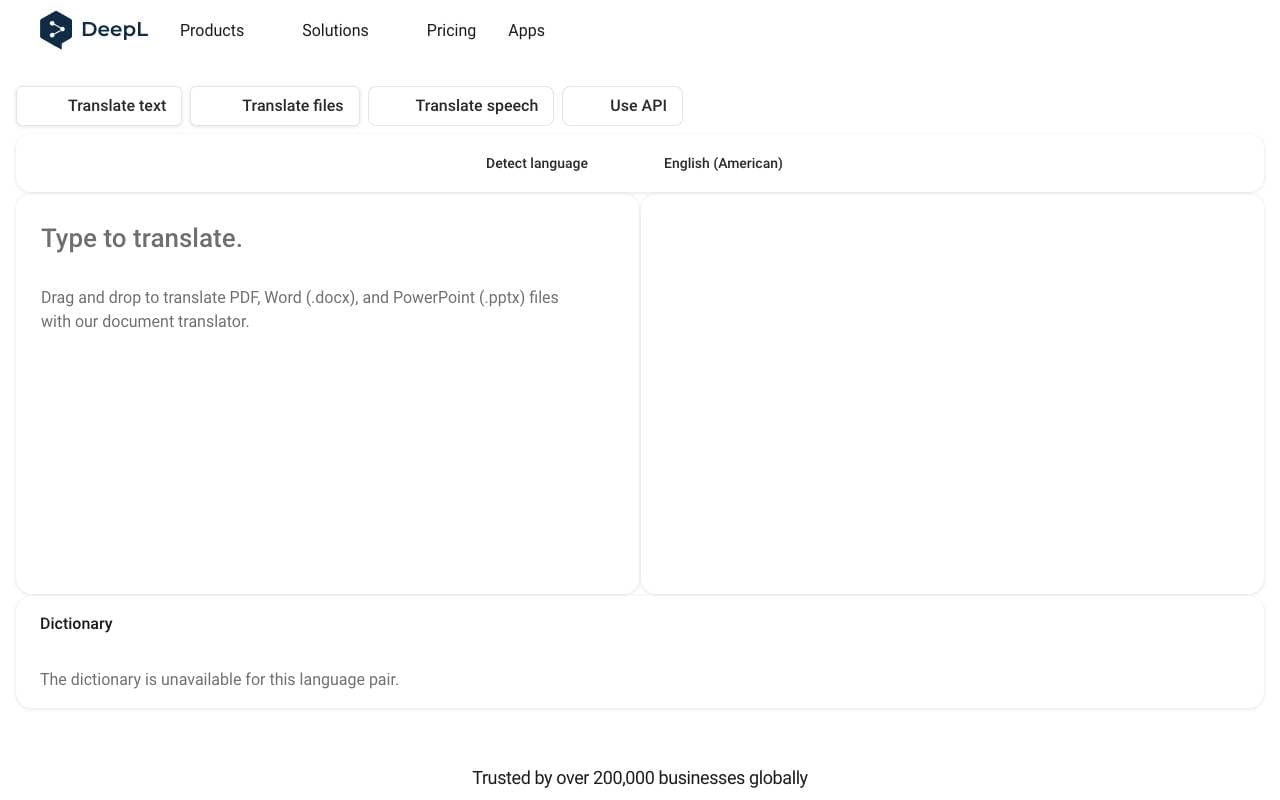
 DeepLDuże Modyfikacje Języka (LLM)
Narzędzie do tłumaczenia maszynowego neuralnego, znane z dokładnych, naturalnie brzmiących wyników w głównych językach.

 Slesh.aiDuże Modyfikacje Języka (LLM)
Asystent przeglądania oparty na AI, który zamienia badania w sieci w natychmiastowe odpowiedzi.
Trending now

 Reducto AIPlatformy Rozwoju Agentów Inteligentnych
API inteligencji dokumentowej, które analizuje, dzieli, wykonuje OCR i wyodrębnia strukturalne dane z złożonych PDF-ów, slajdów i arkuszy kalkulacyjnych.
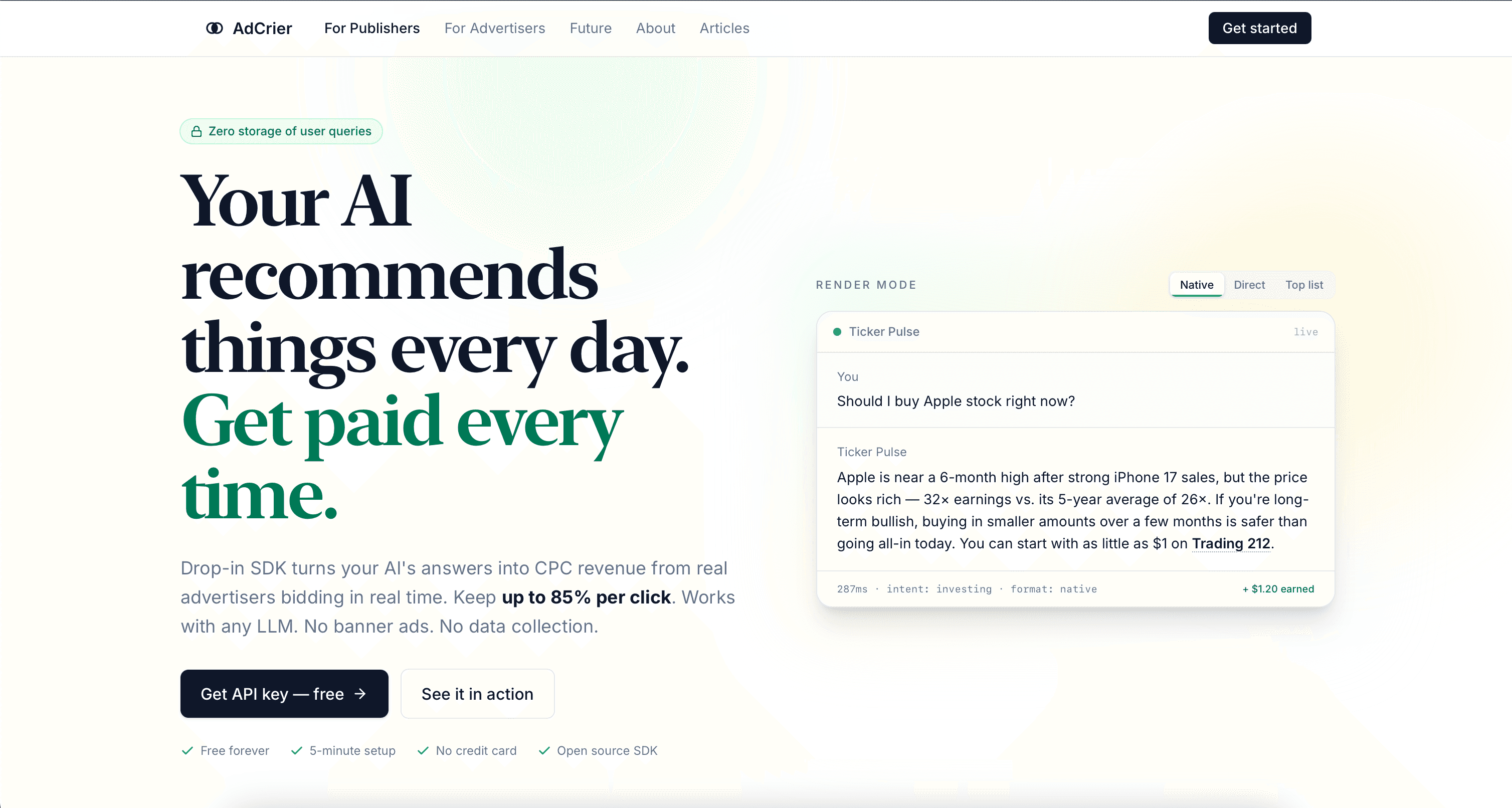
 AdCrierMarketing i Reklama
Sponsorowane odpowiedzi, płatne za kliknięcie.

 Biology AIAI w Edukacji
Precyzyjna pomoc z zadaniami domowymi z pełnymi wyjaśnieniami

 Pixtral 12B 24.09Model Lekki Modyfikacji Maszyny Wielorzędnego
Otwarte, multimodalne model 12B obsługujący przeplatanie obrazów i tekstu przy 128K oknie kontekstowym