
Grit.ioAutomatyzuj migracje kodu i refaktory na dużą skalę dzięki workflowom opartym na sztucznej inteligencji.

Przegląd
Kluczowe funkcje
- Przekształcenia i migracje kodu wspierane przez AI
- Tworzenie własnych wzorców i reguł
- Wsadowe wykonywanie w wielu repozytoriach
- Generowanie i przegląd pull requestów
- Wsparcie dla najważniejszych języków programowania
- Integracje z CI i platformami Git
Cennik
- Model
- Freemium
- Kategoria
- Agenci AI (Inteligencja Przyszłości)
- Ocena
- 4.8 / 5 (6)
Zastosowania
Aktualizacje wersji frameworków
Automatyzuj aktualizacje pomiędzy głównymi wersjami frameworków, stosując przekształcenia wspomagane AI w wielu repozytoriach jednocześnie, co zmniejsza ręczny nakład pracy przy migracjach wprowadzających łamiące zmiany.
Migracja API na dużą skalę
Migruj bazy kodu z przestarzałych API lub bibliotek do nowych, wykorzystując własne wzorce i rozumowanie AI, a zmiany są dostarczane jako podlegające przeglądowi pull requesty.
Czyszczenie długu technicznego
Identyfikuj i usuwaj przestarzałe wzorce lub martwy kod w wielu repozytoriach, tworząc reguły przekształceń i uruchamiając je wsadowo poprzez integracje CI.
Wymuszanie standardów kodu
Stosuj spójne konwencje i standardy kodowania w całym kodzie organizacji, wykorzystując własne reguły wykonywane w znanych workflowach Git.
Plusy i minusy
Plusy
- Skaluje refaktory w wielu repozytoriach
- Łączy deterministyczne wzorce z rozumowaniem AI
- Integruje się ze standardowymi workflowami Git i PR
- Przydatny przy aktualizacjach frameworków i zależności
Minusy
- Skierowany głównie do zespołów inżynierskich, nie do ogólnych użytkowników
- Złożone migracje mogą nadal wymagać ręcznej recenzji
- Strome tempo nauki tworzenia własnych wzorców
Recenzje
Średnia z 6 ocen.
Zaloguj się, aby zostawić recenzję.
Years in this space
I've evaluated a lot of these over the years. What stands out here is custom pattern and rule authoring — handled better than most — and scales refactors across many repositories. Complex migrations may still need manual review is my one real gripe. Worth the time if this is your use case.
Solid for our team
We rolled this out across the team last quarter and scales refactors across many repositories. Pull request generation and review fits neatly into how we already work, and custom pattern and rule authoring removed a step we used to do by hand. Primarily aimed at engineering teams, not general users, which is the main caveat, but it has held up under daily use.
Does the job
Pretty happy overall. Custom pattern and rule authoring just works and useful for framework and dependency upgrades. but no dealbreakers — I'd recommend it to a friend without hesitating.

Skeptical, then convinced
I went in skeptical — most tools in this space overpromise. It actually delivers on support for major programming languages, and useful for framework and dependency upgrades caught me off guard. still, I'd recommend giving it a real trial.

Does the job
Pretty happy overall. Multi-repo batch execution just works and useful for framework and dependency upgrades. but no dealbreakers — I'd recommend it to a friend without hesitating.
Skeptical, then convinced
I went in skeptical — most tools in this space overpromise. It actually delivers on aI-assisted code rewrites and migrations, and integrates with standard Git and PR workflows caught me off guard. Primarily aimed at engineering teams, not general users is why this isn't a perfect score, still, I'd recommend giving it a real trial.
Pytania i odpowiedzi
What is required to write custom migration patterns—do I need deep AST knowledge?
No deep AST expertise is needed; any code snippet can serve as a valid GritQL query, and the built‑in module system lets you reuse or share patterns, though there is a learning curve for authoring complex custom rules.
Asked by Jibril Abubakar · Jul 27, 2025
What languages are supported for pattern matching and automatic fixes?
GritQL supports a wide range of languages including JavaScript/TypeScript, Python, Java, Rust, Go, SQL, JSON, YAML, Terraform, Solidity, CSS, Markdown, and more.
Asked by Carlos Mendoza · Jul 9, 2025
Can Grit.io be integrated into existing CI pipelines and Git platforms?
Yes, Grit.io offers CI integration and works with standard Git workflows, automatically generating pull requests and reviews for batch refactors across multiple repositories.
Asked by Xiomara Delgado · Jun 26, 2025
How does Grit.io handle large repositories and what size limits does it have?
Grit.io scales to repositories with over 10 million lines of code, using Rust‑based query optimization to efficiently search and modify source across many repos.
Asked by Paulo Cardoso · May 12, 2025
Zadaj pytanie
Alternatywy dla Agenci AI (Inteligencja Przyszłości)

 Zapier's AgentsAgenci AI (Inteligencja Przyszłości)
Agenci napędzani AI, automatyzujący przepływy pracy w ponad 7 000 połączonych aplikacji
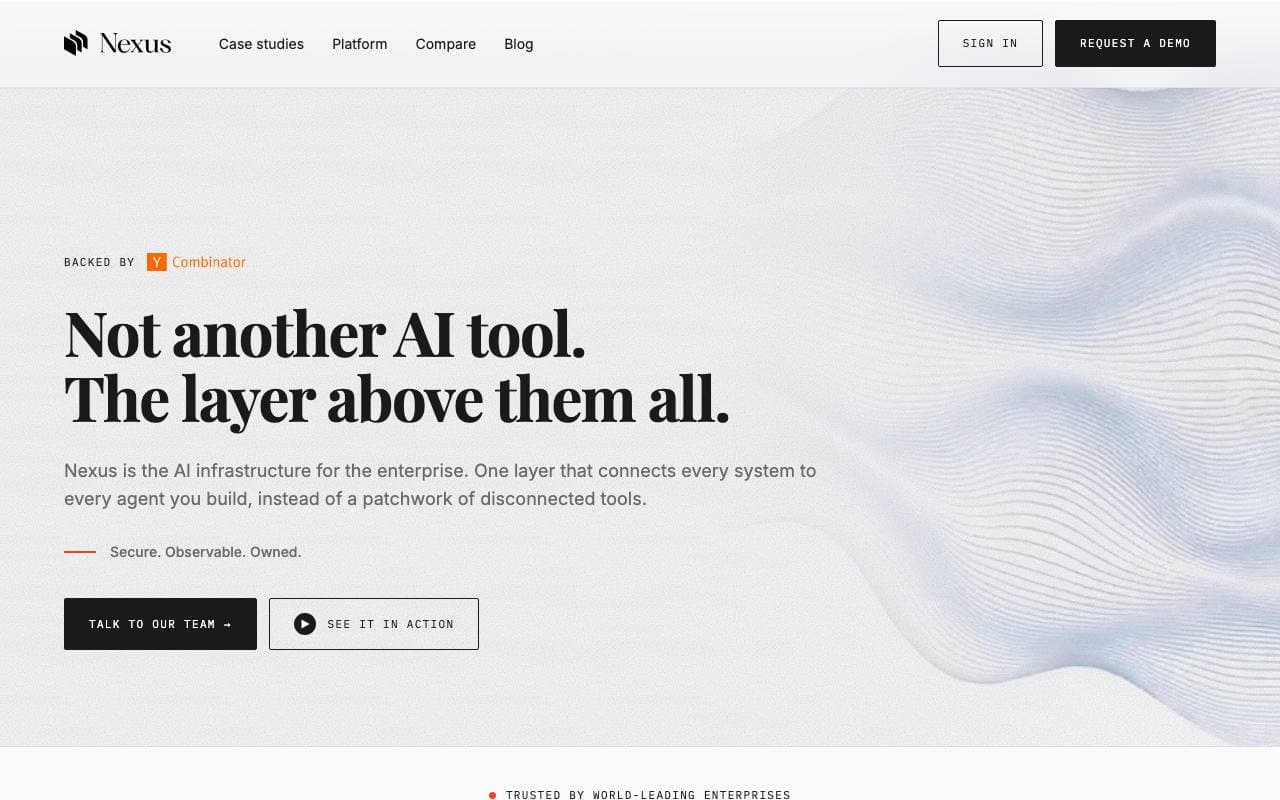
 NexusGPTAgenci AI (Inteligencja Przyszłości)
Platforma bez kodu do tworzenia i wdrażania niestandardowych agentów AI do automatyzacji przepływów pracy biznesowej.
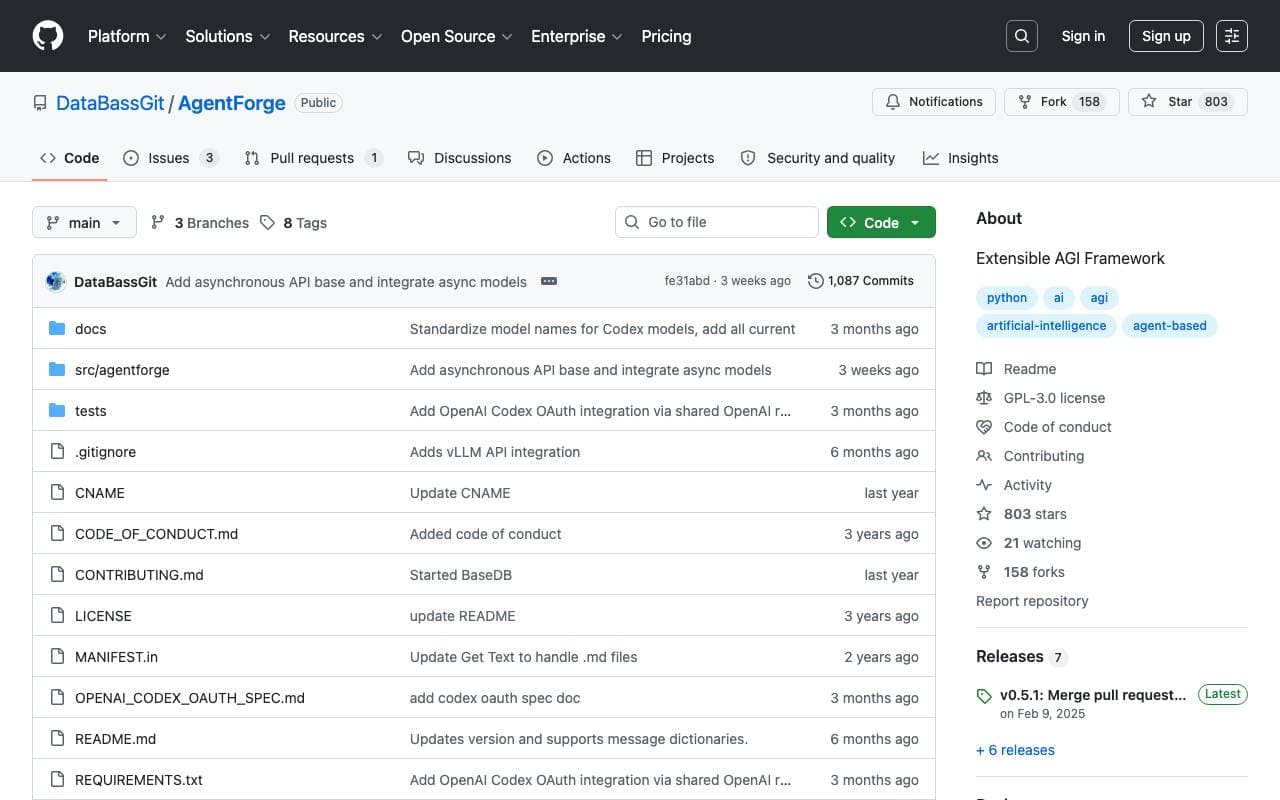
 AgentForgeAgenci AI (Inteligencja Przyszłości)
Niskokodowy framework do tworzenia autonomicznych agentów AI i architektur poznawczych

 Black Forest LabsAgenci AI (Inteligencja Przyszłości)
Przedsiębiorstwo AI pionierskie specjalizujące się w najnowocześniejszych modelach generatywnych do syntezy obrazów i wideo.

 Micro AgentAgenci AI (Inteligencja Przyszłości)
Asystent kodowania AI, który iteruje kod, aż Twoje testy przejdą

 Mogoj AIAgenci AI (Inteligencja Przyszłości)
Optymalizacja przepływu pracy i automatyzacja procesów biznesowych z wykorzystaniem sztucznej inteligencji

 Maps Scraper AIAgenci AI (Inteligencja Przyszłości)
Narzędzie oparte na sztucznej inteligencji, które automatyzuje ekstrakcję danych biznesowych z Google Maps, wzmacniając generowanie leadów i badania rynku.

 ClarosAgenci AI (Inteligencja Przyszłości)
AI‑owy asystent zakupowy, który podsumowuje recenzje i prezentuje najlepsze oferty.
Trending now

 Biology AIAI w Edukacji
Precyzyjna pomoc z zadaniami domowymi z pełnymi wyjaśnieniami

 Reducto AIPlatformy Rozwoju Agentów Inteligentnych
API inteligencji dokumentowej, które analizuje, dzieli, wykonuje OCR i wyodrębnia strukturalne dane z złożonych PDF-ów, slajdów i arkuszy kalkulacyjnych.

 Pixtral 12B 24.09Model Lekki Modyfikacji Maszyny Wielorzędnego
Otwarte, multimodalne model 12B obsługujący przeplatanie obrazów i tekstu przy 128K oknie kontekstowym
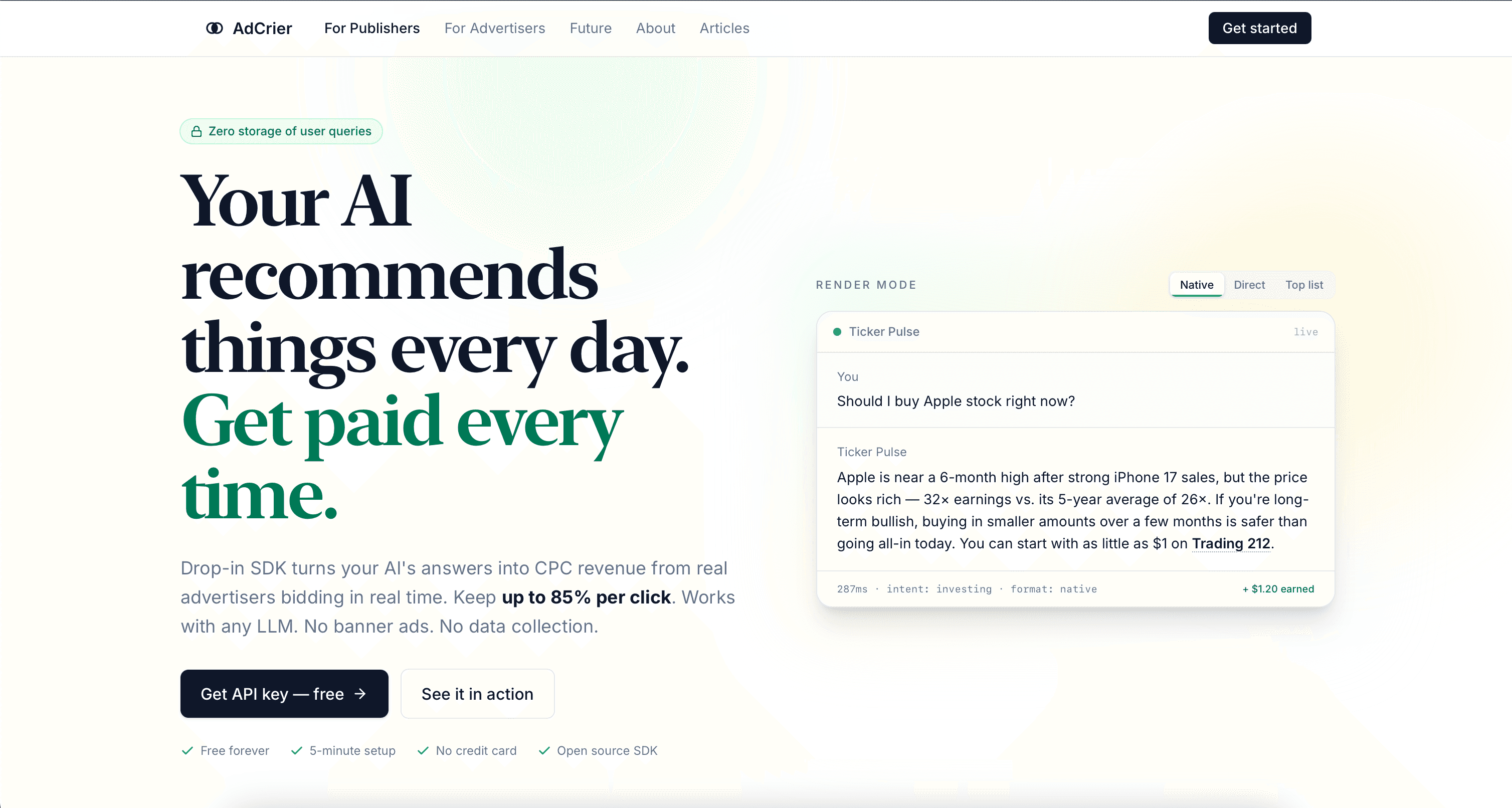
 AdCrierMarketing i Reklama
Sponsorowane odpowiedzi, płatne za kliknięcie.