
OpenHandsÅpen kildekodeplattform for AI-agenter som bygger, debugger og leverer kode som utviklere.

Oversikt
Nøkkelfunksjoner
- Autonome kode- og debug-agenter
- Isolert shell- og filsystemtilgang
- Verktøy for nettlesing og API-interaksjon
- Docker-basert lokal distribusjon
- Utvidbar LLM-backendstøtte
- Nettsidebasert interaktiv brukergrensesnitt
Priser
- Modell
- Free
- Kategori
- Kodehjelper
- Vurdering
- 4.8 / 5 (6)
Brukstilfeller
Automatiser end-to-end koding
Distribuer AI-agenter for å skrive, endre og debugge kode på tvers av et prosjekt, kjøre shell-kommandoer og teste i et isolert miljø som en menneskelig utvikler.
Selvhostet AI-utviklingsassistent
Kjør OpenHands lokalt via Docker med din foretrukne LLM-backend for å holde kode og data på eget område mens du bruker autonome kodeagenter via en web UI.
Forskning på agentarkitektur
Bruk den fleksible, pluggbare plattformen for å eksperimentere med tilpassede verktøy, arbeidsflyter og LLM-tilbydere for å studere autonome programvareingeniøragenter.
CI/CD og DevOps-automatisering
Integrer agenter i utviklingspiper for å automatisere repeterende koding, testing og DevOps-oppgaver som feilretting, refaktorering eller API-interaksjoner.
Fordeler og ulemper
Fordeler
- Fullt åpen kildekode og selv-hostbar
- Støtter flere LLM-tilbydere
- Aktivt fellesskap og hyppige oppdateringer
- Fleksibel tilpasning av agenter og verktøy
- Isolert kjøring for tryggere kodeutførelser
Ulemper
- Krever teknisk oppsett og konfigurasjon
- Bruk av LLM-API kan bli kostbart
- Agentpålitelighet varierer med oppgavens kompleksitet
- Hardere læringskurve enn hostede alternativer
Anmeldelser
Gjennomsnitt fra 6 vurderinger.
Logg inn for å legge igjen en anmeldelse.
Compared a few options
Evaluated this against two competitors. Where it wins: sandboxed shell and file system access and fully open source and self-hostable. On balance the feature set — especially autonomous coding and debugging agents — justifies the 5 stars for our use case.
Years in this space
I've evaluated a lot of these over the years. What stands out here is sandboxed shell and file system access — handled better than most — and flexible agent and tool customization. Worth the time if this is your use case.
Solid for our team
We rolled this out across the team last quarter and fully open source and self-hostable. Web browsing and API interaction tools fits neatly into how we already work, and docker-based local deployment removed a step we used to do by hand. but it has held up under daily use.
Solid for our team
We rolled this out across the team last quarter and active community and frequent updates. Web browsing and API interaction tools fits neatly into how we already work, and pluggable LLM backend support removed a step we used to do by hand. Steeper learning curve than hosted alternatives, which is the main caveat, but it has held up under daily use.
Does the job
Pretty happy overall. Docker-based local deployment just works and fully open source and self-hostable. but no dealbreakers — I'd recommend it to a friend without hesitating.
Compared a few options
Evaluated this against two competitors. Where it wins: pluggable LLM backend support and supports multiple LLM providers. On balance the feature set — especially autonomous coding and debugging agents — justifies the 5 stars for our use case.
Spørsmål
What types of teams use OpenHands?
OpenHands is used by platform teams automating engineering workflows at scale, teams building internal developer platforms or AI-powered tooling, and enterprises managing large or legacy codebases and mission-critical software systems.
Asked by Ximenez Alvarado · Jul 7, 2025
Is OpenHands secure for enterprise use?
OpenHands runs in your environment, whether on-prem or private cloud, so your code never leaves your control. Since agents operate inside secure, isolated execution environments with full auditability, it is built for organizations with strict data security, compliance, and governance requirements.
Asked by Zeynep Aydin · Jul 7, 2025
Can OpenHands work with large or legacy codebases?
Yes. OpenHands is specifically designed to handle large, complex, and legacy codebases. With its Large Codebase SDK, it maps dependencies across the system and orchestrates changes in the correct order, allowing multiple agents to safely work in parallel without conflicts.
Asked by Fatima Zahra · Jun 30, 2025
How is OpenHands different from AI coding tools like GitHub Copilot or ChatGPT?
Instead of helping you write code faster, OpenHands helps you ship changes end-to-end. Tools such as GitHub Copilot or ChatGPT generate code suggestions. OpenHands runs agents that complete entire engineering tasks, taking actions across entire codebases, running tasks in parallel, and executing changes in real environments.
Asked by Giulia Conti · Jun 21, 2025
What is OpenHands?
OpenHands is an AI agent platform for software development that can execute real engineering work, not just suggest code. It runs autonomous agents that plan, write, and apply changes across your codebase, helping teams complete complex tasks end-to-end. Built on an open source foundation, it's designed for enterprise software development at scale.
Asked by Henrik Dahl · May 5, 2025
Still et spørsmål
Alternativer til Kodehjelper


Gemini Code Assist
Kodehjelper
Googles AI‑kodingsassistent, drevet av Gemini-modeller, for raskere og smartere utvikling


Sourcegraph Cody AI
Kodehjelper
Et kunstig intelligens hjelpemiddel som forstår hele din kodenbasis for kontekstsanserede hjelp


DevArchitect
Kodehjelper
AI-assistert kodepartner for planlegging, bygging og forbedring av programvareprosjekter.
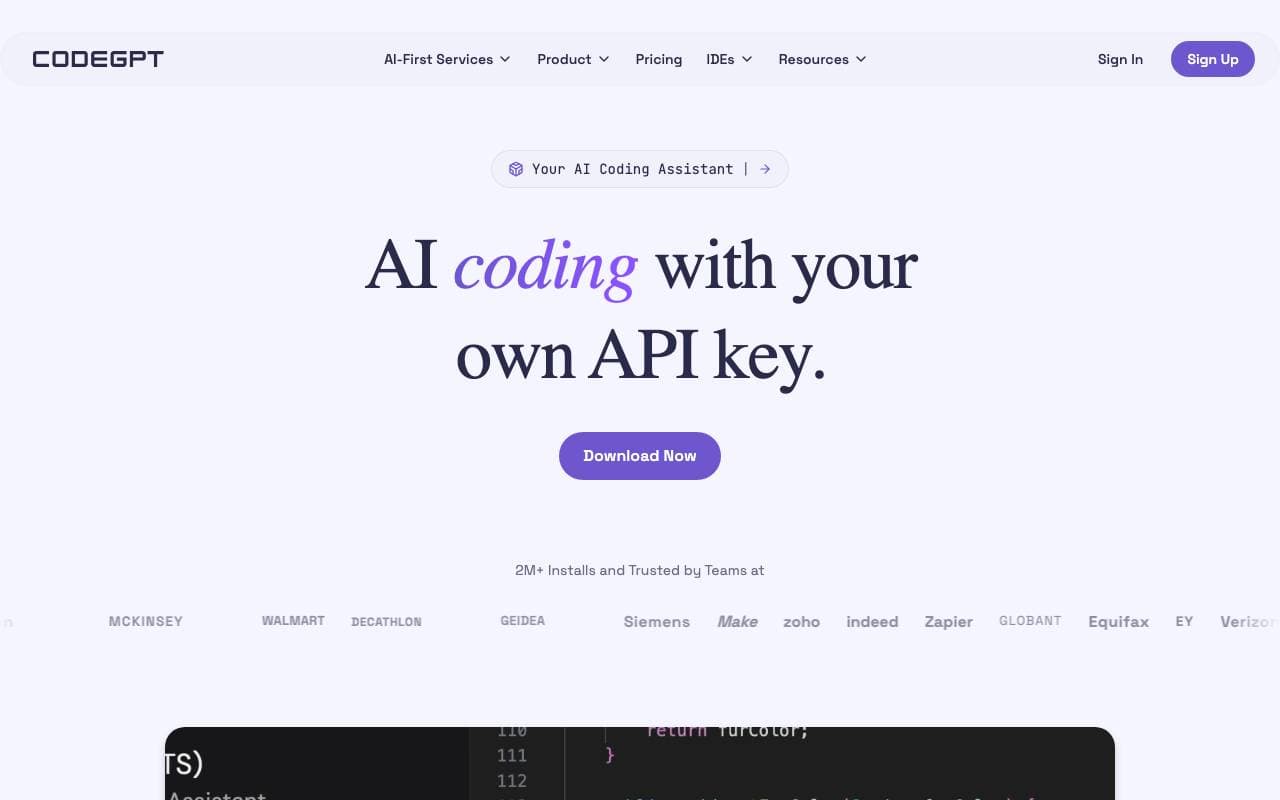

CodeGPT
Kodehjelper
Personalisérbar AI-assistent for koding, fullføring og forklaring innenfor din IDE
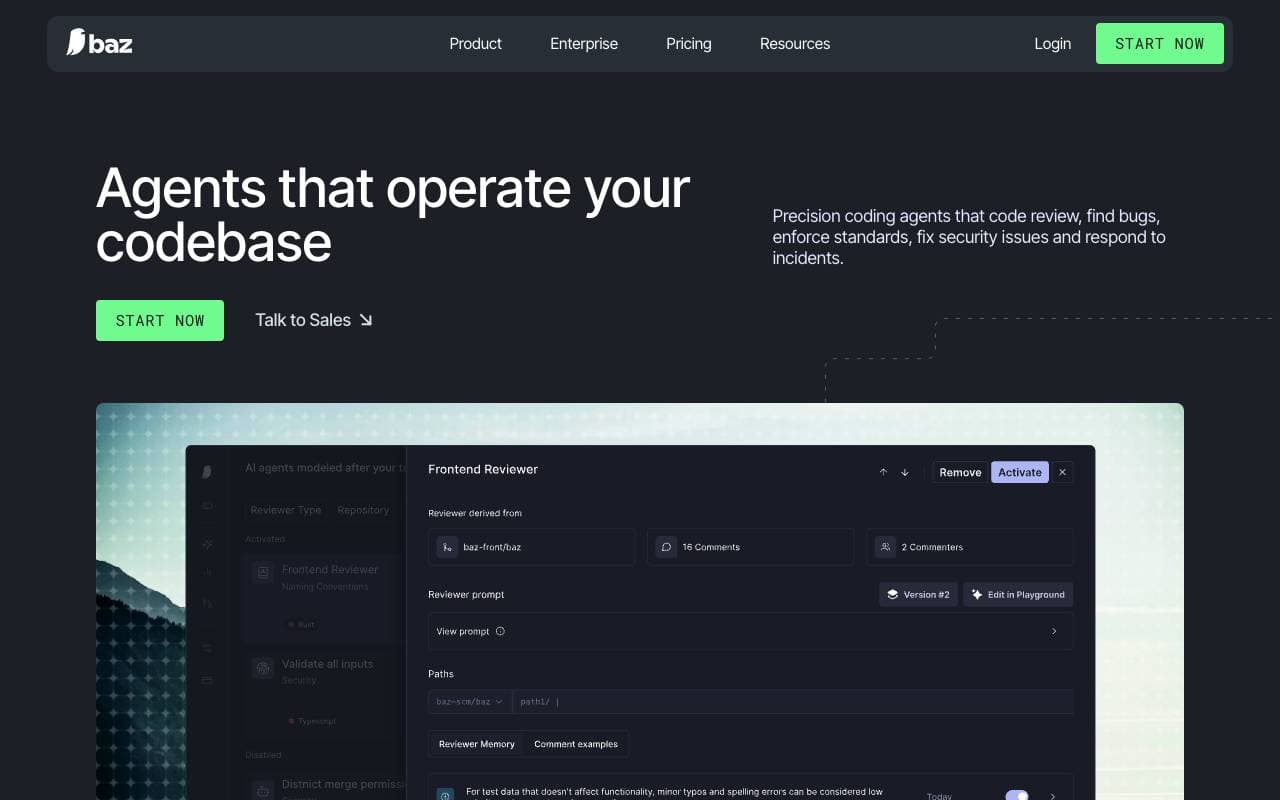

Baz
Kodehjelper
AI-kodegjennomgang som flagger feil, regresjoner og designelementer som en senioringeniør.
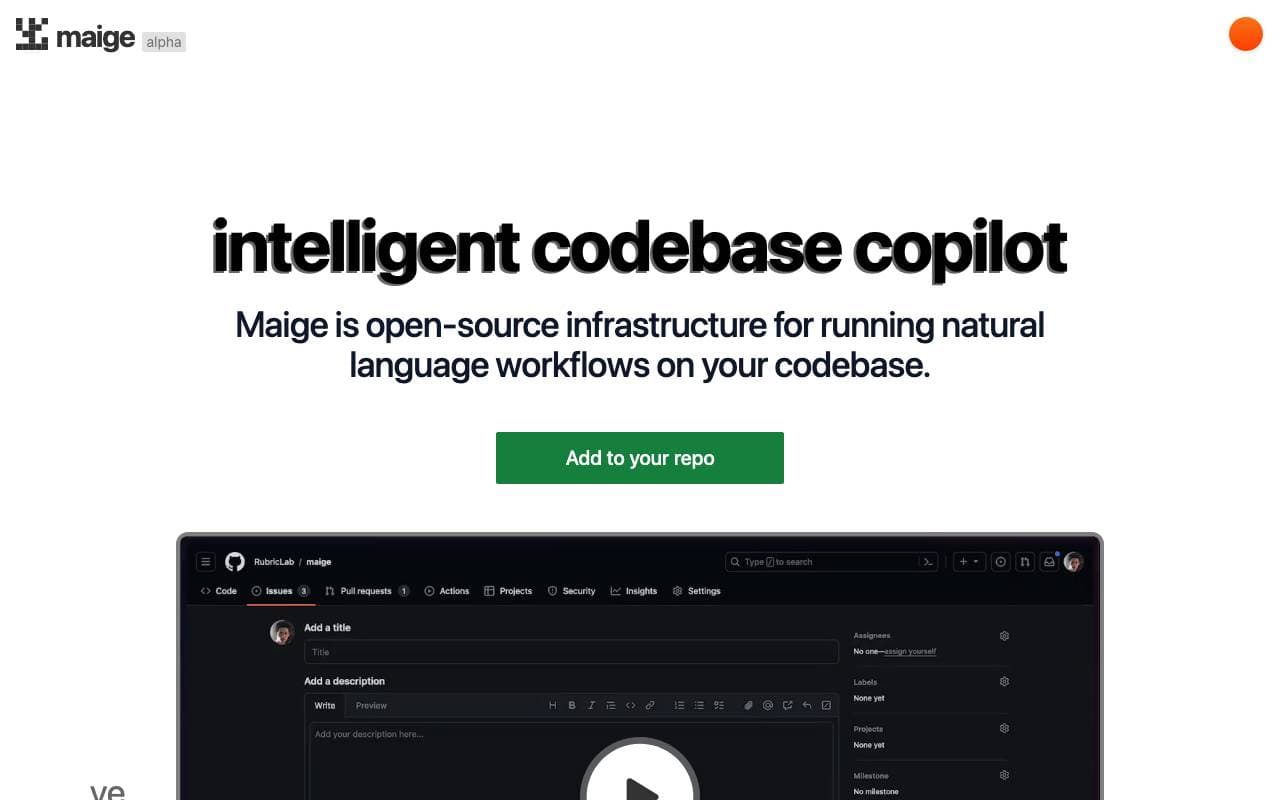

Maige
Kodehjelper
Et åpenkilde, AI-drevet verktøy som automatiserer naturlige språkarbeidsflyter i kodebasen din, og integreres sømløst med GitHub.


Sweep AI
Kodehjelper
En AI-drevet juniorutvikler som omformer feilrapporter og spesifikasjonskrav til kodeendringer, og forbedrer den prosesserte utvikling av software.


GPTEngineer
Kodehjelper
Gjør naturlige språkprompt til fungerende kode og apper, raskt.
Trending now


Reducto AI
Plattformer for utvikling av AI-agenter
Document intelligence API som analyserer, deler opp, OCR-erer og henter ut strukturert data fra komplekse PDF‑er, lysbilder og regneark.
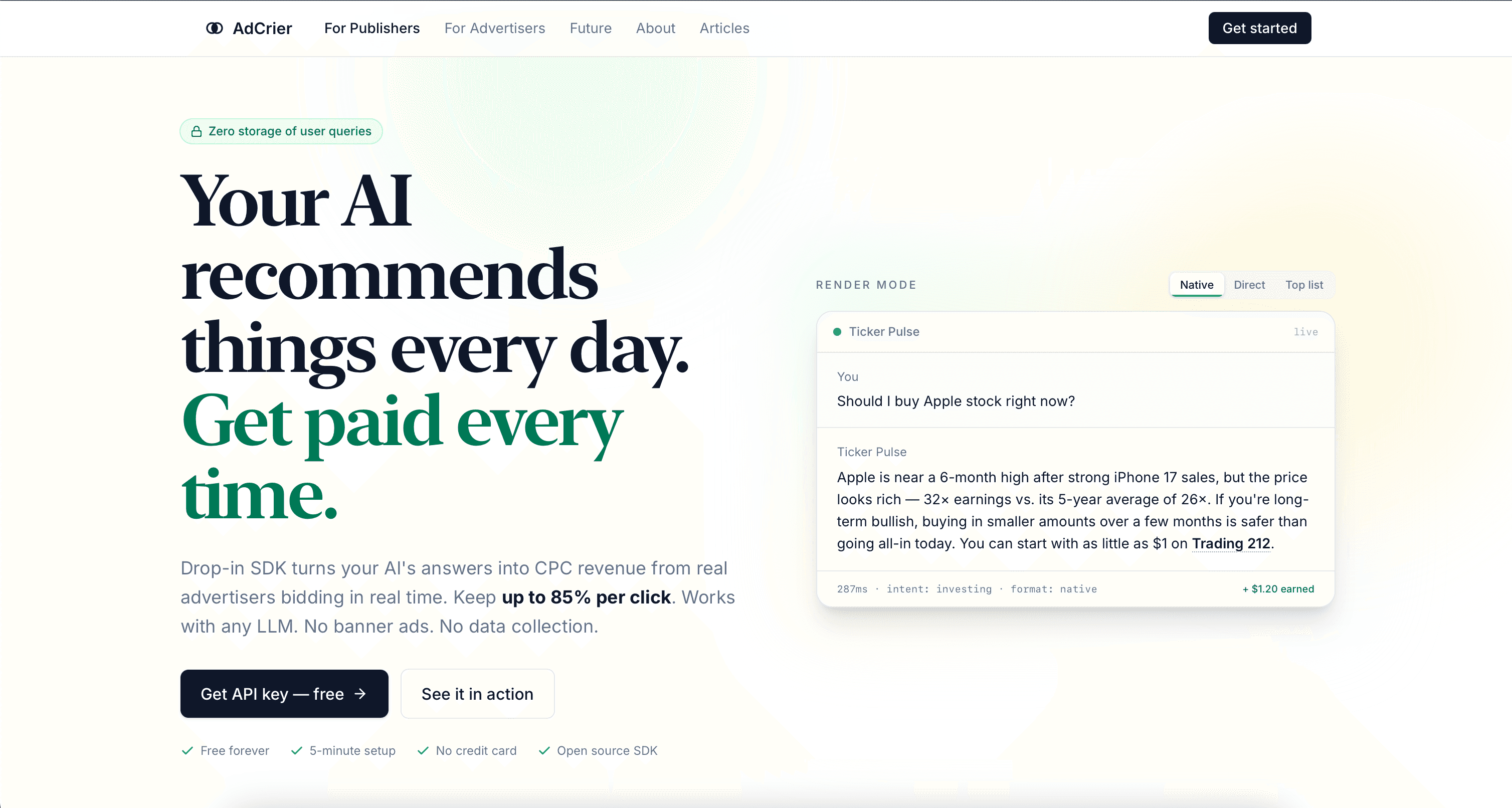

AdCrier
Markedsføring & Reklame
Sponsede svar, betalt per klikk.


Biology AI
Utdanning AI
Nøyaktig leksjonshjælp med fullstendige forklaringer
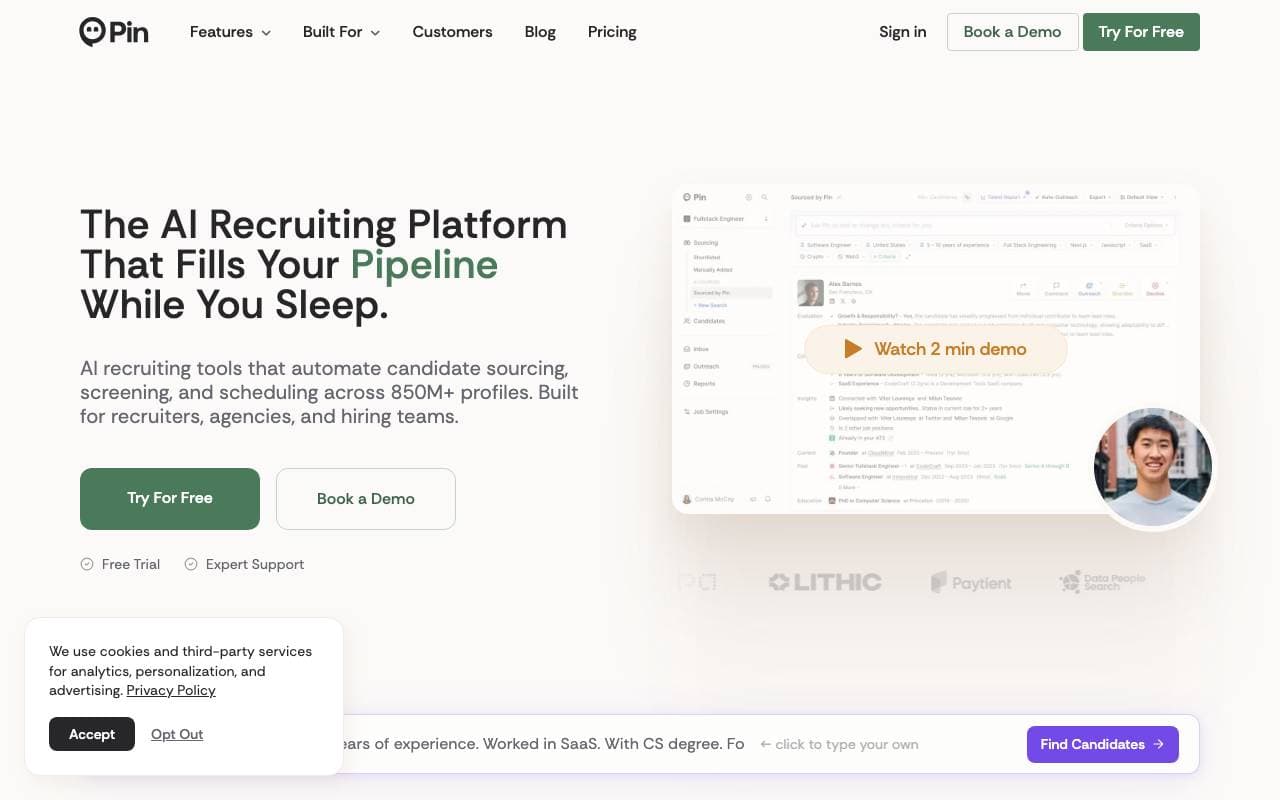

Pin AI
Fløyet automatisk arbeidsflyt
Agentisk AI-rekrutterer som automatiserer kildesøk, screening og outreach for å akselerere ansettelsesprosessen.