
OpenHandsOpen-source platform voor AI-agents die code bouwen, debuggeren en verzenden zoals ontwikkelaars.

Overzicht
Belangrijkste functies
- Autonome codering en debugging agents
- Beveiligde shell en bestandssysteemtoegang
- Webbrowsen en API-interactietools
- Lokale implementatie op basis van Docker
- Ondersteuning voor meerdere LLM-backends
- Webgebaseerde interactieve UI
Prijs
- Model
- Free
- Categorie
- Codeassistent
- Beoordeling
- 4.8 / 5 (6)
Toepassingen
Automatiseer eind-tot-eind coderingstaken
Implementeer AI-agents om code te schrijven, te modificeren en te debuggeren in een project, met uitvoering van shell-opdrachten en tests in een beveiligde omgeving zoals een menselijke ontwikkelaar zou doen.
Zelf-gehoste AI-ontwikkelingsassistent
Run OpenHands lokaal via Docker met uw voorkeurs LLM-backend om code en gegevens in-huis te houden en toch autonome coderingsagents via een web-UI te benutten.
Onderzoek naar agentarchitecturen
Gebruik het flexibele, verwisselbare framework om te experimenteren met aangepaste tools, workflows en LLM-aanbieders voor het bestuderen van autonome software-engineering agents.
CI/CD- en DevOps-automatisering
Integreer agents in ontwikkelingspijplijnen om herhalende coderings-, test- en DevOps-taken te automatiseren, zoals bugfixes, refactoreringen of API-interacties.
Pluspunten & minpunten
Pluspunten
- Volledig open source en zelf-hostbaar
- Ondersteuning voor meerdere LLM-aanbieders
- Actieve community en frequent updates
- Flexibele agent- en toolaanpassing
- Beveiligde uitvoering voor veiligere code-uitvoeringen
Minpunten
- Vereist technische installatie en configuratie
- Gebruik van LLM-API kan duur worden
- Betrouwbaarheid van agents varieert per taakcomplexiteit
- Steilere leercurve dan gehoste alternatieven
Recensies
Gemiddelde van 6 beoordelingen.
Log in om een review te schrijven.
Compared a few options
Evaluated this against two competitors. Where it wins: sandboxed shell and file system access and fully open source and self-hostable. On balance the feature set — especially autonomous coding and debugging agents — justifies the 5 stars for our use case.
Years in this space
I've evaluated a lot of these over the years. What stands out here is sandboxed shell and file system access — handled better than most — and flexible agent and tool customization. Worth the time if this is your use case.
Solid for our team
We rolled this out across the team last quarter and fully open source and self-hostable. Web browsing and API interaction tools fits neatly into how we already work, and docker-based local deployment removed a step we used to do by hand. but it has held up under daily use.
Solid for our team
We rolled this out across the team last quarter and active community and frequent updates. Web browsing and API interaction tools fits neatly into how we already work, and pluggable LLM backend support removed a step we used to do by hand. Steeper learning curve than hosted alternatives, which is the main caveat, but it has held up under daily use.
Does the job
Pretty happy overall. Docker-based local deployment just works and fully open source and self-hostable. but no dealbreakers — I'd recommend it to a friend without hesitating.
Compared a few options
Evaluated this against two competitors. Where it wins: pluggable LLM backend support and supports multiple LLM providers. On balance the feature set — especially autonomous coding and debugging agents — justifies the 5 stars for our use case.
Vragen
What types of teams use OpenHands?
OpenHands is used by platform teams automating engineering workflows at scale, teams building internal developer platforms or AI-powered tooling, and enterprises managing large or legacy codebases and mission-critical software systems.
Asked by Ximenez Alvarado · Jul 7, 2025
Is OpenHands secure for enterprise use?
OpenHands runs in your environment, whether on-prem or private cloud, so your code never leaves your control. Since agents operate inside secure, isolated execution environments with full auditability, it is built for organizations with strict data security, compliance, and governance requirements.
Asked by Zeynep Aydin · Jul 7, 2025
Can OpenHands work with large or legacy codebases?
Yes. OpenHands is specifically designed to handle large, complex, and legacy codebases. With its Large Codebase SDK, it maps dependencies across the system and orchestrates changes in the correct order, allowing multiple agents to safely work in parallel without conflicts.
Asked by Fatima Zahra · Jun 30, 2025
How is OpenHands different from AI coding tools like GitHub Copilot or ChatGPT?
Instead of helping you write code faster, OpenHands helps you ship changes end-to-end. Tools such as GitHub Copilot or ChatGPT generate code suggestions. OpenHands runs agents that complete entire engineering tasks, taking actions across entire codebases, running tasks in parallel, and executing changes in real environments.
Asked by Giulia Conti · Jun 21, 2025
What is OpenHands?
OpenHands is an AI agent platform for software development that can execute real engineering work, not just suggest code. It runs autonomous agents that plan, write, and apply changes across your codebase, helping teams complete complex tasks end-to-end. Built on an open source foundation, it's designed for enterprise software development at scale.
Asked by Henrik Dahl · May 5, 2025
Stel een vraag
Alternatieven voor Codeassistent


Gemini Code Assist
Codeassistent
Google's AI-codering assistent aangedreven door Gemini-modellen voor snellere, slimmere ontwikkeling


Sourcegraph Cody AI
Codeassistent
AICoderingsassistent die uw gehele codebase begrijpt voor contextbewust geholpen


DevArchitect
Codeassistent
AI-ondersteunde coderingspartner voor het plannen, bouwen en verfijnen van softwareprojecten.
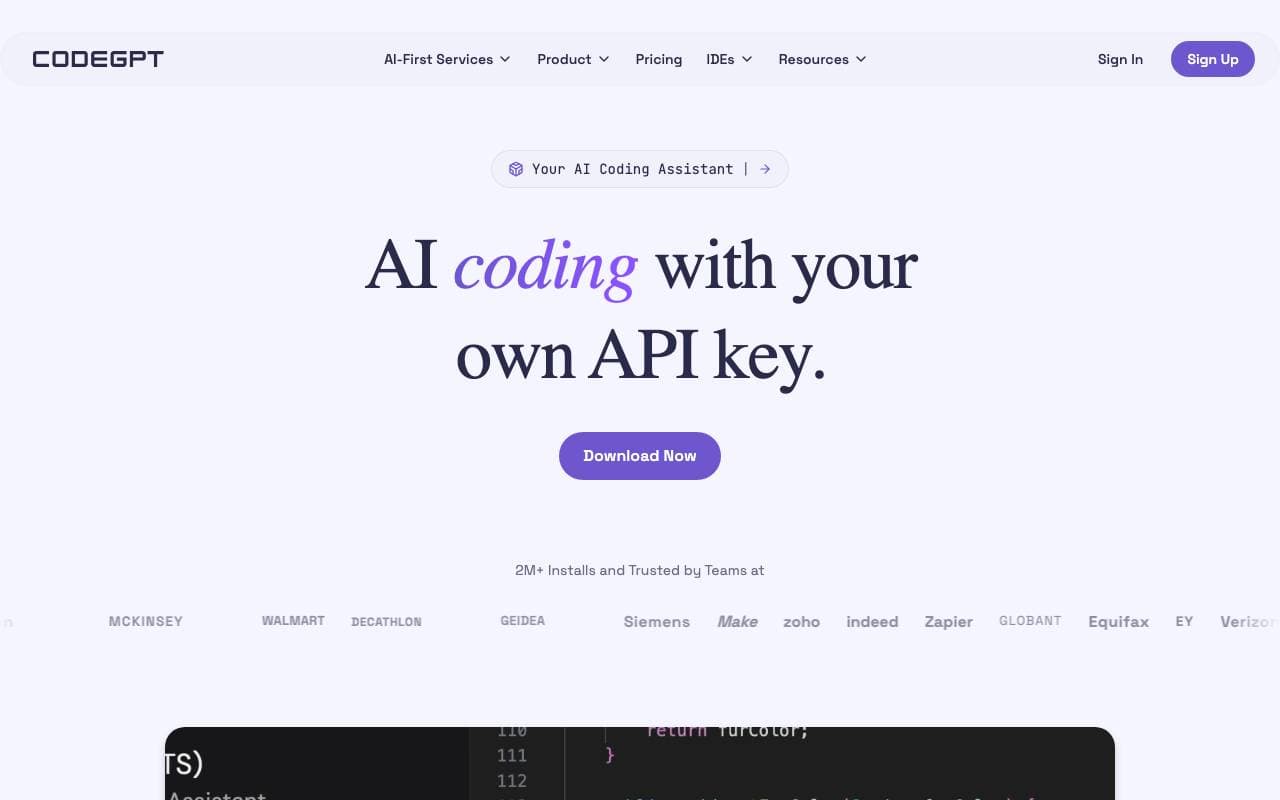

CodeGPT
Codeassistent
Aangepaste AI-coderingsassistent voor generatie, aanvulling en uitleg binnen je IDE
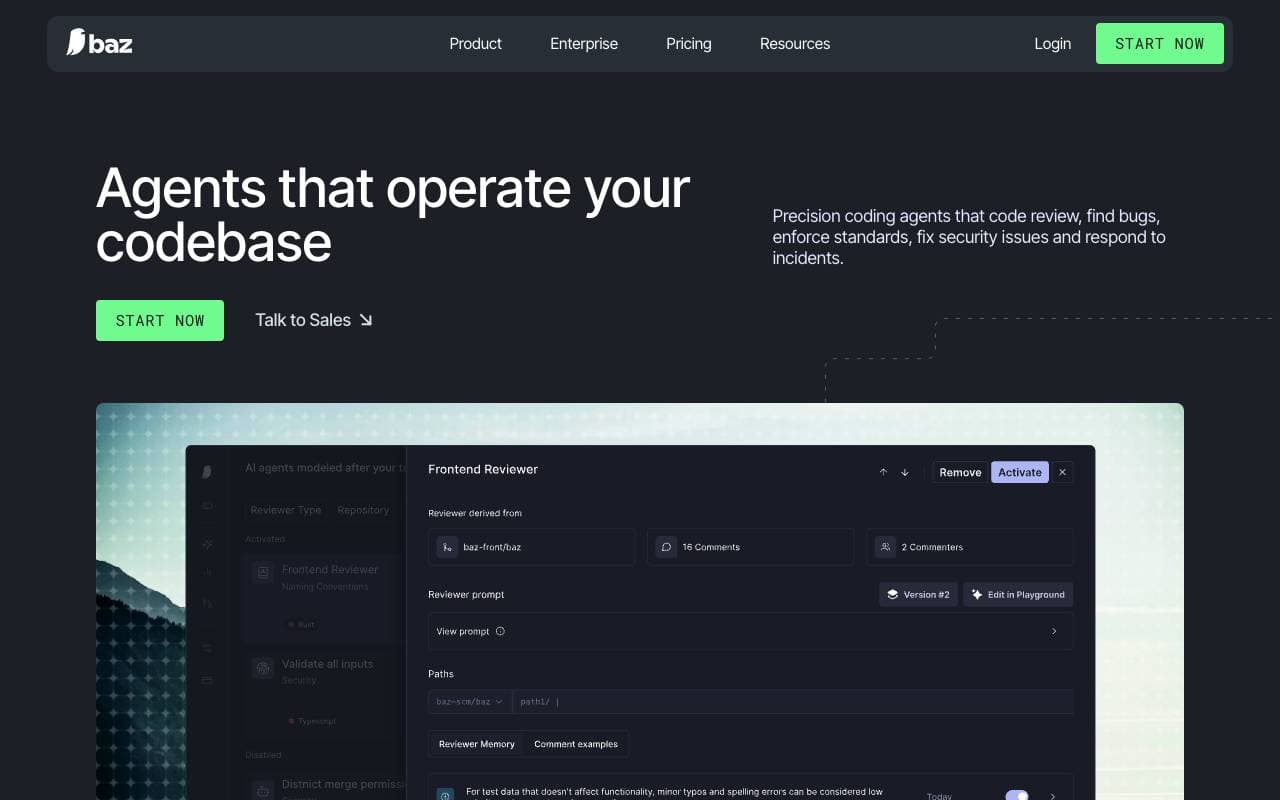

Baz
Codeassistent
AI-code review die bugs, regressies en ontwerpproblemen detecteert als een senior engineer.
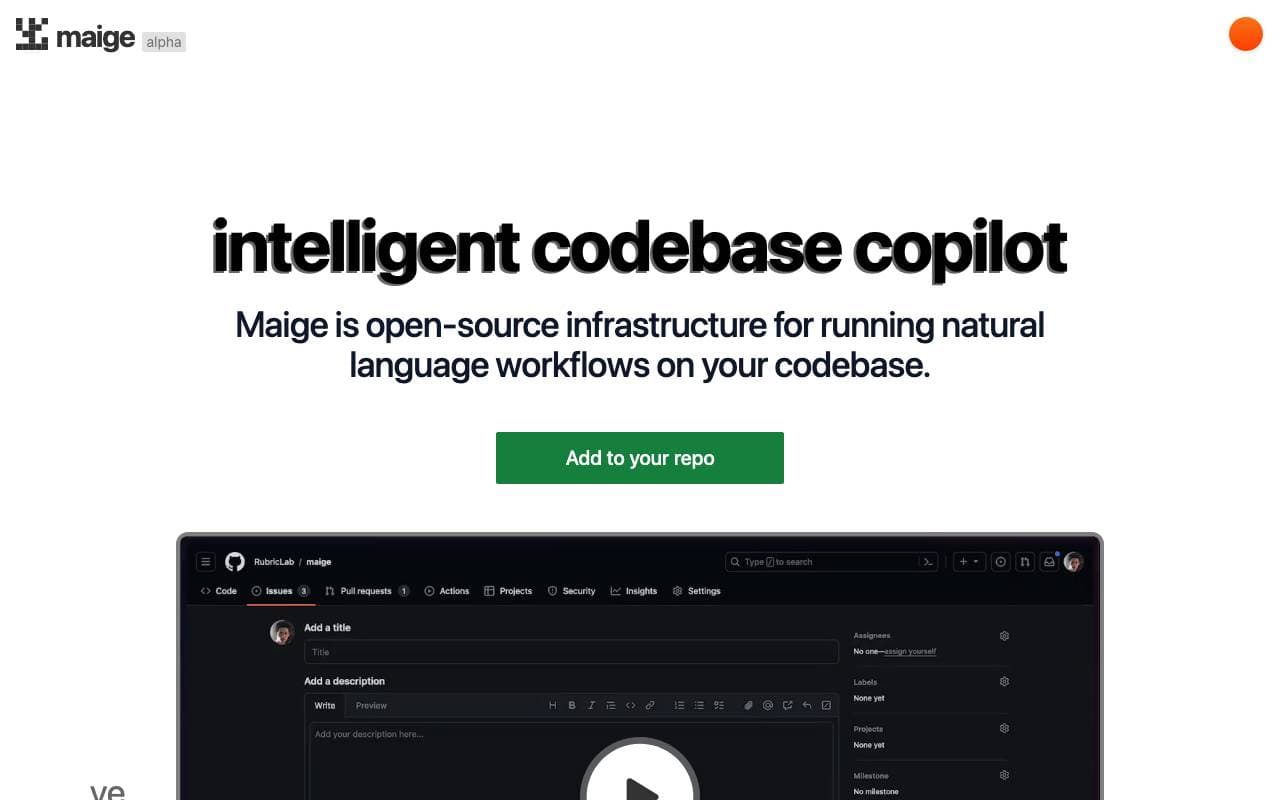

Maige
Codeassistent
Een open-source AI-tool die natuurlijke taalworkflows binnen je codebasis automatiseert, naadloos geïntegreerd met GitHub.


Sweep AI
Codeassistent
Een AI-aangedreven junior ontwikkelaar die bugrapporten en functieaanvragen omzet in codewijzigingen, waardoor het softwareontwikkelingsproces wordt gestroomlijnd.


GPTEngineer
Codeassistent
Zet natuurlijke taal prompts om in werkende code en apps, snel.
Trending now


Reducto AI
Platformen voor ontwikkeling van AI Agents
Document intelligence-API die pdf's, Presentaties en spreadsheets analyseert, splijt en extraheren van complexe gestructureerde gegevens.
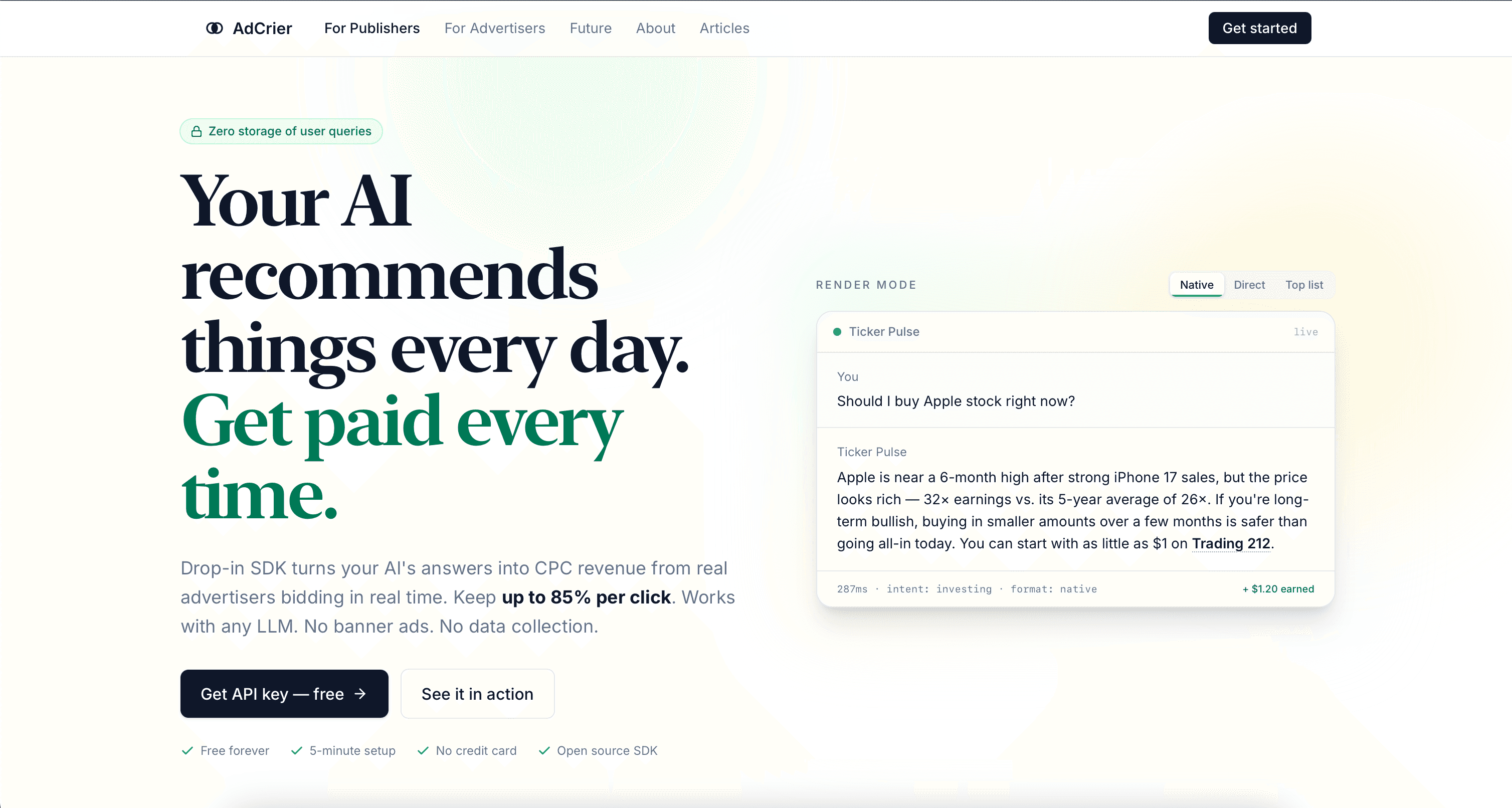

AdCrier
Marketing & Adverteren
Gesponsorde antwoorden, betaald per klik.


Biology AI
Onderwijs AI
Nauwkeurige Huiswerkhulp met Volledige Uitleg
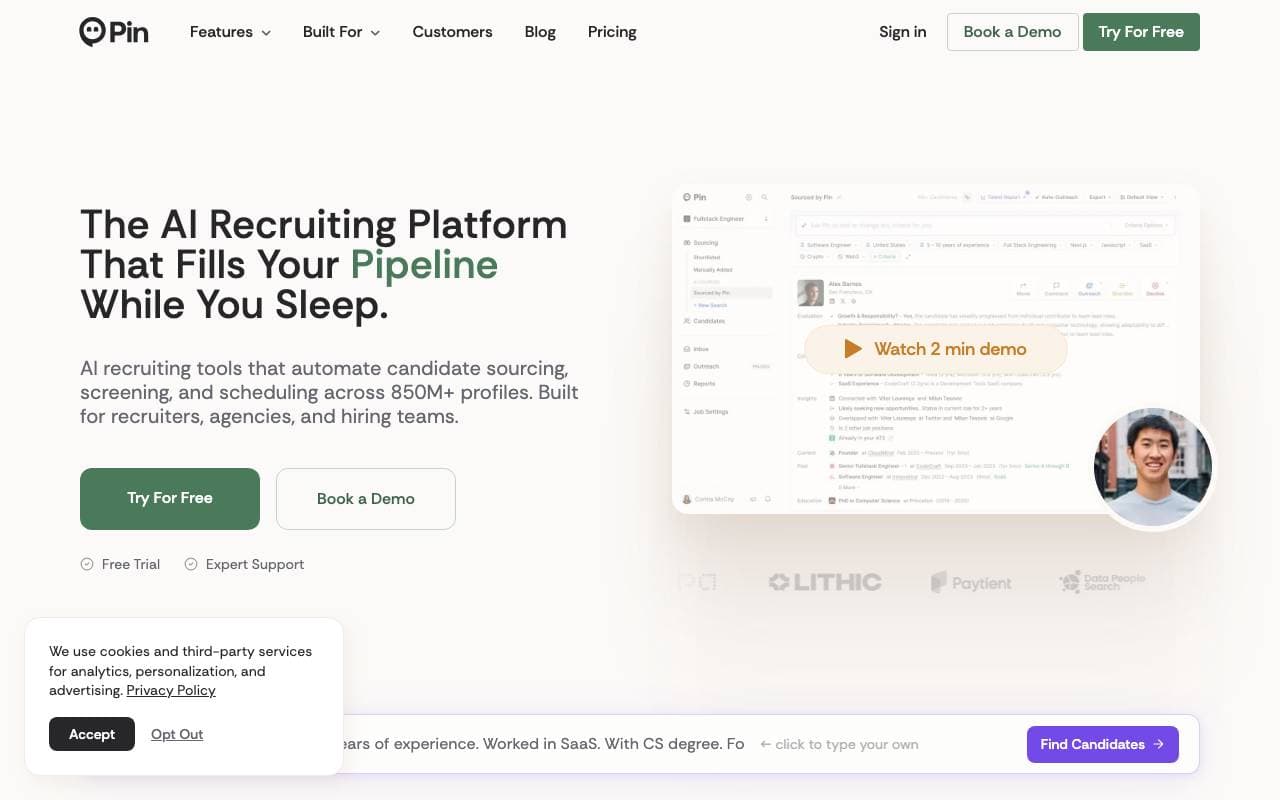

Pin AI
Werkstroom automatisering
AI-recruiter die sourcing, screening en outreach automatiseert om het inhuren te versnellen.