
LangChain AgentOpen-source framework voor het bouwen van LLM-aangedreven applicaties en autonome agents.

Overzicht
Belangrijkste functies
- LLM-agents die tools gebruiken
- Prompt- en ketencompositie
- Geheugen- en statusbeheer
- Integraties met vectorwinkels en APIs
- Ondersteuning voor meerdere LLM-providers
- Streaming en asynchrone uitvoering
Prijs
- Model
- Freemium
- Categorie
- Agent Ontwikkeling
- Beoordeling
- 4.6 / 5 (5)
Toepassingen
Bouw tool-gebruikende autonome agents
Maak LLM-aangedreven agents die redeneren over taken, geschikte tools kiezen en multi-stapp acties uitvoeren zoals het aanroepen van APIs, het opvragen van databases of het zoeken op internet.
Ontwikkel context-bewuste chatbots
Bouw conversationele assistenten met persistent geheugen en statusbeheer die kunnen integreren met vectorwinkels en externe gegevensbronnen voor gefundeerde reacties.
Ondersteun onderzoeksassistenten
Componeer promptketens waarmee een LLM informatie verzamelt uit meerdere bronnen, resultaten redeneert en gestructureerde bevindingen voor de gebruiker synthetiseert.
Automatiseer complexe workflows
Orchestreer multi-stapp LLM-gestuurde workflows over APIs en datasystemen met behulp van modulaire, composeerbare componenten in Python of JavaScript/TypeScript.
Pluspunten & minpunten
Pluspunten
- Sterke ecosysteem en actieve gemeenschap
- Modulaire, composeerbare componenten
- Ondersteunt veel LLM-providers en -tools
- Goed voor complexe multi-stapp workflows
- Beschikbaar in Python en JS/TS
Minpunten
- Steile leercurve voor nieuwkomers
- Frequente API-wijzigingen kunnen code breken
- Abstracties kunnen overhead toevoegen
- Het debuggen van agentgedrag kan lastig zijn
Strijdrecord
Over 2 strijden in het Pantheon.
Last 2 battles
Recensies
Gemiddelde van 5 beoordelingen.
Log in om een review te schrijven.
Use it every day
Honestly didn't expect to like it this much. Streaming and async execution is exactly what I needed, and modular, composable components. but I reach for it almost every day now and it just clicks.
Years in this space
I've evaluated a lot of these over the years. What stands out here is streaming and async execution — handled better than most — and good for complex multi-step workflows. Frequent API changes can break code is my one real gripe. Worth the time if this is your use case.
Solid for our team
We rolled this out across the team last quarter and strong ecosystem and active community. Tool-using LLM agents fits neatly into how we already work, and integrations with vector stores and APIs removed a step we used to do by hand. but it has held up under daily use.
Does the job
Pretty happy overall. Support for multiple LLM providers just works and modular, composable components. but no dealbreakers — I'd recommend it to a friend without hesitating.

Solid for our team
We rolled this out across the team last quarter and available in Python and JS/TS. Support for multiple LLM providers fits neatly into how we already work, and tool-using LLM agents removed a step we used to do by hand. Frequent API changes can break code, which is the main caveat, but it has held up under daily use.
Vragen
What does uptime mean for LangSmith Deployment usage?
Uptime is the duration your deployment’s database is live and persisting state. Uptime will be tracked as soon as your deployment is live and ends when you shut it down. Dev agent deployments are typically short-lived (used during iteration, then deleted) – whereas Production agent deployments stay live and are updated via revisions (rather than being deleted).
Asked by Nadia Benali · May 31, 2026
Does LangSmith Deployment include any free deployments?
Plus plans include 1 free small serverless deployment. If you spin up additional serverless or dedicated deployments, you’ll be charged on usage (resource time).
Asked by Hannah Goldberg · May 31, 2026
Why would I upgrade a base trace to an extended trace?
Base traces are short-lived (14-day retention) and ideal for quick debugging or ad-hoc analysis. They’re priced for volume and short-term utility. Extended traces are retained for 400 days. This is useful when traces include valuable feedback associated with them, such as from users, evaluators, or human labelers. This feedback makes them valuable for ongoing improvement and model tuning. LangSmith lets you choose the right retention for each trace, helping you balance cost and value.
Asked by Paloma Ruiz · May 29, 2026
What is the difference between a base trace and an extended trace?
Base traces have a shorter retention period of 14 days. Extended traces have a longer retention period of 400 days. You can "upgrade" base traces to extended traces for an additional fee.
Asked by Noor Siddiqui · May 23, 2026
What is a trace? Can it contain multiple events?
A trace represents a single execution of your application—whether it’s an agent, evaluator, or playground session. It can include many individual steps, such as LLM calls and other tracked events. Here's an example of a single trace.
Asked by Lena Fischer · May 8, 2026
Stel een vraag
Alternatieven voor Agent Ontwikkeling
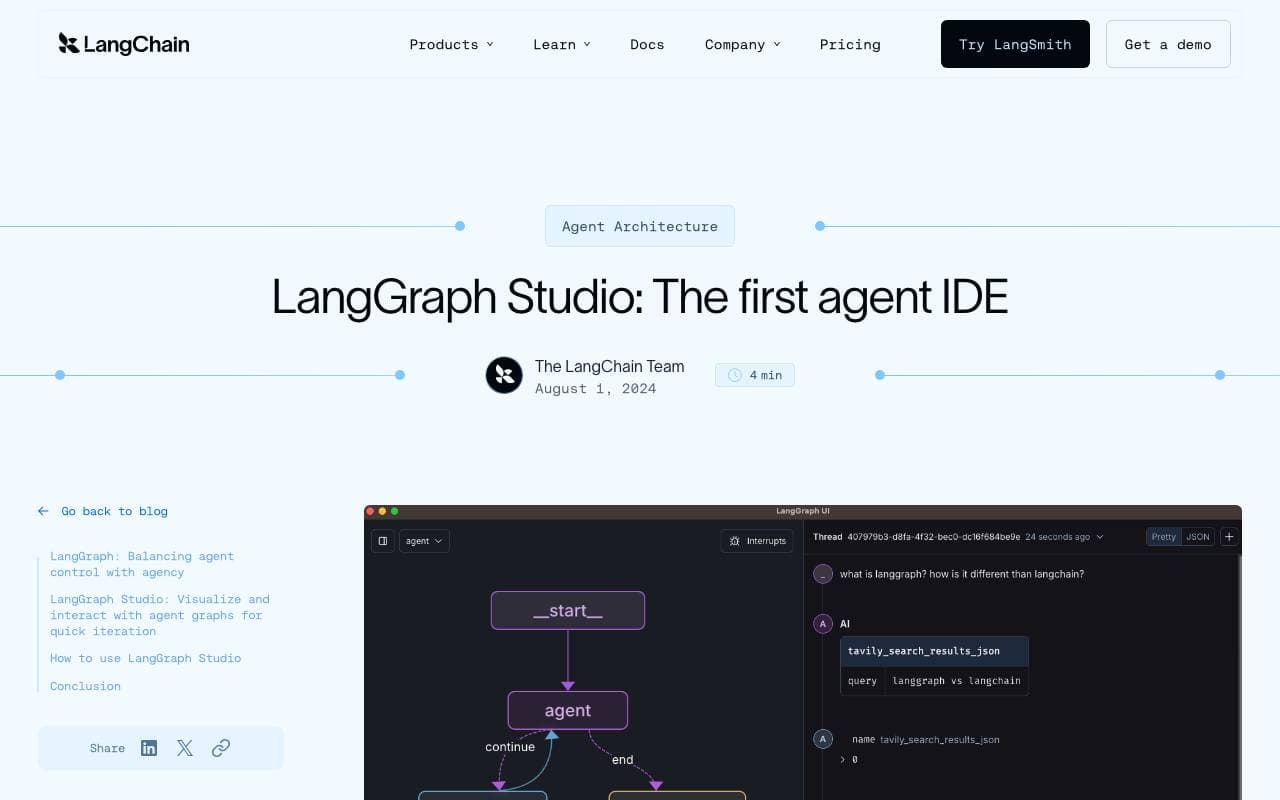

LangGraph Studio
Agent Ontwikkeling
Visuele IDE voor het bouwen, debuggen en inspecteren van LangGraph-agentworkflows

BrainSoup
Agent Ontwikkeling
Maak op maat gemaakte AI-agenten die taken en workflows automatiseren via natuurlijke taal.


Letta AI
Agent Ontwikkeling
Een open-sourceplatform voor het bouwen van stateful AI-agenten met langetermijngeheugen en geavanceerd redeneren.


Snorkel Flow
Agent Ontwikkeling
Programmeren van gegevensetikettering en AI-onwikkelingsplatform om productiemodellen sneller te ontwikkelen.

NetX
Agent Ontwikkeling
Modulair economisch netwerk dat blockchain-infrastructuur combineert met AI-mogelijkheden.


Theoriq AI
Agent Ontwikkeling
Gedecentraliseerd protocol voor het bouwen en besturen van multi-agent AI-systemen on-chain
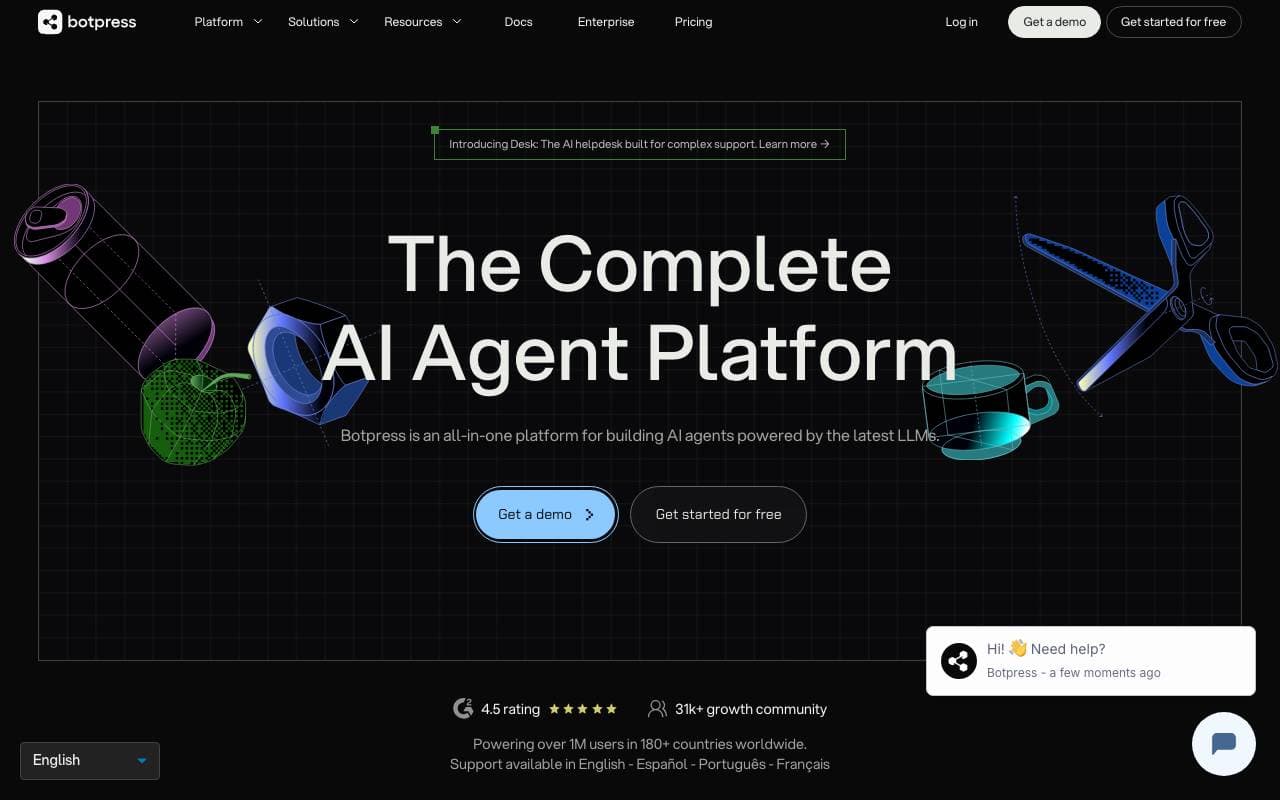

Botpress
Agent Ontwikkeling
End-to-end platform voor het bouwen, implementeren en beheren van AI agents en chatbots.
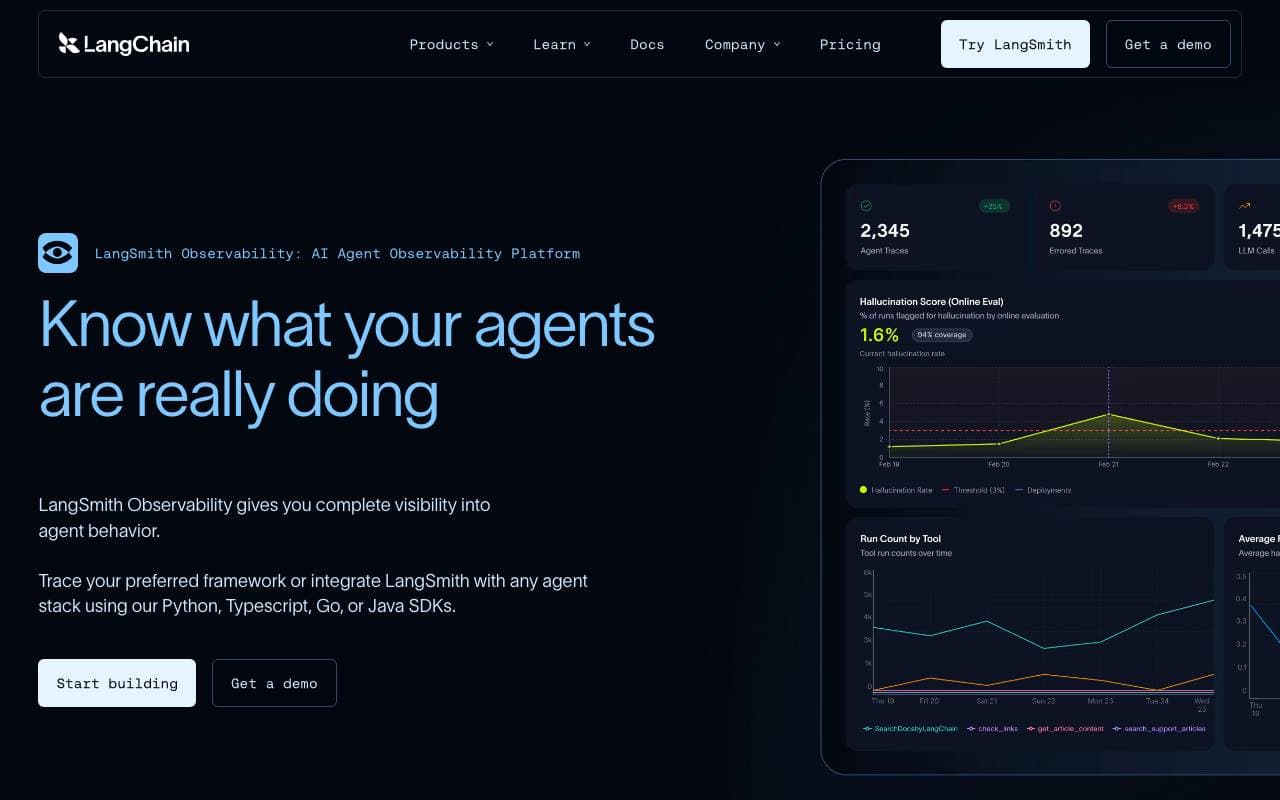

LangSmith
Agent Ontwikkeling
Observability-, evaluatie- en debugplatform voor LLM-toepassingen van het LangChain-team
Trending now


Reducto AI
Platformen voor ontwikkeling van AI Agents
Document intelligence-API die pdf's, Presentaties en spreadsheets analyseert, splijt en extraheren van complexe gestructureerde gegevens.
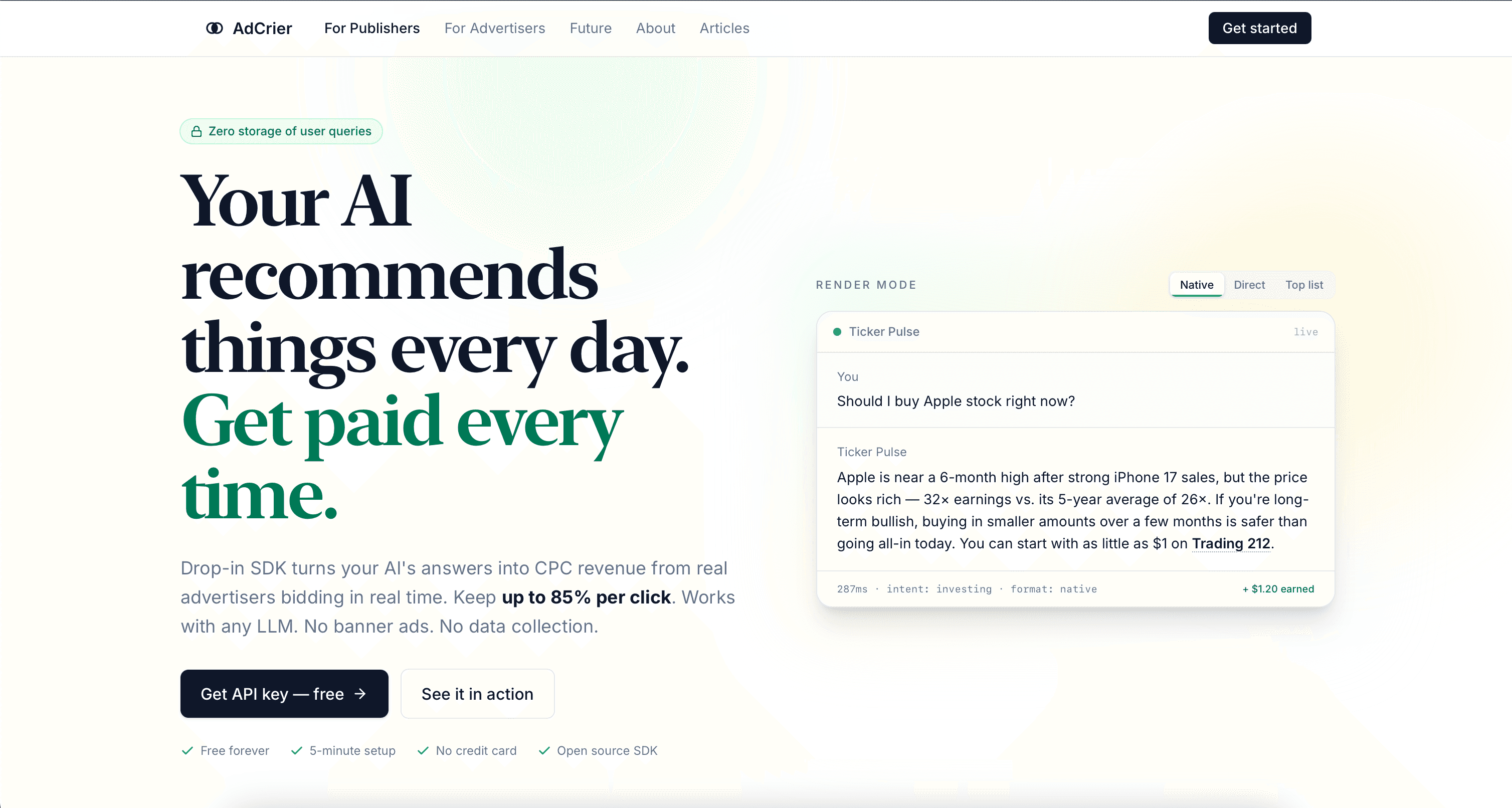

AdCrier
Marketing & Adverteren
Gesponsorde antwoorden, betaald per klik.


Biology AI
Onderwijs AI
Nauwkeurige Huiswerkhulp met Volledige Uitleg


Pixtral 12B 24.09
LLM (Langueges Model)
Open multimodaal 12B-model dat afgewisselde afbeeldingen en tekst met een 128K contextvenster verwerkt.