
DeepgramSpeech-to-text en text-to-speech API's voor het bouwen van real-time stemtoepassingen.

Overzicht
Belangrijkste functies
- Real-time streaming speech-to-text
- Neurale text-to-speech stemmen
- Sprekerdiarizatie en woord-niveau tijdstempels
- Aangepaste model fine-tuning
- Audio‑intelligentie (sentiment, onderwerpen, samenvatting)
- REST en WebSocket API’s met multi‑taal SDK’s
Prijs
- Model
- Freemium
- Categorie
- Gespreksherkenning
- Beoordeling
- 4.6 / 5 (5)
Toepassingen
Live ondertiteling voor streams en evenementen
Gebruik real-time streaming transcriptie om low‑latency ondertitels te genereren voor live uitzendingen, webinars en virtuele evenementen in meerdere talen en accenten.
Callcenter-analyse
Transcribeer klantgesprekken met sprekerdiarizatie en pas sentiment-, onderwerp- en samenvattingsfuncties toe om inzichten te verkrijgen en de prestaties van agenten te verbeteren.
Voice assistants en conversational agents
Combineer streaming speech-to-text met neurale text-to-speech stemmen om responsieve voice bots en conversatie‑AI‑agenten met natuurlijke dialoog te poweren.
Domein-specifieke transcriptie
Fine-tune aangepaste modellen op vaktaal — zoals medische, juridische of technische termen — om een hogere transcriptienauwkeurigheid te bereiken voor gespecialiseerde workflows.
Pluspunten & minpunten
Pluspunten
- Snel, low‑latency streaming transcriptie
- Ondersteuning voor veel talen en accenten
- Aangepaste modeltraining voor domeinspecifieke nauwkeurigheid
- Developer‑vriendelijke API’s en SDK’s
- Schaalt voor hoge-volume enterprise workloads
Minpunten
- Vereist technische expertise om te integreren
- Prijs kan groeien met zwaar gebruik
- Sommige geavanceerde functies beperkt tot hogere tiers
- Nauwkeurigheid in niet‑Engelstalige talen varieert per taal
Strijdrecord
Over 2 strijden in het Pantheon.
Last 2 battles
Recensies
Gemiddelde van 5 beoordelingen.
Log in om een review te schrijven.

Use it every day
Honestly didn't expect to like it this much. Speaker diarization and word-level timestamps is exactly what I needed, and fast, low-latency streaming transcription. I do wish some advanced features limited to higher tiers, but I reach for it almost every day now and it just clicks.

Compared a few options
Evaluated this against two competitors. Where it wins: custom model fine-tuning and supports many languages and accents. Where it lags: some advanced features limited to higher tiers. On balance the feature set — especially speaker diarization and word-level timestamps — justifies the 5 stars for our use case.
Solid for our team
We rolled this out across the team last quarter and fast, low-latency streaming transcription. Custom model fine-tuning fits neatly into how we already work, and custom model fine-tuning removed a step we used to do by hand. but it has held up under daily use.

Use it every day
Honestly didn't expect to like it this much. REST and WebSocket APIs with multi-language SDKs is exactly what I needed, and custom model training for domain-specific accuracy. I do wish requires technical expertise to integrate, but I reach for it almost every day now and it just clicks.

Compared a few options
Evaluated this against two competitors. Where it wins: audio intelligence (sentiment, topics, summarization) and scales for high-volume enterprise workloads. Where it lags: non-English accuracy varies by language. On balance the feature set — especially speaker diarization and word-level timestamps — justifies the 5 stars for our use case.
Vragen
What are the latency characteristics for Deepgram’s streaming transcription?
Deepgram is designed for low‑latency streaming, delivering transcripts in near‑real time (typically under a few hundred milliseconds) which makes it suitable for live captioning, voice assistants, and call analytics.
Asked by Liam O’Connor · Jul 28, 2025
Can I train a custom model to improve accuracy for my domain‑specific vocabulary?
Yes. Deepgram’s custom model fine‑tuning lets you upload domain‑specific audio/text data to create a tailored model, boosting accuracy for specialized terminology or accents. This feature is available on higher‑tier plans.
Asked by Dalia Haddad · Jun 23, 2025
What integration options does Deepgram provide for developers building voice applications?
Deepgram offers REST and WebSocket APIs plus multi‑language SDKs (e.g., Python, JavaScript, Go) that support real‑time streaming, batch jobs, and voice agent workflows. The unified Voice Agent API also bundles transcription, TTS, and LLM orchestration, simplifying integration.
Asked by Farah Rahimi · May 2, 2025
How is Deepgram priced for real‑time transcription and TTS, and does usage affect cost?
Deepgram uses a usage‑based pricing model where you pay per minute of audio processed for both speech‑to‑text and text‑to‑speech. Real‑time streaming incurs higher rates than batch processing, and heavy usage can increase costs, so budgeting for high‑volume workloads is important.
Asked by Ingrid Bauer · Apr 14, 2025
Stel een vraag
Alternatieven voor Gespreksherkenning
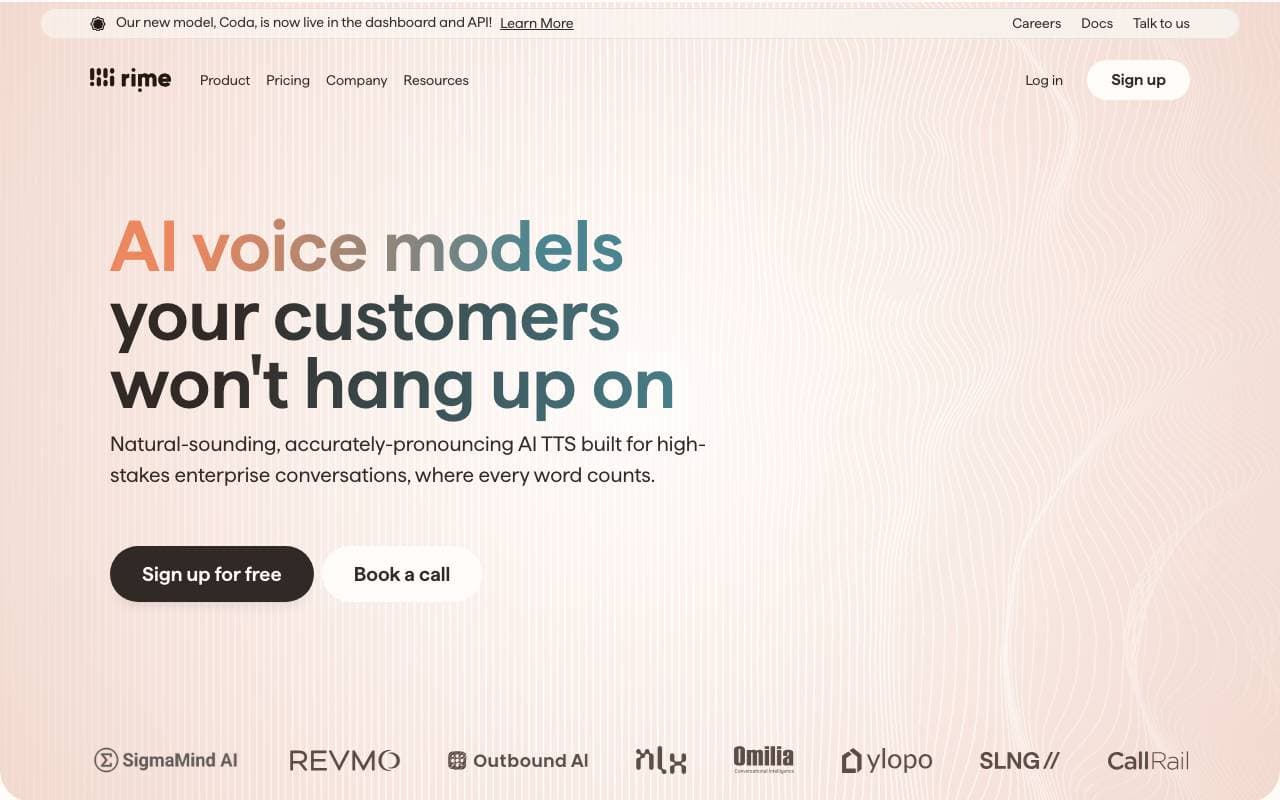
 RimeGespreksherkenning
Mensachtige AI-stemmen gebouwd voor realtime klantgesprekken

 AITernetGespreksherkenning
Een spraakgestuurde AI-browser die gebruikerscommando's uitvoert door webinteracties te automatiseren.
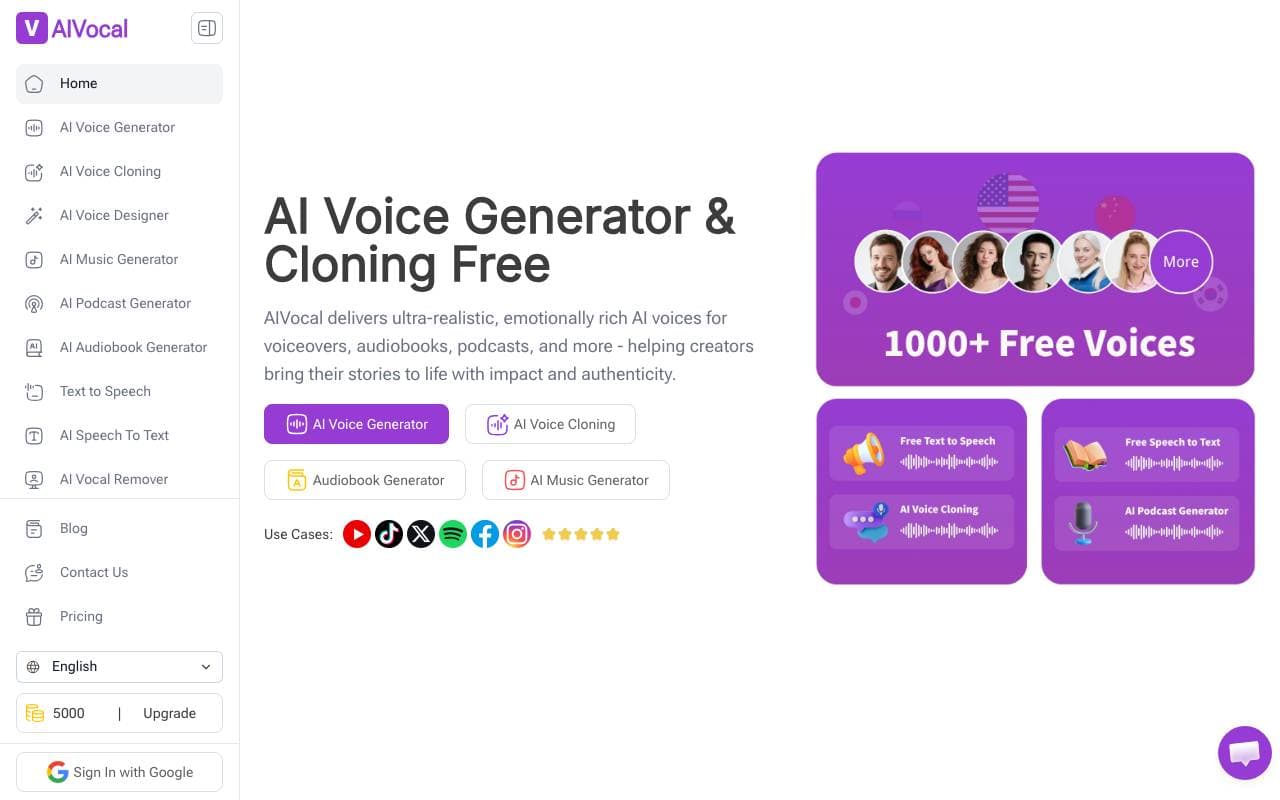
 AIVocalGespreksherkenning
All-in-one AI vocal assistant voor het genereren, bewerken en verbeteren van vocale audio.
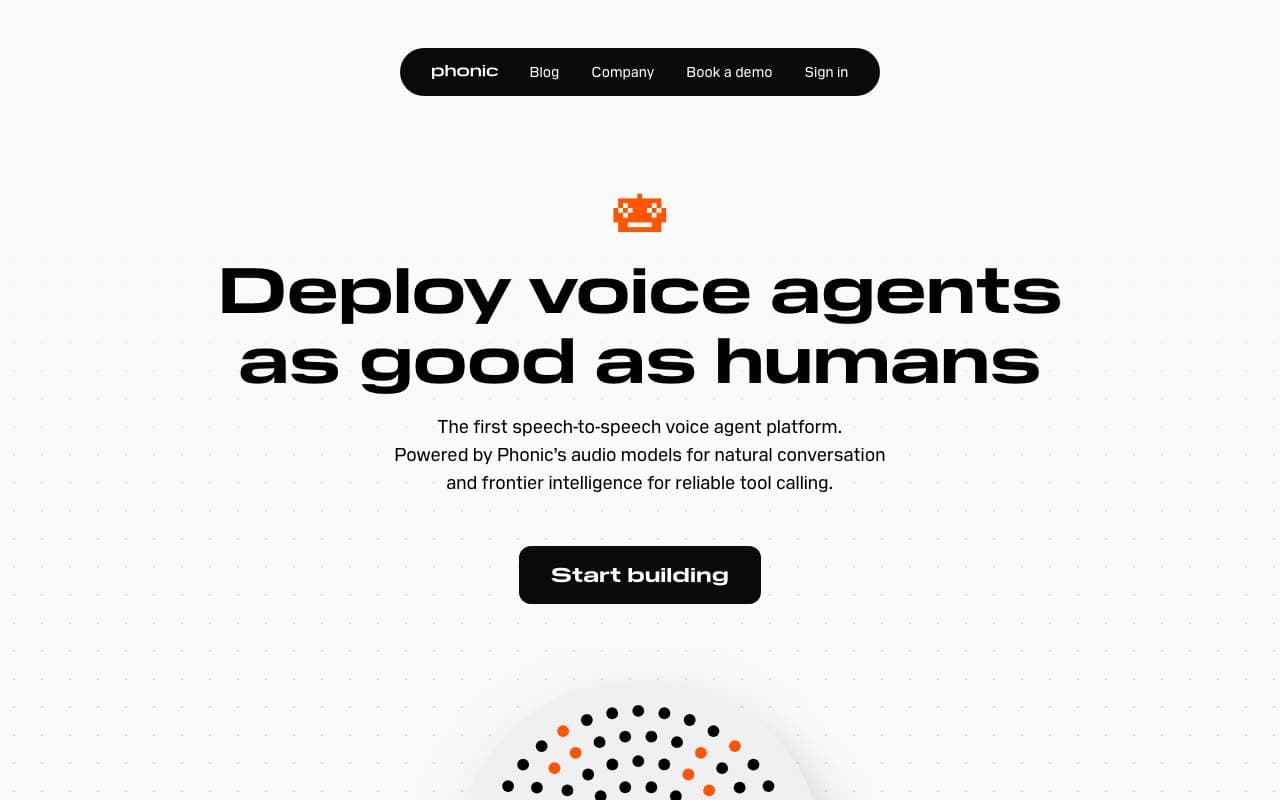
 PhonicGespreksherkenning
End-to-end platform voor het bouwen van levensechte, betrouwbare voice AI-agents.

 Read PDF AloudGespreksherkenning
Maak van PDFs natuurlijk klinkende audio met AI-stemmen voor handsfree lezen.
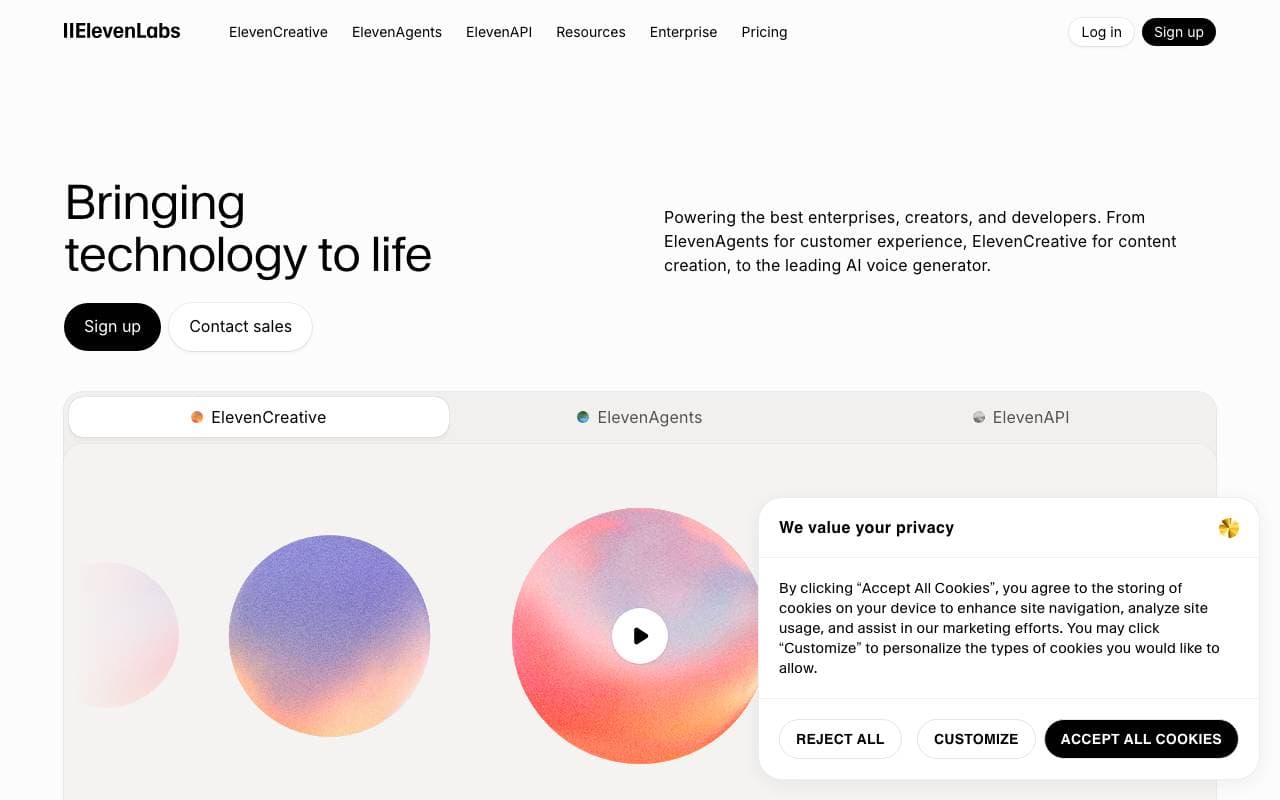
 ElevenLabsGespreksherkenning
Levendige AI tekst-naar-spraak en stemklonering in tientallen talen.
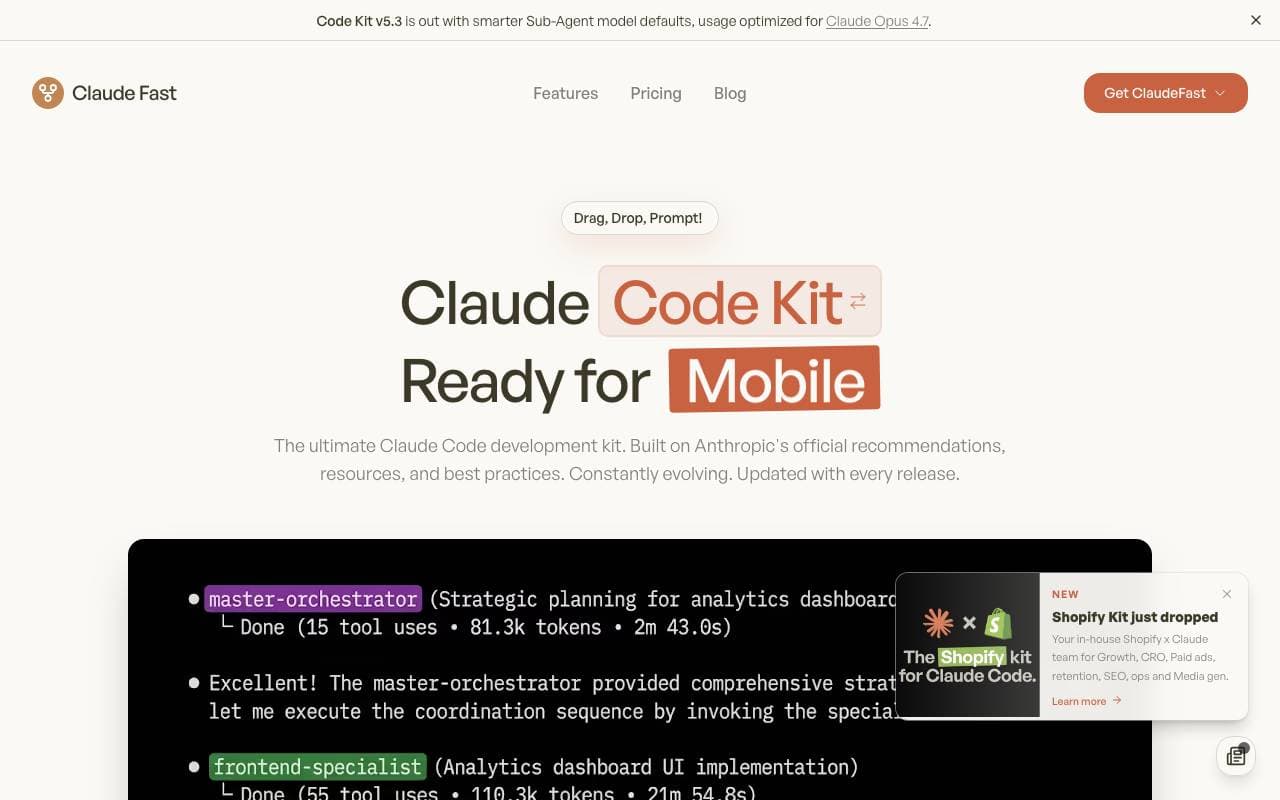
 ClaudefastGespreksherkenning
Vooraf gebouwde Claude Code-sets om configuratie te overslaan en sneller op te leveren.
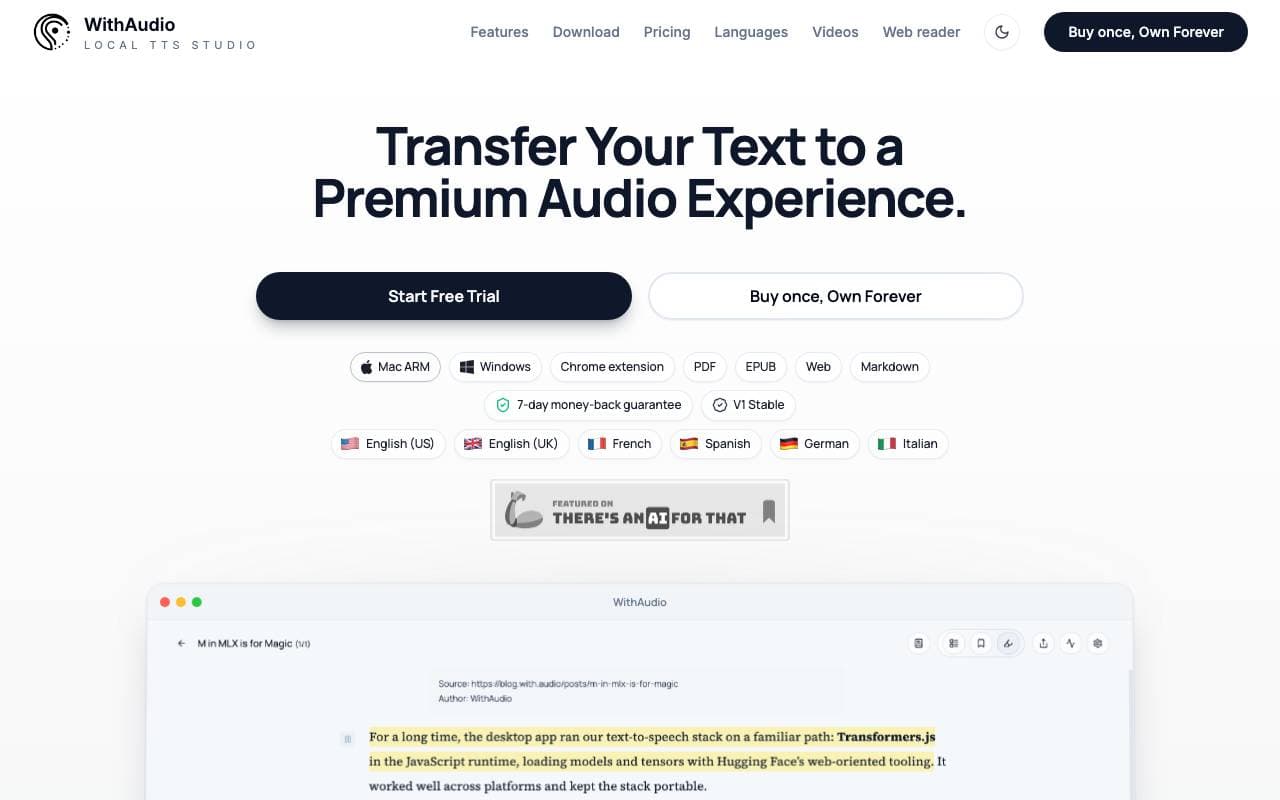
 WithAudioGespreksherkenning
Eenmalige aanschaf tekst-naar-spraak lezer voor Mac en Windows met natuurlijke AI stemmen.
Trending now

 Reducto AIPlatformen voor ontwikkeling van AI Agents
Document intelligence-API die pdf's, Presentaties en spreadsheets analyseert, splijt en extraheren van complexe gestructureerde gegevens.
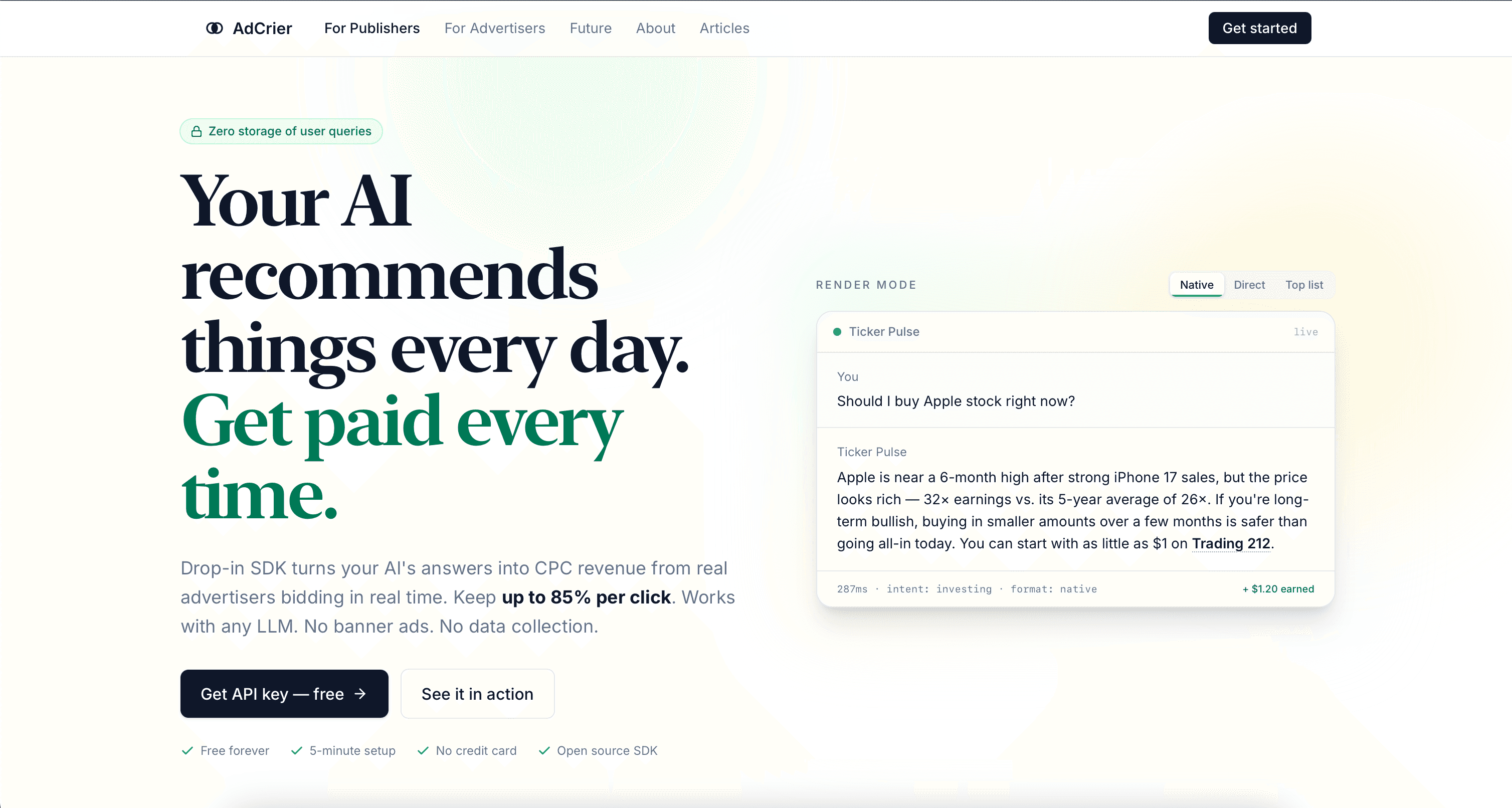
 AdCrierMarketing & Adverteren
Gesponsorde antwoorden, betaald per klik.

 Biology AIOnderwijs AI
Nauwkeurige Huiswerkhulp met Volledige Uitleg

 Pixtral 12B 24.09LLM (Langueges Model)
Open multimodaal 12B-model dat afgewisselde afbeeldingen en tekst met een 128K contextvenster verwerkt.