
smolagentsHugging Face smolagents - minimalistus Python biblioteka, kuria naudojant pusę eilučių sukuriama kodas pirmiems AI agentams

Apžvalga
Pagrindinės funkcijos
- CodeAgent, kuris rašo ir vykdą Python kodą, kad atliektų užduočių
- Svietųjai Hugging Face, OpenAI, Anthropic ir lokaliniams modeliams
- Izoliuotųjų programų egiželę su E2B ir Docker pagrindu
- Patikšinimosi su Hub, LangChain ir specializuotomis Python funkcijomis
- Įrankio suintegruotuoju ToolCallingAgent dėl tradicinės JSON stiliaus įrankio naudojimo
- Lengviai atliekanči, mažai priklausomu nuo kitų reikalingų komponentų projekte
Kainos
- Modelis
- Free
- Kategorija
- Prieigų prie žmogų agentų karkasai
- Įvertinimas
- 5.0 / 5 (4)
Naudojimo atvejai
Greitai sukuriai kodinę pirmįs AI agentus
Programuotojai gali sukurti agentus, vykdančius užduotis naudojant Python kodą. Tai sumažina priemonės skaičių prieš atlikti tikslą.
Veikiajai su bet kurimi LLM tiegioginiais
Prototipininkai gali bandyti agentus, kurie naudoja Hugging Face Hub modelis, lokalines inferencio serviseis, arba tiekius tiešojo ataskaitų API kaip OpenAI ir Anthropic be pakeitimo rėvo specifikacijų.
Saugi vykdymas pagrįstu E2B ir Docker
Naudokite E2B arba Docker sąrankinio pagrindo vykdymą, kuriuo programos, sukurtos agentais, vykdys iršiaus visuotine aplinkose.
Įsijungti išmanius įrankių ekosistemų
Jau esančius Python funkcijas kombinavokite su Hub Sferomis ir LangChain įrankiais, kad papildytum agentų galimybes ir paprastumą kodinėje bazėje išlaikytumėte.
Privalumai ir trūkumai
Privalumai
- Mažos ir paprastos kodinės bazės, kuria paprasta papildyti
- Kodinės veiksmų priemonės sumažina laiką ir padidinti agentų išraišką
- Veikia daugelio LLM tiesioginių ir lokalinių modelių
- Saugi sąrankinis vykdymas per E2B arba Docker pagrindu
- Bevykos sąlajų ir kompleksų priemonės
Trūkumai
- Sutruktūrine išraiška, jei nori naudojimo efektivią naudojimą reikia yra turėti Python matėjų sąziningumas
- Mažesni integravimo tiekianti nei didesni agentų rėviai
- Kodinio vykdymo priemones priveda prie saugumo suvokiamų klausimų
- Mažesnis priklausomas nuo švarios komponentų ir kuriamos kompleksų multi-agentų sistemos
Atsiliepimai
Vidurkis iš 4 įvertinimų.
Prisijunk, kad paliktum atsiliepimą.
Use it every day
Honestly didn't expect to like it this much. Tool integration with Hub, LangChain, and custom Python functions is exactly what I needed, and code-based actions reduce steps and boost agent expressiveness. I do wish requires Python knowledge to use effectively, but I reach for it almost every day now and it just clicks.
Does the job
Pretty happy overall. Tool integration with Hub, LangChain, and custom Python functions just works and very small, readable codebase that is easy to extend. Code execution introduces security considerations to manage can be annoying, but no dealbreakers — I'd recommend it to a friend without hesitating.

Does the job
Pretty happy overall. Sandboxed code execution with E2B and Docker backends just works and sandboxed execution via E2B or Docker for safer code running. but no dealbreakers — I'd recommend it to a friend without hesitating.
Skeptical, then convinced
I went in skeptical — most tools in this space overpromise. It actually delivers on codeAgent that writes and executes Python to solve tasks, and code-based actions reduce steps and boost agent expressiveness caught me off guard. still, I'd recommend giving it a real trial.
Klausimai
How strong are open models for agentic workflows?
We've created CodeAgent instances with some leading models, and compared them on this benchmark that gathers questions from a few different benchmarks to propose a varied blend of challenges. Find the benchmarking code here for more detail on the agentic setup used, and see a comparison of using LLMs code agents compared to vanilla (spoilers: code agents works better). This comparison shows that open-source models can now take on the best closed models!
Asked by Diego Fernández · Feb 16, 2026
How smol is this library?
We strived to keep abstractions to a strict minimum: the main code in agents.py has <1,000 lines of code. Still, we implement several types of agents: CodeAgent writes its actions as Python code snippets, and the more classic ToolCallingAgent leverages built-in tool calling methods. We also have multi-agent hierarchies, import from tool collections, remote code execution, vision models... By the way, why use a framework at all? Well, because a big part of this stuff is non-trivial. For instance, the code agent has to keep a consistent format for code throughout its system prompt, its parser, the execution. So our framework handles this complexity for you. But of course we still encourage you to hack into the source code and use only the bits that you need, to the exclusion of everything else!
Asked by Ludovic Girard · Nov 27, 2025
How do Code agents work?
Our CodeAgent works mostly like classical ReAct agents - the exception being that the LLM engine writes its actions as Python code snippets. Actions are now Python code snippets. Hence, tool calls will be performed as Python function calls. For instance, here is how the agent can perform web search over several websites in one single action: Writing actions as code snippets is demonstrated to work better than the current industry practice of letting the LLM output a dictionary of the tools it wants to call: uses 30% fewer steps (thus 30% fewer LLM calls) and reaches higher performance on difficult benchmarks. Head to our high-level intro to agents to learn more on that. Since code execution can be a serious security concern (arbitrary code execution!), you should run agent code in a sandbox. We support several options: E2B, Blaxel, Modal — managed cloud sandboxes, simplest to set up Docker — self-hosted container isolation The built-in LocalPythonExecutor is not a security sandbox. It applies some restrictions but can be bypassed and must not be used as a security boundary. Alongside CodeAgent, we also provide the standard ToolCallingAgent which writes actions as JSON/text blobs. You can pick whichever style best suits your use case.
Asked by Greta Nowak · Oct 31, 2025
Užduoti klausimą
Prieigų prie žmogų agentų karkasai alternatyvos


Mini LLM Flow
Prieigų prie žmogų agentų karkasai
Minimalistikais 100-ruožainis LLM sukūrimo frameworks, skirtas agentų darbų tvarkyklių kūrimui
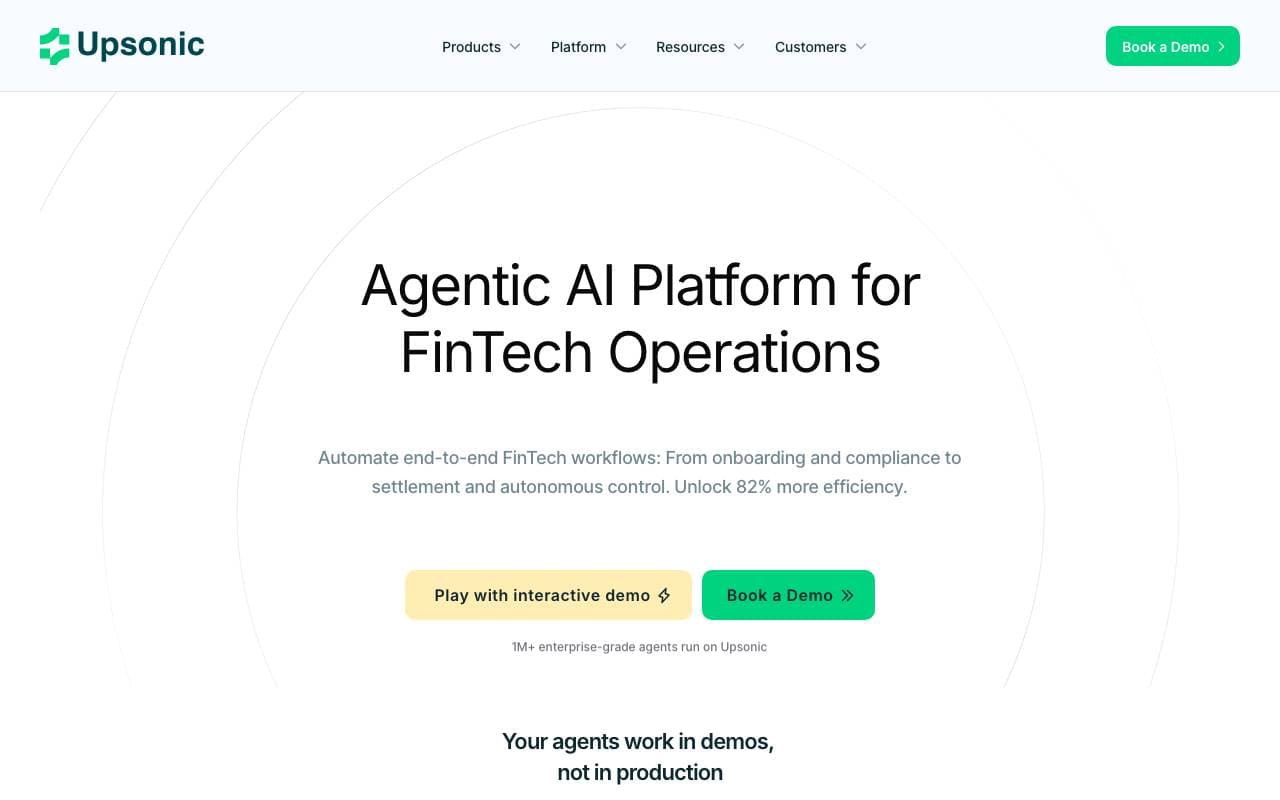

upsonicAI
Prieigų prie žmogų agentų karkasai
Atvirojo kūrėjo agentų frameworkas užtinkamumas statyti užduotiesorientuotų digitalų darbininkus ir vertikalusius AI agentus.


AI-Powered RAG Workflow for n8n
Prieigų prie žmogų agentų karkasai
Klausykite klausimus ir atsakykite su užimamais Jūsų Google Dokumentų failų duomenimis naudojantis n8n.


ControlFlow
Prieigų prie žmogų agentų karkasai
Python frameworkas agentei AI srautus su užduočių centrine architektūra


roboneo art
Prieigų prie žmogų agentų karkasai
Tekstinio pritiksliai generuojantis AI mokslinis šviesų kūrėjas, priverčiantis žemesnio laiko juodus vaizdus.

Agent Genesis
Prieigų prie žmogų agentų karkasai
Atviri, kopijuokite-peseite sąskaitas kodas, skirtas greitam AI agentų sukurimui.


Eclat Institute
Prieigų prie žmogų agentų karkasai
IP ir JC mokymų pagrindinė svarba – ilgainiui išsaugotos disciplinos išmokymas


Remove Watermark
Prieigų prie žmogų agentų karkasai
Neribotinis AI taikinys užkelti vandens ženklus bei logus iš nuotraukų
Trending now


Reducto AI
Intelektualiosioms Agentųsių Plataformos sukurimo
Documentų inteligentijos API, kuris skaidrysta, skaido, OCR-a ir ištrina išsiaugstiną duomenų medžiagą iš kompleksinių PDF, presentacijų ir lentelių, kuris išsaugo sprendimus ir grafikai iš lentelių ir grafo duomenų.
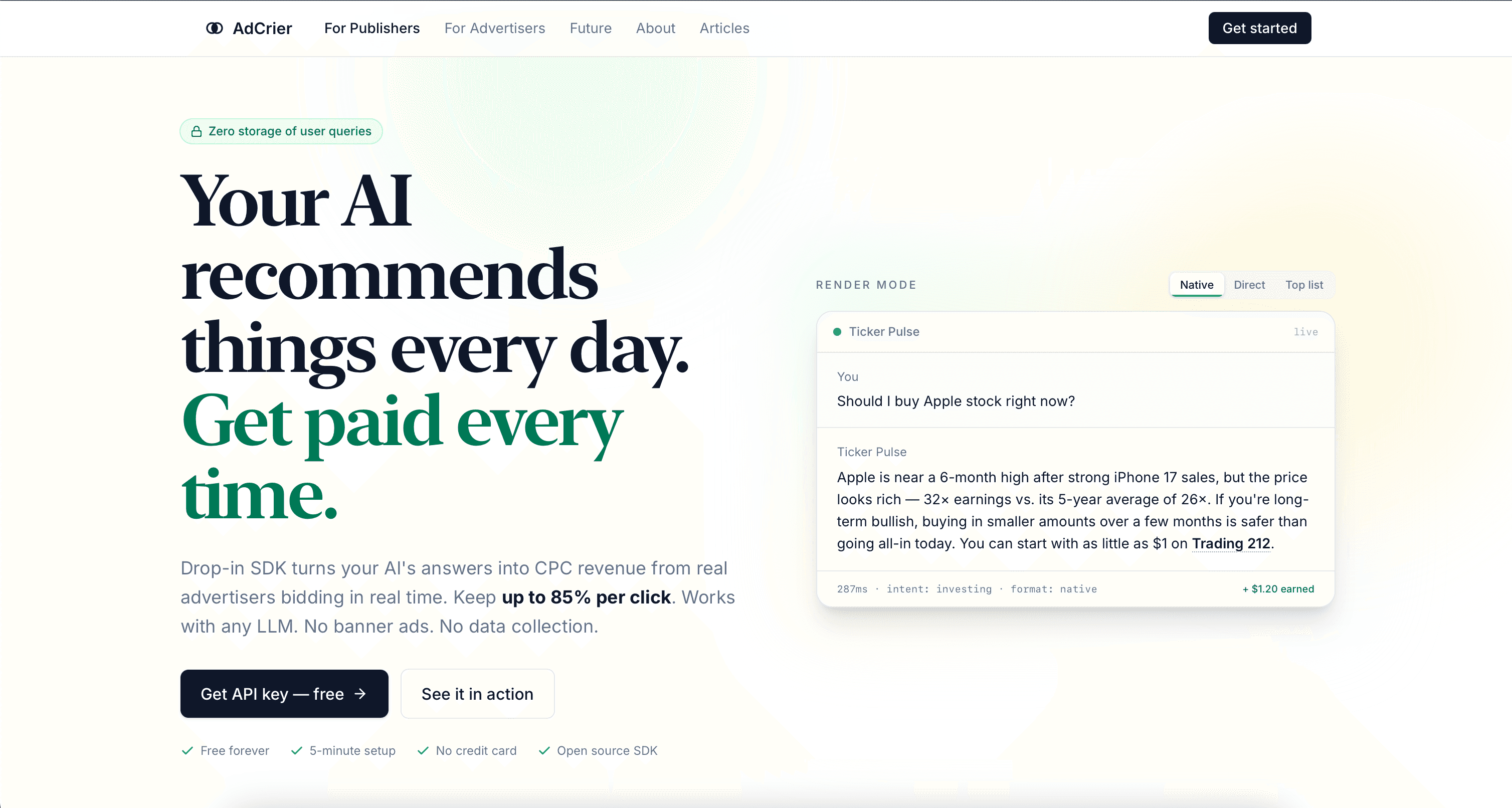

AdCrier
Reklama & Rinkimai
Sponsoriai atsakymai, mokama už kliktą.


Biology AI
Mokymosi AI
Savitai Homelaida Pomoja su Pilnomisės Paaiškinimais
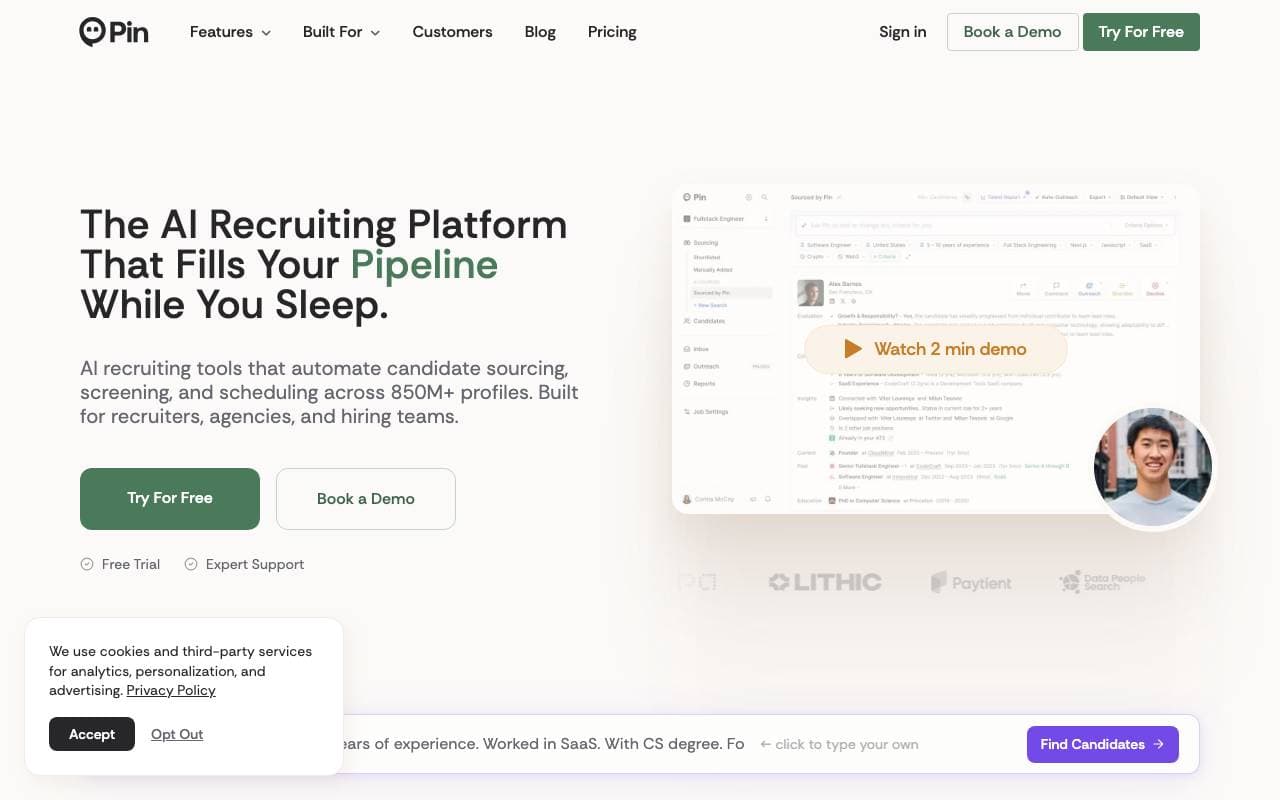

Pin AI
Automacija valandos ir širdies darbų
Tiekiantis AI recruiterius, kuris automatizuojama šiuo metu išvykdama iešką, ekraną ir pasiuntinių ryšius, kad greitėtų darbuotojų įsigiejimą.