
Rytsense Intelligent Document ProcessingElaborazione dei documenti basata su intelligenza artificiale che trasforma file non strutturati in dati d'azienda strutturati.

Panoramica
Funzionalità chiave
- Estrarre dati con intelligenza artificiale da documenti non strutturati
- Conversione in dati d'azienda strutturati
- Supporto per diversi tipi di documenti
- Integrazione con workflow e sistemi
- Pipeline di elaborazione automatizzate
- Riduzione dell'insostenibile sforzo manuale nel trattamento dei documenti
Prezzi
- Modello
- Freemium
- Categoria
- Visione Artificiale
- Valutazione
- 4.8 / 5 (5)
Casi d’uso
Elaborazione automatica delle fatture
Estrae gli articoli a linea, i totali, i dettagli del fornitore e le date dalle fatture in arrivo e sposta i dati strutturati direttamente nei sistemi di contabilità o ERP per eliminare l'ingresso manuale dei dati.
Estrazione dei dati dai contratti
Analizza i contratti per capturare le clausole chiave, le parti e i termini come campi strutturati, accelerando le attività di revisione legale e di conformità.
Convertire i moduli di onboarding dei clienti
Converte i documenti di conoscenza del cliente, i moduli di applicazione e il materiale di identificazione in dati puliti, strutturati, e accelerare l'accesso dei clienti e ridurre gli errori.
Digitalizzazione dei dati dei rapporti operativi
Trasforma i rapporti non strutturati in insiemi dati strutturati che fluiscano nei flussi di elaborazione dei dati e nei sistemi aziendali per una presa decisione più rapida.
Pro & contro
Pro
- Automatizza l'ingresso dei dati manuali ripetitivi
- Tratta una serie di tipi di documenti non strutturati
- Migliora l'accuratezza e la consistenza dei dati
- Aumenta l'accelerazione dei workflow guidati dai documenti
Contro
- Il setup potrebbe richiedere regolagliamenti per formati di documenti nichili
- I prezzi e i dettagli delle funzionalità non sono sempre trasparenti
- L'accuratezza può variare con scansioni di qualità bassa
Storico battaglie
Su 2 battaglie nel Pantheon.
Last 2 battles
Recensioni
Media su 5 valutazioni.
Accedi per lasciare una recensione.
Use it every day
Honestly didn't expect to like it this much. Automated processing pipelines is exactly what I needed, and automates tedious manual data entry. I do wish setup may require tuning for niche document formats, but I reach for it almost every day now and it just clicks.

Skeptical, then convinced
I went in skeptical — most tools in this space overpromise. It actually delivers on conversion to structured business data, and speeds up document-driven workflows caught me off guard. Setup may require tuning for niche document formats is why this isn't a perfect score, still, I'd recommend giving it a real trial.

Solid for our team
We rolled this out across the team last quarter and handles a range of unstructured document types. Automated processing pipelines fits neatly into how we already work, and conversion to structured business data removed a step we used to do by hand. but it has held up under daily use.
Years in this space
I've evaluated a lot of these over the years. What stands out here is aI-based data extraction from unstructured documents — handled better than most — and improves data accuracy and consistency. Setup may require tuning for niche document formats is my one real gripe. Worth the time if this is your use case.
Compared a few options
Evaluated this against two competitors. Where it wins: aI-based data extraction from unstructured documents and speeds up document-driven workflows. On balance the feature set — especially automated processing pipelines — justifies the 5 stars for our use case.
Domande e risposte
What is Intelligent Document Processing (IDP) and how does it differ from OCR?
Intelligent Document Processing is an AI-native platform layer that combines OCR, machine learning, NLP, and LLMs to automate the full document lifecycle - from ingestion to workflow routing. Traditional OCR only converts images to text, while IDP adds classification, contextual extraction, AI validation, fraud detection, and analytics.
Asked by Henrik Dahl · Jan 19, 2026
What document types does Rytsense DI Platform support?
Rytsense DI Platform supports 200+ document types including invoices, bills of lading, EOBs, medical claims, prior authorizations, customs declarations, contracts, KYC documents, financial statements, shipping labels, freight invoices, and logistics documents.
Asked by Amina Diallo · Jan 14, 2026
How accurate is the AI data extraction?
Rytsense DI Platform achieves 99.4% extraction accuracy across supported document types. Every extracted field includes a confidence score, and low-confidence fields are automatically routed to human-in-the-loop validation workflows.
Asked by Devin Walker · Jan 3, 2026
Does the platform support handwriting recognition (ICR)?
Yes. Rytsense DI Platform includes Intelligent Character Recognition (ICR) alongside OCR to process handwritten patient intake forms, handwritten bills of lading, field survey forms, and scanned paper documents.
Asked by Valentina Marino · Dec 28, 2025
How does document fraud detection work?
The fraud detection engine uses AI anomaly detection and computer vision to identify manipulated invoices, altered documents, metadata inconsistencies, forged signatures, and formatting anomalies. High-risk documents are automatically flagged for review.
Asked by Farah Rahimi · Dec 24, 2025
Fai una domanda
Alternative a Visione Artificiale
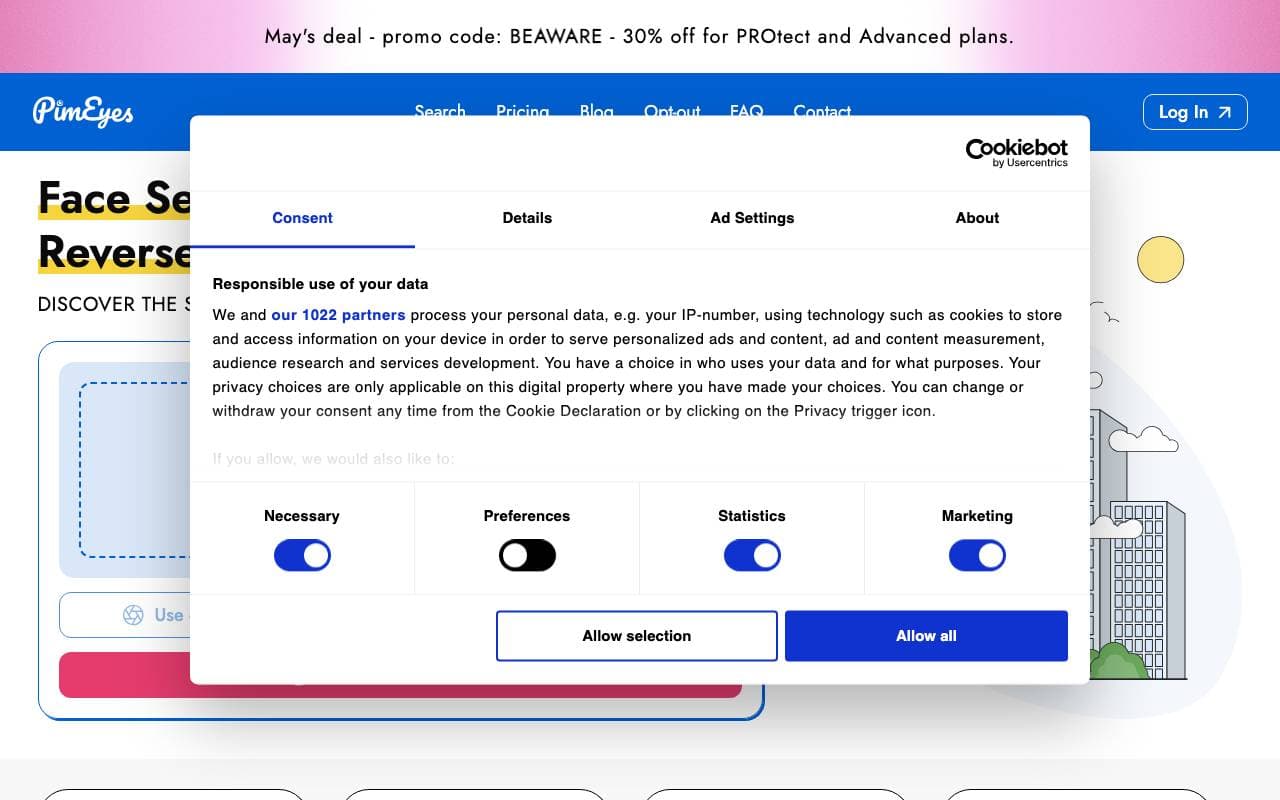

PimEyes
Visione Artificiale
Motore di ricerca viso per trovare online foto di una persona specifica


Qate AI
Visione Artificiale
Garanzia QA GenAI che esplora e testa la tua app come un utente reale.


Self-Parking Car Evolution
Visione Artificiale
Demo di algoritmo genetico che evolve automobili virtuali self-parking nell'ambiente del browser.


Roboco AI
Visione Artificiale
Frammento di agente AI autonomo per la creazione di applicazioni robotiche con compiti guidati.


Mapless AI
Visione Artificiale
Piattaforma di controllo remoto per un gestione sicura della flotta autonoma e senza conducente.
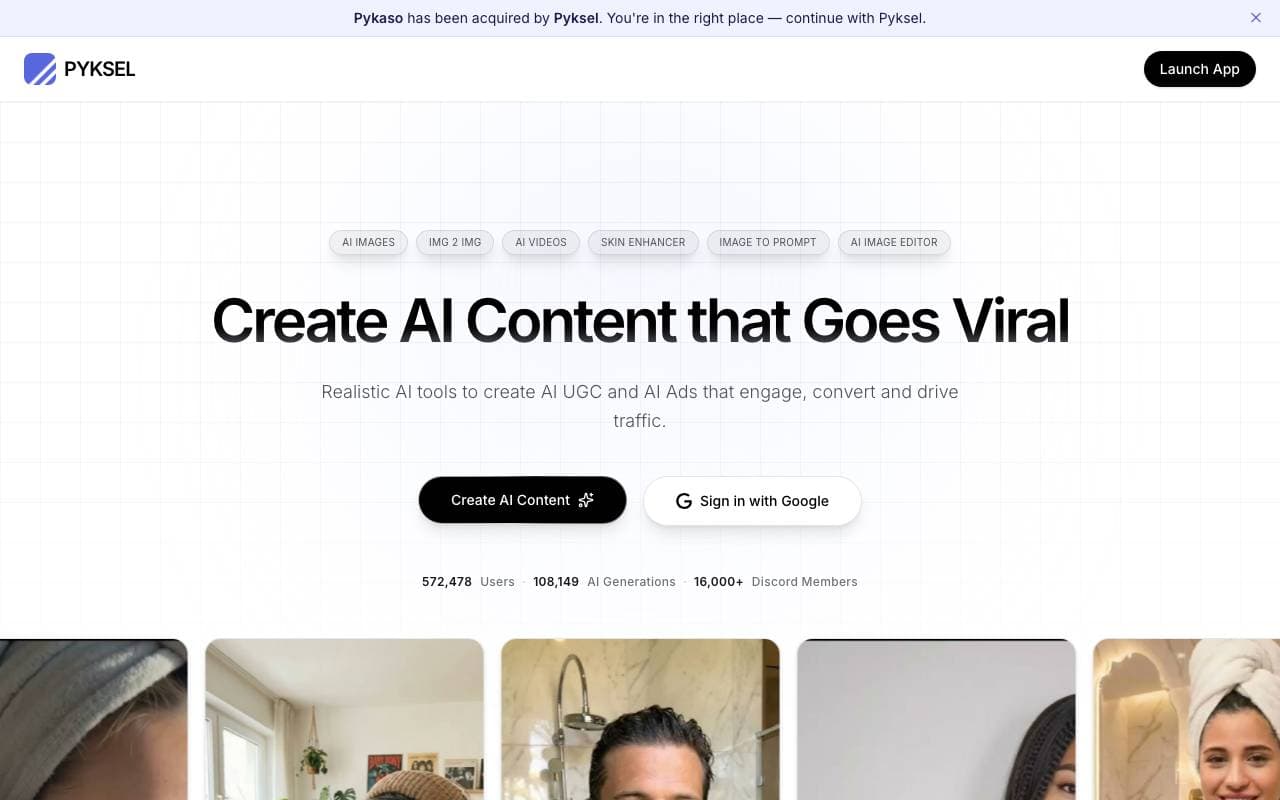

Pykaso
Visione Artificiale
Generazione di immagini e video estremamente realistiche con allenamento personalizzato di LoRA.


ExpertDevTech
Visione Artificiale
Software personalizzato, intelligenza artificiale e soluzioni digitali progettate per accelerare la crescita aziendale.

Retouch4me
Visione Artificiale
Plugin AI di retouching che automatizza il lavoro sulla pelle, i colori e i dettagli mentre mantiene le texture naturali.
Trending now


Reducto AI
Piattaforme per lo Sviluppo di Agenti AI
API di intelligenza dei documenti che elabora, suddivide, riconosce testi da immagine e estrae dati strutturati da PDFs complessi, diapositive e fogli elettronici


Biology AI
Intelligenza Artificiale per l"Educazione
Aiuto di Alta Qualità per i Compiti con Spiegazioni Dettagliate
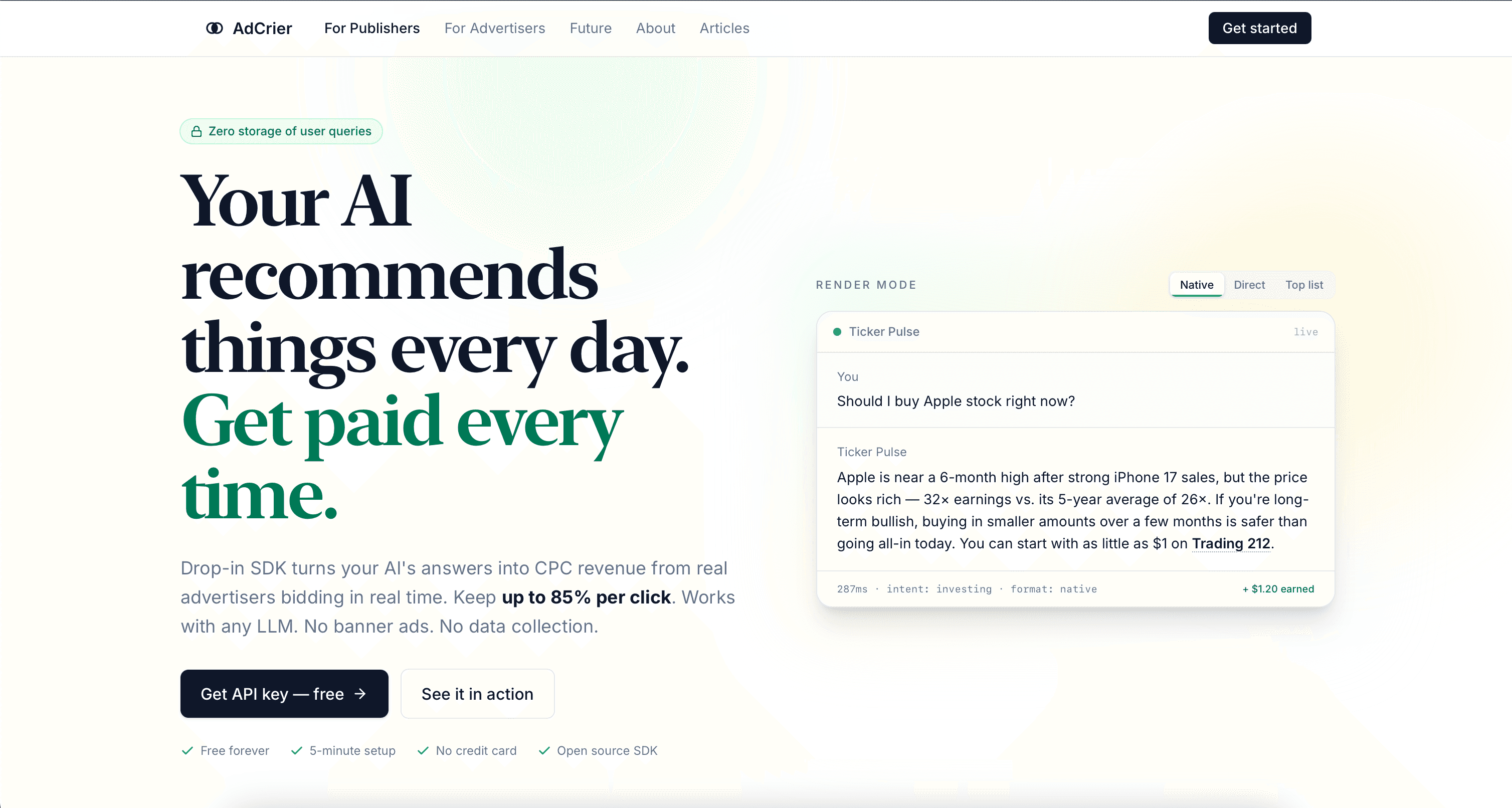

AdCrier
Marketing & Publicità
Risposte sponsorizzate, pagate per clic
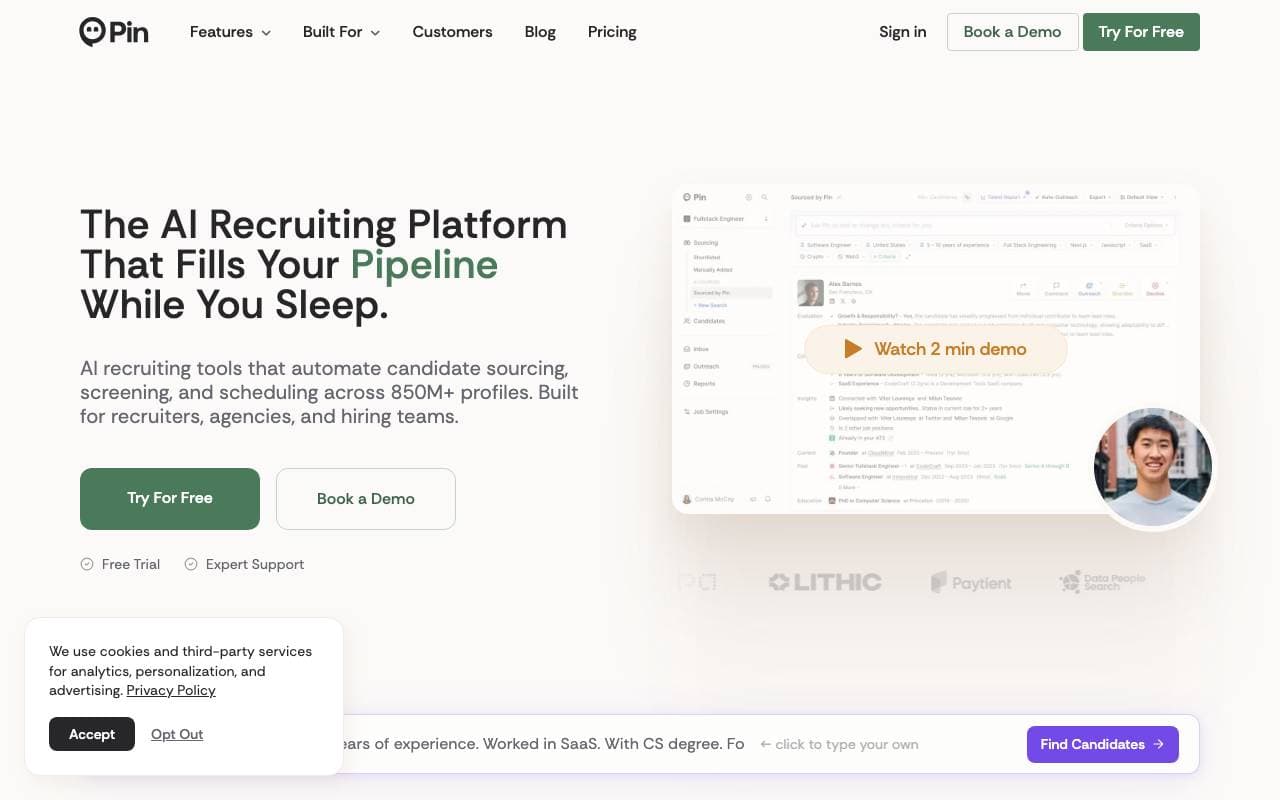

Pin AI
Automazione di workflow
Recruiter AI Agent che automatizza la sorgenza, lo screening e la outreach per velocizzare il processo di assunzione.