
Restack.ioPiattaforma di sviluppo per l'edificazione, la distribuzione e la scalabilità di agenti AI e workflow di produzione.

Panoramica
Funzionalità chiave
- Orazionamento di agenti e workflow
- Esecuzione stateful con ripetizioni automatiche
- Sostegno all'inferenza in tempo reale
- Pannelli di dashboard e tracing per l'osservabilità
- Integrazione personalizzata di modelli e strumenti
- Implementazione scalabili in cloud o auto-ospitate
- Cons
- :
- Ricorda che gli sviluppatori hanno la possibilità di integrare nuovi modelli e strumenti
- pros
- :
- Progettato per agenti della produzione di alta affidabilità,Sostiene workflow a lungo corso e stateful,Forza osservabilità e strumenti di debuggatore,Integrazione flessibile e infrastruttura,cons,:,Curva di apprendimento più ripida per non ingegneri,Richiede familiarità con DevOps per la riostituzio
Prezzi
- Modello
- Freemium
- Categoria
- Visione Artificiale
- Valutazione
- 4.6 / 5 (5)
Casi d’uso
Pipeline di agente di produzione con alta affidabilità
Orestringere agenti AI multi-steps con esecuzione con stato, ritentativi automatici e monitoraggio per passare dai prototipi a sistemi di produzione fidi.
Percezione veicolo autonomo
Eseguire flussi di inferenza in tempo reale come segmentazione semantica per la guida autonoma, utilizzando distribuzione scalabile e integrazione dei modelli personalizzati.
Flussi di lavoro distribuiti a lungo termine
Gestionare lo stato attraverso esecuzioni distribuite per processi complessi ad alta durata con piani di esecuzione incorporati, tentativi e dashboard di osservazione.
Deployment di AI ibrido su cloud o di rete
Distribuire agenti AI su cloud o su infrastruttura di rete con integrazione dei tool flessibili, consentendo alle imprese di soddisfare le esigenze di conformità e scala.
Pro & contro
Pro
- Progettato per la disponibilità a livello di agente per una produzione di alto livello
- Supporta flussi di lavoro in esecuzione a lungo termine e con stato
- Sfortunati strumenti per l'osservazione e la risoluzione dei problemi di qualità
- Integrazione flessibile dei modelli e delle infrastrutture
Contro
- Sfida più rispetto a quanto i non ingegneri siano disposti ad imparare
- Richiede familiarità con gli DevOps per la versione self-hosted
- Piccolo ecosistema rispetto alle orchestrazioni stabilite degli strumenti
- Non supporta gli editor web per configurare l'interfaccia per la programmazione
Storico battaglie
Su 1 battaglia nel Pantheon.
Last battle
Recensioni
Media su 5 valutazioni.
Accedi per lasciare una recensione.
Does the job
Pretty happy overall. Scalable cloud or self-hosted deployment just works and built for production-grade agent reliability. Steeper learning curve for non-engineers can be annoying, but no dealbreakers — I'd recommend it to a friend without hesitating.
Solid for our team
We rolled this out across the team last quarter and supports long-running and stateful workflows. Custom model and tool integration fits neatly into how we already work, and stateful execution with automatic retries removed a step we used to do by hand. Smaller ecosystem than established orchestration tools, which is the main caveat, but it has held up under daily use.
Years in this space
I've evaluated a lot of these over the years. What stands out here is agent and workflow orchestration — handled better than most — and strong observability and debugging tools. Worth the time if this is your use case.

Solid for our team
We rolled this out across the team last quarter and flexible model and infrastructure integration. Scalable cloud or self-hosted deployment fits neatly into how we already work, and agent and workflow orchestration removed a step we used to do by hand. but it has held up under daily use.

Solid for our team
We rolled this out across the team last quarter and flexible model and infrastructure integration. Observability dashboards and tracing fits neatly into how we already work, and real-time inference support removed a step we used to do by hand. Smaller ecosystem than established orchestration tools, which is the main caveat, but it has held up under daily use.
Domande e risposte
How steep is the learning curve for Restack.io?
Restack.io is developer-focused, so engineers familiar with orchestration frameworks will adapt quickly, but non-engineers will find it challenging. Its ecosystem is also smaller than more established orchestration tools, which may mean fewer community resources during onboarding.
Asked by Aisha Khan · Nov 11, 2025
Can I self-host Restack.io and integrate custom models?
Yes. Restack.io supports both cloud and on-prem (self-hosted) deployment, and allows integration of custom models and tools. Note that self-hosting requires DevOps familiarity to manage scaling, infrastructure, and monitoring effectively.
Asked by Wei Chen · Oct 12, 2025
What use cases is Restack.io best suited for?
Restack.io is designed for production AI agents and workflows, including multi-step agent pipelines, long-running stateful processes, and real-time inference tasks like semantic segmentation for autonomous vehicles. It's ideal for teams moving prototypes into production-grade autonomous systems.
Asked by Priya Nair · Aug 17, 2025
Fai una domanda
Alternative a Visione Artificiale
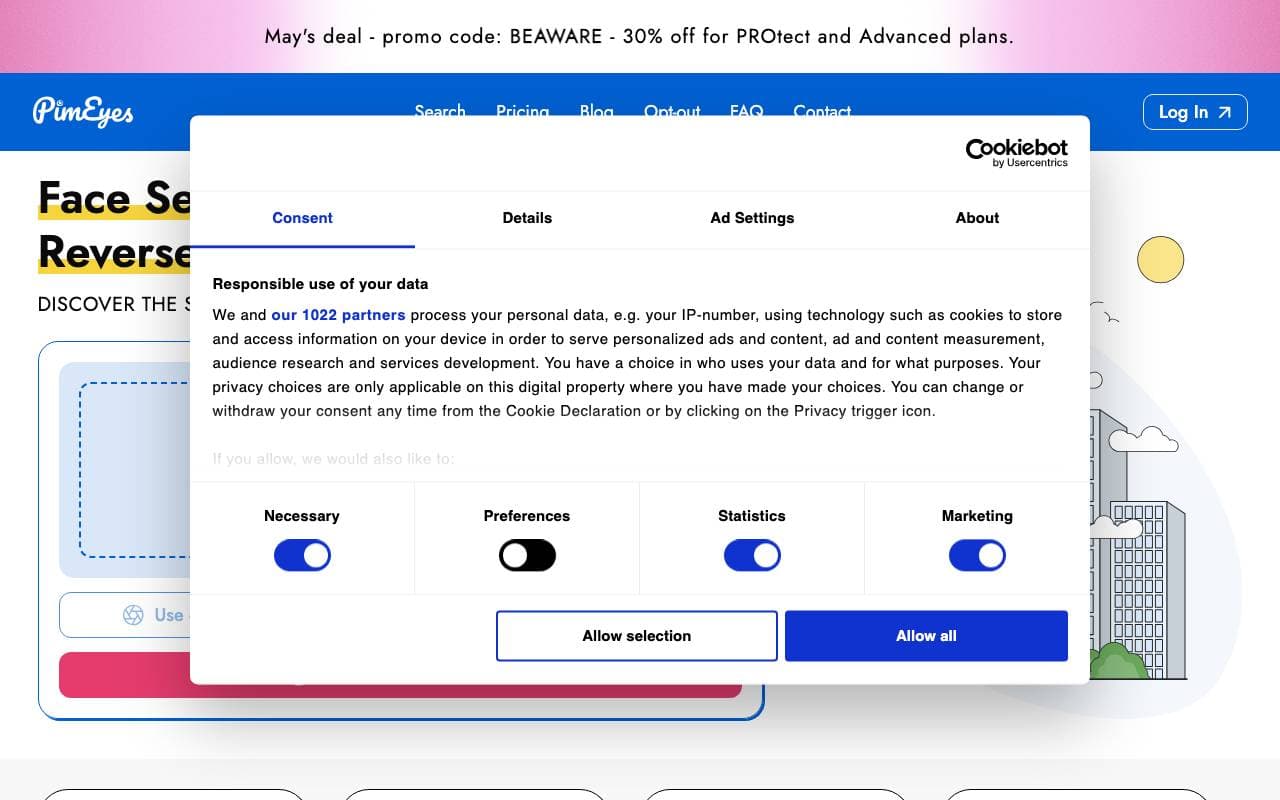

PimEyes
Visione Artificiale
Motore di ricerca viso per trovare online foto di una persona specifica


Qate AI
Visione Artificiale
Garanzia QA GenAI che esplora e testa la tua app come un utente reale.


Self-Parking Car Evolution
Visione Artificiale
Demo di algoritmo genetico che evolve automobili virtuali self-parking nell'ambiente del browser.


Pykaso
Visione Artificiale
Generazione di immagini e video estremamente realistiche con allenamento personalizzato di LoRA.


Mapless AI
Visione Artificiale
Piattaforma di controllo remoto per un gestione sicura della flotta autonoma e senza conducente.


Roboco AI
Visione Artificiale
Frammento di agente AI autonomo per la creazione di applicazioni robotiche con compiti guidati.


ExpertDevTech
Visione Artificiale
Software personalizzato, intelligenza artificiale e soluzioni digitali progettate per accelerare la crescita aziendale.

Retouch4me
Visione Artificiale
Plugin AI di retouching che automatizza il lavoro sulla pelle, i colori e i dettagli mentre mantiene le texture naturali.
Trending now


Reducto AI
Piattaforme per lo Sviluppo di Agenti AI
API di intelligenza dei documenti che elabora, suddivide, riconosce testi da immagine e estrae dati strutturati da PDFs complessi, diapositive e fogli elettronici


Biology AI
Intelligenza Artificiale per l"Educazione
Aiuto di Alta Qualità per i Compiti con Spiegazioni Dettagliate
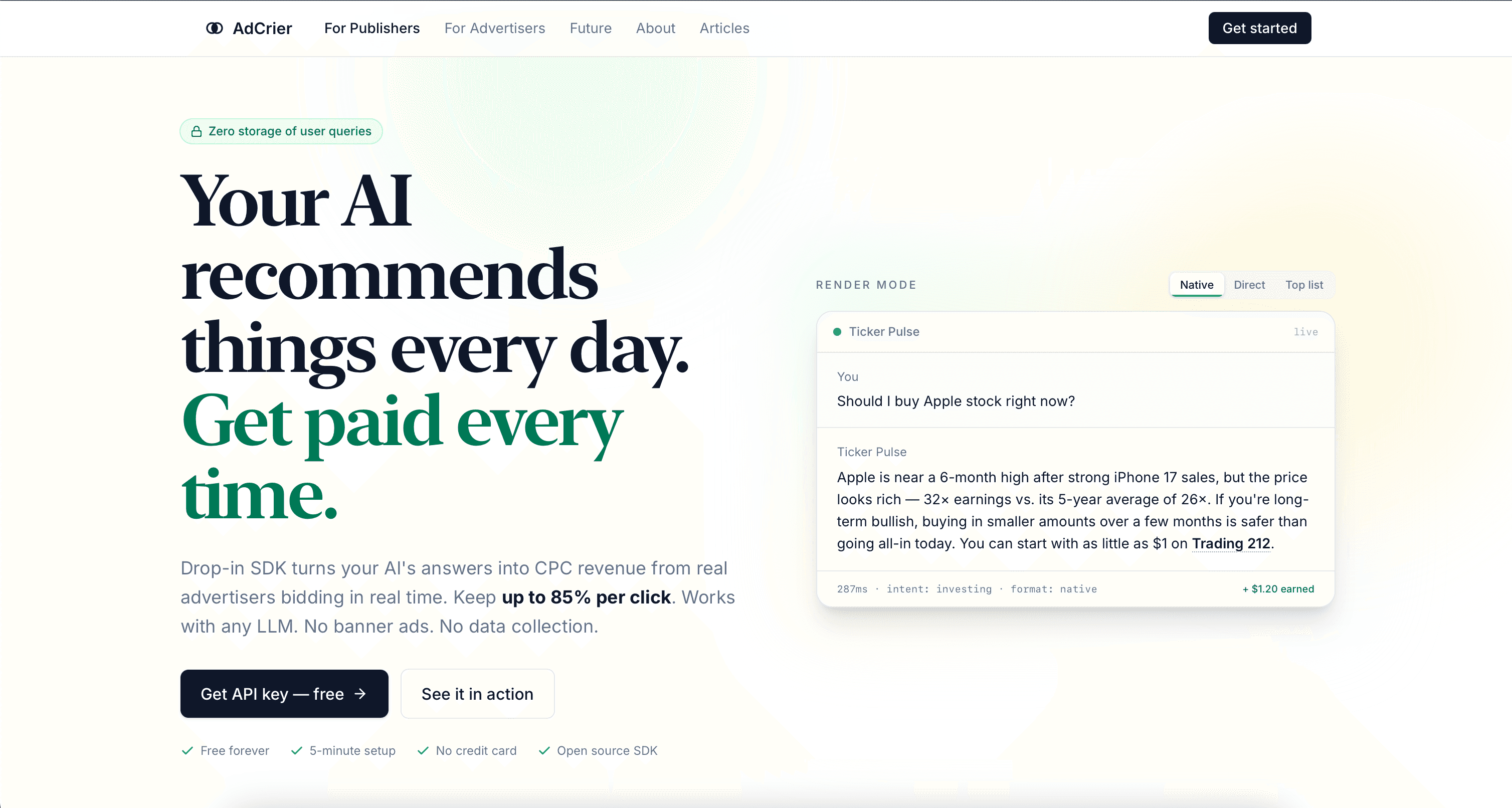

AdCrier
Marketing & Publicità
Risposte sponsorizzate, pagate per clic


Beam AI
Agenti AI
Piattaforma di riferimento per l'automazione dei processi agente, che utilizza agenti di intelligence artificiale in apprendimento per semplificare i flussi di lavoro in diversi settori.