QodoAIPiattaforma di revisione e qualità dei codici AI potenziata per i team di ingegneria

Panoramica
Funzionalità chiave
- Analisi automatizzata delle richieste di pull e suggerimenti
- Unit test generate automaticamente
- Spiegazioni del codice contextuali
- Integrazioni con piattaforme Git e IDE
- Detectio di potenziali bug e casi di testa
- Sostegno a più linguaggi di programmazione
- pros
- :
- Acrementa la velocità delle revisioni delle richieste di pull,Identifica bug e regressioni all'indomani,Integri con piattaforme Git e IDE,Aiuta a generare e migliorare il ricapitolamento coperto,cons,:,Potrebbe richiedere tuning per addebitarsi le convenzioni della squadra,Le suggerizoni richiedono
Prezzi
- Modello
- Free
- Categoria
- Assistente di codifica
- Valutazione
- 4.4 / 5 (5)
Casi d’uso
Accelerare le revisioni di pull request
Analizza automaticamente i PR per segnalare potenziali bug e problemi di routine, lasciando ai revisori concentrarsi su decisioni di architettura e design al posto delle verifiche linee alla volta.
Generare unit test a grande scala
Utilizza test generati con l'AI per espandere la copertura sui nuovi e esistenti codici, aiutando le squadre a catturare regressioni e imbarcarli con maggiore sicurezza.
Onboardare ingegneri in grandi archivi di codice
Fornisci spiegazioni di codice contestuali in modo che i nuovi membri della squadra possano comprendere i moduli sconosciuti e contribuire più veloci senza interrompere continuamente ingegneri senior.
Mantieni la coerenza mentre le squadre crescono
Applica standard di revisione coerenti su un archivio di codice in crescita e una headcount aumentata, riducendo i collo di bottiglia mentre si preserva la qualità durante lo scaling dell'organizzazione di ingegneria.
Pro & contro
Pro
- Riscalda la velocità delle revisioni di pull request
- Cattura bug e regressioni in anticipo
- Integra con piattaforme di Git e IDE
- Aiuta a generare e migliorare la copertura di test
Contro
- Potrebbe richiedere regolazioni per adattarsi alle convenzioni della squadra
- Le suggerimenti tuttavia necessitano di un giudizio umano
- Il valore dipende dalla maturità del workflow di revisione esistente
Storico battaglie
Su 3 battaglie nel Pantheon.
Last 3 battles
Recensioni
Media su 5 valutazioni.
Accedi per lasciare una recensione.
Does the job
Pretty happy overall. Detection of potential bugs and edge cases just works and speeds up pull request reviews. Suggestions still need human judgment can be annoying, but no dealbreakers — I'd recommend it to a friend without hesitating.

Does the job
Pretty happy overall. IDE and Git platform integrations just works and catches bugs and regressions early. Value depends on existing review workflow maturity can be annoying, but no dealbreakers — I'd recommend it to a friend without hesitating.
Years in this space
I've evaluated a lot of these over the years. What stands out here is iDE and Git platform integrations — handled better than most — and catches bugs and regressions early. May require tuning to match team conventions is my one real gripe. Worth the time if this is your use case.
Use it every day
Honestly didn't expect to like it this much. Contextual code explanations is exactly what I needed, and catches bugs and regressions early. I do wish may require tuning to match team conventions, but I reach for it almost every day now and it just clicks.

Solid for our team
We rolled this out across the team last quarter and catches bugs and regressions early. AI-generated unit tests fits neatly into how we already work, and aI-generated unit tests removed a step we used to do by hand. Suggestions still need human judgment, which is the main caveat, but it has held up under daily use.
Domande e risposte
What is Qodo?
Qodo is an AI code review and governance platform for engineering teams shipping at the speed AI writes code. Qodo reviews every pull request with full, cross‑repo codebase context, enforces your coding standards, and governs the AI tools and agents shaping how code gets built. Qodo runs across two main surfaces, with the same context and review standards in each: IDE — real‑time code validation while you code Git — high‑signal pull request reviews See the platform overview for the full picture.
Asked by Paulo Cardoso · Oct 12, 2025
Why is code review breaking down as AI writes more code?
Code review was designed for one developer, one PR, one senior reviewer who held the codebase in their head. AI breaks that model — coding agents generate and refactor faster than humans can review, while standards still live in wikis and senior engineers’ heads. Process and discipline can’t scale to AI‑speed volume. What’s needed is a governance harness — quality, standards, and AI tool oversight treated as infrastructure rather than process. Read the full thinking in AI Gave Teams Velocity. The Governance Harness Comes Next.
Asked by Liam O’Connor · Oct 2, 2025
What makes Qodo different from other AI code review tools?
Qodo is built on three things that make a difference between a useful code review tool and a noisy one: Precision over volume — specialized agents reason over your full codebase, not just the diff, which is how Qodo holds the highest F1‑score on the AI code review benchmark. Depth and speed together — full‑context review without slowing the PR down. Standards that stay current and governed in one place – Rules mined from your PR history, skills surfaced from across your repos, every one enforced on each change and refined by what reviewers accept or reject. The result is fewer false positives, faster reviews, and a quality bar that holds as your team scales.
Asked by Urszula Kowalczyk · Sep 14, 2025
How do you keep coding standards consistent across hundreds of repos and teams?
Wikis go stale. Linters miss intent. Manual rule writing produces dead documents within a quarter. Standards stay consistent only when they’re captured from how your team actually reviews, enforced before merge, and updated as the codebase evolves. Qodo’s review standards system builds this loop into review. Rules Miner turns recurring PR comments and reviewer decisions into enforceable rules, automatically, while skills discovered across your repos become first‑class standards you can govern the same way. Rules and skills run on every PR, decay when they stop being useful, and stay measurable through a central portal.
Asked by Oksana Melnyk · Sep 5, 2025
How do you catch breaking changes that span multiple repositories?
Most review tools see one repo at a time, so breaking changes in shared SDKs, APIs, or schemas only surface in production — where they’re most expensive to fix. Qodo’s Cross Repo Review reasons across the repos that depend on each other, mapped out visually in the portal so the dependencies are clear at a glance. When a signature change in a shared library could break downstream consumers, Qodo flags it on the PR with a direct link to the affected line, before merge. It also reasons across Git providers, so a service in GitHub and its consumer in GitLab stay connected in the same review.
Asked by Ivo Novotný · Sep 1, 2025
Fai una domanda
Alternative a Assistente di codifica

 Gemini Code AssistAssistente di codifica
Assistente di codifica alimentato da AI di Google potenziato da modelli Gemini per uno sviluppo più rapido e intelligente

 Sourcegraph Cody AIAssistente di codifica
Aiutante di codifica intelligente che comprende completamente il tuo codice per aiuti contestualizzati
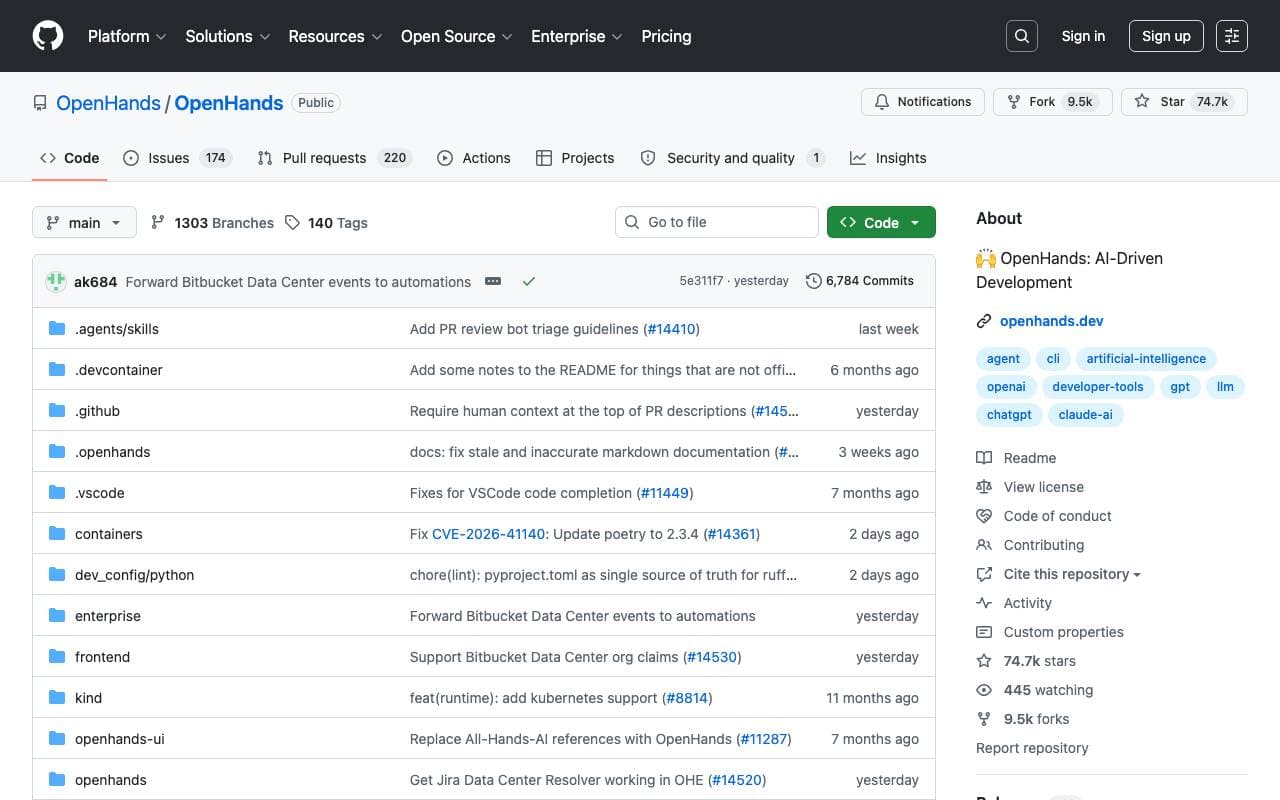
 OpenHandsAssistente di codifica
Piattaformaopen-source per l'innesco degli agenti AI che sviluppano, debuggano e distribuiscono codice come gli sviluppatori.

 DevArchitectAssistente di codifica
Compagna di sviluppo assistita dall'intelligenza artificiale per pianificare, costruire e perfezionare progetti di software.
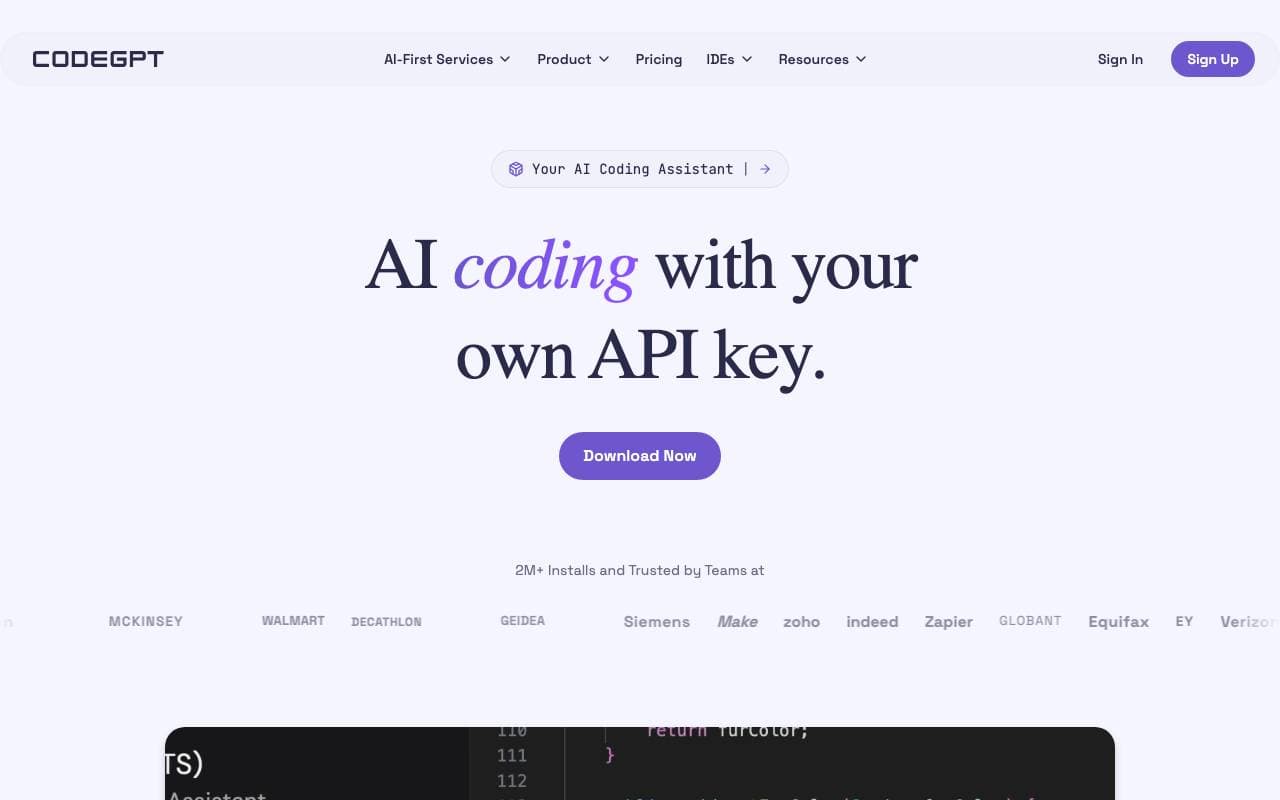
 CodeGPTAssistente di codifica
Assistente AI personalizzabile per la generazione, il completamento e la spiegazione del codice all'interno del tuo IDE.
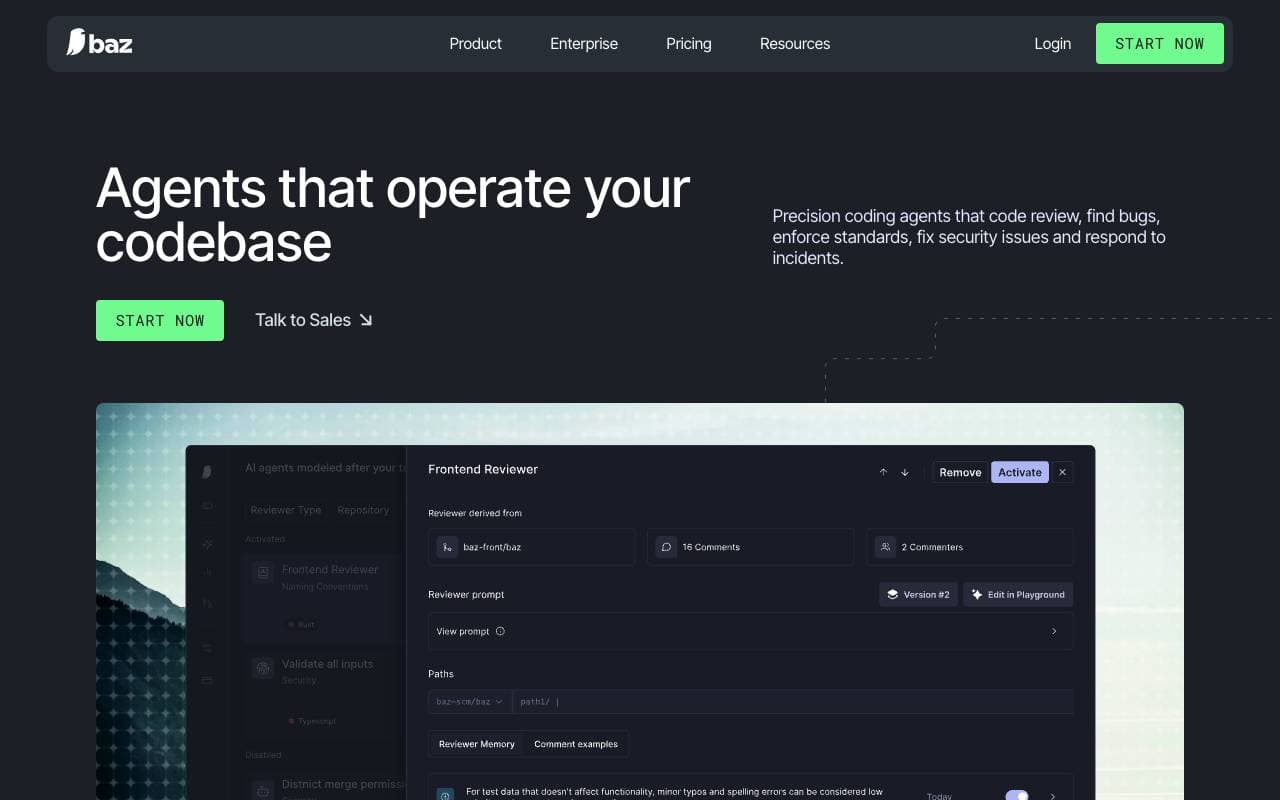
 BazAssistente di codifica
La revisione AI del codice che evidenzia errori, regressioni e problemi di progetto con la stessa efficacia di un ingegnere senior.
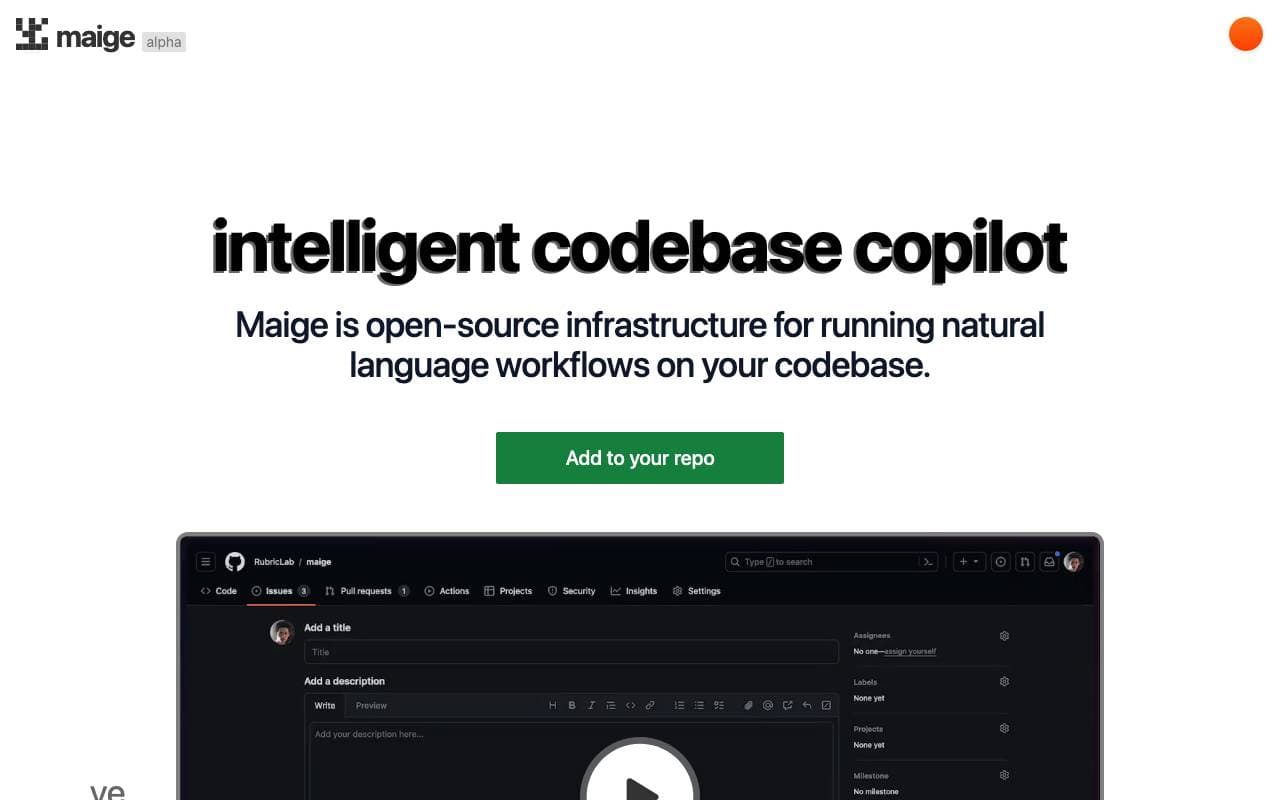
 MaigeAssistente di codifica
Un tool AI potenziato di linguaggio naturale open-source che automizza flussi di lavoro linguistici all'interno del tuo codebase, integrandosi in modo fluido con GitHub.

 Sweep AIAssistente di codifica
Un junior sviluppatore alimentato da AI che trasforma i rapporti di bug e le richieste di feature in modifiche al codice, semplificando il processo di sviluppo software.
Trending now

 Reducto AIPiattaforme per lo Sviluppo di Agenti AI
API di intelligenza dei documenti che elabora, suddivide, riconosce testi da immagine e estrae dati strutturati da PDFs complessi, diapositive e fogli elettronici

 AdCrierMarketing & Publicità
Risposte sponsorizzate, pagate per clic

 Biology AIIntelligenza Artificiale per l"Educazione
Aiuto di Alta Qualità per i Compiti con Spiegazioni Dettagliate

 Pixtral 12B 24.09Modelli Linguistici di Raffinamento
Modello multimodale di 12B con finestra di contesto di 128K per l'elaborazione di immagini e testi intercalati.