
QodoPiattaforma per l'integrità del codice azionata da intelligenza artificiale per generazione, testing e revisione

Panoramica
Funzionalità chiave
- Generazione di codice automatizzata con contesto del repository
- Creazione di test unitari e di edge case automatizzati
- Revisioni di pull richieste assistite dall'IA
- Plugin per IDE e integrazioni con piattaforme Git
- Analisi della qualità e dell'integrità del codice
- Collaborazione orientata alla squadra e supporto alle norme
Prezzi
- Modello
- Freemium
- Categoria
- Assistant di Codice
- Valutazione
- 4.8 / 5 (5)
Casi d’uso
Riviste Pull automatizzate con AI
Usa revisioni assistite durante richieste di pull per segnalare problemi potenziali, imporre norme di squadra e catturare regressioni prima che il codice venga combinato.
Generazione automatica di test di edge case
Genera automaticamente test unitari che considerano casi di-edge, aiutando sviluppatori a migliorare copertura e a catturare bug senza scrivere test manualmente.
Generazione di codice contestuale nella piattaforma di IDE
Lavora sul contesto del repository all'interno dei plugin di IDE per generare suggerimenti che si allineano con i pattern esistenti e la struttura del progetto.
Applicazione della integrità del codice nelle squadre
Supporta standard di qualità coerente all'interno di un codice facendo integrazione di Qodo nei workflow di Git, aiutando le squadre a collaborare attorno a controlli di integrità condivisi.
Pro & contro
Pro
- Copre generazione, testing e revisione in una sola piattaforma
- Integra con gli IDE e i workflow di Git più popolari
- Genera test con attenzione ai casi di-edge
- Aiuta a imporre qualità del codice coerente durante le revisioni
- Suggeste test sono ancora validate umanamente
- Integrazione avanzata può richiedere piani di pagamento
- Aprezza curva per attagliarsi ai processi della squadra esistenti
Contro
- L'efficacia varia a seconda dei linguaggi e delle architetture del software
- Le caratteristiche avanzate possono richiedere piani di pagamento
- Le suggeste test richiedono ancora verifica umana
- La curva di apprendimento per inserirsi nei processi della squadra esistenti
Recensioni
Media su 5 valutazioni.
Accedi per lasciare una recensione.

Solid for our team
We rolled this out across the team last quarter and integrates with popular IDEs and Git workflows. Team-oriented collaboration and standards support fits neatly into how we already work, and aI code generation with repository context removed a step we used to do by hand. but it has held up under daily use.
Does the job
Pretty happy overall. AI code generation with repository context just works and covers generation, testing, and review in one platform. but no dealbreakers — I'd recommend it to a friend without hesitating.
Skeptical, then convinced
I went in skeptical — most tools in this space overpromise. It actually delivers on aI code generation with repository context, and covers generation, testing, and review in one platform caught me off guard. Learning curve to fit into existing team processes is why this isn't a perfect score, still, I'd recommend giving it a real trial.

Compared a few options
Evaluated this against two competitors. Where it wins: automated unit and edge-case test creation and covers generation, testing, and review in one platform. Where it lags: effectiveness varies across languages and frameworks. On balance the feature set — especially aI-assisted pull request reviews — justifies the 5 stars for our use case.
Years in this space
I've evaluated a lot of these over the years. What stands out here is automated unit and edge-case test creation — handled better than most — and generates tests with attention to edge cases. Worth the time if this is your use case.
Domande e risposte
What is Qodo?
Qodo is an AI code review and governance platform for engineering teams shipping at the speed AI writes code. Qodo reviews every pull request with full, cross-repo codebase context, enforces your coding standards, and governs the AI tools and agents shaping how code gets built. Qodo runs across two main surfaces, with the same context and review standards in each: IDE — real-time code validation while you code Git — high-signal pull request reviews See the platform overview for the full picture.
Asked by Wanjiru Kamau · Jul 31, 2025
Why is code review breaking down as AI writes more code?
Code review was designed for one developer, one PR, one senior reviewer who held the codebase in their head. AI breaks that model — coding agents generate and refactor faster than humans can review, while standards still live in wikis and senior engineers’ heads. Process and discipline can’t scale to AI-speed volume. What’s needed is a governance harness — quality, standards, and AI tool oversight treated as infrastructure rather than process. Read the full thinking in AI Gave Teams Velocity. The Governance Harness Comes Next.
Asked by Nikolai Petrenko · Jul 25, 2025
What makes Qodo different from other AI code review tools?
Qodo is built on three things that make a difference between a useful code review tool and a noisy one: Precision over volume — specialized agents reason over your full codebase, not just the diff, which is how Qodo holds the highest F1-score on the AI code review benchmark. Depth and speed together — full-context review without slowing the PR down. Standards that stay current and governed in one place – Rules mined from your PR history, skills surfaced from across your repos, every one enforced on each change and refined by what reviewers accept or reject. The result is fewer false positives, faster reviews, and a quality bar that holds as your team scales.
Asked by Abebe Girma · Jul 8, 2025
How do you keep coding standards consistent across hundreds of repos and teams?
Wikis go stale. Linters miss intent. Manual rule writing produces dead documents within a quarter. Standards stay consistent only when they’re captured from how your team actually reviews, enforced before merge, and updated as the codebase evolves. Qodo’s review standards system builds this loop into review. Rules Miner turns recurring PR comments and reviewer decisions into enforceable rules, automatically, while skills discovered across your repos become first-class standards you can govern the same way. Rules and skills run on every PR, decay when they stop being useful, and stay measurable through a central portal.
Asked by Diego Fernández · Jun 12, 2025
How do you catch breaking changes that span multiple repositories?
Most review tools see one repo at a time, so breaking changes in shared SDKs, APIs, or schemas only surface in production — where they’re most expensive to fix. Qodo’s Cross Repo Review reasons across the repos that depend on each other, mapped out visually in the portal so the dependencies are clear at a glance. When a signature change in a shared library could break downstream consumers, Qodo flags it on the PR with a direct link to the affected line, before merge. It also reasons across Git providers, so a service in GitHub and its consumer in GitLab stay connected in the same review.
Asked by Gustav Lindberg · May 10, 2025
Fai una domanda
Alternative a Assistant di Codice


Enia Code
Assistant di Codice
Partner di sviluppo di software AI proattivo che porta in luce i problemi e suggerisce le correzioni prima che tu gli chieda.


Hex Magic
Assistant di Codice
Assistente di analisi AI per copilotare la scrittura delle query, la costruzione delle grafiche e il debug dei notebook all'interno di Hex.


MicroGPT
Assistant di Codice
Un assistente di codifica alimentato dall'intelligenza artificiale che migliora la produttività dello sviluppatore con suggerimenti di codifica in tempo reale.
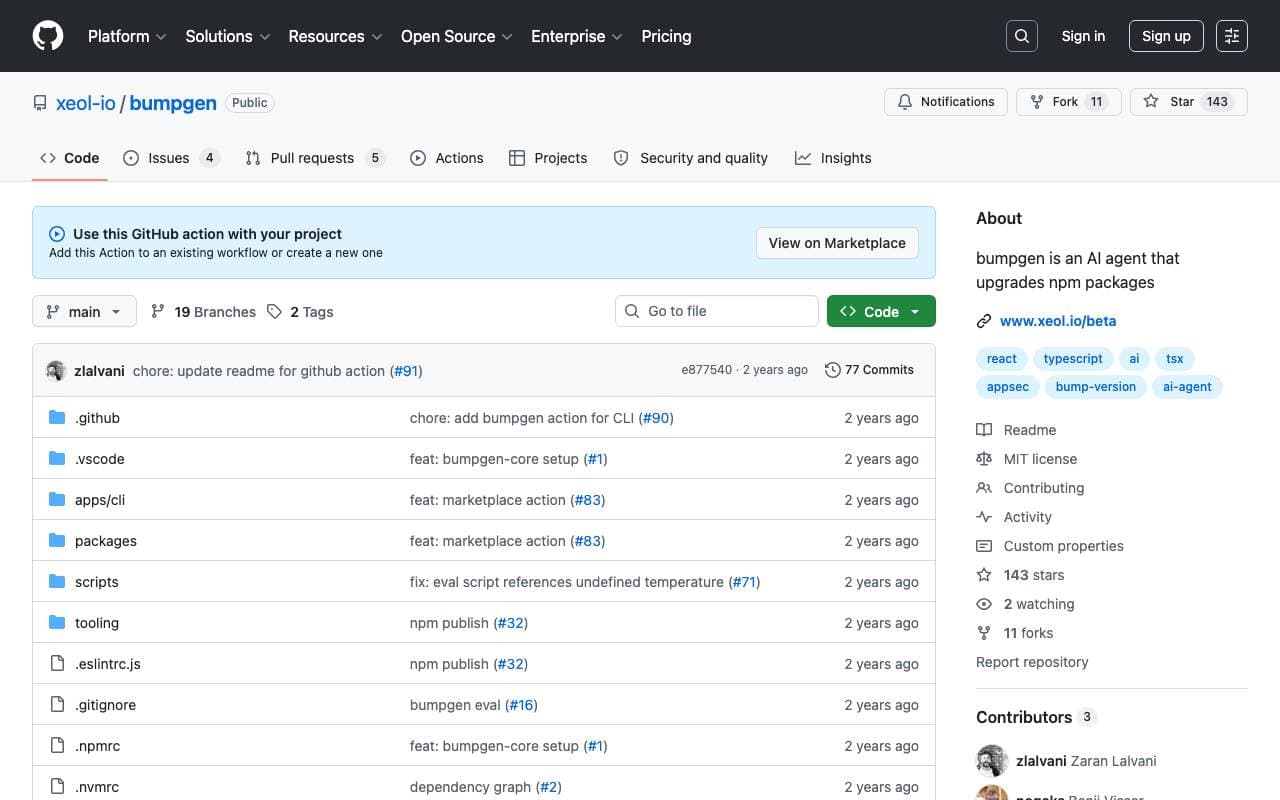

bumpgen
Assistant di Codice
Un agente AI che automatizza l'aggiornamento dei pacchetti npm e risolve le relative modifiche di rottura nei progetti TypeScript.
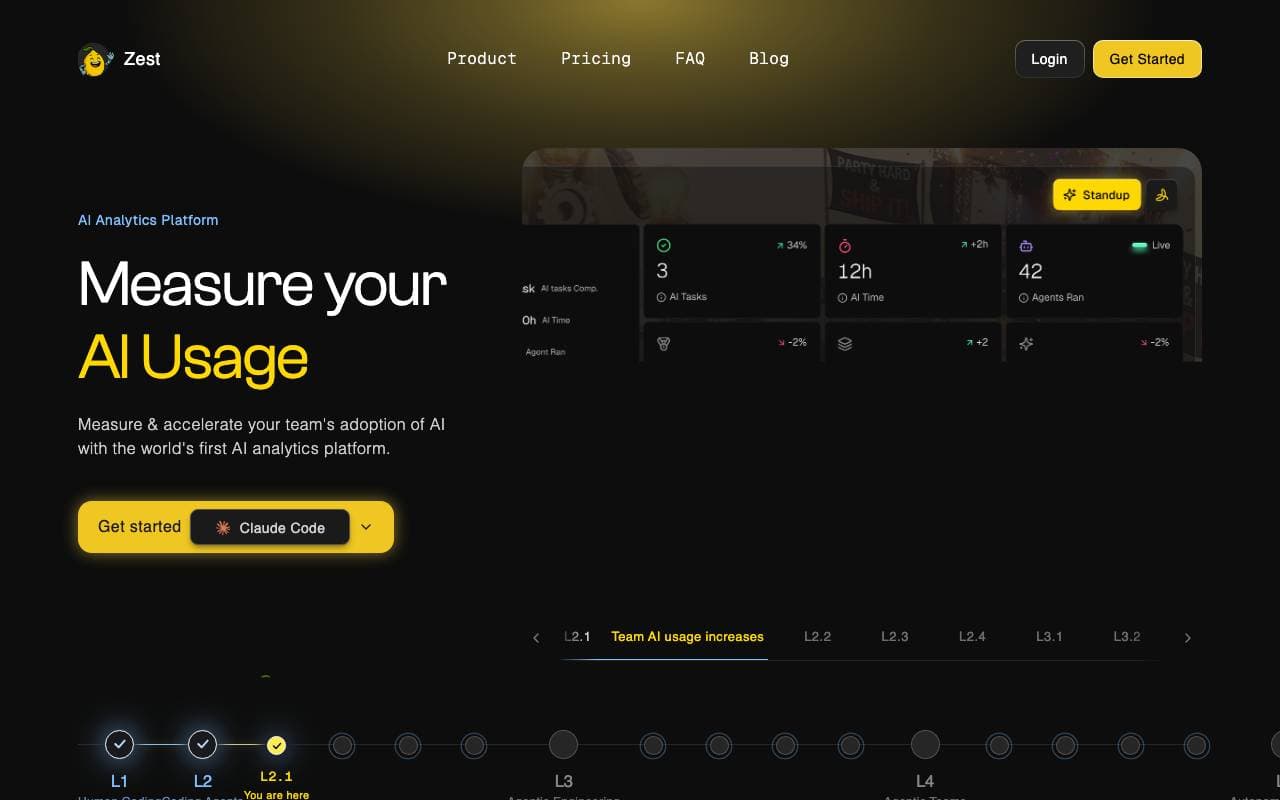

Zest
Assistant di Codice
Assistente AI progettato per aumentare la produttività degli sviluppatori nelle workflow di programmazione quotidiane
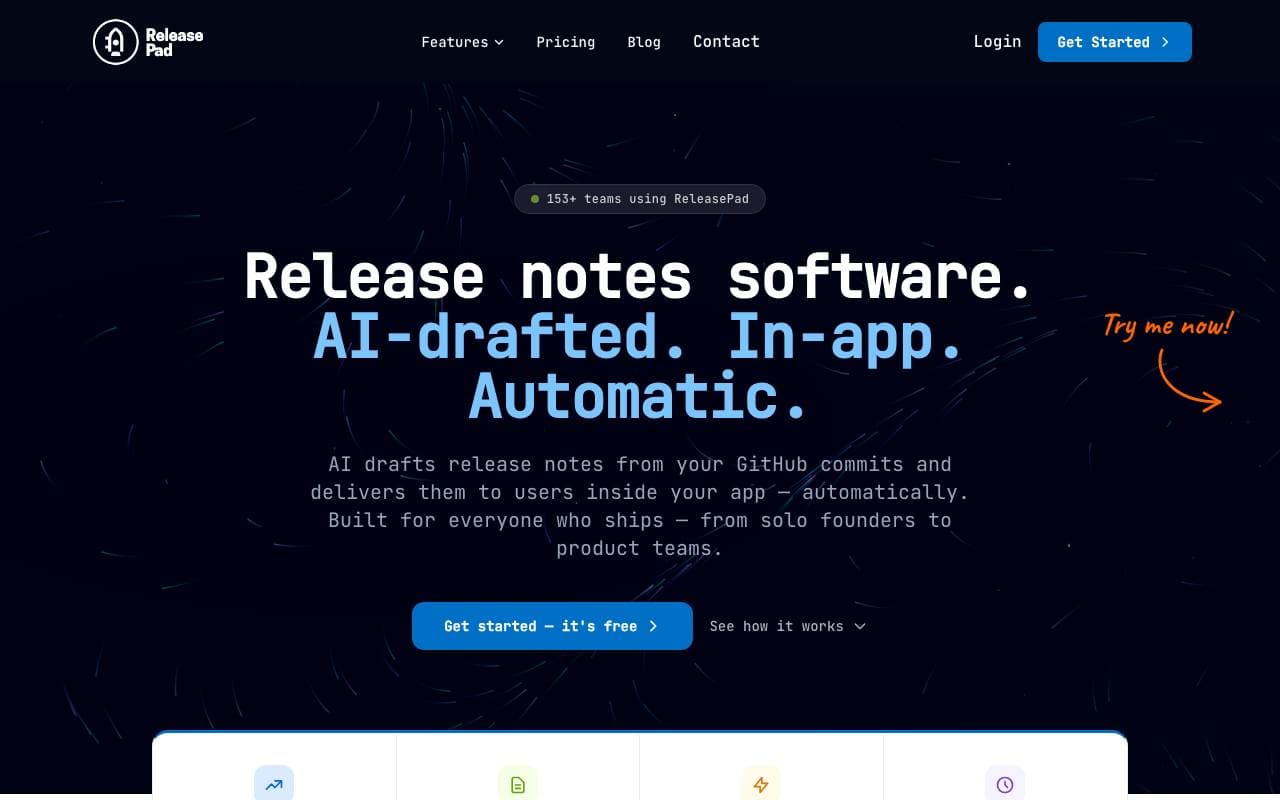

ReleasePad
Assistant di Codice
Nota di rilascio generate tramite AI per team IT che si muovono velocemente


Low Code Platforms
Assistant di Codice
Confronta e filtra i costruttori leaders di low-code in base alle capacità di intelligenza artificiale, CRM, automazione e workflow.

Mentat
Assistant di Codice
Un assistente per AI aperto fonte che integra col tuo terminale per assistere ai vari compiti di codifica all'interno di files multipli.
Trending now


AdCrier
Marketing & Publicità
Risposte sponsorizzate, pagate per clic


Reducto AI
Piattaforme per lo Sviluppo di Agenti AI
API di intelligenza dei documenti che elabora, suddivide, riconosce testi da immagine e estrae dati strutturati da PDFs complessi, diapositive e fogli elettronici


Biology AI
Intelligenza Artificiale per l"Educazione
Aiuto di Alta Qualità per i Compiti con Spiegazioni Dettagliate


Pin AI
Automazione di workflow
Recruiter AI Agent che automatizza la sorgenza, lo screening e la outreach per velocizzare il processo di assunzione.